
Choosing a baby brush for your newborn sounds simple enough until you're standing in the aisle (or scrolling at midnight) wondering whether soft bristles really matter, and whether you even need a comb as well. The answer, for what it's worth, is yes on both counts. At Zoe Sage, we're all about cutting through the overwhelm with honest, practical advice so New Zealand parents can shop with confidence. This guide covers everything you need to know about picking the best baby brush for your little one's delicate scalp, including what features to look for, the different types available, and how to keep all those tiny grooming essentials neat and accessible wherever you go.
Why Your Newborn's Scalp Needs a Gentle Brush
A newborn's scalp is far more sensitive than you might expect. The skin is thin, the fontanelle (soft spot) is still open, and many babies are prone to cradle cap, a common and harmless condition that causes flaky, crusty patches. According to Raising Children Network, Australia's trusted parenting resource, gentle brushing can help loosen the flakes associated with cradle cap and keep the scalp healthy. That's not the only reason to brush, though. Regular, soft brushing can also soothe your baby, stimulate circulation, and simply make hair care a pleasant part of your daily routine rather than a stressful one.
The key word throughout all of this is gentle. Adult brushes, even soft ones, are far too firm for a newborn. Baby brushes are specifically designed with extra-soft bristles that flex on contact, so there's no scratching, tugging, or discomfort. A quality brush makes a real difference to both the experience and the outcome.
Types of Baby Brushes: What's Actually Available
Not all baby brushes are created equal, and understanding the main types helps you choose the right one for your baby's hair type and your own lifestyle.
Natural Bristle Brushes
These are the classic choice for newborns and are widely considered the gold standard for very young babies. Bristles are typically made from goat hair or boar hair, both of which are incredibly soft and flexible. Natural bristles distribute the scalp's natural oils evenly along the hair shaft, which is especially helpful for babies with fine or sparse hair. They're also ideal for managing cradle cap when used with a gentle oil. The one thing to keep in mind is that natural bristle brushes require a little more care, hand washing and air drying rather than tossing them in the dishwasher.
Silicone Bristle Brushes
Silicone brushes have become popular in recent years for good reason. They're easy to clean, durable, and the flexible silicone pins are very gentle on a tender scalp. Many parents use these as a dual-purpose brush and cradle cap massager. They work well on babies with thicker hair or for toddlers transitioning out of the newborn stage. If hygiene and low maintenance are priorities for you, a silicone brush is a practical pick.
Brush and Comb Sets
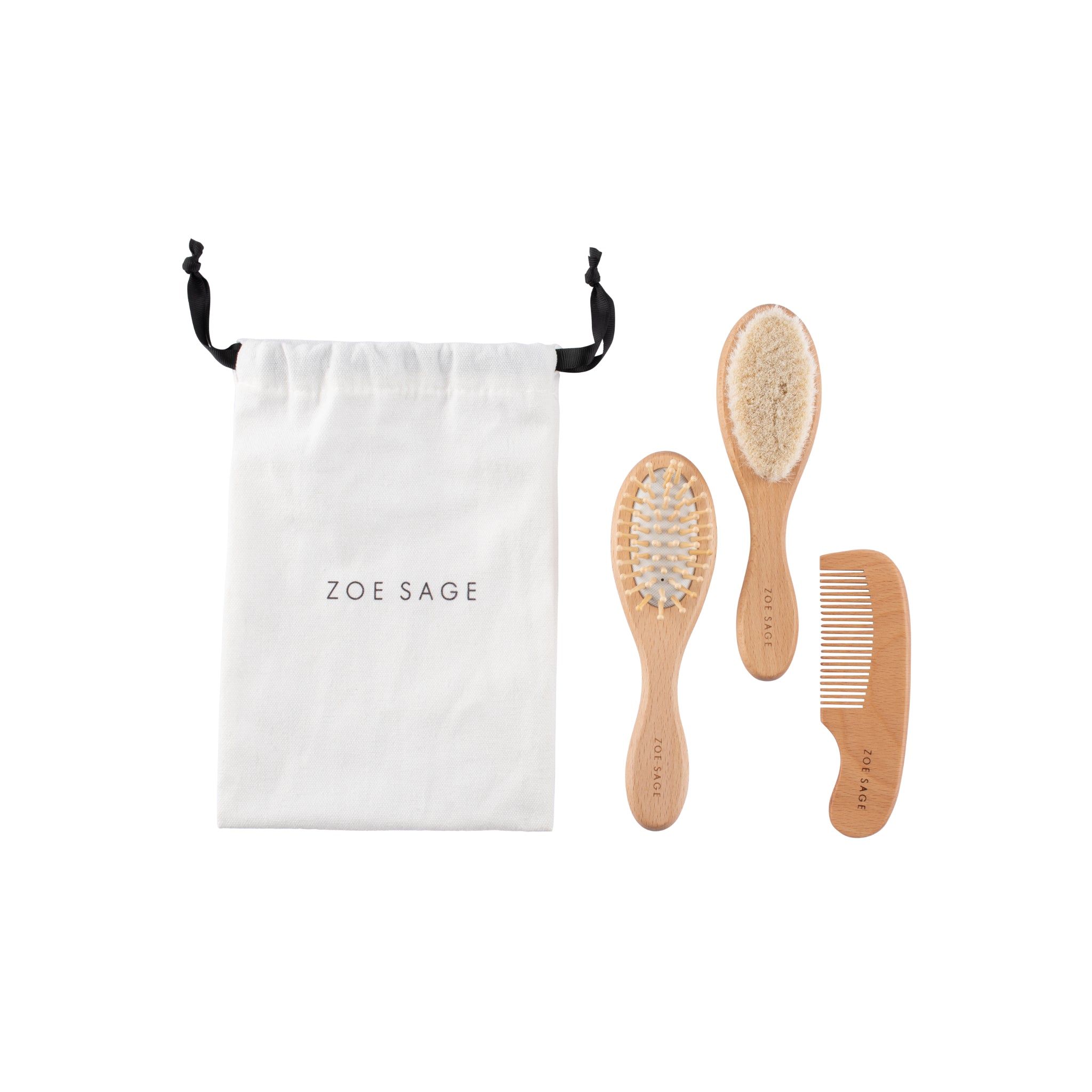
For most parents, buying a set makes far more sense than purchasing individually. A brush handles everyday smoothing and styling, while a fine-tooth comb is useful for detangling as your baby's hair grows thicker. Zoe Sage's own Baby Brush & Comb Set is designed with newborns in mind, pairing ultra-soft bristles with a wide-tooth comb that won't pull or snag. It's compact enough to tuck into a nappy bag or clutch, which means you're never caught without it.
Soft-Touch Massage Brushes
These are slightly different in function. Rather than styling hair, they're designed to gently massage the scalp and promote relaxation. Some parents incorporate them into a bedtime routine alongside bath time. They're not a replacement for a regular brush but can be a lovely addition if your baby responds well to scalp massage.
What to Look for When Choosing a Baby Brush in NZ
With so many options available to New Zealand shoppers, here are the criteria worth paying attention to before you buy.
Bristle Softness
This is non-negotiable. Run the bristles across the inside of your wrist. If they feel scratchy at all, they'll feel even more so on your baby's scalp. Look for brushes specifically labelled as newborn-safe or extra-soft. Goat hair and soft silicone are both excellent choices for the youngest babies.
Handle Size and Shape
You'll be the one holding it, often with one hand while the other steadies a wriggly baby. A handle that's too small or slippery makes the job harder. Look for a comfortable grip with a rounded shape that fits naturally in your palm.
Materials and Safety Standards
Check that any brush you buy is free from BPA and harmful plastics, and that the bristles are securely set so they can't be pulled out. The Australian Competition and Consumer Commission's product safety resource for baby and kids products is a helpful reference point for understanding safety standards applicable to Australia and New Zealand.
Ease of Cleaning
Baby brushes collect lint, dried product residue, and fine hair quickly. A brush that's easy to rinse clean and dries fast is a practical everyday essential. Natural bristle brushes need gentle hand washing, while silicone brushes can generally be rinsed under warm water in seconds.
Compact Size for On-the-Go Use
If you're out and about, a brush that fits neatly in your changing bag or nappy clutch is far more useful than one that takes up half the pocket. Think about where you'll be storing it before you buy.
Keeping Grooming Essentials Organised on the Go
One of the most common frustrations new parents mention is not being able to find anything quickly when they need it most. A baby brush, nail file, thermometer strip, and a few other tiny essentials have a way of disappearing to the bottom of a large bag, never to be found in a hurry.
This is exactly where having a dedicated, well-organised changing clutch makes a noticeable difference. Rather than rummaging through layers of muslin wraps and spare outfits, you know exactly where to reach. If you're building out your changing kit, it's worth browsing our nappy change clutch and baby changing mat range to find a compact solution that keeps everything in its place, from your baby brush and comb set to wipes, a small tube of balm, and a spare bib.
The Portable Nappy Change Clutch comes in four colours including Green Envy, Gridlock Grey, Just Peachy, and Zebra Crossing, so there's something to suit every style. Each one is designed to sit flat as a changing mat when opened, then fold back up into a tidy clutch that fits inside a pram bag or handbag. For NZ parents, orders ship tracked from our Australian warehouse, with free shipping on orders over $150 NZD.
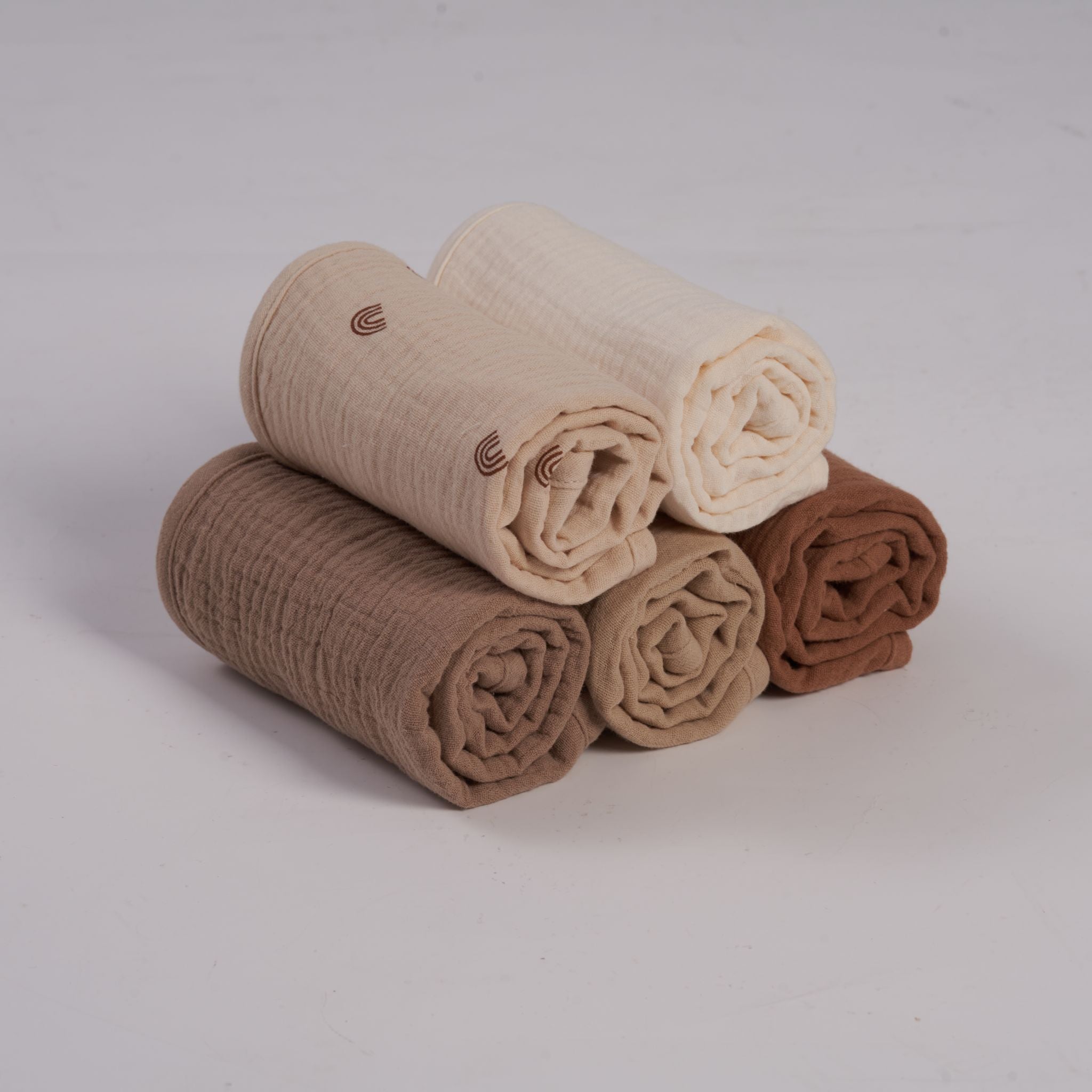
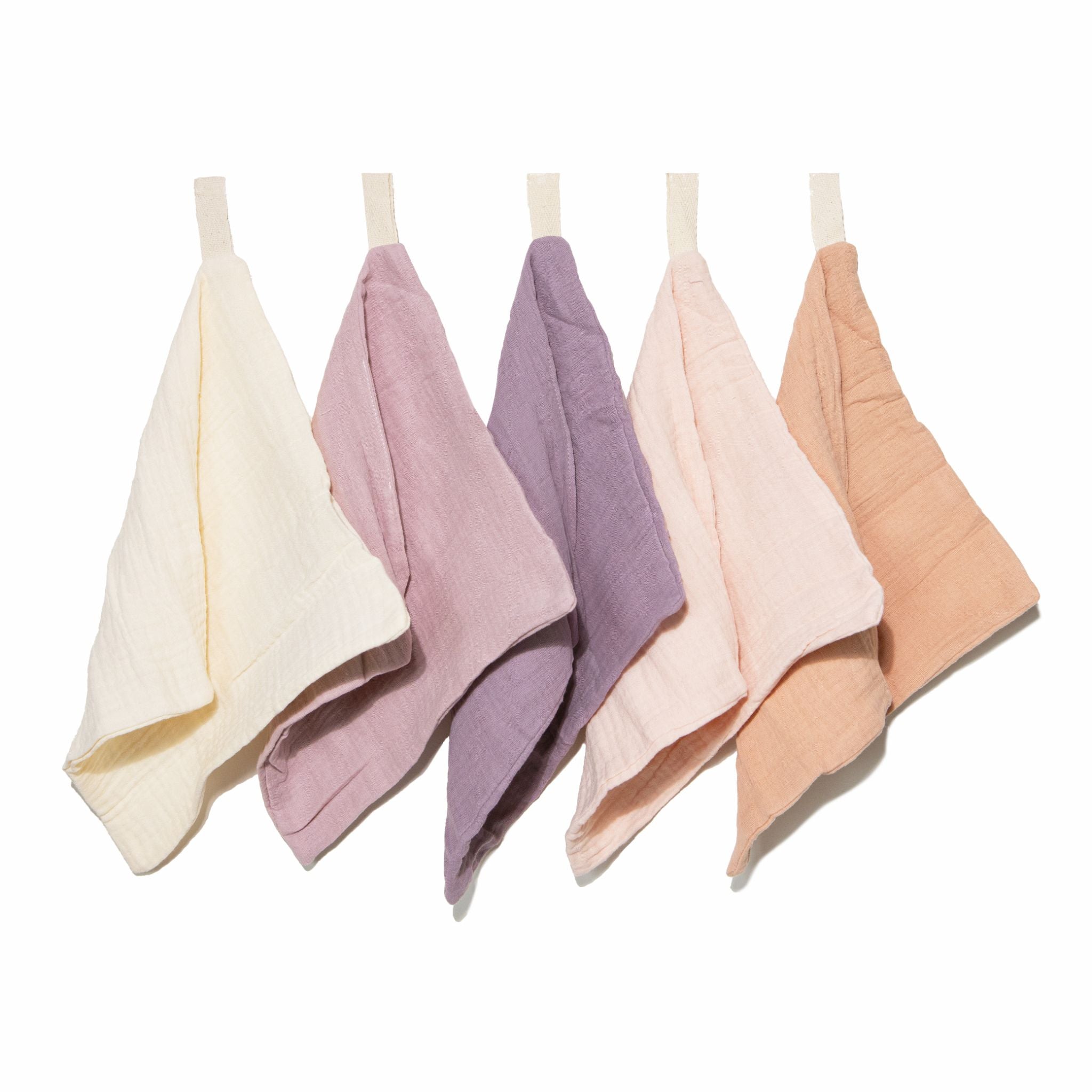
If you're looking for something with a bit more room, the Pram Bag Caddy Organiser clips onto your pram and keeps everyday essentials within arm's reach. It pairs beautifully with the Portable Nappy Change Clutch for a fully organised setup. And if you'd like to pair your changing essentials with a soft accessory for wiping little faces and hands, the Organic Muslin Baby Wash Cloths, Soft & Gentle for Newborns and Baby Wash Cloths Bamboo 6 Pack are both worth keeping in your kit.
For something that doubles as a thoughtful gift, the New Mum Essentials Bundle and Grab & Go Mum Ready Duo Bundle both make a lovely combination of practical and beautiful for a new parent in your life.
On that note, if you're still sorting out your overall nappy bag situation, this honest breakdown of what to look for in a nappy bag that actually works for busy parents is worth a read before you commit to a style.
How to Use a Baby Brush Safely
Even the softest brush needs to be used with care on a newborn. Here are a few practical tips to make brushing a calm, comfortable experience for both of you.
- Use slow, light strokes. There's no need to press down. Let the weight of the brush do the work and keep your movements gentle and deliberate.
- Brush in the direction of hair growth. This reduces tangling and feels more comfortable for your baby.
- Avoid the fontanelle. The soft spot at the top of your baby's head is safe to touch, but it's still best to brush around rather than directly over it, especially in the early weeks.
- Keep it dry between uses. Store your brush bristle-side up or in a pouch to allow air circulation and prevent moisture build-up.
- Clean it weekly. A quick rinse with warm water and a drop of gentle baby wash keeps bristles fresh and hygienic.
Frequently Asked Questions
When can I start brushing my newborn's hair?
You can begin as soon as you feel comfortable, even in the first weeks after birth. Many parents start with very gentle strokes during bath time. As long as you're using an extra-soft brush designed for newborns, there's no minimum age. Just be mindful of the fontanelle and keep pressure very light.
Do I need a brush if my baby doesn't have much hair?
Yes, actually. Brushing isn't only about hair styling. It also helps stimulate the scalp, can assist with managing cradle cap, and often becomes a soothing sensory experience for babies. Even a baby with very little hair benefits from the gentle scalp massage that brushing provides.
Can I order a baby brush to New Zealand from Zoe Sage?
Yes. Zoe Sage ships to New Zealand with tracking from our Australian warehouse. Orders over $150 NZD qualify for free shipping. Products are listed in NZD for NZ shoppers, so what you see is what you pay.
What else should I keep in my nappy change clutch for grooming?
Alongside your baby brush and comb, a compact clutch pairs well with a soft washcloth, a small tube of nappy balm or barrier cream, a nail file (baby nails grow surprisingly fast), and a couple of spare Linen Bandana Dribble Bibs for wiping up after feeds. Keeping these in a dedicated clutch means you're ready whether you're at home or out exploring.
If you're also navigating sleep essentials for your little one and would like a broader guide on sleep solutions suited to NZ families, this guide to choosing the right baby sleeping bag for New Zealand conditions covers everything you need to know.