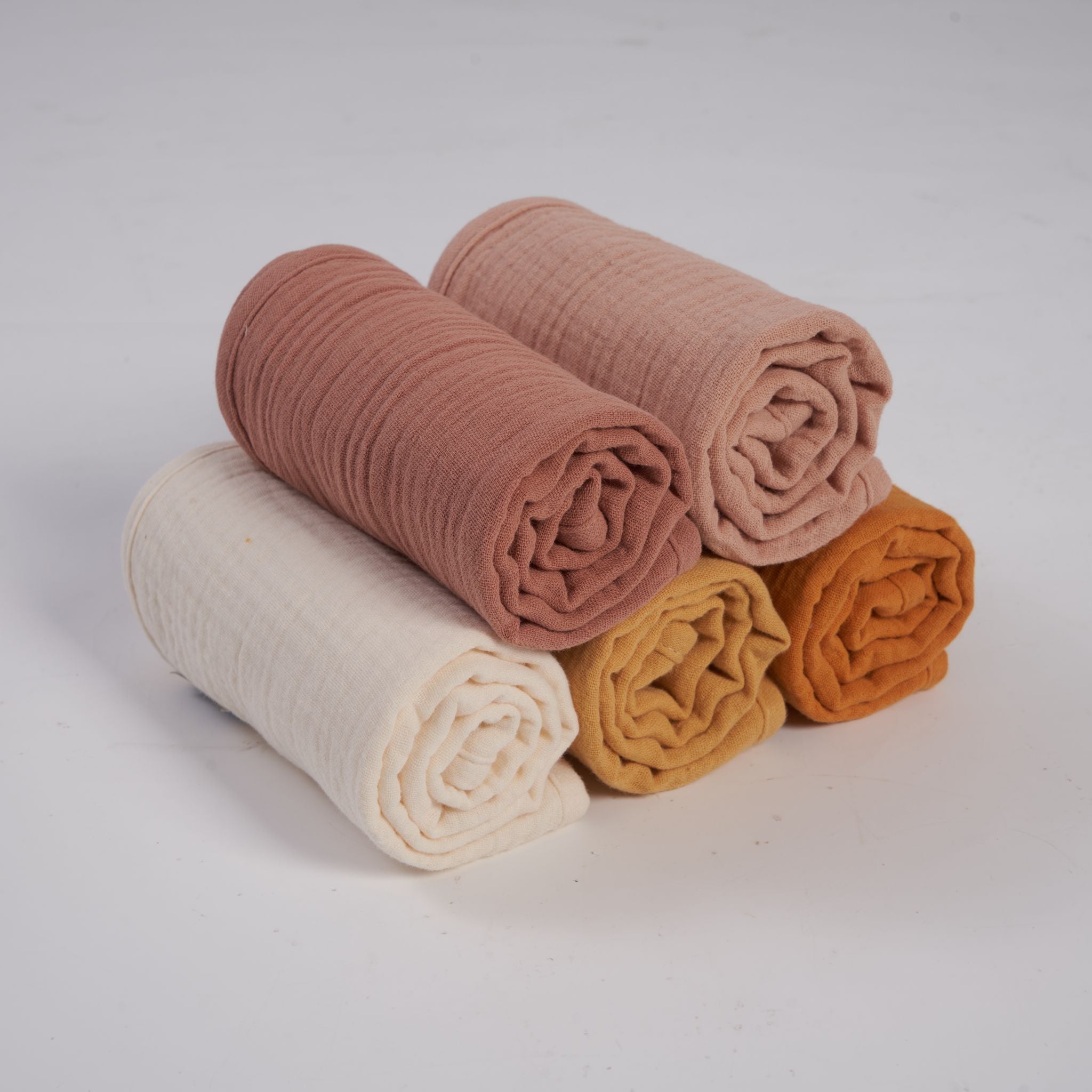

The best baby wash cloths do more than wipe away soap. For newborns, they are one of the first things to touch that fresh, sensitive skin, and the wrong texture can cause redness, irritation, or discomfort fast. This guide covers what to look for in a wash cloth, how to compare fabrics, and which grooming tools are worth having ready before bath time even starts.
What Makes a Good Baby Wash Cloth?
Not all wash cloths are made equal. For newborns, you want something gentle enough for the face, absorbent enough for skin folds, and durable enough to survive daily washing. Three things matter most.
- Softness. Rough or coarse textures irritate delicate newborn skin. Run the cloth against your cheek before buying. If it feels scratchy there, skip it.
- Absorbency. A cloth that pushes water around rather than soaking it up is frustrating and ineffective. Look for a tight, dense weave or a plush pile.
- Durability. Baby wash cloths get washed constantly. Check that the fabric holds up after repeated hot cycles without pilling or losing softness.
Newborn skin is thinner and more permeable than adult skin, which means it absorbs products quickly and reacts faster to irritants. Raising Children Network explains how to care for newborn skin safely, including guidance on bath frequency and product choices.
Comparing Baby Wash Cloth Fabrics
Fabric choice is the single biggest factor in how a wash cloth performs. Here is how the most common options compare.
- Bamboo. Silky to the touch and naturally breathable. Bamboo fibres are moisture-wicking, which means they pull water away from skin quickly. They tend to stay soft wash after wash, making them a strong choice for sensitive skin.
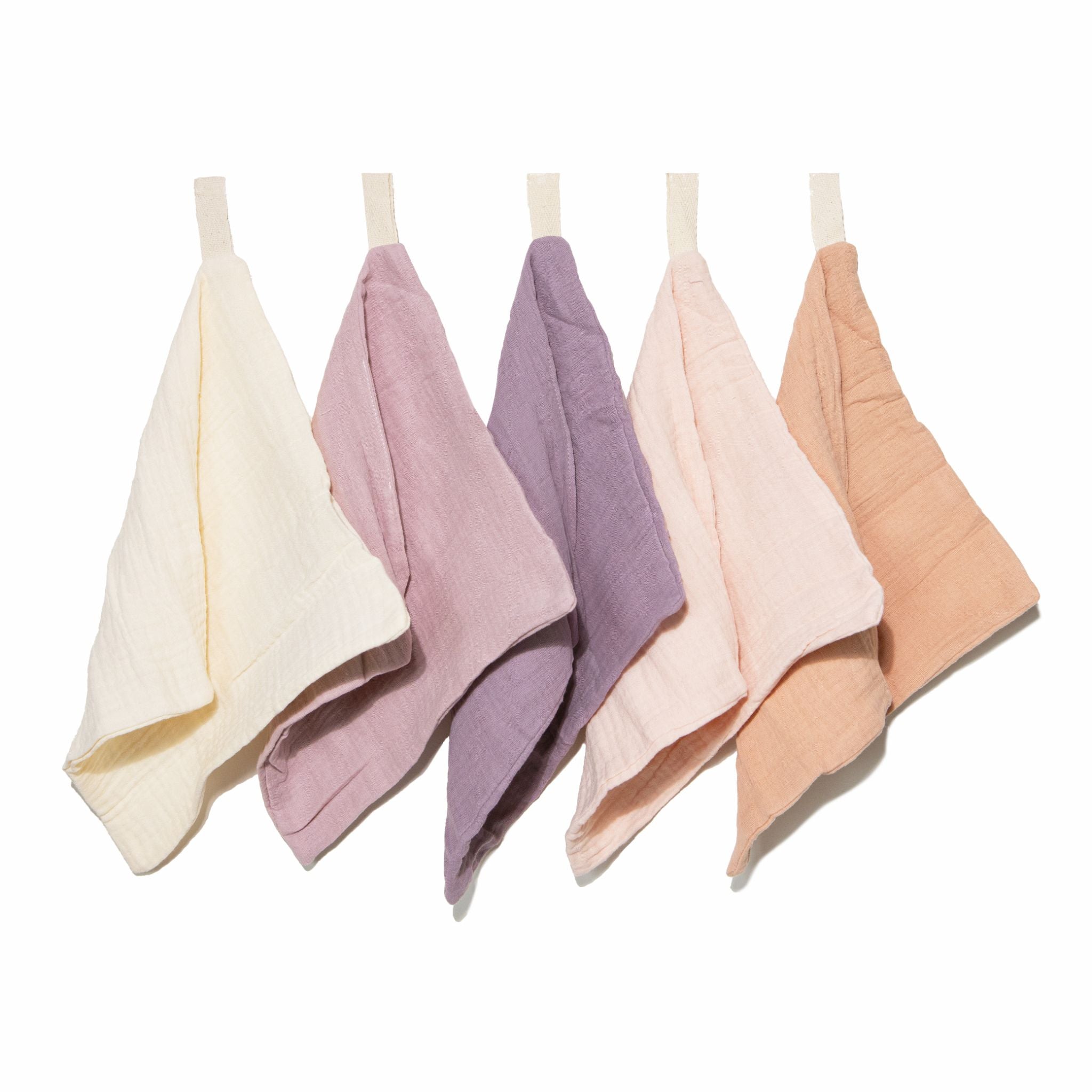
- Muslin cotton. Lightweight and breathable. Muslin softens with every wash, so older cloths often feel better than new ones. Good for gentle face wiping.
- Terry cotton. The classic option. Thicker pile holds more water and is ideal for body washing and drying. Can feel rougher on the face if the weave is coarse.
- Waffle weave. A textured cotton weave that is absorbent without being heavy. Works well for older babies moving into more active bath times.
For most newborns, bamboo or fine muslin cotton is the gentlest starting point. Terry cloth works well once the skin is a little more settled, usually from a few weeks old.
How many do you need? Most parents find six to eight wash cloths keeps things manageable. That covers daily use with enough rotation for washing. Buy a few extra if you plan to use them for nappy changes and face wipes between baths.
Best Baby Washcloths for Sensitive Skin
If your baby has eczema-prone or reactive skin, fabric alone is not enough. A few extra checks help.
- Choose undyed or lightly coloured cloths where possible. Heavy dyes can irritate reactive skin.
- Wash new cloths before first use to remove any manufacturing residue.
- Skip fabric softener. It leaves a coating that reduces absorbency and can trigger reactions.
- Use a fragrance-free, gentle detergent for every wash.
The Australian Competition and Consumer Commission provides product safety guidance for baby items, including textile products. Worth bookmarking if you are building out your nursery kit.
Grooming Tools Worth Adding to Your Kit
Wash cloths are just one part of a well-organised bath routine. A few grooming basics make the whole process smoother.
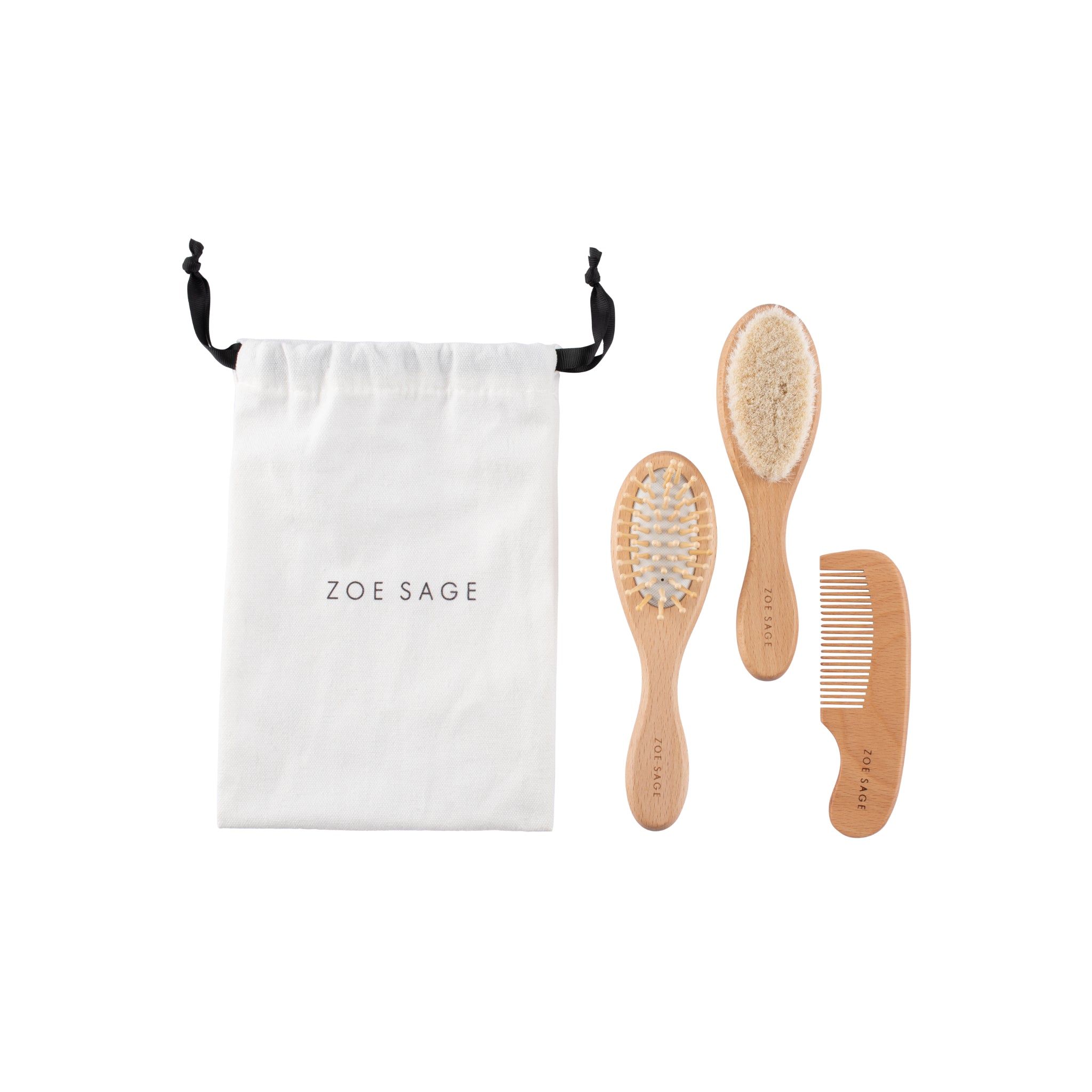
- Soft-bristle hairbrush. Helps with cradle cap and keeps fine newborn hair neat. Look for natural or silicone bristles, never stiff nylon.
- Nail file or baby nail scissors. Newborn nails grow fast. A fine emery board is the safest tool for the first few weeks.
- Nasal aspirator. Not glamorous, but genuinely useful. Newborns breathe through their noses and can't blow them.
- Cotton wool pads or balls. For gentle eye and ear cleaning. Always wipe outward, away from the eye.
Keeping everything in one place makes bath time calmer for everyone. A small caddy or pouch next to the bath means you are not hunting for anything mid-wash with a slippery baby in one arm.
If you are putting together a full bath kit, this guide to building a complete newborn bath routine walks through what you actually need versus what you can skip.
How to Care for Baby Wash Cloths
Good wash cloths last years if you treat them well. A few habits help.
- Rinse cloths thoroughly after each use and hang them flat to dry. Balled-up damp cloths develop odours fast.
- Wash in warm water, not always hot. Repeated high-heat washing degrades fibres over time.
- Check for any fraying edges before each use. Loose threads can catch on tiny fingers.
Ready to build out your bath kit? Browse the full range of baby bath essentials, including wash cloths, towels, and grooming tools designed for newborn skin.