
Can you bring your newborn outside when it's cold? Yes, you can. With a little preparation, fresh air is genuinely good for both of you, even in the middle of an Australian winter. Most healthy newborns can handle brief outdoor trips from day one. The key is knowing how to dress them and what to watch for.
Do Newborns Actually Need Fresh Air?
Fresh air benefits newborns in real, practical ways. Time outside can help settle a fussy baby, regulate their sleep patterns, and support their circadian rhythm development. It also helps mums. Getting outside, even for ten minutes, can lift mood and break the monotony of those early weeks.
According to Raising Children Network, there is no need to keep a healthy newborn indoors. Outdoor air does not cause illness. Viruses do. Avoiding crowded indoor spaces matters far more than avoiding fresh air.
Can a Newborn Be Outside in Cold Weather?
Yes, with the right layers. Newborns cannot regulate their own body temperature the way adults can, so they rely entirely on what you put them in. A good rule of thumb: dress your baby in one more layer than you are wearing.
Here is what to consider before heading out:
- Cover their head. Babies lose a significant amount of heat through their head, so a soft beanie or bonnet is essential.
- Keep hands and feet warm. Mittens and booties make a real difference, especially in wind.
- Use a pram footmuff or a well-fitted wrap blanket over the pram. Check that nothing covers their face.
- Limit time outside in very cold or windy conditions. Short trips of 20 to 30 minutes are plenty for early weeks.
- Check their skin regularly. The back of the neck is a reliable spot to feel whether they are too cold or too warm.
For more detail on layering and cold-weather outings, our guide on practical tips for taking a newborn outside in cold weather covers exactly what to pack and how to dress them for different temperatures.
Can I Take My Newborn Outside at Night?
Night outings are sometimes unavoidable, and sometimes you just need a walk to get a settled baby through a difficult evening. Night air is colder, so extra layering matters. Keep the outing brief and avoid exposure to strong wind.
One thing to be careful of: Red Nose Australia advises that loose bedding, blankets draped over prams, and bulky sleeping bags in car seats can create safety risks. If you are using a pram blanket at night, make sure it is tucked in firmly and cannot slip over your baby's face.
What to Bring When You Head Out
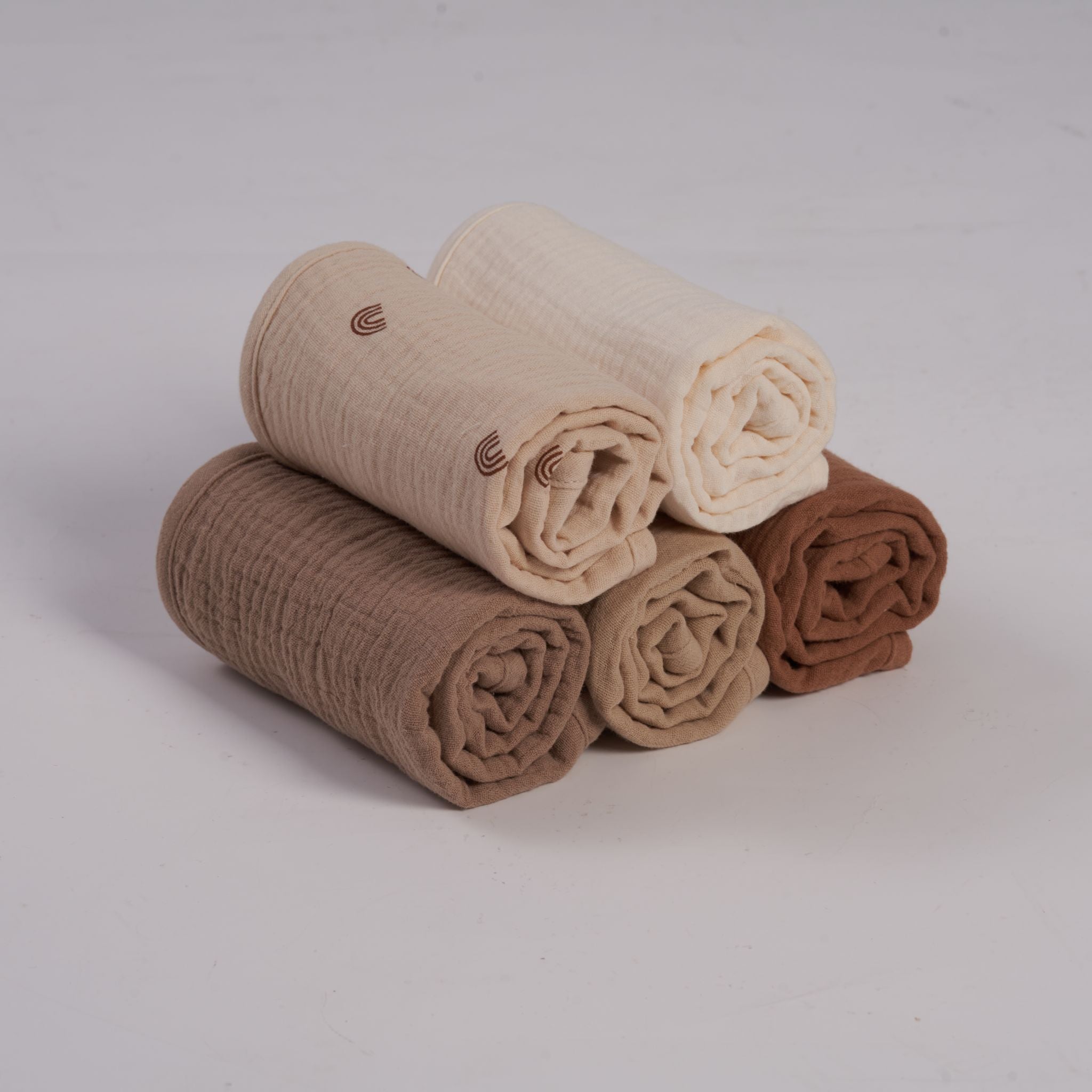
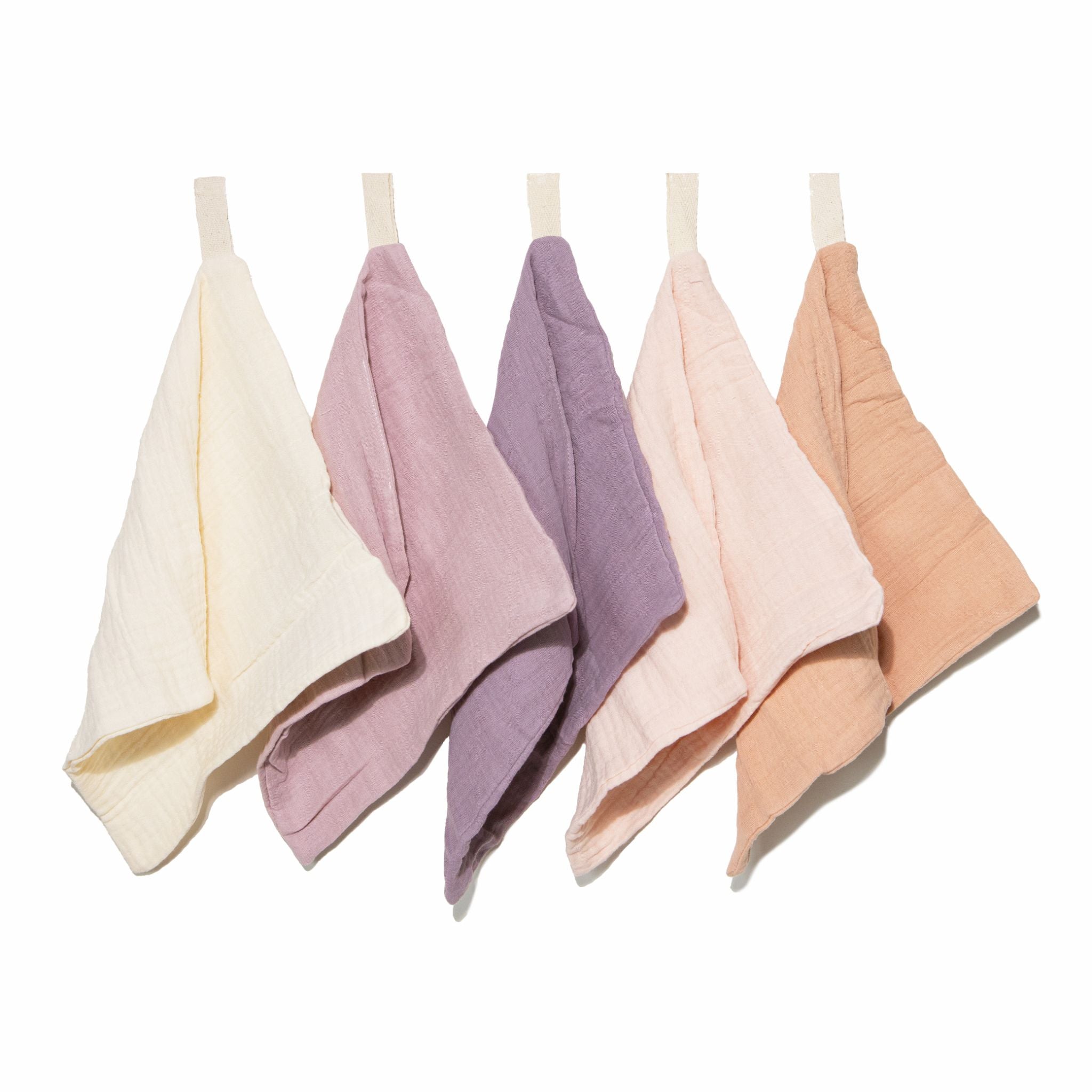
Keeping outings low-stress comes down to being organised before you leave. A few well-chosen items make a big difference. A quality muslin wrap is one of the most versatile things to have on hand, useful for an extra layer, a shade cover, a burp cloth, or a quick change mat.
If you are still figuring out which wraps and carriers work best for outings, our article on choosing the right muslin swaddle wrap for parents on the go is worth a read before you stock up.
Beyond wraps, think about what you actually need versus what you feel like you need. New parents often over-pack and then stop going out because it feels too hard. Our guide on what actually helps when leaving the house with a baby cuts the list right back to what earns its place in the bag.
Signs Your Baby Is Too Cold or Too Warm
Knowing what to look for keeps outings safe and comfortable.
- Too cold: pale or mottled skin, cold chest or back of neck, fussiness, quieter than usual.
- Too warm: flushed cheeks, damp hair or neck, irritability, rapid breathing.
Check in every fifteen minutes or so during colder outings. Babies change quickly and cannot tell you how they feel.
Getting Kitted Out for Outdoor Outings
Having the right gear on hand makes getting outside feel simple rather than stressful. From wraps and layers to nappy bags that actually stay organised, you will find everything you need in our out and about essentials collection, put together specifically for parents who want to get moving with a newborn.
Fresh air is good for your baby. It is good for you. You do not need to wait for perfect weather or a warmer season. You just need a plan and the right layers.