
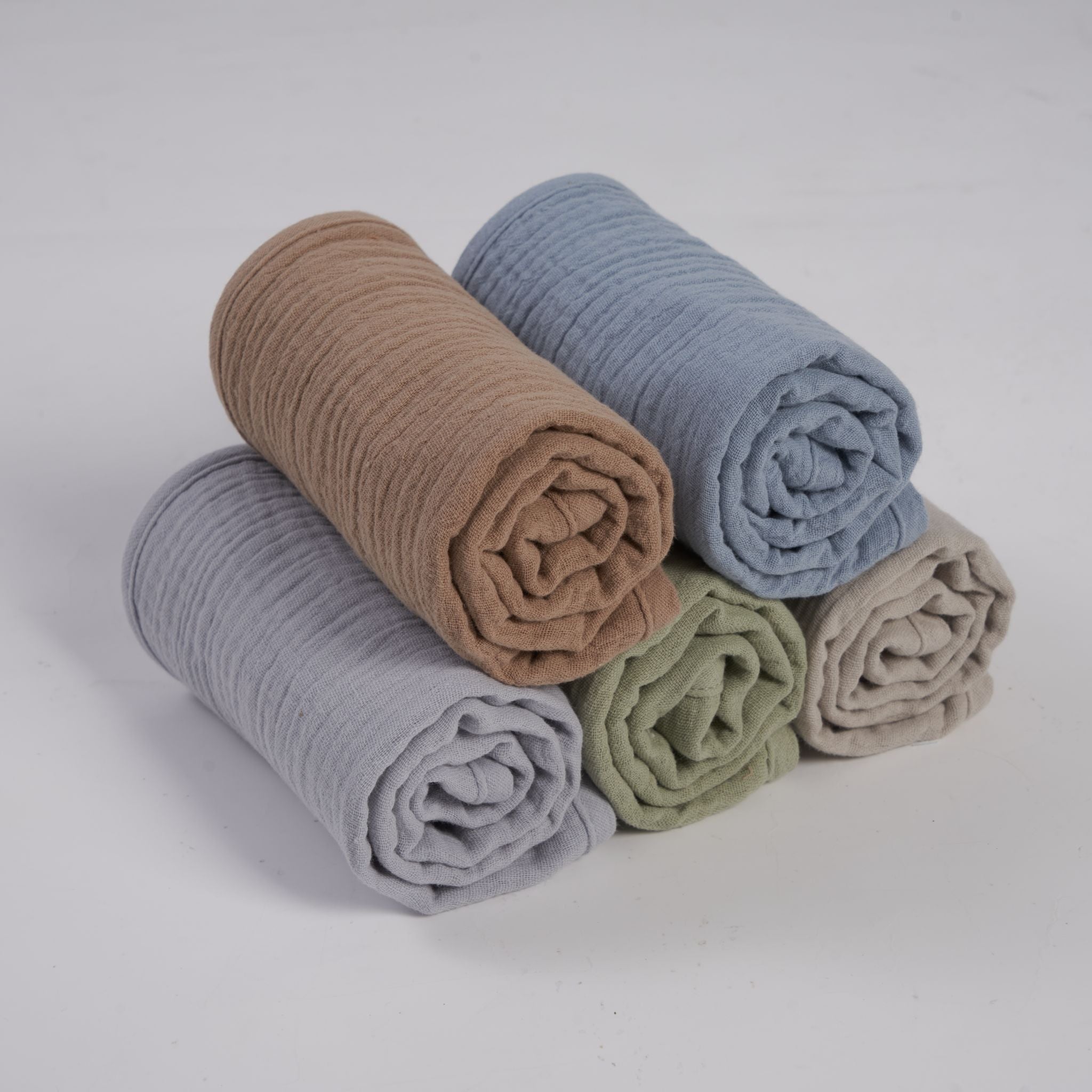

Choosing clothing for your baby is one of the most personal decisions you'll make as a new mum. Beyond style and cuteness, fabric choice plays a real role in your baby's comfort, skin health, and everyday wellbeing. That's why so many Australian mums are turning to organic fabrics for their baby's first wardrobe.
Part of our complete guide to bamboo baby clothing.
But what makes organic fabrics genuinely different, and are they worth the extra thought? Here's what you need to know.
What Are Organic Fabrics?
Organic fabrics, like organic cotton and organic bamboo, are grown and processed without synthetic pesticides, harsh chemical fertilisers, or toxic dyes. The entire production chain is held to stricter standards than conventional textiles.
For baby clothing, that means fewer chemical residues sitting against your newborn's skin every single day. It also means the farmers and workers involved in growing the fibres are not exposed to the same level of harmful chemicals as in conventional production.
Look for certifications like GOTS (Global Organic Textile Standard) or OEKO-TEX Standard 100 when shopping. These independent standards verify that what's on the label is accurate, from fibre to finished garment.
Why Fabric Choice Matters More for Babies
Newborn skin is thinner and more permeable than adult skin. It absorbs substances more readily, and it has not yet built up the same barrier function that develops over time. Irritants that an adult's skin shrugs off can cause real discomfort for a baby.
Babies also wear their clothing almost constantly, day and night. The fabric touching their skin is not incidental, it is a significant part of their sensory environment. Choosing gentler materials is one of the simplest ways to reduce unnecessary irritation from the start.
The Real Benefits of Organic Baby Fabrics
Gentle on sensitive skin
Organic cotton and bamboo are naturally soft. Without harsh chemical finishes, they are less likely to cause friction, redness, or rashes. For babies with sensitive skin or eczema-prone skin, this can make a noticeable difference in day-to-day comfort.
If your baby does have eczema or a skin condition, speak with your GP or a paediatric dermatologist about the best approach for their specific needs.
Better breathability and temperature comfort
Organic cotton and bamboo both allow good airflow, helping your baby stay comfortable across changing temperatures. This matters particularly for Australian climates, where the weather can shift quickly and babies can overheat faster than adults.
For sleep, breathable fabrics are especially useful. Red Nose Australia advises dressing your baby as you would dress yourself for the room, keeping their head and face uncovered during sleep. Feel their tummy or back to check warmth as cool hands and feet are normal. If they feel hot, sweaty, or clammy, remove a layer. You can read more at Red Nose Australia's safe sleep guidance.
Reduced everyday chemical exposure
Conventional cotton is one of the most heavily sprayed crops in the world. Residues from pesticides and synthetic dyes can remain in the finished fabric. Because babies absorb more through their skin and spend so much time in their clothing, reducing that chemical load is a reasonable and practical goal.
Organic fabrics are not chemical-free, but they are produced under significantly stricter limits. Certified organic garments go through testing to verify those limits are met.
Durability through frequent washing
Organic fibres grown in healthier soil tend to have longer, stronger individual fibres. In practical terms, this often means organic baby clothing holds up better through the high-frequency washing that newborn life demands. Less pilling, less shrinkage, and better colour retention after repeated wash cycles.
This also makes organic pieces better value for money over time, especially if you are planning to pass them on to a second child or sell them on.
A lower environmental footprint
Organic farming avoids the synthetic inputs that can damage soil health, pollute waterways, and harm biodiversity. Choosing organic baby clothing is a small but meaningful way to reduce your household's environmental footprint, and to invest in farming practices that protect the land future generations will inherit.
More transparent supply chains
Many organic fabric producers operate under fair-trade or ethical sourcing frameworks. This often means safer working conditions, fair wages, and greater supply chain transparency. For families who care about where products come from, organic certification is one marker worth looking for alongside others.
Where Organic Fabrics Make the Biggest Difference
Not every baby item needs to be organic, but some are worth prioritising because of how much time they spend against your baby's skin.
- Newborn bodysuits and onesies worn from birth
- Everyday layers like leggings, tops, and rompers
- Sleepwear worn for long stretches overnight
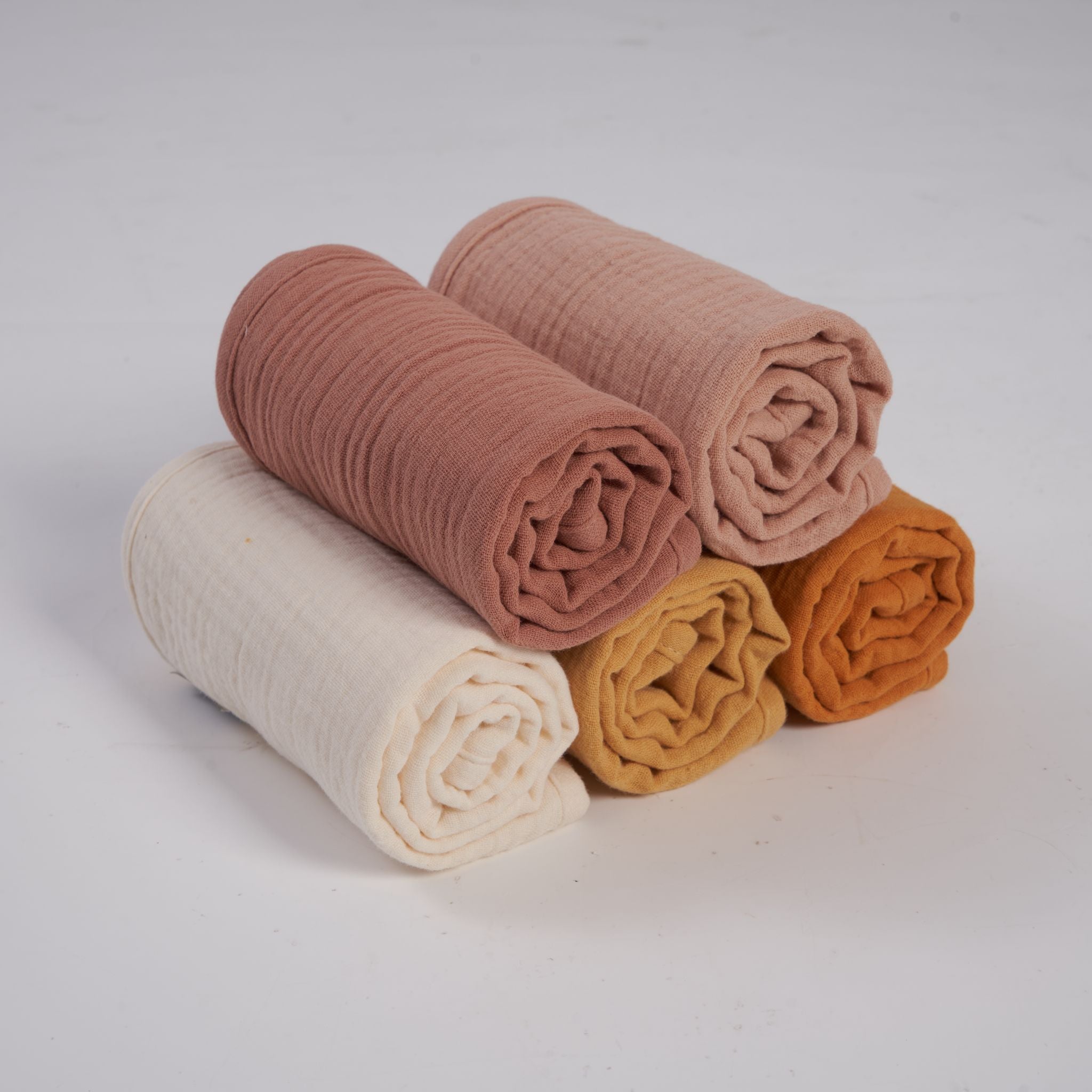
- Wraps and swaddles used in the early weeks
- Baby blankets used during awake time
These are the items that get the most skin contact, the most washing, and the most daily use. Starting here gives you the most benefit for your investment.
What to Look for When Shopping for Organic Baby Clothing
A few things worth checking before you buy.
- Look for GOTS or OEKO-TEX certification on the product or brand page
- Choose soft, breathable fabrics like organic cotton or bamboo
- Opt for minimal or low-impact dyes, especially for newborn items
- Prioritise simple, comfortable designs with no rough seams or scratchy trims
- Check that sizing is generous enough to allow for layering without restriction
Comfort and practicality always come first. A beautiful organic piece that is difficult to get on and off in a hurry is not going to serve you well at 3am.
Building a Practical Organic First Wardrobe
You do not need to overhaul everything at once. A practical approach is to focus on the basics your baby will actually wear repeatedly: a handful of well-made bodysuits, a few comfortable layers for the current season, and one or two versatile wraps or blankets.
Babies grow fast, especially in the first six months. Buying fewer, better-quality organic pieces means less waste and often a lower overall cost than buying large quantities of cheaper items that wear out quickly or are outgrown before they have been properly used.
If you are building from scratch, our bamboo fabric guide is a useful companion read alongside this one. It covers the specific properties of bamboo and how it compares to other natural fibres for baby clothing.
Small, thoughtful choices add up. For babies spending most of their early weeks wrapped in fabric, choosing organic is one of the most practical things you can do for their everyday comfort.