
The Solids Edit
Award winning practical mum and baby essentials
The Solids Edit is your go-to collection for starting solids with less mess and more confidence. Everything here is chosen to make feeding time easier, from the very first bites through to independent eating.
Built for the Messy Reality of Feeding Time
Starting solids is exciting. It is also chaotic. Purée on the walls. Food on the floor. That phase where every meal is a guessing game. The right gear makes a real difference.
These products are practical, easy to clean, and gentle enough for little ones just learning to eat.
What You Will Find in This Edit
- Silicone baby feeding sets with suction bases that actually grip the table
- Matching bowls, plates, and cutlery in muted, nature-inspired colours
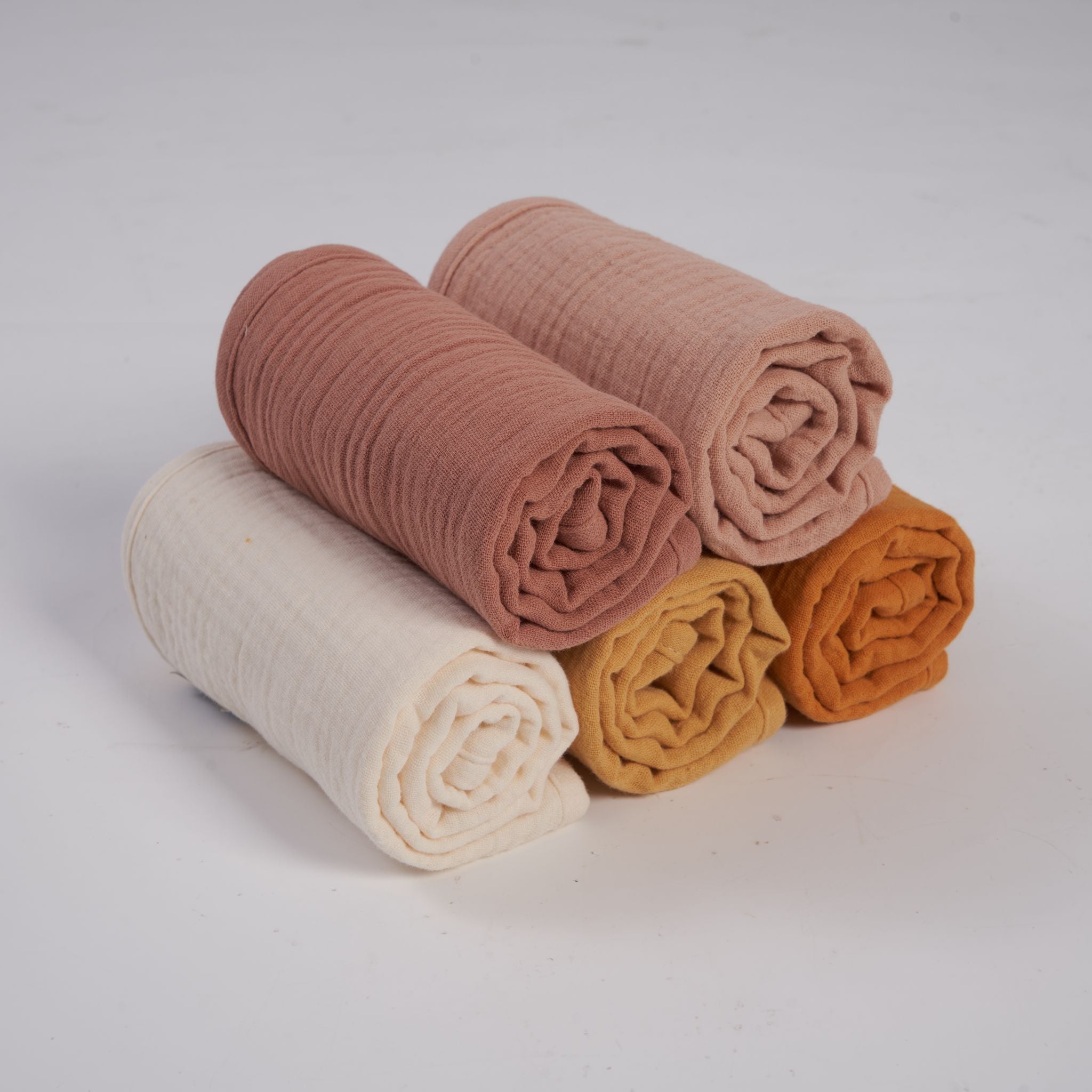
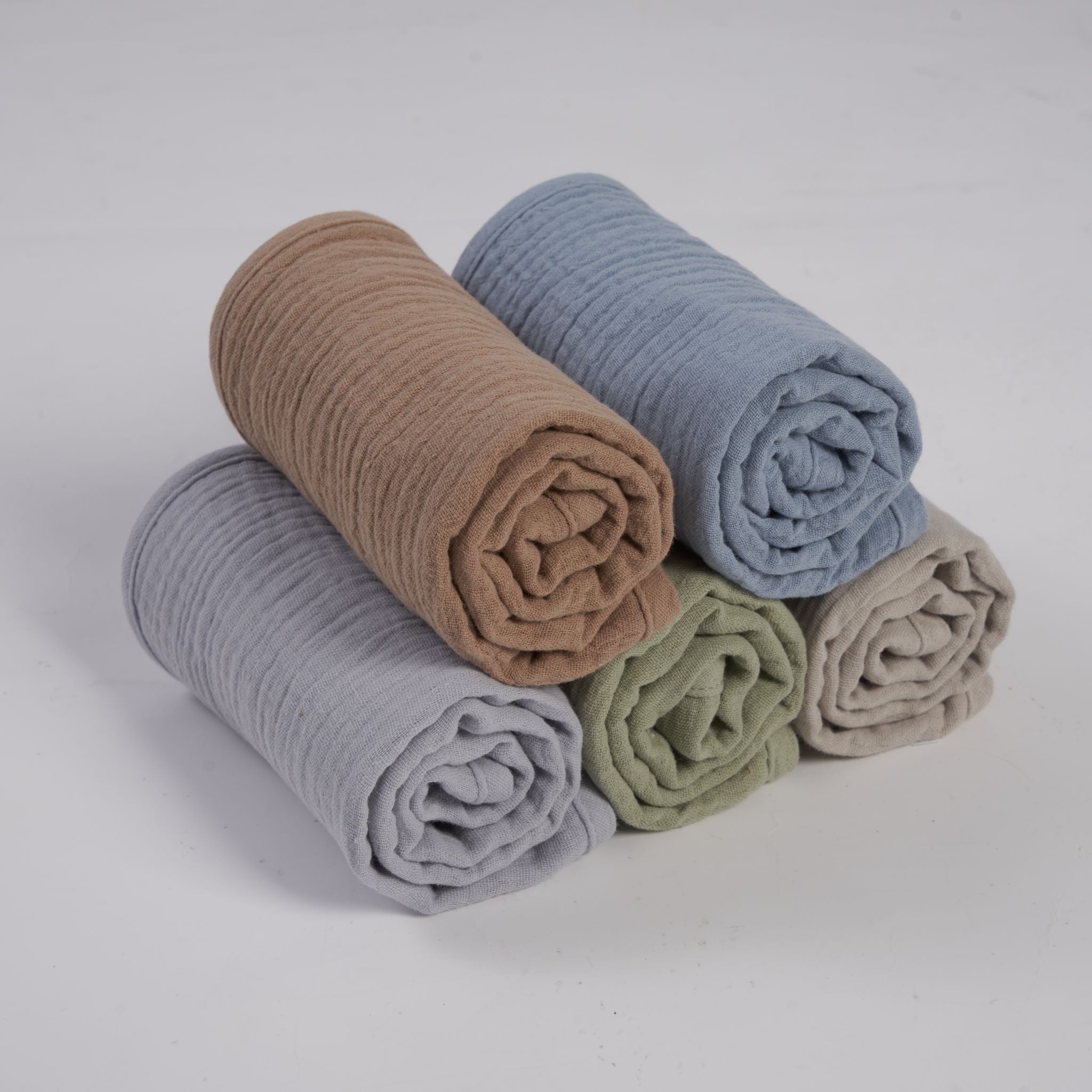
- Organic muslin burp cloths in generous five-packs, soft enough for newborns and absorbent enough for solids
- Tones that coordinate beautifully, including Dusty Dunes, Golden Harvest, and Lavender Blush
Why Organic Muslin Works So Hard
Muslin gets softer with every wash. It is breathable, quick-drying, and gentle on sensitive skin. The burp cloths in this edit come in five-packs so you always have a clean one close by. Because you will need more than one. Trust that.
Silicone Feeding Sets Worth Having
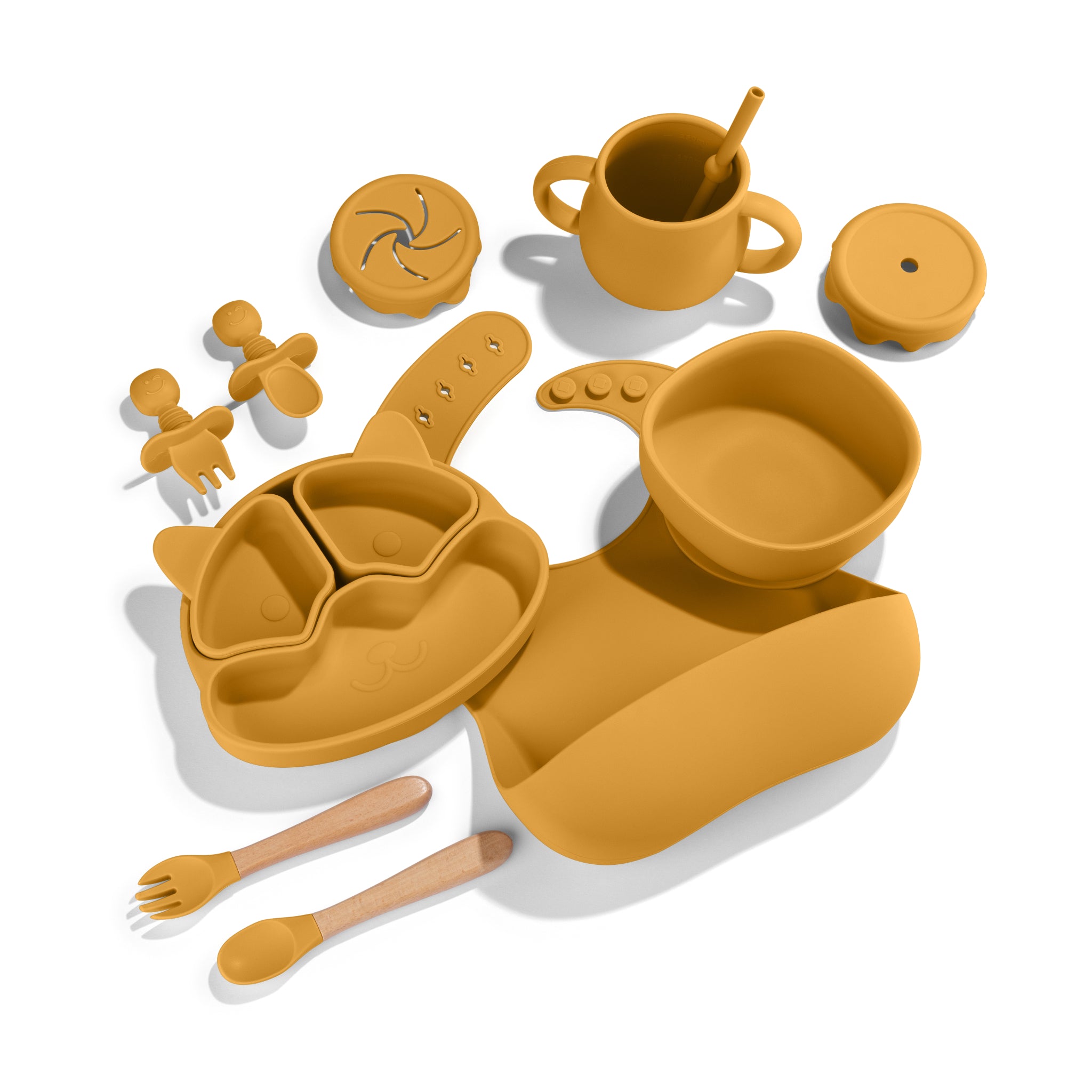
The 11-piece silicone feeding bundles include everything for a full place setting. Available in Chino and Kokoda, both work with earthy, neutral nursery palettes. Silicone is easy to sterilise, dishwasher safe, and free from sharp edges.
- Suction plate and bowl to reduce tipping and spills
- Soft-tip spoons suited to new eaters
- A bib that catches what little hands push off the plate
- Pieces that stack neatly and travel well
Colours That Actually Go Together
Every product in The Solids Edit is selected with a cohesive palette in mind. Warm neutrals, dusty tones, and soft naturals. Mix and match without clashing. Simple as that.
Free AU shipping on orders over $100.
Starting solids? See our guide to silicone baby feeding sets.
Silicone Baby Mealtime Feeding Sets
Make mealtime easier and safer


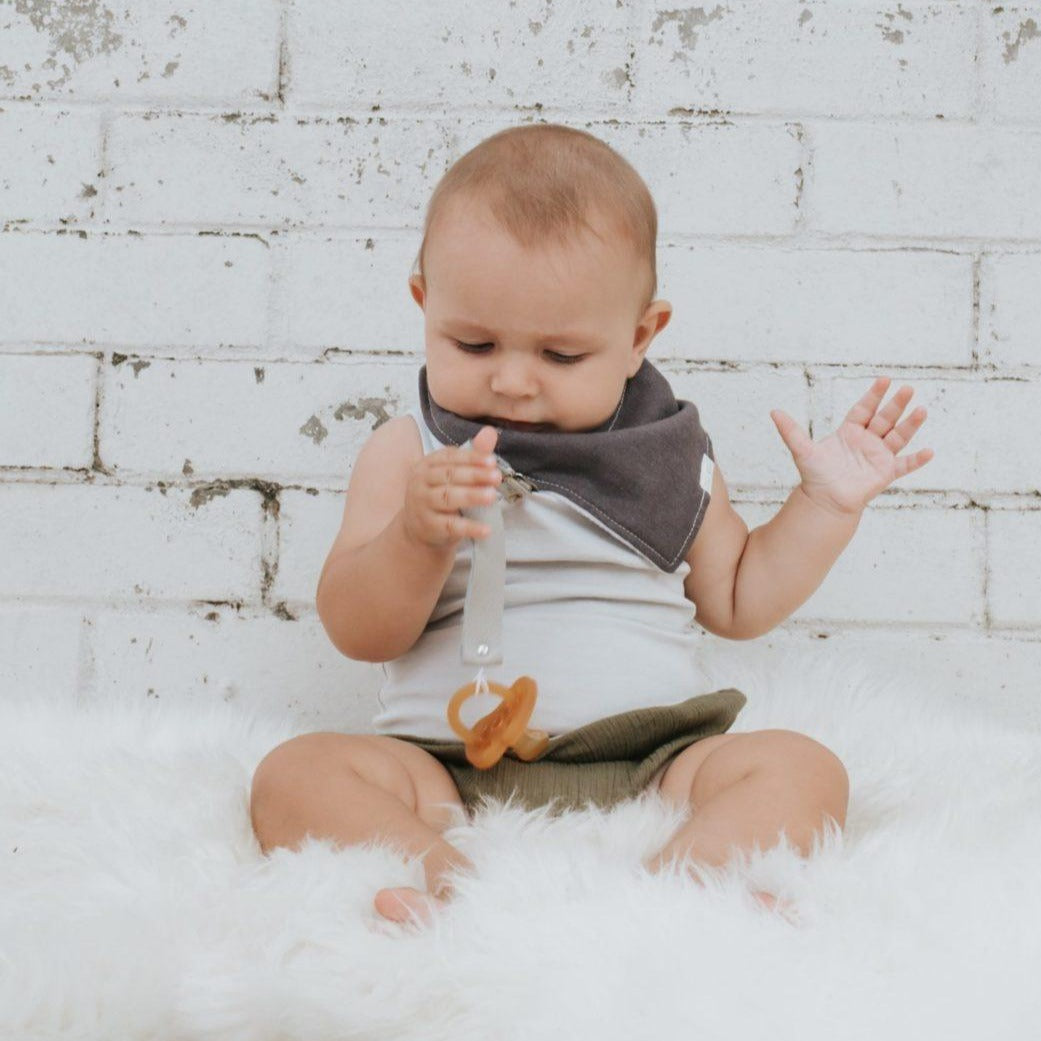
Linen Bandana Dribble Bibs
Stylish & Absorbent Drool Protection





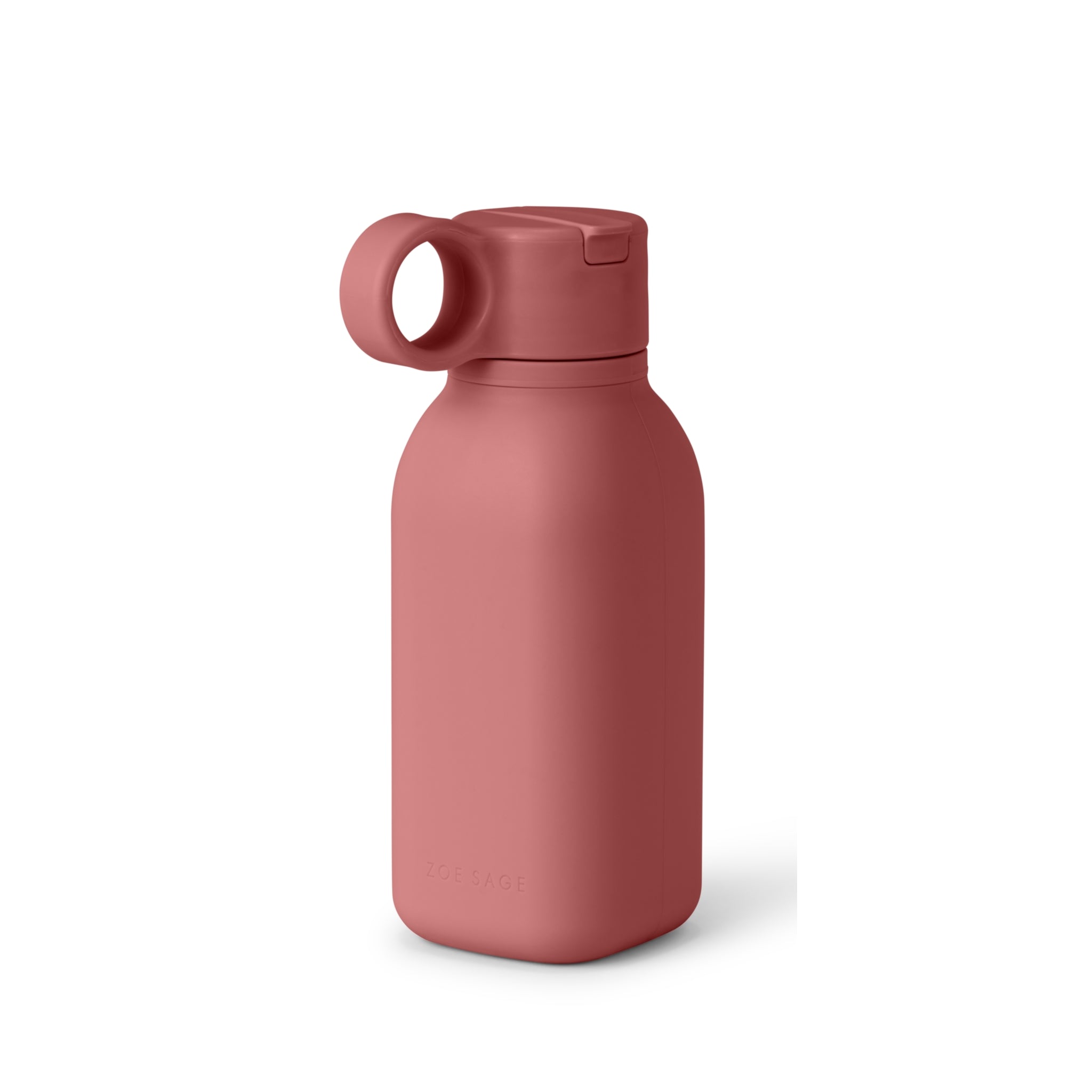
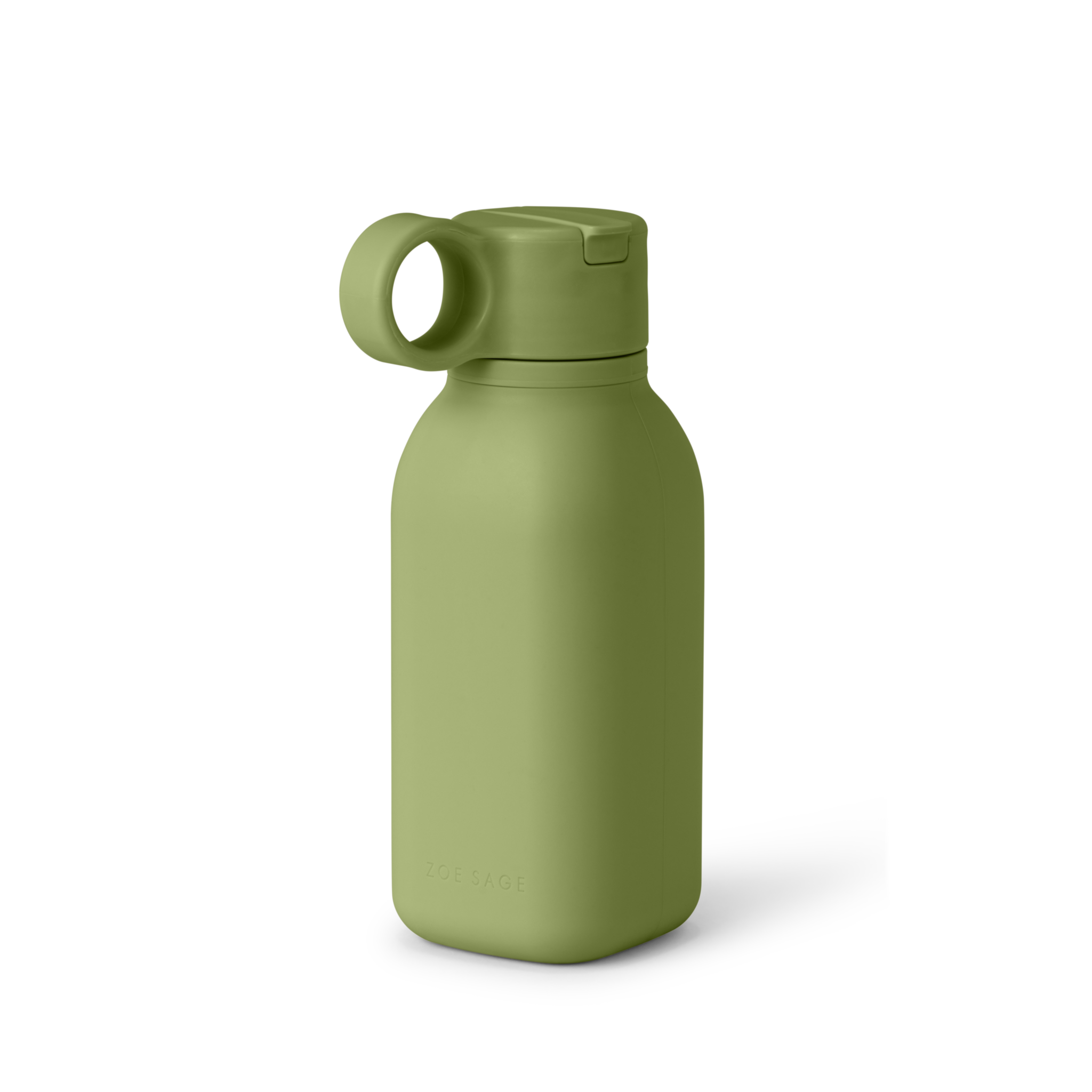
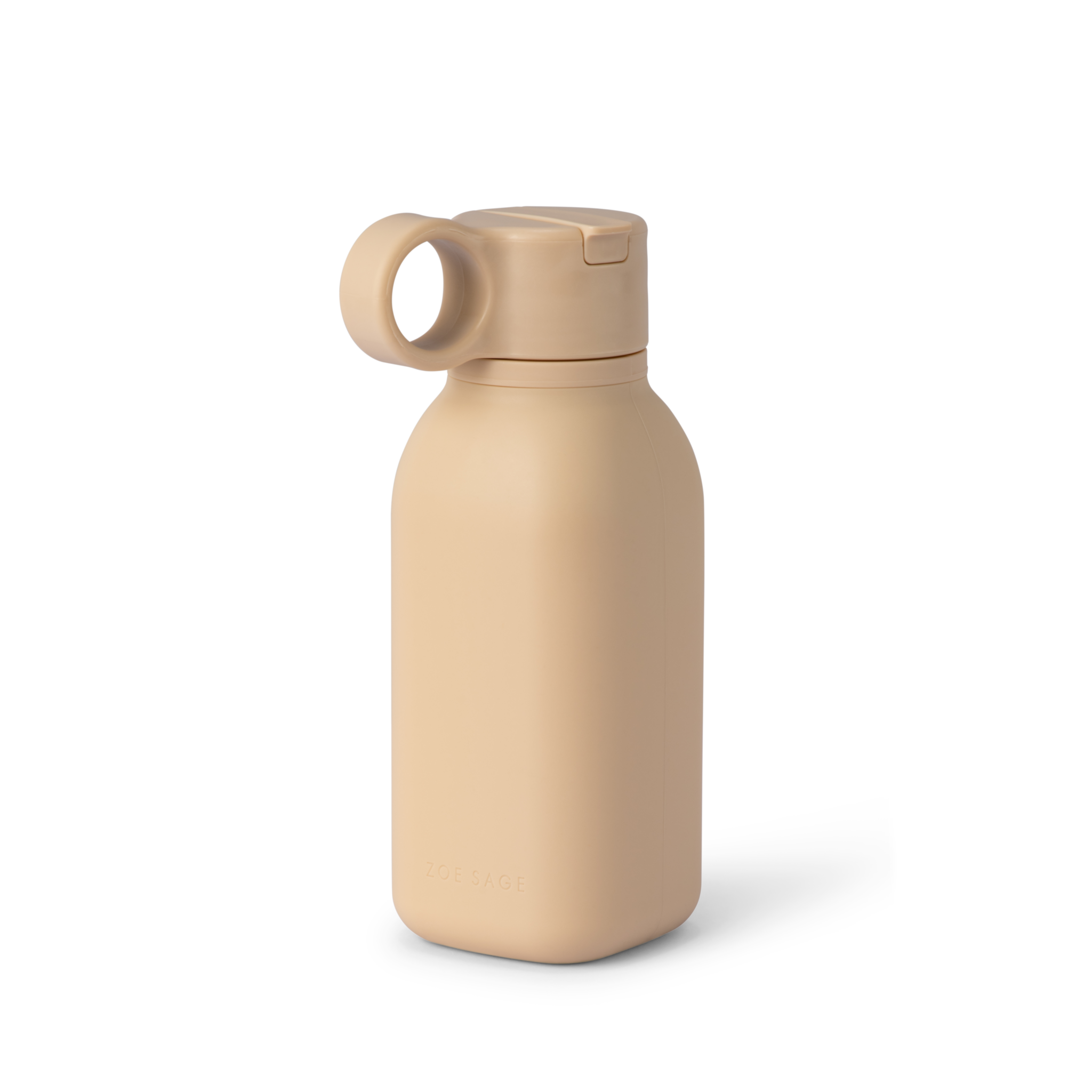
Silicone Drinking Water Bottles
Easy to clean and maintain


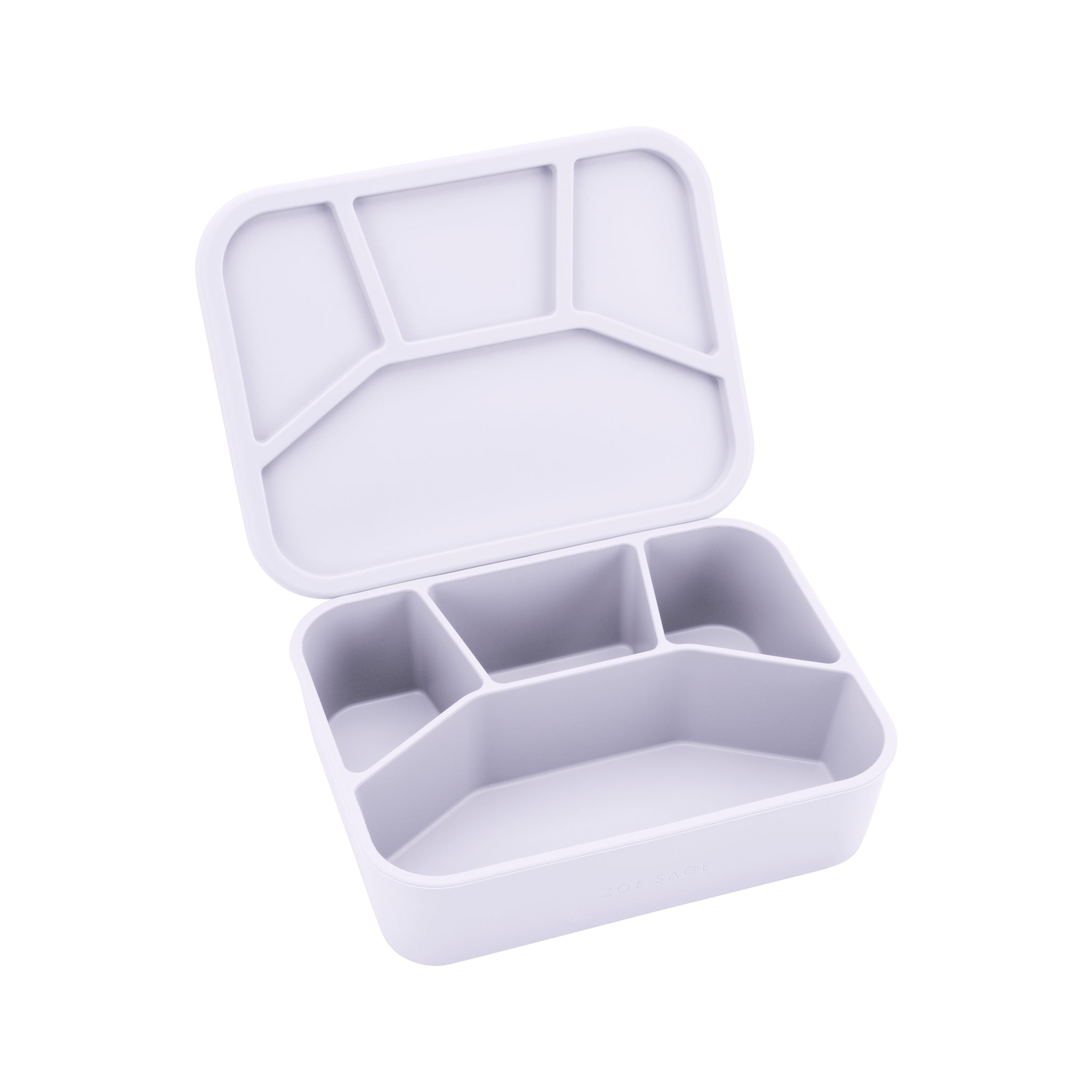
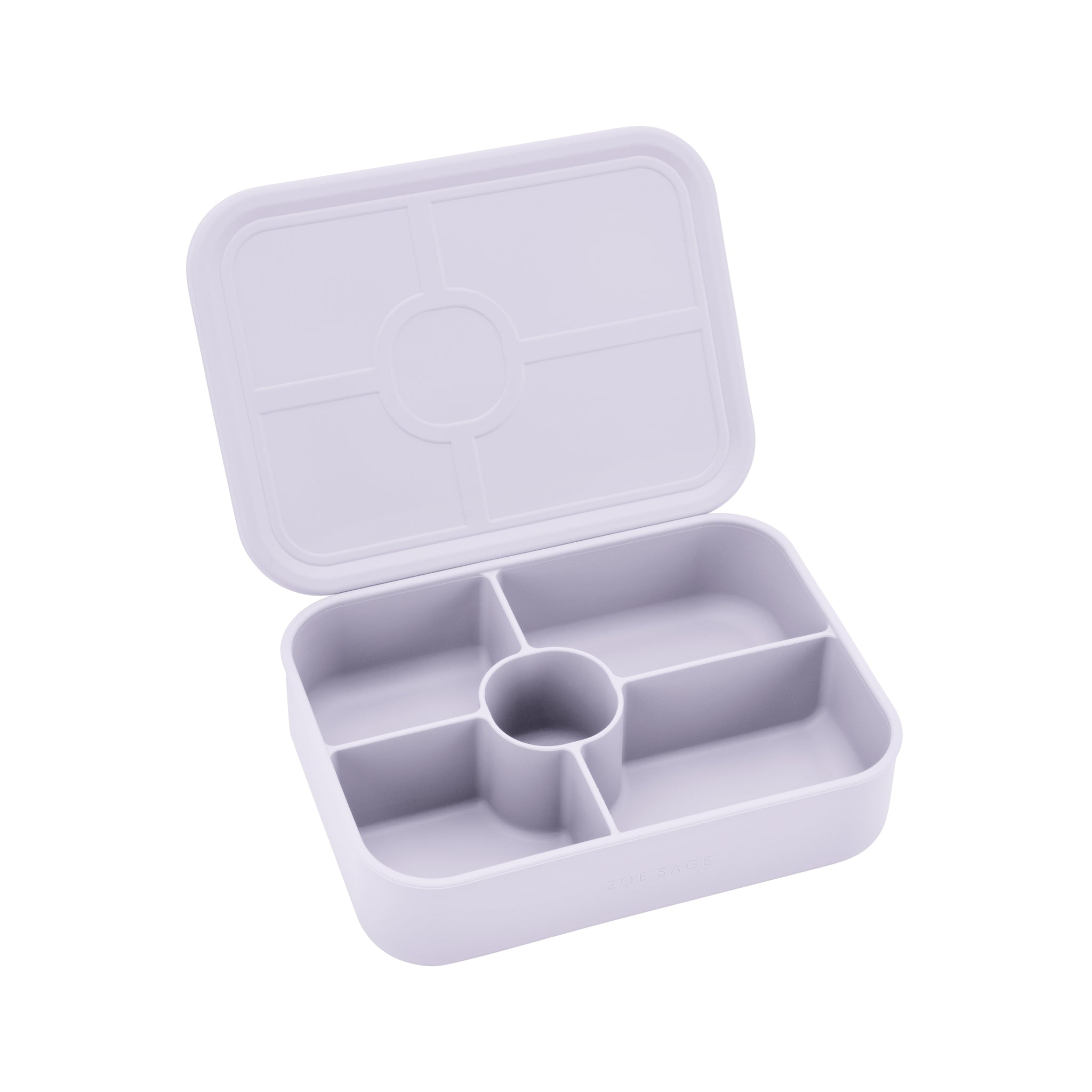
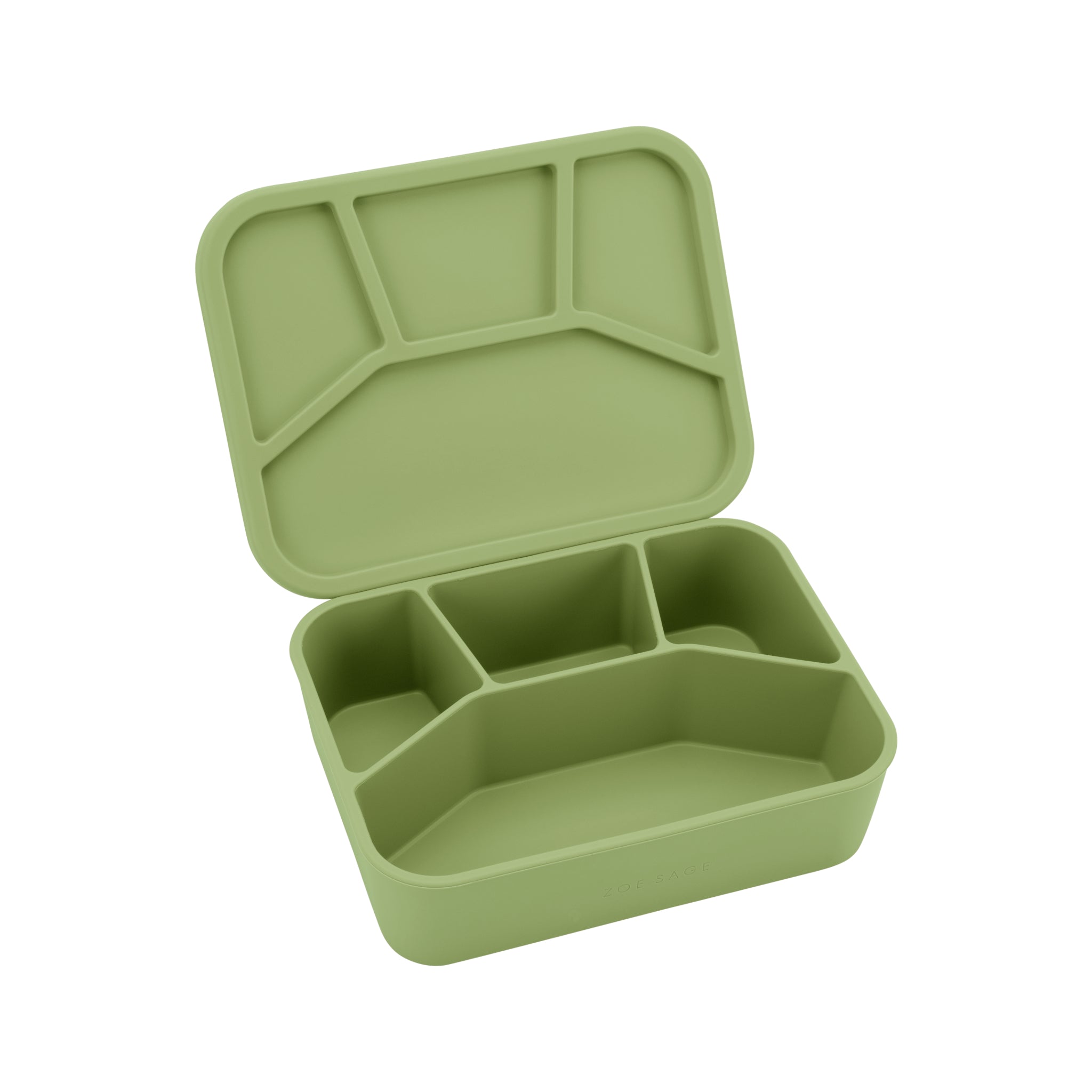
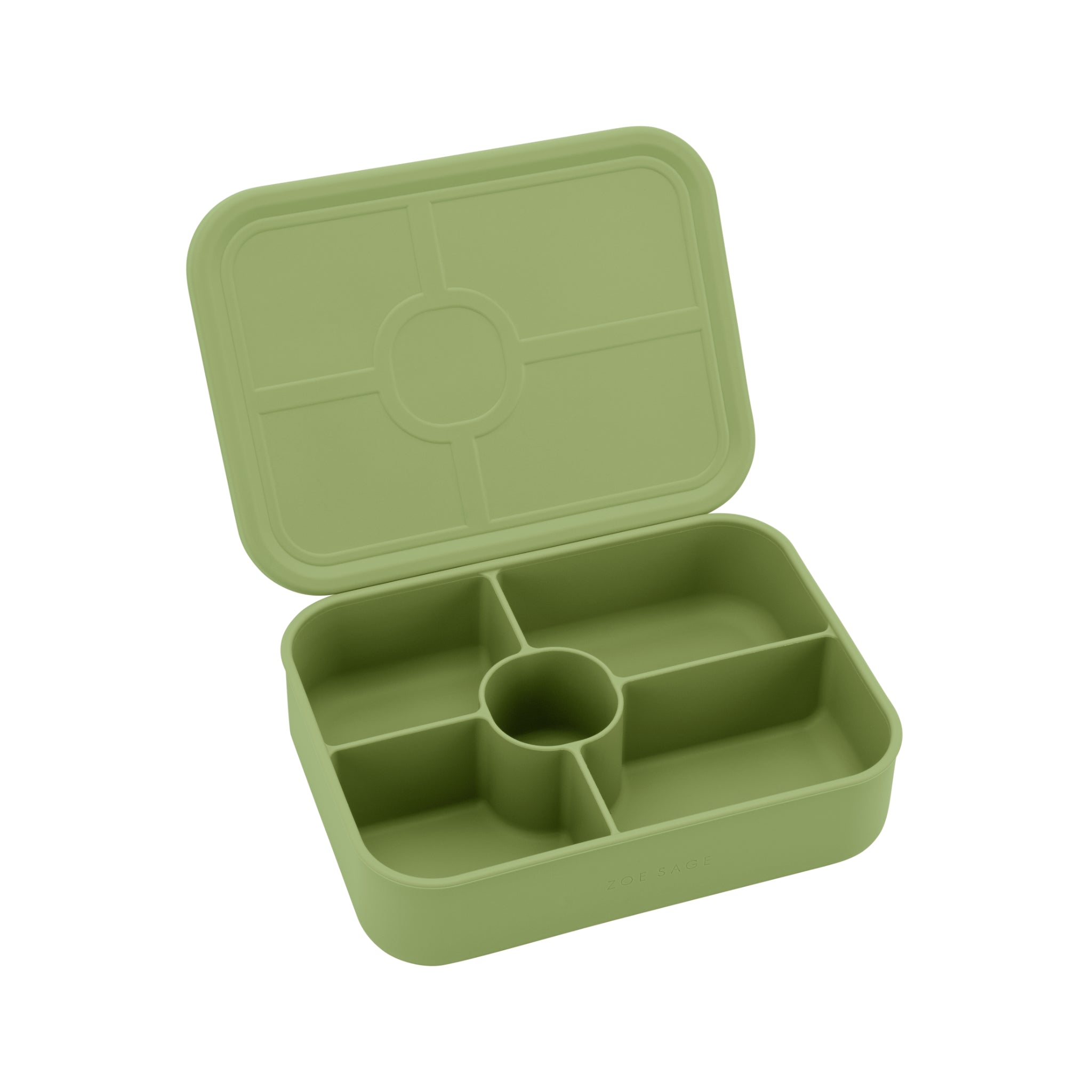
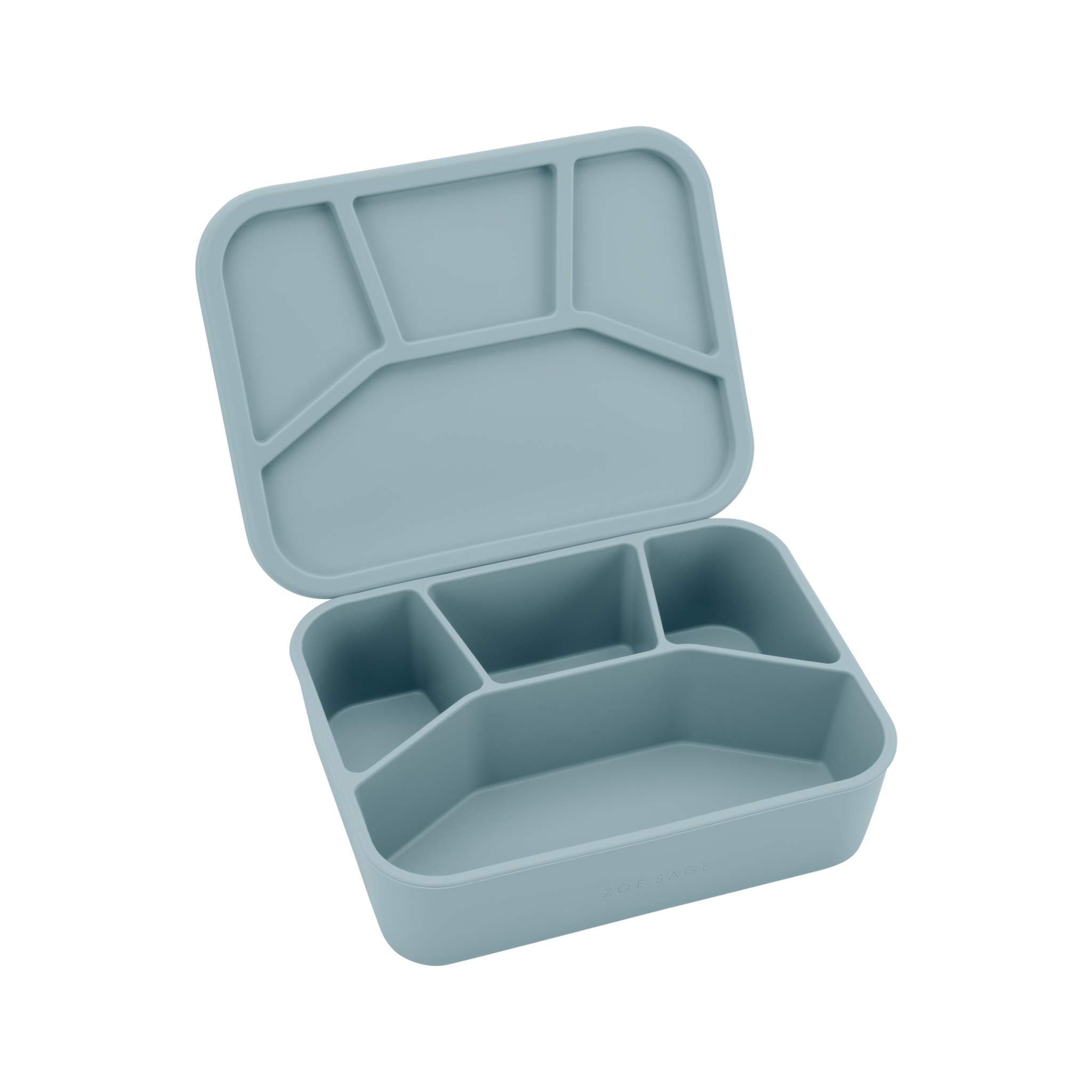
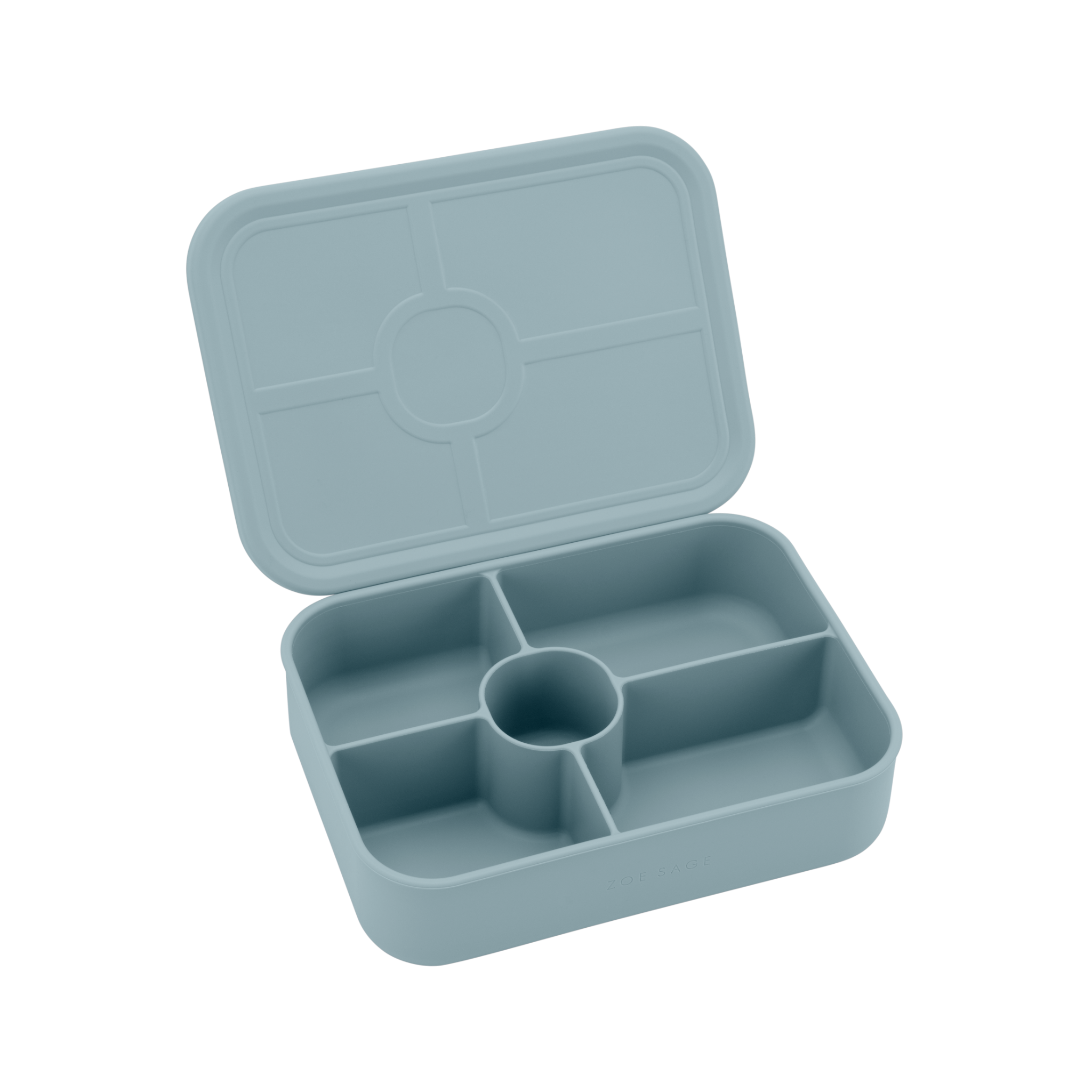
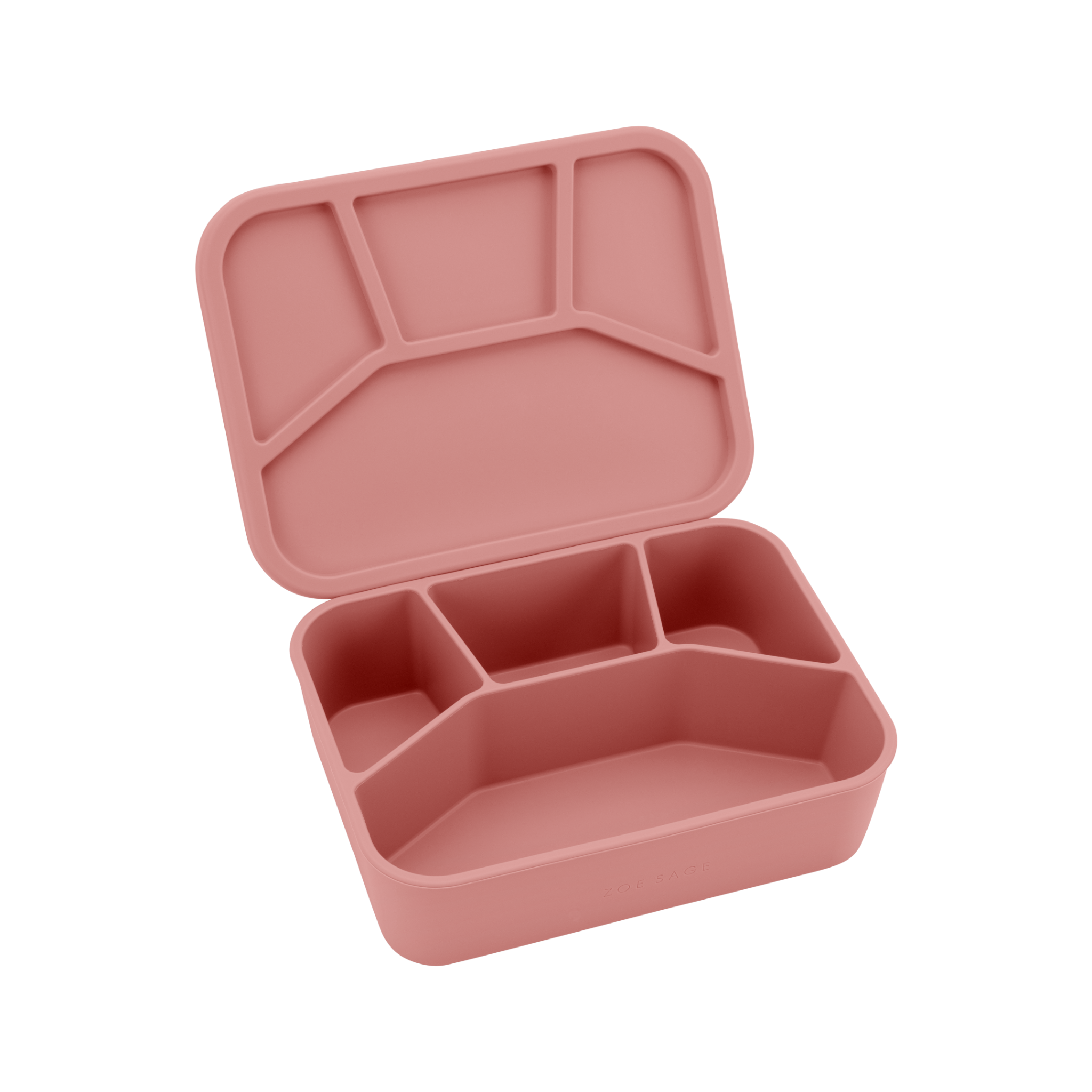
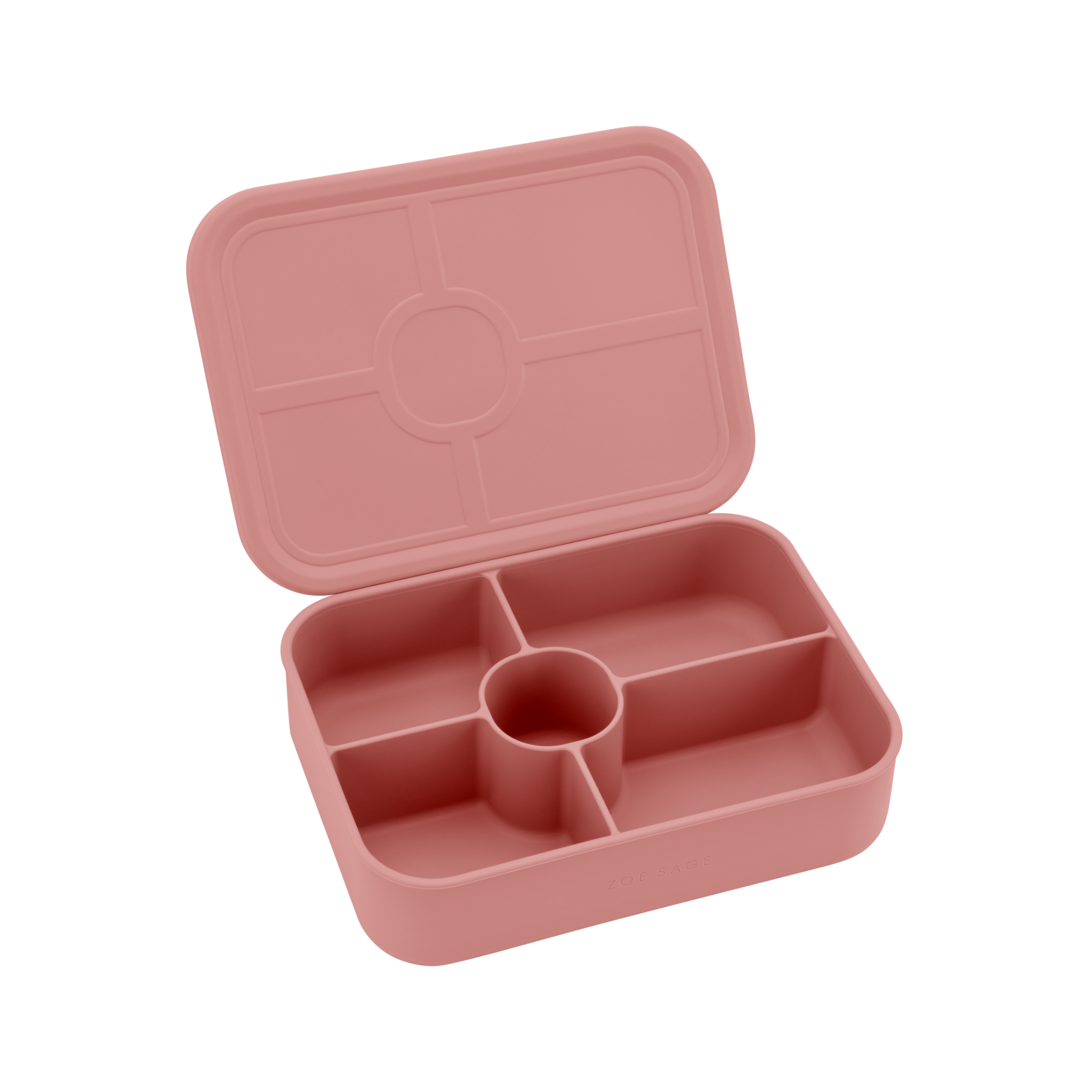
Bento Lunch Boxes
The ultimate leak-proof, drop-proof, and kid-friendly silicone bento lunch box for perfectly portioned, mess-free meals on the go!

Starting Solids — Common Questions Answered
When should I start my baby on solids?
What's the difference between baby-led weaning and purees?
What equipment do I actually need when starting solids?
How do I handle the mess of starting solids?
When can babies start drinking water?
What foods should I introduce first?
How do I manage solids when we're out and about?
More to Love
You May Also Need


Popular Edits