
Choosing the right sleeping bag for a New Zealand summer can feel surprisingly tricky. Too warm and your baby wakes uncomfortable and sweaty; too light and you're second-guessing yourself every time a sea breeze rolls in. At Zoe Sage, we work hard to take that guesswork out of the equation, offering premium organic essentials for babies and toddlers that are built around real family life. And one of the most common questions we hear from NZ parents is: "Do I actually need a 0.5 TOG, and how do I choose the right one?" This guide is for you.
What Is a TOG Rating and Why Does It Matter for NZ Summers?
TOG stands for Thermal Overall Grade, and it's simply a measure of how much warmth a sleeping bag provides. The higher the number, the warmer the bag. A 0.5 TOG is the lightest rating available and is designed for warm rooms and hot summer nights.
In New Zealand, summer temperatures, particularly in regions like Auckland, Northland, Hawke's Bay, and Nelson, can see overnight lows sitting between 18°C and 24°C for weeks at a time. At those temperatures, heavier sleeping bags are simply too much. Safe sleep guidelines recommend keeping a baby's sleep environment between 16°C and 20°C where possible, and a 0.5 TOG bag gives you the flexibility to dress your baby appropriately without overheating being a concern. For more detail on safe sleep environments, the Red Nose Australia safe sleeping guidelines are an excellent starting point, and much of their advice aligns with guidance followed across New Zealand.
The key is pairing TOG rating with room temperature and what your baby is wearing underneath. A 0.5 TOG bag works best when your little one is wearing a short-sleeved bodysuit or just a nappy in very warm conditions. Refer to the Raising Children Network's guide to baby sleeping bags for a reliable temperature-to-clothing chart you can bookmark.
How to Choose the Right 0.5 TOG Sleeping Bag: What to Look For
Not all 0.5 TOG sleeping bags are created equal. Here are the buying criteria that matter most.
Fabric Type
Fabric is the single biggest factor in how comfortable your baby sleeps on a warm night. Look for natural fibres that are breathable and moisture-wicking.
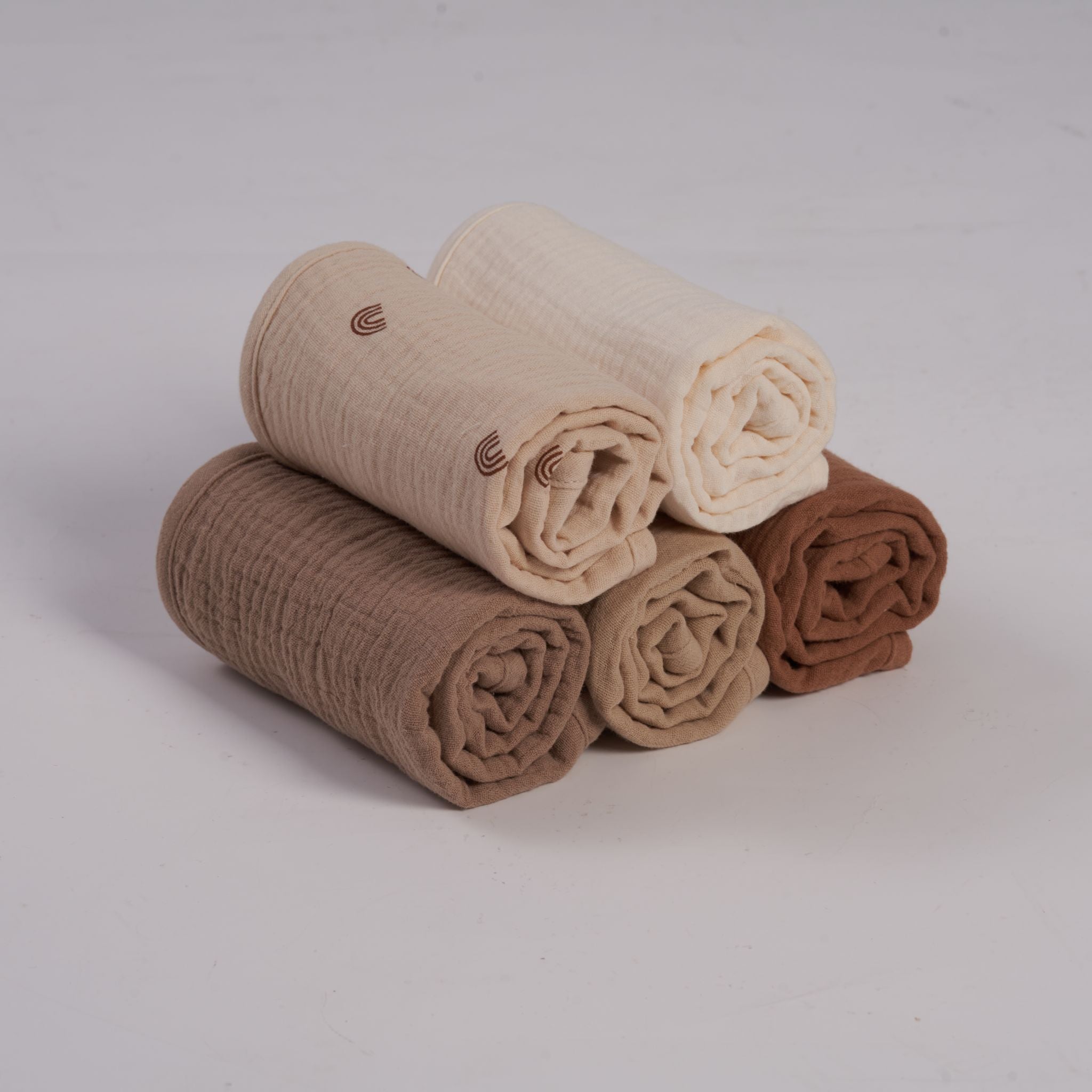
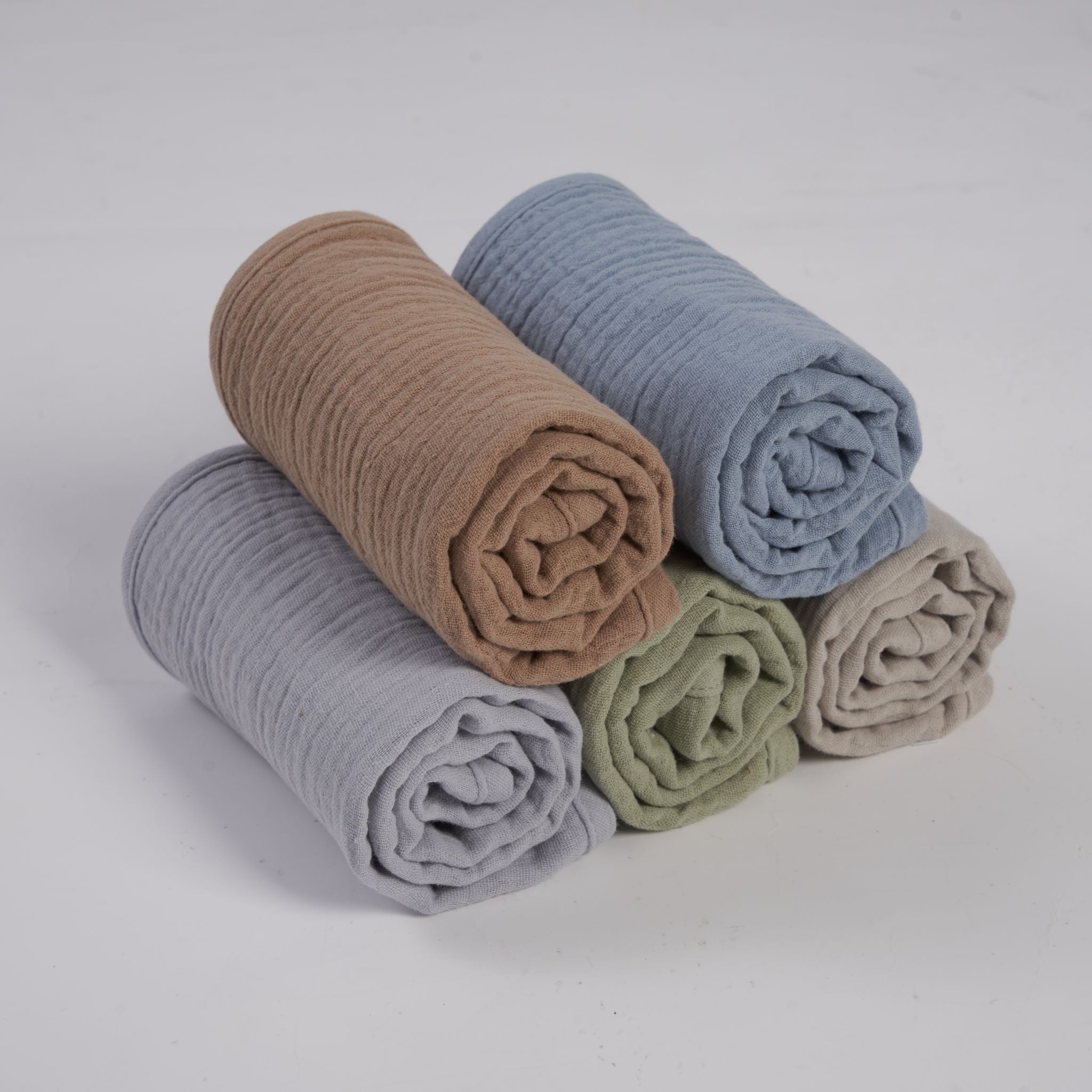
- Organic cotton muslin: A classic for a reason. Muslin is woven loosely, which means air circulates freely around your baby's body. It softens beautifully with every wash and is gentle on sensitive newborn skin. An Organic Cotton Muslin Swaddle Wrap uses this same weave and gives you a sense of just how lightweight and breathable quality muslin fabric feels.
- Bamboo: Bamboo fabric is silky soft and excellent at wicking moisture away from the skin, which makes it a great choice for babies who run warm or sweat overnight. It drapes gently and feels lovely against skin.
- Cotton jersey: Stretchy and soft, cotton jersey sleeping bags fit snugly around the body, which some babies find comforting. Look for GOTS-certified organic cotton where possible to avoid unnecessary chemical finishes.
Avoid synthetic fabrics like polyester for warm-weather sleep. They trap heat and don't allow skin to breathe, which works against the purpose of a 0.5 TOG rating entirely.
Sizing
Sleeping bags that are too large are a safety hazard. Your baby's head should never be able to slip inside the bag. Always follow the manufacturer's weight and age guide rather than guessing by height alone, as babies vary enormously. Most 0.5 TOG bags come in ranges such as 0,6 months, 6,18 months, and 18,36 months. A well-fitted sleeping bag allows free movement of the legs and hips, which is important for healthy hip development.
Zip Style and Ease of Use
Night feeds and nappy changes happen in the dark, half-asleep. A two-way zip (one that opens from the bottom as well as the top) is worth its weight in gold for middle-of-the-night changes. Look for zip covers or guards at the top of the zip to prevent it rubbing against your baby's chin or neck.
Safety Features
Check for a fitted neck and armhole openings that are snug enough to prevent your baby from slipping inside the bag. Sleeping bags should always be used without additional loose blankets in the cot, as recommended by safe sleep guidelines.
Ease of Care
Babies are messy. Choose a sleeping bag that's machine washable and holds its shape after repeated washing. Pre-washed fabrics are a bonus because what you see on the product page is what you get after that first wash at home.
Comparing Warmth Ratings: When to Use 0.5 TOG vs Higher
Understanding where 0.5 TOG fits in the full spectrum helps you build a sleep wardrobe that covers the whole year, not just summer.
| Room Temperature | Recommended TOG | Suggested Clothing Underneath |
|---|---|---|
| Above 24°C | 0.5 TOG | Nappy only or short-sleeved bodysuit |
| 21°C , 23°C | 0.5,1.0 TOG | Short-sleeved bodysuit |
| 18°C , 20°C | 1.0,1.5 TOG | Long-sleeved bodysuit or light growsuit |
| 16°C , 17°C | 2.5 TOG | Long-sleeved bodysuit and growsuit |
| Below 16°C | 3.5 TOG | Warm growsuit and additional layer |
If you're in a warmer part of New Zealand and find that the transition between seasons is gradual, a 0.5 TOG bag paired with a Bamboo Zip Growsuit Romper underneath gives you a flexible combination you can adjust as night temperatures drop in autumn.
For parents also thinking ahead to cooler NZ nights, our complete guide to 1.5 TOG sleeping bags for New Zealand parents walks through everything you need to know for the cooler months, from fabric comparisons to layering advice.
Swaddles vs Sleeping Bags: Which Is Right for Your Baby?
For very young babies (typically under 8 weeks, or until they show signs of rolling), a lightweight swaddle can work beautifully in summer heat. The Organic Cotton Muslin Swaddle Wrap and the Stretchy Baby Swaddle Wrap are both designed to be breathable and cool while still offering that snug, secure feeling newborns love.
Once your baby starts showing signs of rolling, it's time to transition to a sleeping bag with free arms, as a swaddled baby who rolls cannot push themselves up safely. A 0.5 TOG sleeping bag with open armholes becomes the go-to from that point forward through the warm months.
The Merino Wool Newborn Cocoon Baby Wrap sits in its own category: it's a temperature-regulating option for cooler nights, as merino naturally adjusts to body temperature. But for hot New Zealand summers, cotton muslin or bamboo in a 0.5 TOG rating is the smarter choice.
Organising for On-the-Go Sleep: Naps Away From Home
Summer in New Zealand means outdoor living. Beach trips, markets, visits to family across town, long walks along the waterfront. Babies don't stop needing naps just because you're out of the house, and a well-organised pram setup makes on-the-go rest so much easier.
Keeping a lightweight sleeping bag, a spare Linen Bandana Dribble Bib, sunscreen, snacks, and a water bottle all within reach while you're pushing the pram is a challenge without the right storage. That's where a good stroller organiser earns its place.
Our pram caddy and stroller organiser range is designed for exactly this kind of day out. The Pram Bag Caddy Organiser clips securely to most pram handlebar styles and keeps everything sorted without adding bulk. It's available in four colours: Just Peachy, Gridlock Grey, Zebra Crossing, and Green Envy, so there's something to suit every style.
If you're still weighing up which organiser style suits your pram and lifestyle, our detailed breakdown of how to choose the best pram organiser for your needs covers handlebar fit, capacity, and what features are actually worth paying for.
For NZ shoppers, all Zoe Sage orders are shipped from our Australian warehouse and tracked the whole way. Free shipping applies on orders over $150 NZD, making it easy to stock up on a couple of sleep essentials alongside your pram organiser in a single order.
Frequently Asked Questions
Is a 0.5 TOG sleeping bag safe for newborns?
Yes, provided the bag is the correct size for your baby's weight and the neck and armhole openings fit snugly. A 0.5 TOG bag designed for newborns will have smaller, more fitted openings to prevent any risk of slipping inside. Always follow the manufacturer's weight guide and remove all loose blankets from the sleep space when using a sleeping bag.
What should my baby wear under a 0.5 TOG sleeping bag in summer?
In very warm conditions (above 24°C), a nappy alone or a short-sleeved cotton bodysuit is usually enough. If the room sits between 22°C and 24°C, a short-sleeved bodysuit gives a little extra warmth without overheating. The goal is to keep your baby's tummy and back warm without their skin feeling hot or sweaty to the touch.
How many sleeping bags do I actually need?
Most families find two in the same TOG rating practical, so you always have one clean while the other is in the wash. If you live somewhere with distinct seasons (say, Wellington or Dunedin), you'll want at least one warmer bag for winter as well. A 0.5 TOG for summer and a 2.5 TOG for winter covers most New Zealand households comfortably.
Can I use a 0.5 TOG sleeping bag for pram naps?
A sleeping bag can be used in a pram with a lie-flat bassinet attachment, but always ensure the harness can still be fastened correctly over the bag and that there's no excess fabric near your baby's face. For seated pram positions, a lightweight Cotton Classic Knit Baby Blanket tucked in over the lap is generally a safer and more practical choice for on-the-go naps.
How do I know if my baby is too hot in their sleeping bag overnight?
Check the back of your baby's neck or their tummy, not their hands or feet, which are naturally cooler. If the skin feels hot and sweaty, your baby needs fewer layers or a cooler room. A comfortable baby should feel warm but not hot, and have a relaxed expression during sleep. If you're unsure about room temperature monitoring, a simple nursery thermometer is one of the most useful tools in a baby's room.
Ready to sort out your summer sleep kit? Browse the Pram Bag Caddy Organiser colours and explore everything else in our guide to buying the best pram caddy online, with free NZ shipping over $150 NZD and tracking from warehouse to door.