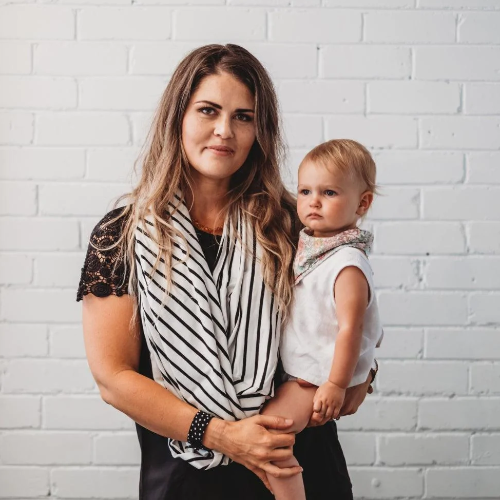
If you're a New Zealand parent trying to figure out whether a 1.5 tog sleeping bag is the right choice for your baby, you're not alone. Tog ratings can feel unnecessarily confusing, especially when you're already navigating a million other decisions in those early months. At Zoe Sage, we're an Australian brand that ships premium organic baby essentials directly to New Zealand, with tracked delivery from our Australian warehouse and free NZ shipping on orders over $150 NZD. We might not be based on your doorstep, but we genuinely care about helping you make informed, confident choices for your little one.
This guide covers everything you need to know about 1.5 tog sleeping bags, including what the rating actually means, how it suits New Zealand's varied climate, what to look for when buying, and how to compare your options. Think of it as the resource you wish existed when you were scrolling at 2am.
What Does 1.5 Tog Actually Mean?
Tog is a unit of thermal resistance, essentially a measure of how much warmth a fabric or product provides. The higher the tog, the warmer the sleeping bag. A 1.5 tog sits right in the middle of the typical range (which generally runs from 0.5 tog for summer through to 3.5 tog for cold winters), making it one of the most versatile ratings available.
For context:
- 0.5 tog , suitable for warm summer nights, roughly 24°C and above
- 1.0 tog , a lighter all-rounder for mild temperatures, around 20,24°C
- 1.5 tog , ideal for year-round use in many climates, around 16,20°C
- 2.5 tog , for cooler nights, roughly 12,16°C
- 3.5 tog , for genuinely cold conditions below 12°C
The 1.5 tog is popular with parents precisely because it sits at a useful crossover point. It provides enough warmth for cool spring and autumn nights without overheating a baby on a mild evening.
Is 1.5 Tog Right for New Zealand's Climate?
New Zealand's climate varies enormously depending on where you live. Auckland's humid, subtropical winters are very different from the frosty nights in Christchurch or the wind-exposed conditions in Wellington. This is one of the reasons a mid-range tog like 1.5 is so practical for many NZ families.
North Island considerations
In the North Island, particularly around Auckland, Tauranga, and Northland, temperatures rarely drop below 10°C in winter and often stay mild overnight. A 1.5 tog sleeping bag paired with a light long-sleeved bodysuit or pyjamas will typically keep a baby comfortable throughout autumn and spring, and even into the cooler winter months when indoor heating keeps bedrooms around 18,20°C.
South Island and cooler regions
In Christchurch, Dunedin, Queenstown, and other South Island locations, winter nights are noticeably colder. A 1.5 tog may still work well if your baby's bedroom is consistently heated to 18,20°C, but you may find a 2.5 tog more appropriate during the coldest months. Many South Island parents keep a 1.5 tog for the shoulder seasons and step up to a heavier option mid-winter.
The golden rule: dress for the room, not the season
The most reliable approach is to set your thermostat and dress your baby accordingly, rather than relying on the season alone. Safe Sleep guidelines recommend keeping baby's room between 16°C and 20°C. Red Nose Australia's safe sleep guidance on what baby should wear provides a helpful temperature-to-tog chart that takes the guesswork out of layering. You can also find practical room temperature advice from Raising Children Network's sleep and settling resources.
Key Buying Criteria: What to Look for in a 1.5 Tog Sleeping Bag
Not all sleeping bags are created equal. Here are the factors that genuinely matter when you're comparing options.
Fabric and fill
The outer fabric and inner fill both affect comfort and breathability. Bamboo is a popular choice because it is soft, moisture-wicking, and breathable, which helps regulate temperature naturally. Merino wool is another excellent option for its temperature-regulating properties, though it tends to come at a higher price point. Cotton is widely available and easy to care for, making it a practical everyday choice. Whatever you choose, look for OEKO-TEX certification or similar third-party testing to confirm the fabric is free from harmful substances.
At Zoe Sage, the Bamboo Baby Sleeping Bag 0-18 Months 1.0 TOG gives you a sense of the quality and construction to look for, and it's worth comparing tog options across the same range to find the fit for your season.
Safety certification
In Australia and New Zealand, baby sleeping bags should comply with AS/NZS 8400:2014, the joint standard for infant sleeping bags. Look for this certification on the product packaging or listing. It confirms the bag has been tested for safety features including zip guards, neck and arm openings, and filling security. This is non-negotiable.
Sizing
Sizing is critical for safety. A sleeping bag that is too large can allow a baby to slip down inside, which is a suffocation risk. Most manufacturers size by age and weight, but weight is the more reliable guide because babies grow at different rates. Common sizes are:
- 0,6 months , suitable for babies from around 3.5 kg to 7 kg
- 6,18 months , for babies roughly 7 kg to 12 kg
- 18 months,3 years , for toddlers from around 12 kg
Always check the manufacturer's weight guide, not just the age range, and ensure the neck opening is snug enough that your baby cannot slip through.
Zip style and ease of use
A two-way zip (that opens from the bottom as well as the top) is worth its weight in gold for nappy changes at 3am. Look for a zip guard at the top to protect delicate skin, and test the zipper action if you can , stiff zippers become very frustrating when you are half asleep and trying not to wake a finally-settled baby.
Washability
Babies are messy. A sleeping bag that can handle regular machine washing at 40°C without losing its shape or tog rating is a genuine practical consideration. Check care labels and read reviews specifically about how the product holds up after repeated washing.
Value and price range in NZD
In the NZ market, quality 1.5 tog sleeping bags typically range from around $60 NZD for basic cotton options through to $150 NZD or more for premium bamboo or merino choices. Consider how many seasons you will get from the bag, whether it converts to other uses, and whether the brand offers free shipping. Orders from Zoe Sage over $150 NZD qualify for free tracked shipping from our Australian warehouse, which makes purchasing a couple of essentials together genuinely cost-effective.
If you are still weighing up which sleeping bag style suits your family's routine, this guide on six essential items for your pram bag is a great read alongside your sleeping bag research , because once you have a sleeping bag sorted, the next question is always how to carry it all efficiently.
Top Tips for Using a 1.5 Tog Sleeping Bag Safely
- No loose bedding. Once your baby is in a sleeping bag, there is no need for additional blankets. The sleeping bag is the bedding.
- Back to sleep. Always place baby on their back to sleep, every time.
- Check for overheating. Feel the back of baby's neck or their tummy. If they are sweaty or flushed, remove a layer. Cool hands and feet are normal and not a cause for concern.
- No hood. Baby sleeping bags should never have a hood. This is a safety standard requirement for a reason.
- Arm holes that fit snugly. Armholes should be close-fitting so baby cannot pull their arms inside and get their head into the bag.
Keeping Your Pram Organised Alongside Nursery Essentials
Once you have the sleeping bag sorted for home, life with a baby in New Zealand means a lot of time outdoors, too. Whether you are walking along the Auckland waterfront, exploring Wellington's Te Papa precinct, or navigating the Christchurch botanic gardens, having your pram properly kitted out makes every outing easier.
A good pram organiser holds your essentials , nappies, snacks, phone, wallet, a spare bib, and yes, a lightweight muslin or thin extra layer for unpredictable NZ weather , right where you need them. Our pram bag caddy & stroller organiser range includes four beautiful colourways designed to suit different pram styles and personal aesthetics. The Pram Bag Caddy Organiser - Just Peachy is a soft blush that pairs beautifully with lighter pram frames, while the Pram Bag Caddy Organiser - Gridlock Grey gives a sleek, modern look. If you prefer something a little more playful, the Pram Bag Caddy Organiser - Zebra Crossing is a standout, and the Pram Bag Caddy Organiser - Green Envy is perfect for parents who love an earthy, nature-inspired palette.
For more help deciding which organiser suits your pram and lifestyle, take a look at our article on how to choose the right stroller caddy for your needs , it covers attachment styles, capacity, and what to look for based on how you actually use your pram day to day.
And if you are ready to buy and want a quick overview of the best options available online, our guide to buying a pram caddy online with free shipping walks you through the key differences and what makes a caddy worth the investment.
Frequently Asked Questions
Is a 1.5 tog sleeping bag suitable for New Zealand winters?
In many North Island regions and in well-heated homes, yes. A 1.5 tog sleeping bag paired with appropriate layers (a long-sleeved bodysuit or pyjamas) is often sufficient when a bedroom is kept between 18,20°C. In colder South Island locations or rooms without consistent heating, a 2.5 tog may be a better fit for mid-winter. Many parents own both and switch between them seasonally.
How do I know if my baby is the right weight for a sleeping bag size?
Check the manufacturer's weight guide, which is more reliable than age ranges alone. As a general guide, most 0,6 month bags suit babies from around 3.5 kg to 7 kg, and 6,18 month bags suit babies from roughly 7 kg to 12 kg. The neck opening should be snug enough that your baby's head cannot slip inside the bag.
Can I use a sleeping bag with a swaddle for a newborn?
Sleeping bags with arms out are generally recommended once a baby can roll, or as an alternative to swaddling from birth. It is important not to use a sleeping bag over a swaddle as this can restrict movement and create a suffocation hazard. Check with your midwife or Plunket nurse if you are unsure about the transition from swaddle to sleeping bag.
Does Zoe Sage ship sleeping bags to New Zealand?
Yes. Orders are dispatched from our Australian warehouse and tracked all the way to your NZ address. Free shipping applies to orders over $150 NZD, so it is worth bundling a couple of essentials in one order to take advantage of that threshold.