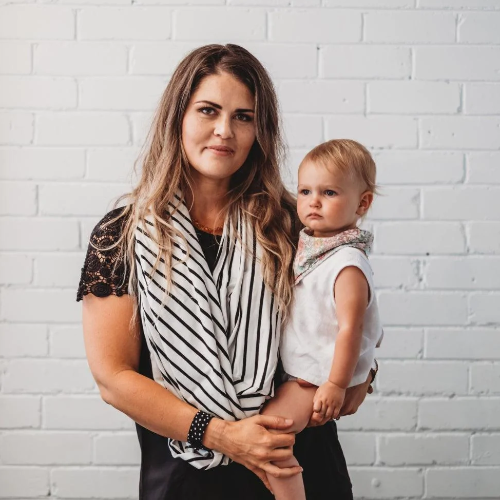


Choosing a baby body wrap feels simple until you're faced with a dozen options and no clear idea what separates a stretchy wrap from a woven one. This baby body wrap buying guide cuts straight to what matters: the types available, the features worth paying for, and how to match a wrap to your actual life.
The Main Types of Baby Body Wraps Explained
Baby body wraps split into three broad categories. Knowing the difference saves you from buying the wrong thing twice.
Stretchy Wraps
Made from knit fabric with natural give, stretchy wraps are the most popular choice for newborns. The fabric moulds to both your body and your baby's, making it forgiving to tie and adjust. Most parents find the learning curve short. They work best from birth to around six months, or until your baby starts getting heavier and the fabric begins to sag under the load.
If you want more detail on how stretchy wraps work day to day, the complete guide to baby body wraps covers benefits, positioning, and practical use in full.
Woven Wraps
Woven wraps use non-stretch fabric woven on a loom. They offer more support for heavier babies and toddlers, and they distribute weight more evenly across your shoulders and hips. The trade-off is a steeper learning curve. More passes of fabric mean more tying. Many babywearing parents start on a stretchy and move to a woven as their baby grows.
Hybrid and Structured Wraps
Some wraps combine stretch fabric with structured panels or buckles to reduce tying time. These suit parents who want the closeness of a wrap without fiddling with long lengths of fabric. They tend to be less adjustable than a true wrap but easier to get on solo.
Key Features to Compare Before You Buy
Not all wraps are made equal. These are the specifics worth checking before you commit.
- Fabric weight: Lighter fabrics suit warmer climates and are easier to layer in summer. Heavier fabrics add structure and warmth, which suits cooler months or air-conditioned environments.
- Length: Standard wraps run between 4.6 and 5.2 metres. If you or your partner is larger framed, look for a longer option so you have enough fabric to complete the carry safely.
- Width: A wider wrap, typically 60 to 70 centimetres, supports your baby's legs into a spread-squat position. This matters for hip development.
- Fabric composition: Cotton is breathable and easy to care for. Bamboo blends feel silky against skin and wick moisture well, which is useful in Australian heat. Linen adds durability and gets softer with use.
- Washability: Check the care label before buying. A wrap you can throw in the machine is more practical for everyday life.
For guidance on buying wraps online, including sizing and what to look for in product listings, this practical guide to buying baby body wraps online in Australia is worth reading before you add to cart.
Safety: What Every Parent Needs to Know
Babywearing is safe when done correctly. The key is making sure your baby is always in an ergonomic position with their airway clear and visible at all times.
- Baby's face should always be visible and not pressed into the fabric or your chest.
- Chin should be off the chest to keep the airway open.
- Knees should be higher than the bottom, forming an "M" shape, sometimes called the spread-squat position.
- The fabric should be firm enough to hold baby close to your chest without them slumping.
Red Nose Australia provides safe infant carrying guidelines that are worth bookmarking, especially for newborns. The Raising Children Network also has clear guidance on baby carrier safety for Australian parents.
Matching a Wrap to Your Life
The best wrap is the one you will actually use. Think about your daily routine before you decide.
- New parents with a newborn: A stretchy wrap is hard to beat. Easy to learn, gentle on a small baby, and close enough for skin-to-skin contact.
- Parents in warm climates: Look for a lightweight cotton or bamboo blend. Avoid thicker woven fabrics until the cooler months.
- On-the-go parents: Consider how quickly you can put it on solo. A hybrid or pre-tied option reduces setup time significantly.
- Parents planning to use a wrap long-term: A woven wrap grows with your child. The investment is higher but so is the longevity.
- Sharing carriers between two adults: Look for adjustable designs that accommodate different body sizes without retying from scratch.
If you are still deciding, browse our baby carriers and wraps to compare styles, fabrics, and sizing side by side. Seeing the full range in one place makes it easier to narrow down.
A Few Things to Avoid
Some common mistakes are worth calling out before you buy.
- Buying a wrap based on looks alone. Fabric colour and print matter less than fit, weight, and washability.
- Assuming one size fits all. Check whether the brand offers different lengths or sizes for different body types.
- Skipping the instruction video. Even experienced parents benefit from watching a carry tutorial with a new wrap, since each brand ties slightly differently.
- Choosing a wrap that is too heavy for your climate. Australia's summers are genuinely hot, and an overheated baby is uncomfortable for everyone.
A well-chosen wrap makes daily life with a baby easier and more connected. Take the time to match the wrap to your body, your baby's stage, and your routine. Shop our full range of wraps and carriers to find the right fit for your family.