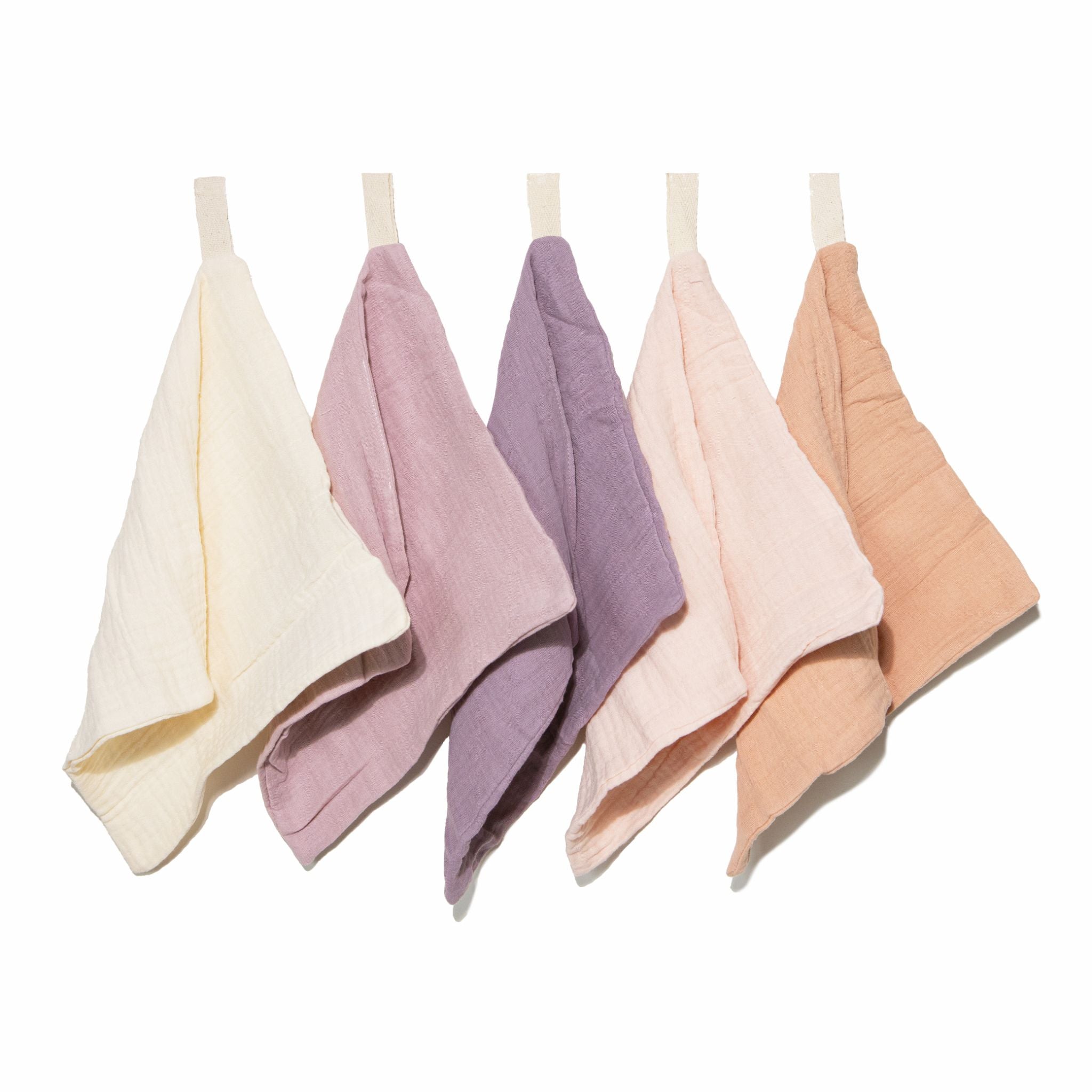

If you've ever watched a newborn settle almost instantly the moment they're held close to a parent's chest, you already understand the appeal of baby body wraps. There's something beautifully simple about recreating that snug, familiar feeling for your little one. It's one of the reasons wraps have become a staple for so many Australian families.
Alongside organic muslin wraps, bamboo sleepwear, and gentle skincare essentials, Zoe Sage stocks a thoughtfully chosen range of baby carriers and wraps. Keeping your hands free while keeping your baby close is genuinely one of the best tools you'll have in those first months.
What Is a Baby Body Wrap?
A baby body wrap is a long piece of stretchy or woven fabric that you tie around your body to carry your baby snugly against your chest, tummy, or back. Unlike structured carriers with buckles and clips, wraps conform to both your body and your baby's, distributing weight evenly and allowing for a custom fit every time.
They're particularly popular with newborns and young babies because the position mimics the curled, contained feeling of the womb. As your baby grows, wraps continue to offer closeness and comfort, often becoming a go-to for naps on the go or settling a fussy bub during the day.
There are two main types of wraps you'll come across:
- Stretchy wraps: made from soft, flexible fabric that moulds to your shape. Best for newborns and babies up to around six months.
- Woven wraps: made from non-stretch woven fabric, usually cotton or linen blends. More versatile for older babies and different carrying positions, but with a steeper learning curve.
Most parents starting out find a stretchy wrap the easiest entry point. Once you've practised the tie a few times, it becomes second nature.
The Benefits of Using a Baby Body Wrap
Supports Healthy Physical Development
When worn in the correct position, a baby body wrap supports your baby's natural hip and spine development. The ideal carrying position, often called the "M position" or "frog position", keeps your baby's knees higher than their bottom and their hips spread comfortably around your torso. This supports healthy hip socket development and is recommended by paediatric health professionals.
There is strong evidence that close physical contact, known as skin-to-skin or kangaroo care, supports neurological development, regulates a baby's heart rate and temperature, and promotes healthy weight gain in newborns. The Raising Children Network notes that skin-to-skin contact in the early weeks supports breastfeeding, sleep regulation, and emotional security in babies.
Encourages Bonding
Babywearing promotes the release of oxytocin, the bonding hormone, in both parent and baby. Whether you're the birth parent, a partner, a grandparent, or a caregiver, spending time with a baby in a wrap helps build secure attachment and emotional connection in a completely natural way. It's not just for mums. Partners and other carers often find wraps a wonderful way to feel genuinely connected in those early weeks.
Reduces Crying and Colic
Research published in the journal Pediatrics found that carrying babies for an additional three hours per day reduced infant crying by up to 43 percent. For babies experiencing colic or reflux, the upright position in a wrap can also provide relief from discomfort, since gravity helps keep milk down and reduces the pressure on a sensitive tummy.
Keeps Your Hands Free
This one might sound obvious, but it genuinely changes your day. Whether you need to wrangle a toddler, get dinner on the table, or simply take a walk without a pram, a baby body wrap gives you back your hands while your baby remains settled and close. For many parents, this is the single biggest reason they reach for a wrap every single day.
Supports Breastfeeding
Many breastfeeding parents find wraps help maintain milk supply by keeping baby close and encouraging frequent feeding cues. The Australian Breastfeeding Association supports skin-to-skin contact as a way to establish and protect milk supply in the early weeks. A wrap makes that closeness portable and hands-free, which is a genuine help when you're also managing other children or daily life.
How to Use a Baby Body Wrap Safely
Safety is everything with babywearing. The good news is that wraps are very safe when used correctly. Here are the key guidelines every parent should know before getting started.
Follow the TICKS Guidelines
The TICKS acronym is the gold standard for safe babywearing in Australia:
- T, Tight: The wrap should be snug with no slack. Fabric that sags can allow your baby to slump into a position that restricts their airway.
- I, In view at all times: You should always be able to see your baby's face without moving fabric or adjusting the wrap.
- C, Close enough to kiss: Your baby's head should be close enough that you can kiss their forehead without bending down.
- K, Keep chin off chest: Ensure there is always a finger's width of space under your baby's chin to keep their airway clear and open.
- S, Supported back: Your baby's back should be fully supported in a natural curved position, with no unsupported gaps between their body and yours.
Choose the Right Position for Your Baby's Age
Newborns and young babies are typically carried in a front-facing-in position, cradled against your chest with their face visible and their head supported. As your baby develops head and neck control, usually around four to six months, you can explore different positions depending on the type of wrap you're using.
Front-facing-out carrying is not recommended for young babies as it doesn't support the M position and can strain developing hips and spines. Always refer to the manufacturer's guidelines for age and weight recommendations, and if you're new to babywearing, consider attending a local babywearing group or consulting a certified babywearing educator.
Dress Your Baby Appropriately
Babies in wraps are held close to your body, which adds warmth. Dress your baby in one fewer layer than you're wearing and check their temperature regularly, especially in warmer weather. The back of the neck is a reliable spot to check. Never place a wrap over a baby's head or cover their face with fabric.
Check Your Wrap Before Each Use
Before each use, check your wrap for any signs of wear, fraying, or damage. Ensure all knots are secure and that the fabric hasn't bunched or twisted in a way that could affect support or airflow. If in doubt about the condition of your wrap, don't use it until you've had a chance to inspect it properly. The Australian Competition and Consumer Commission product safety site has useful guidance on checking baby products for recalls and safety notices.
Choosing the Right Baby Body Wrap for Your Family
Not all wraps are created equal, and the best one for your family will depend on your lifestyle, your baby's age and temperament, and your own comfort preferences. Here's a breakdown of what to look for.
Stretchy Wraps: Ideal for Newborns
Stretchy wraps are made from soft, flexible fabric that moulds to your body and your baby's shape. They're gentle, easy to get on once you've practised, and incredibly comfortable for newborns and babies up to around six months. The main advantage is the forgiving stretch, which means minor adjustments don't require a full re-tie.
The Boba Standard Wrap Baby Carrier is a well-made stretchy wrap available in soft, neutral tones including Sage Green and Grey. It's crafted from a blend that offers just the right amount of stretch without sagging, and it's suitable from birth to around 15kg, making it a long-lasting option. If you prefer a certified organic option, the Boba Organic Serenity Wrap Baby Carrier in Black is made from GOTS-certified organic cotton. It's a lovely choice for parents who want to keep things as natural as possible close to their newborn's skin.
Things to consider when choosing a stretchy wrap:
- Fabric weight. Lighter fabrics are more comfortable in Australian summers. Heavier fabrics offer more support for longer carries.
- Length. Most standard wraps are around 5 to 5.5 metres, which suits most body types. Some brands offer different lengths for petite or plus-size parents.
- Care instructions. Check whether the wrap is machine washable and how it handles frequent washing. You'll be washing it often.
- Certifications. GOTS-certified organic cotton is worth looking for if you're mindful about what sits against your newborn's skin all day.
Structured Carriers with a Wrap-Like Feel
If you love the closeness of a wrap but want something quicker to put on, a soft structured carrier is worth considering. The Boba Bliss Carrier, available in Grey and Black, offers that wrapped-in feeling with a more straightforward buckle system. There's no long fabric to manage, which makes it easier for carers who are less confident with tying, or for quick pickups during a busy day.
Structured carriers suit parents who are sharing carrying duties between two adults, since the fit can be adjusted quickly between wearers. They're also a good option for slightly older babies who have outgrown the stretchy wrap stage but still love being carried.
What to Think About Before You Buy
A few practical questions that can help narrow down your choice:
- Will you be wearing this in summer or year-round? Breathable fabrics matter more in a warmer climate.
- Are you the only one who will use it, or will a partner or carer also need to adjust the fit quickly?
- Do you have a pram or are you planning to use a wrap as your primary carrying option? Primary carriers get more use and need to be durable.
- Does your baby have any hip or spinal concerns? If so, speak with your paediatrician before choosing a carry style.
Getting Comfortable with Your Wrap
Most parents feel a little uncertain the first time they tie a wrap. That's completely normal. The learning curve is real but short. A few tips to help:
- Practise the tie in front of a mirror before putting your baby in, using a doll or a rolled towel to get the feel of it.
- Watch the manufacturer's tutorial video more than once. Most brands have step-by-step videos specific to their wrap.
- Try it for the first time while sitting down, so you can adjust without worrying about balance.
- Join a babywearing group. Most Australian cities and many regional areas have local groups where you can get hands-on help from experienced wearers.
Once you find a method that works for you and your baby, wrapping becomes fast. Many experienced parents can get their baby settled in under two minutes.
Baby body wraps are one of those products that quietly make the early months more manageable. They keep your baby close and content, free up your hands, and create space for bonding that fits into ordinary daily life. Whether you're after a soft stretchy wrap for a newborn, a certified organic option, or a structured carrier with wrap-like comfort, the right choice is the one that works for your body, your baby, and your routine.