
A 1 tog sleeping bag is the go-to choice for warmer nights and Australian summers, but knowing which one to buy takes a little more than guessing. TOG rating, fabric, fit, and safety features all matter. This guide cuts straight to what you need to know so you can shop with confidence.
Ready to browse now? Explore our organic baby sleep essentials range with tracked shipping to Australia and New Zealand.
What Is a 1 TOG Sleeping Bag and When Should You Use It?
TOG stands for Thermal Overall Grade. It measures how warm a sleeping bag is. The higher the TOG, the warmer the bag.
- 0.5 TOG: Very light. Best for rooms above 24°C.
- 1 TOG: Light warmth. Best for rooms between 20°C and 24°C.
- 2.5 TOG: Moderate warmth. Best for rooms between 16°C and 20°C.
- 3.5 TOG: Warm. Best for rooms below 16°C.
A 1 TOG sleeping bag suits most Australian and New Zealand summers and is a practical year-round option in warmer coastal regions. Pair it with a short-sleeve bodysuit in summer, or a long-sleeve layer when the temperature dips slightly.
According to Red Nose Australia, babies should never be over-wrapped. Overheating is a known risk factor in safe sleep guidelines. A lightweight 1 TOG bag helps you regulate temperature without adding loose blankets to the cot.
How to Choose the Right Size Baby Sleeping Bag
Sizing a sleeping bag correctly is just as important as the TOG rating. A bag that is too big creates a suffocation risk if the baby slips down inside it.
- Size 0 to 6 months: Suits newborns and young babies. Look for a snug neck opening with a minimum chest measurement guide.
- Size 6 to 18 months: Works well for babies who are rolling and moving more.
- Size 18 to 36 months: Suited to toddlers who need more room to move their legs.
Check the brand's specific chest measurement guide rather than relying on age alone. Babies grow at different rates. A sleeping bag should fit at the shoulders without gaping, and there should be no excess fabric around the neck opening.
For a detailed breakdown of sizing across different brands, our New Zealand baby sleep bag buying guide covers fit, TOG, and climate considerations side by side.
Which Fabrics Work Best for Baby Sleeping Bags in Australia and New Zealand?
Fabric affects how well a baby regulates temperature overnight. Look for materials that are soft, breathable, and gentle on sensitive skin.
Organic Cotton
A reliable choice for most climates. Organic cotton is breathable, durable, and free from harsh chemical treatments. It softens with every wash and holds its shape well over time. Good for babies with sensitive skin.
Bamboo Fabric
Silky soft and moisture-wicking, bamboo fabric is well suited to warmer nights. It draws moisture away from the skin, which helps keep babies comfortable if they tend to sleep warm. Bamboo blends are popular in Queensland and New Zealand summer months for this reason.
Cotton Muslin
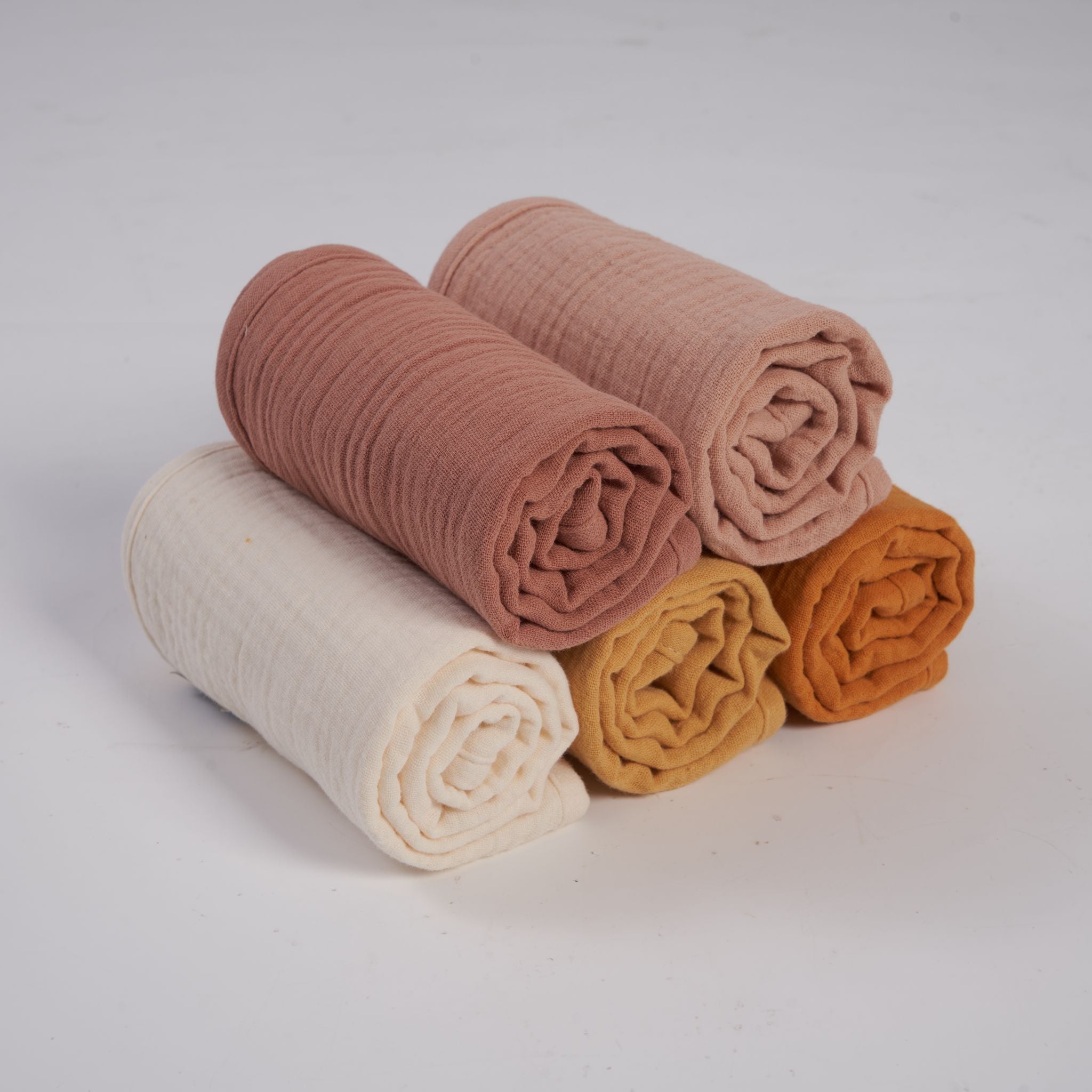
Lightweight and loosely woven, muslin allows air to circulate freely. It is a practical option for a 1 TOG sleeping bag in very warm rooms. The open weave means it breathes well without feeling thin or flimsy.
For a closer look at how organic and conventional fabrics compare across different product types, the organic baby sleepwear vs traditional options guide is worth reading before you decide.
Safety Features to Check Before You Buy
Not all sleeping bags meet the same safety standards. Before purchasing, check these points.
- No hood. Hoods on sleeping bags are a suffocation risk and are not recommended by safe sleep guidelines.
- Secure zip with a zip guard at the top to protect baby's chin and neck.
- Fitted armholes that are not too large. Baby should not be able to pull arms inside the bag.
- Compliance with Australian and New Zealand standards where stated by the manufacturer.
The Australian Competition and Consumer Commission product safety portal lists current standards and recall notices for baby sleep products. Worth bookmarking.
Comparing Baby Sleep Bag Brands: What to Actually Look At
Brand comparisons can feel overwhelming. Focus on a few practical factors rather than marketing claims.
- Is the TOG rating independently verified or self-reported?
- Does the brand provide a room temperature guide alongside the TOG rating?
- What fabric is used in the fill versus the outer shell?
- Are sizing guides based on chest measurements or age only?
- Does the brand clearly state compliance with safety standards?
These questions cut through vague product descriptions quickly. A good brand will answer all of them clearly on the product page.
Zoe Sage ships tracked orders to New Zealand families from our Australian warehouse. Whether you are in Auckland, Christchurch, or further south, delivery is reliable and fully trackable. Shop our baby sleepwear and sleep essentials here and find the right sleeping bag for your little one this season.
For more help putting together everything your baby needs for safe, comfortable sleep, the complete guide to baby sleep essentials in Australia covers night lights, comfort items, and what is worth adding to your nursery setup.