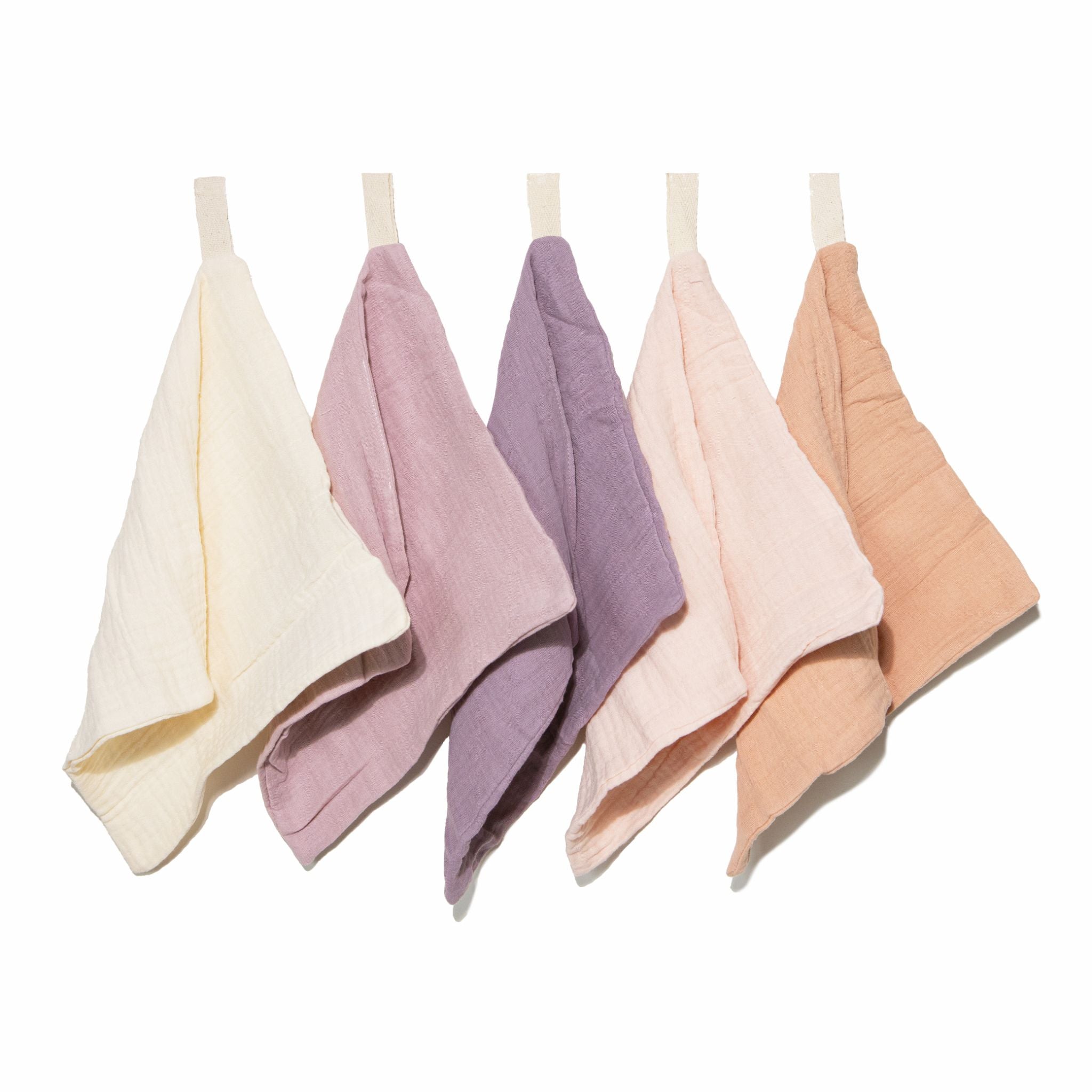

If you've gone through four bibs before 9am, you're in good company. Dribble is simply part of baby life, and finding a bib that keeps up, looks good, and doesn't irritate sensitive skin is harder than it sounds. Baby bandana bibs have become a favourite for Australian parents for good reason. This guide walks you through everything you need to know before buying: materials, absorbency, sizing, and how to keep them looking great wash after wash.
Part of our complete guide to silicone baby feeding sets.
Why Baby Bandana Bibs Work So Well
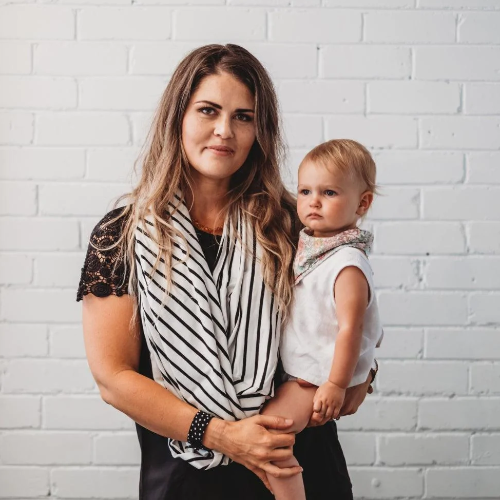
The bandana shape sits flat against the chest and catches dribble before it reaches clothing. Unlike traditional bibs, bandana bibs move with your baby, stay tucked in naturally, and don't look out of place when you're out and about. They suit newborns right through to toddlers, which makes them one of the more versatile items in your baby kit.
Wondering why your baby is producing so much saliva in the first place? The reasons babies dribble are worth understanding before you stock up, because how much you need depends a lot on your baby's stage of development.
What to Look for When Buying Baby Bandana Bibs
Material Matters Most
The fabric you choose affects absorbency, softness against skin, and how well the bib holds up through repeated washing. Here are the most common options:
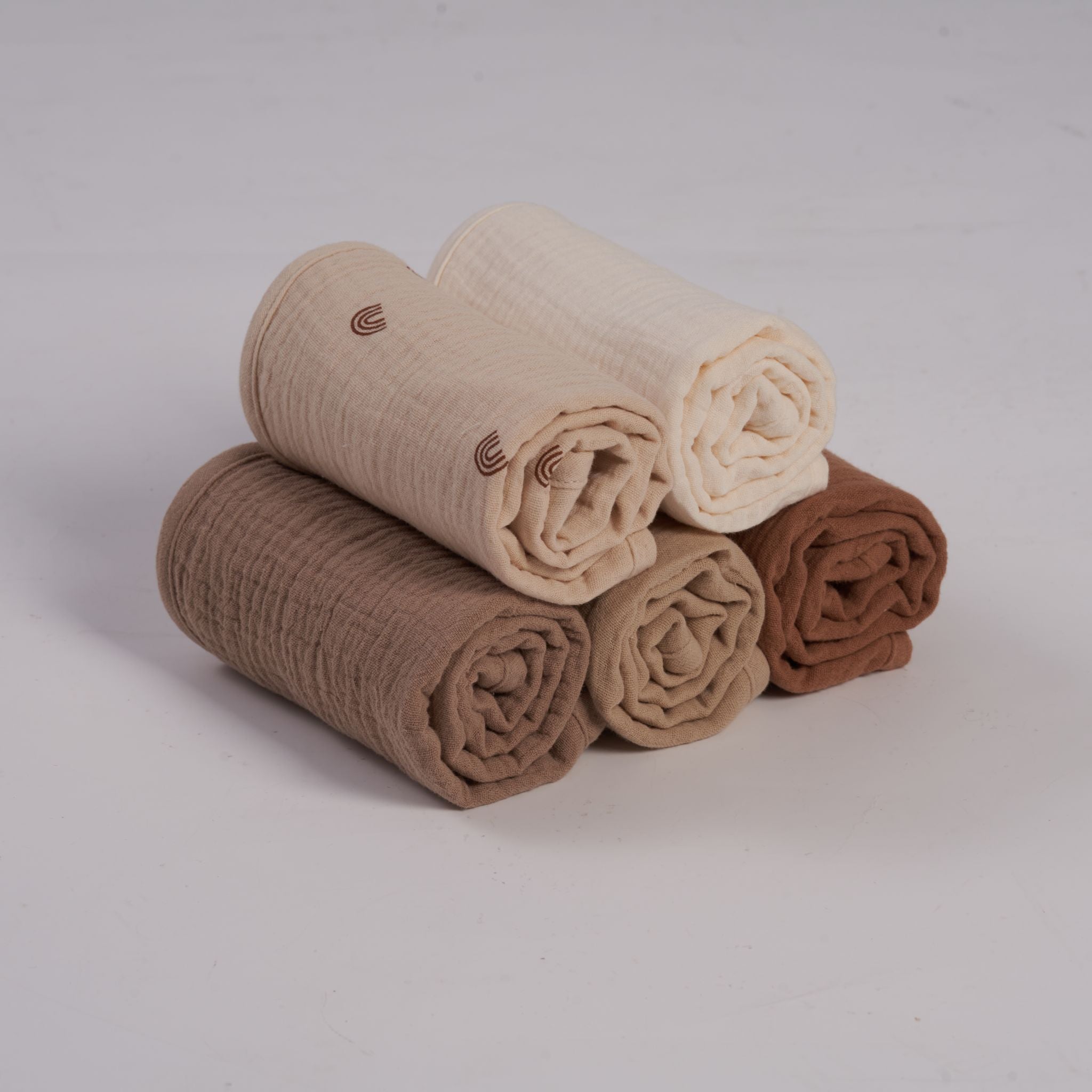
- Linen: Breathable, absorbent, and gets softer with every wash. Linen is a strong choice for Australian climates because it doesn't trap heat against the neck. It's also durable enough to handle daily washing without losing its shape.
- Cotton: Soft and widely available. Cotton bibs are reliable for light to moderate dribble and easy to source. Look for a higher thread count or a double-layered design for better absorbency.
- Bamboo: Silky soft against sensitive skin, moisture-wicking, and breathable. Bamboo is worth considering if your baby has eczema-prone or reactive skin.
- Towelling or terry cloth backing: Often used as a backing layer to boost absorbency. A linen or cotton outer with a towelling back gives you the best of both.
Absorbency Levels
Not all babies dribble equally. A newborn produces far less saliva than a four-month-old cutting their first teeth. If you're noticing your baby chewing on everything and soaking through bibs quickly, it's worth checking the signs of teething so you know what you're dealing with. Our guide on how to spot early teething symptoms covers exactly what to watch for.
For heavy dribblers, look for bibs with a double or triple layer construction. Single-layer bibs suit lighter dribble or warmer days when you want something less bulky against the skin.
Closure Style
Most baby bandana bibs fasten at the back of the neck with either a snap popper or velcro. Snap poppers are generally more durable and gentler on skin. Velcro is quick to use but can snag fabric in the wash over time. If you're doing multiple bib changes a day, snap poppers will hold up better long term.
Size and Fit
A bib that's too small won't catch much. One that's too large will overwhelm a newborn and get in the way. Most bandana bibs are designed to fit from around 3 months, with the adjustable neck snap accommodating growth. Check the neck circumference before buying if your baby is on the smaller or larger side.
How Many Baby Bandana Bibs Do You Actually Need?
For a moderate dribbler, 6 to 8 bibs gives you enough to rotate through the week without doing daily washing. Heavy dribblers or teething babies may need 10 or more in rotation. It's worth buying a small set first to see how quickly your baby goes through them before committing to a larger quantity.
If your baby keeps pulling their bib off, you're not alone. That's a very common frustration, and there are practical ways to manage it. Our article on why babies pull off their bibs and what to do about it covers the most effective fixes.
Caring for Baby Bandana Bibs
Good bibs last longer with a little care. Here's what works:
- Wash in cold or warm water, not hot, to protect the fabric and any print.
- Fasten snap poppers before washing to avoid snagging other items.
- Line dry where possible to reduce shrinkage and extend the life of the fabric.
- Rinse milk or food residue off promptly before it sets, especially on lighter coloured bibs.
Linen bibs in particular improve with washing. They soften over time and tend to look better the more they're used, which makes them a solid long-term buy.
A Note on Safety
Always supervise your baby when they're wearing a bib and remove it during sleep. Bibs worn unsupervised can pose a strangulation or choking risk. For detailed guidance on safe sleep practices, Red Nose Australia's safe sleeping guidelines are the most reliable Australian resource.
Ready to Shop?
If you're after bibs that are practical for everyday dribble and put-together enough for outings, our linen bandana bibs for babies are made from breathable, preshrunk linen with a soft absorbent backing. They're designed to hold up through the dribble years without looking worn by week two. Browse the full range and find the colours and prints that suit your style.