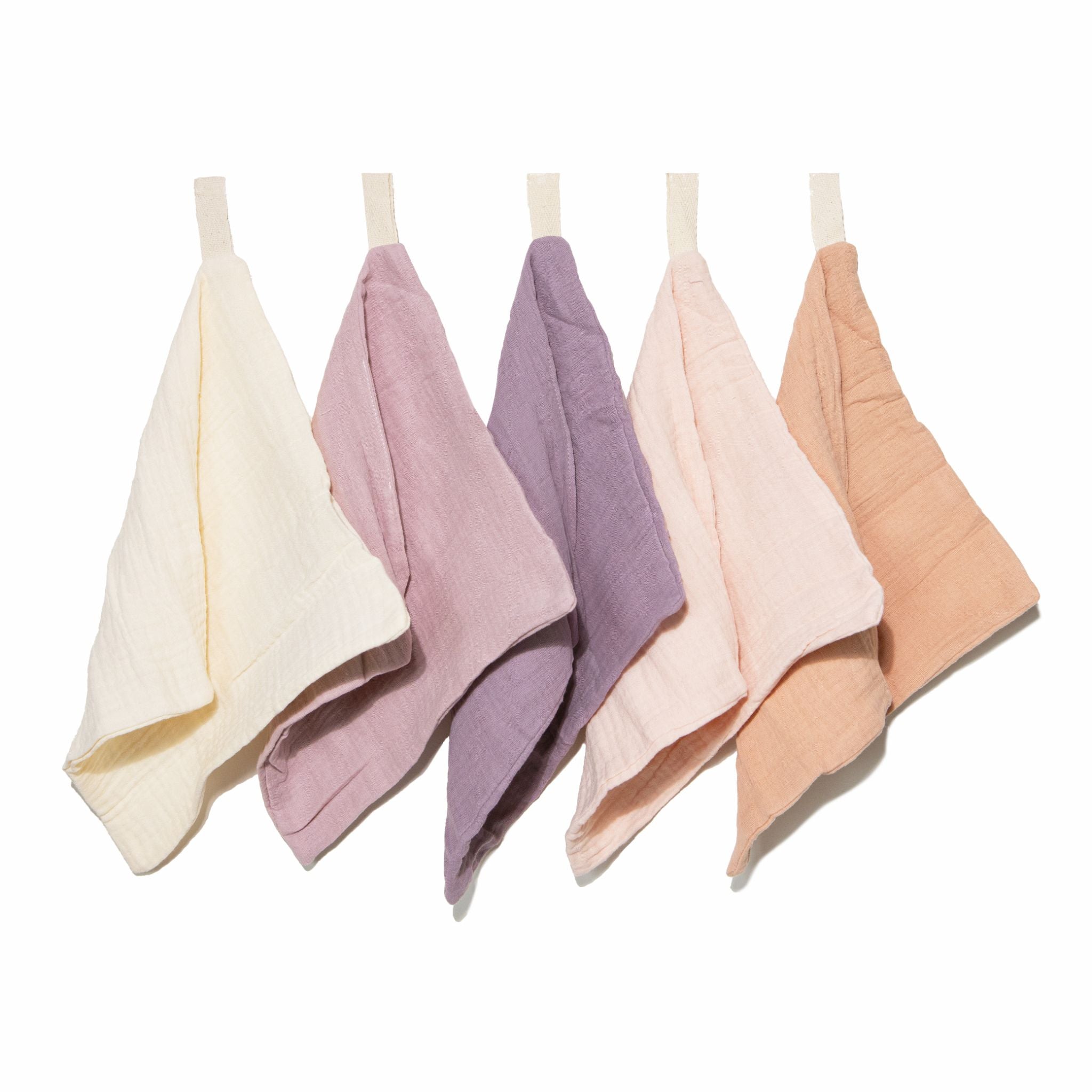

Teething is one of those milestones that can catch parents off guard. Your baby seems unsettled, is drooling more than usual, and you are not sure why. Knowing how to tell if your baby is teething helps you respond faster and keep them comfortable through the process.
When Do Babies Start Teething?
Most babies get their first tooth somewhere between 4 and 7 months. Some start earlier, some later. A few babies cut their first tooth closer to 12 months and that is completely normal. Every baby moves at their own pace.
The bottom front teeth usually arrive first, followed by the top front teeth. By around age 3, most children have a full set of 20 baby teeth.
For a detailed overview of baby development milestones, Raising Children Network is a reliable Australian resource worth bookmarking.
Common Signs Your Baby Is Teething
Teething looks different from baby to baby, but these are the signs that appear most often.
- Increased drooling. More saliva than usual is one of the earliest and most consistent signs. Why babies dribble so much during teething comes down to the gums being stimulated, which triggers extra saliva production.
- Chewing and gnawing on everything. Babies put pressure on sore gums by biting down on fingers, toys, and anything within reach.
- Swollen or red gums. You may be able to see a raised, slightly red patch where a tooth is pushing through.
- Increased fussiness and unsettled sleep. Gum discomfort tends to peak in the days just before a tooth breaks through.
- Pulling at ears or cheeks. Pain in the jaw can radiate upward, which is why some teething babies tug at their ears. If your baby has a fever or seems unwell alongside this, check with your GP to rule out an ear infection.
- Refusing feeds. A sore mouth can make sucking uncomfortable, so some babies pull away from the breast or bottle more than usual.
- A low-grade temperature. A very slight rise in temperature can occur with teething. A proper fever (38°C or above) is not caused by teething and should be assessed by a doctor.
What Is Not Caused by Teething
It is easy to attribute every unsettled period to teething, but some symptoms are not related. High fever, diarrhoea, persistent vomiting, and significant congestion are not teething symptoms. If your baby has any of these, speak with your GP or maternal child health nurse rather than assuming it is teeth.
The Raising Children Network has a clear guide on distinguishing teething discomfort from illness, which is useful to read before the first tooth arrives.
How to Comfort a Teething Baby
There is no way to skip the discomfort entirely, but there are practical things that help.
- Chilled (not frozen) teething rings give babies something safe to bite down on. Frozen teethers can damage delicate gum tissue.
- Gentle gum massage with a clean finger can ease pressure in the short term.
- Extra cuddles and distraction do more than people expect on hard days.
- Keep skin dry around the mouth and chin. Excess drool sitting on the skin causes redness and irritation quickly. Changing bibs regularly through the day makes a real difference.
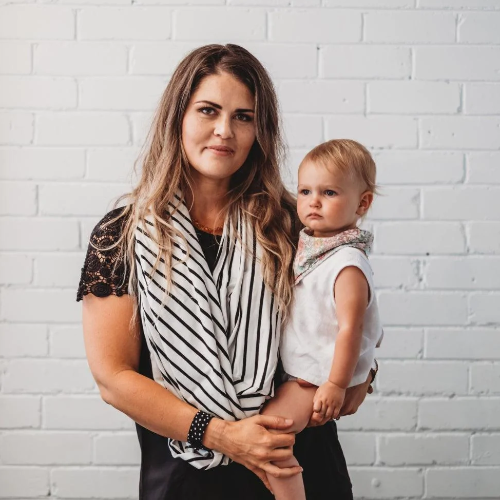
That last point matters more than it sounds. A soggy bib sits wet against the skin and makes irritation worse. If your baby is going through multiple bibs a day, a soft, absorbent style is worth having in rotation. Our linen bandana dribble bibs are breathable and gentle against sensitive skin, which makes them a practical choice during heavy teething periods.
If you find your baby is constantly pulling their bib off before it can do its job, this article on why babies pull off their bibs and how to fix it covers simple solutions that actually work.
Choosing the Right Bib for Teething
During teething, the volume of drool increases significantly. Standard feeding bibs are often too bulky for all-day wear, and thin cotton styles soak through quickly. A bandana bib sits flat against the chest, looks neat under any outfit, and absorbs drool without needing to be changed constantly.
Linen is particularly well suited to this stage. It is breathable, gets softer with every wash, and holds up well through frequent laundering. If you are looking for something durable enough to last through teething and beyond, browse our dribble bib range to find styles that work for everyday wear.
Not sure which style suits your baby? Our bandana bib buying guide walks through what to look for in fabric, size, and fastening so you can choose with confidence.
A Quick Note on Teething Gels and Remedies
Some teething gels available in Australia contain ingredients that are no longer recommended for babies, including those with benzocaine or lidocaine. Always check with your pharmacist or GP before using any teething product. Amber teething necklaces pose a choking and strangulation risk and are not recommended by Australian safety authorities.