


Finding the best baby blanket in Australia takes more effort than it should. Options are endless, quality varies wildly, and most listings look identical in photos. Baby bubble blankets have earned their place as a nursery staple because they are textured, breathable, and practical enough to move between the pram, the play mat, and the cot without missing a beat. This guide walks you through exactly what to look for before you buy.
Already know what you need? Browse our plush cloud bubble range and find the right fit for your nursery.
What Is a Baby Bubble Blanket?
A bubble blanket features a distinctive raised, quilted texture across the surface. Each "bubble" is a small, padded pocket of fabric that gives the blanket its signature look and feel. The texture creates tiny air pockets between the layers, which helps regulate temperature and adds a layer of softness without bulk.
Bubble blankets sit between a flat wrap and a heavier knit blanket in terms of weight. That makes them versatile across seasons, especially in Australia where temperatures can shift quickly between morning and afternoon.
How to Choose the Right Fabric
Fabric is the most important decision you will make. Baby skin is sensitive, so the material needs to be soft, breathable, and easy to wash repeatedly without falling apart.
- Cotton: Durable, machine washable, and widely available. A good everyday choice that holds up to frequent washing.
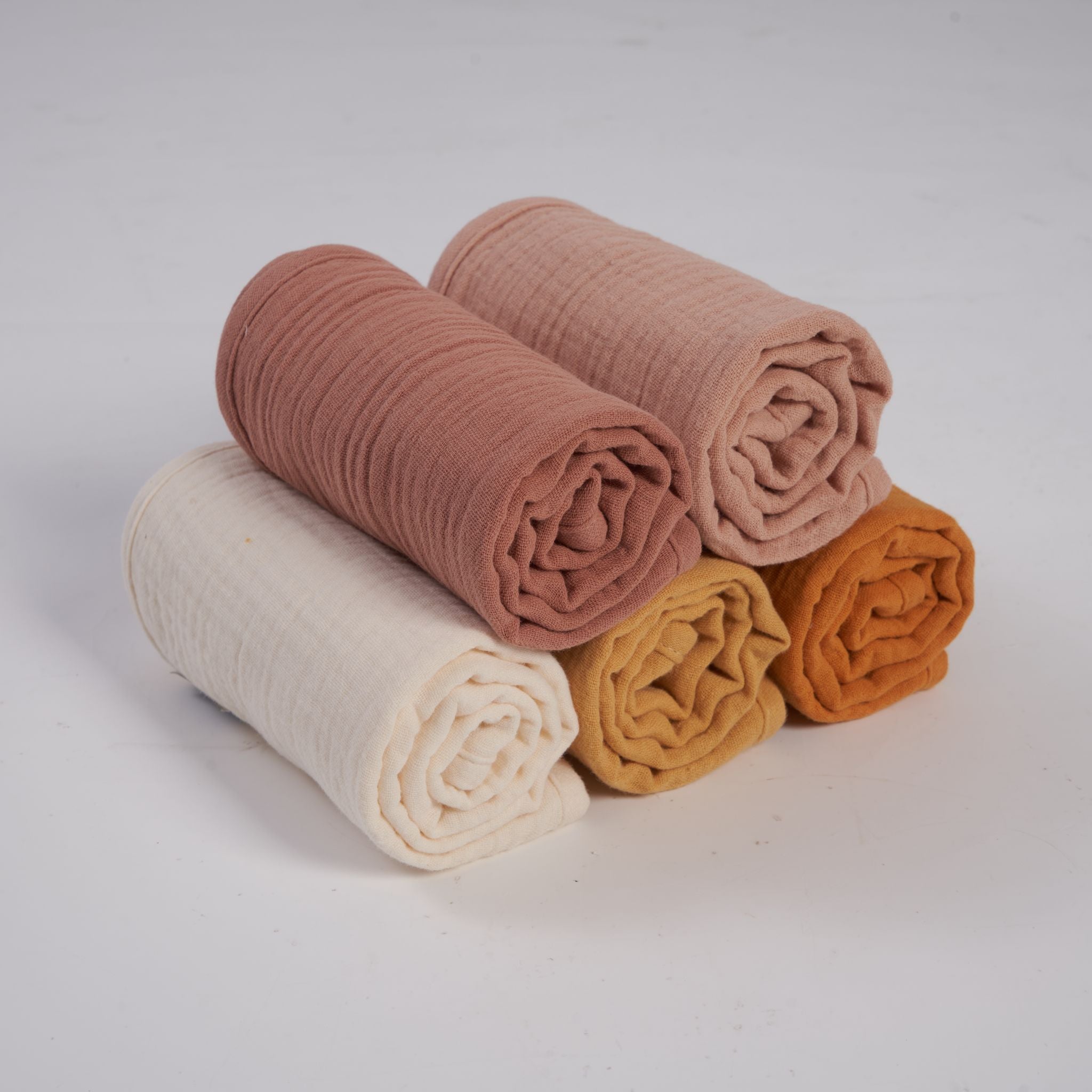
- Muslin cotton: Lightweight and gets softer with every wash. Ideal for warmer months or layering.
- Bamboo blends: Silky soft with a smooth finish against skin. Bamboo is naturally moisture-wicking and breathable, which suits babies who run warm.
- Minky or plush: Plush fabrics are cosy and beautiful but better suited to cooler weather or use as a pram cover rather than an in-cot layer.
Avoid fabrics with synthetic fills that trap heat or loose weaves that could snag fingers. If you are using the blanket in the sleep space, always check that it is firm, flat, and positioned safely away from your baby's face.
Size Guide: What You Actually Need
Size matters more than most product pages admit. A blanket that is too small will not stay tucked, and one that is too large creates excess fabric in the sleep space.
- Pram and stroller: Around 75 x 100 cm works well. Large enough to tuck under the mattress but not so bulky it bunches up.
- Play mat use: 100 x 100 cm or larger gives a newborn room to stretch and a toddler space to roll.
- Cot layer: Aim for 100 x 120 cm. Tuck it firmly under the cot mattress at the foot end so it cannot ride up.
Many parents buy two sizes: a smaller one for the pram and a larger one for home. It is worth having at least two of the same type so you always have a clean one ready.
Using Baby Blankets Safely in the Sleep Space
A blanket in the cot is not automatically unsafe, but placement and weight matter. Red Nose Australia and the Raising Children Network both recommend keeping baby's head and face uncovered at all times. If you use a blanket, tuck it firmly under the mattress at chest height so it cannot move up over the face.
For dressing cues, dress your baby as you would dress yourself for the room. Feel their tummy or back to check warmth. Cool hands and feet are normal. If they feel hot, sweaty, or clammy, remove a layer.
Red Nose recommends lightweight cotton or muslin wraps for newborn wrapping, and says to stop wrapping at the first signs of rolling or at three months, whichever comes first.
If you are exploring other options for the sleep space alongside a blanket, our article on choosing a premium plush cloud blanket covers what to look for in a nursery-ready layer.
What Makes a Bubble Blanket Worth Buying
Not all bubble blankets are made equally. Here is what separates a blanket worth keeping from one that pills after three washes.
- Even bubble structure: The quilted pockets should be consistent across the whole blanket, not flattened at the edges or uneven in the middle.
- Reinforced edges: Binding or double-stitched hems hold up to repeated washing. Fraying edges are a sign of poor construction.
- Wash performance: A quality bubble blanket should come out of the machine looking the same as it went in. Check for a care label with clear washing instructions.
- Colour fastness: Deep or bright colours should not bleed onto sheets or clothing. Pale pastel shades are generally lower risk.
Ready to shop? See our full cloud bubble baby blanket collection, designed for Australian nurseries and made to last well past the newborn stage.
Frequently Asked Questions
Can I use a bubble blanket in the cot from birth?
Yes, with care. Tuck it firmly under the cot mattress at chest height, keep your baby's head and face uncovered, and check that the blanket cannot ride up. Always follow current safe sleep guidance from Red Nose Australia.
Are bubble blankets suitable for warmer Australian climates?
A lightweight cotton or bamboo blend bubble blanket is fine in warm weather. The air pockets in the texture allow airflow. For Queensland summers or heated rooms, a single muslin layer is often enough. Dress baby as you would dress yourself, and feel their tummy to check.
How many baby blankets do I actually need?
Most families find three to four blankets practical. One in the pram, one in the nursery, and at least one spare for washing day. If you have a baby who spills or sweats, four is the more comfortable number.