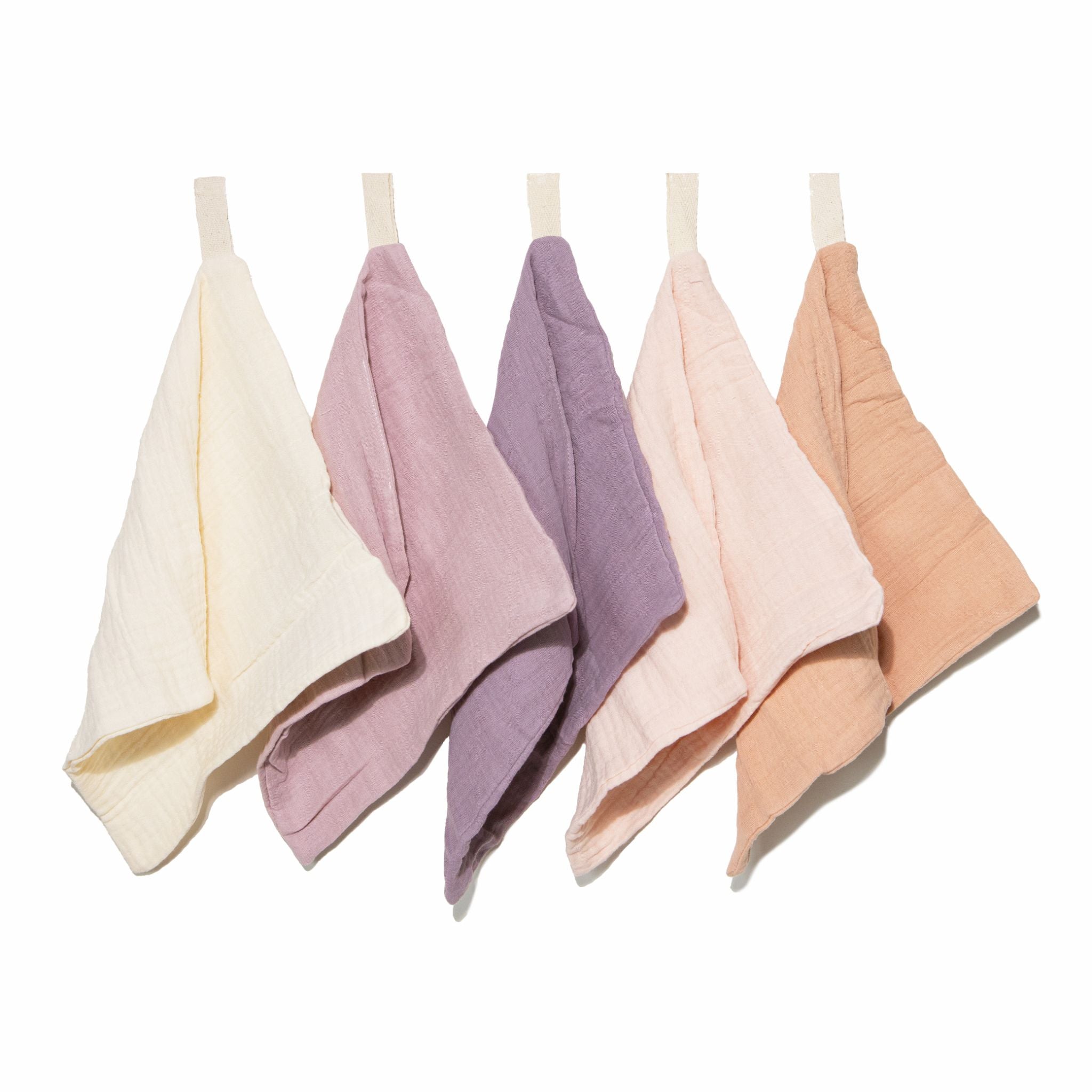

Bamboo baby accessories have earned their place in the nursery for good reason. The fabric is silky soft, breathable and moisture-wicking, making it genuinely well suited to delicate newborn skin. But the category is crowded, and not every product delivers on its promise. This guide covers what to look for and what to skip, so you can shop with confidence.
Part of our complete guide to bamboo baby clothing.
Why Bamboo Works So Well for Babies
Bamboo fabric is spun from bamboo pulp into a viscose or lyocell fibre. The result is a textile that feels softer than standard cotton, drapes gently against skin and regulates temperature well. That last point matters a lot for newborns, who cannot regulate their own body temperature reliably in the early weeks.
Bamboo is also moisture-wicking, which means it pulls sweat and damp away from the skin. For babies who run warm, or who live in Australia's warmer climates, that makes a real difference to comfort. It is gentle on sensitive skin and tends to stay soft wash after wash, which is not always the case with cotton alternatives.
Safe sleep is a separate consideration from fabric choice. For current guidance on infant sleep safety, the Red Nose Australia safe sleeping guidelines are the most reliable reference for Australian parents.
Which Bamboo Baby Products Are Actually Worth Buying
Not every product in the bamboo category justifies the price. These are the items where bamboo fabric genuinely earns its keep.
Swaddles and wraps
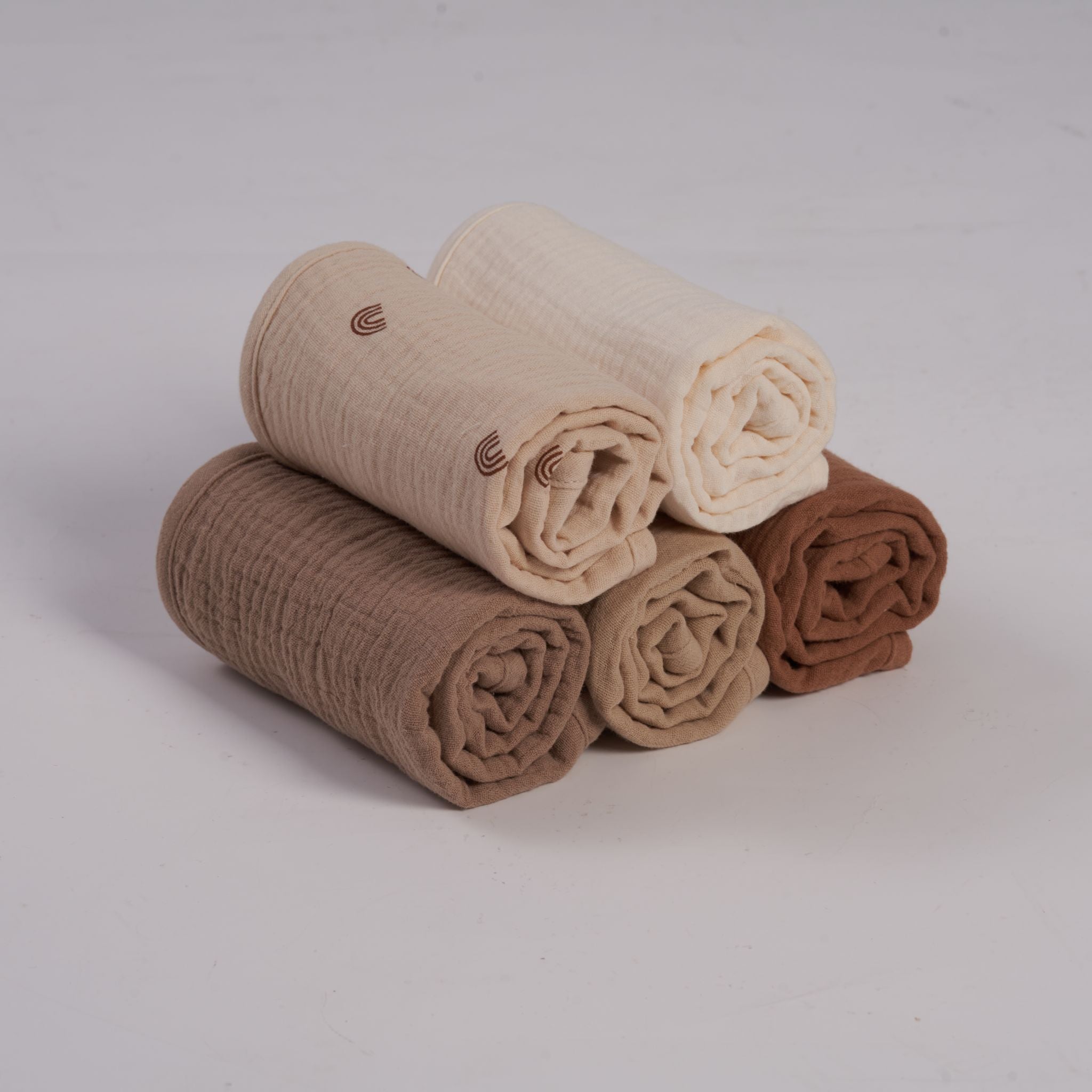
Bamboo swaddles are lightweight and breathable, which reduces the risk of overheating during wrapping. They also have a slight stretch, making them easier to use than stiff muslin alternatives. A good bamboo swaddle is one of the most practical purchases for the first three months.
Sleeping bags and sleep sacks
A bamboo sleeping bag keeps your baby at a comfortable temperature without the need for loose blankets. Look for bags with a TOG rating suited to your climate. For Australian summers, a 0.5 or 1.0 TOG is usually appropriate. For cooler months, a 2.5 TOG works well.
Bodysuits and rompers
Bamboo bodysuits are the everyday workhorse of the baby wardrobe. They are soft against skin, easy to layer and hold their shape better than many cotton versions after repeated washing. Look for flat seams and envelope necklines for easiest dressing.
Bibs and burp cloths
Bamboo absorbs well and dries quickly, making it a smart choice for bibs and burp cloths. Thicker bamboo terry or bamboo-cotton blends tend to outperform single-layer bamboo here.
Fitted cot sheets
A bamboo fitted sheet stays cool in summer and does not feel scratchy against a baby's face. Make sure any sheet you buy fits your mattress snugly with no excess fabric, in line with safe sleep recommendations.
You can browse our full bamboo essentials range to see how these products come together as a practical starter set.
What to Check Before You Buy
Bamboo is not a regulated label in Australia, so the term can appear on products that contain very little actual bamboo fibre. Here is what to look for.
- Check the fabric composition label. Look for at least 70 percent bamboo viscose or bamboo lyocell.
- Bamboo lyocell (sometimes labelled TENCEL) uses a closed-loop production process and is generally considered a more environmentally responsible option than standard bamboo viscose.
- Check for OEKO-TEX Standard 100 certification. This confirms the fabric has been tested and found free from harmful substances.
- Read sizing notes carefully. Bamboo fabric can run slightly larger than cotton equivalents in some brands.
- Check washing instructions. Most bamboo baby items do best on a gentle cold cycle and should be dried away from direct sunlight to preserve softness.
The Australian Competition and Consumer Commission product safety guidelines for children's clothing are worth reviewing before purchasing any baby apparel, particularly items like sleeping bags and fitted garments.
Building a Practical Bamboo Baby Wardrobe
You do not need to buy everything at once. A sensible starting point for a new baby includes two to three swaddles, four to six bodysuits, two sleeping bags in different TOG ratings, a few bibs and at least two fitted cot sheets. That gives you enough to rotate through washes without running short.
If you are trying to work out where to source quality products, our guide on finding reputable bamboo baby products online in Australia covers what to look for in a retailer and how to avoid poor-quality imports.
Buying in small quantities first makes sense, especially before the baby arrives. Sizes change fast, and a product that works brilliantly for a newborn may not suit a rolling, wriggling four-month-old. Start with the basics, see what you reach for most and build from there.
Ready to get started? Shop our curated bamboo collection for pieces selected with Australian conditions and real daily use in mind.