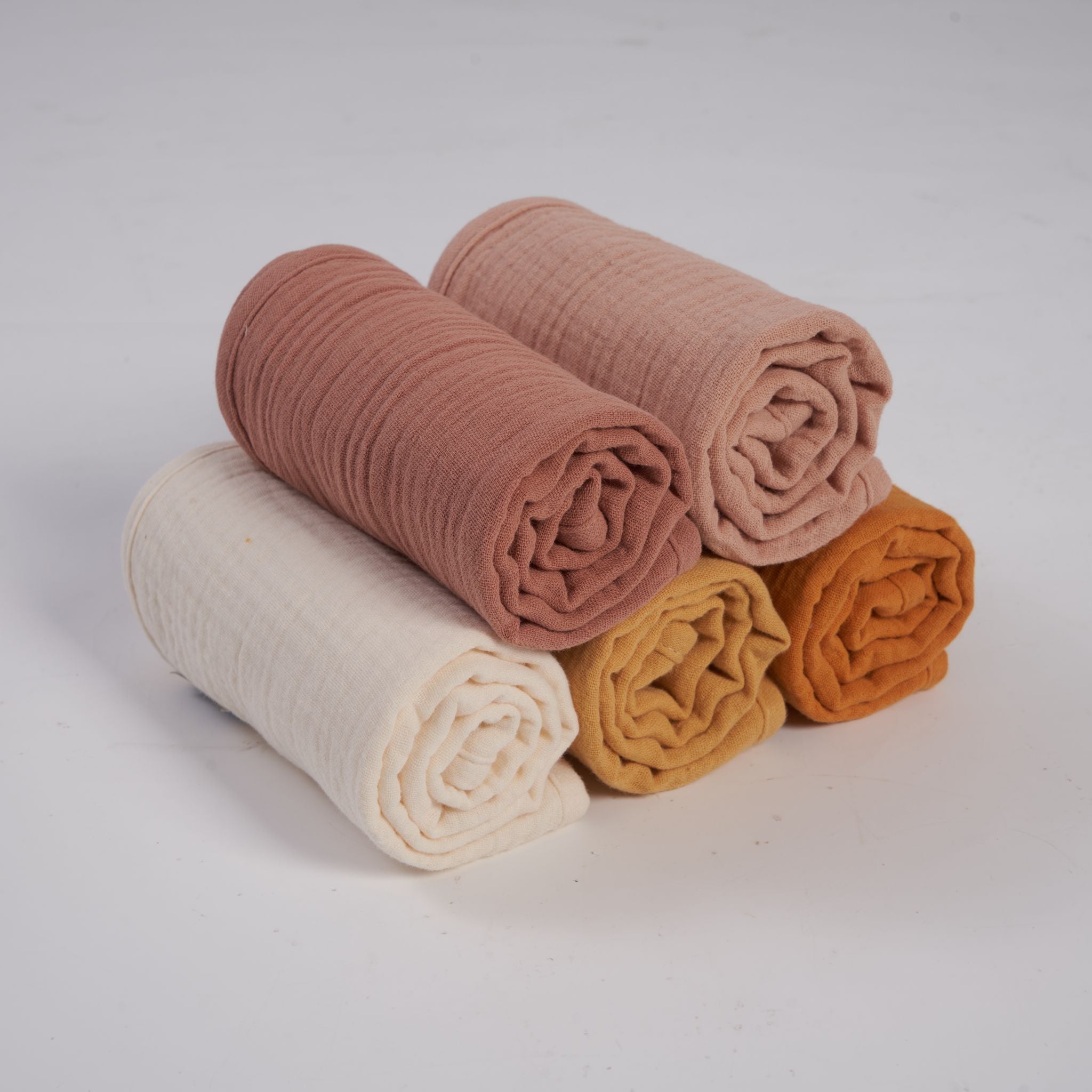

Are baby sleeping bags safe? Yes, and for most families they are far safer than loose blankets in the cot. Red Nose Australia recommends removing all loose bedding from a baby's sleep space, and a well-fitted sleeping bag removes that risk entirely. Pair that with genuinely affordable pricing and it is easy to see why sleeping bags top so many new parent shopping lists. If you are hunting for quality sleep essentials without blowing the budget, our Black Friday nothing-over-$50 range has you covered.
Are Baby Sleeping Bags Safe? What You Need to Know
The short answer is yes, when used correctly. Sleeping bags designed for infants keep your baby warm without the suffocation risk that loose blankets carry. A few things to check before you buy:
- Choose the right TOG rating for the room temperature. A 1.0 TOG suits warmer rooms, a 2.5 TOG suits cooler nights.
- Check the neck opening. It should be snug enough that your baby cannot slip down inside the bag.
- Never use a sleeping bag with a hood. This is a recognised safety risk.
- Match the size to your baby's weight, not their age. Babies grow at different rates.
- Do not add extra blankets on top. The sleeping bag is designed to do the job on its own.
For detailed safe sleep guidelines, Red Nose Australia's safe sleeping advice is the most reliable starting point. The Raising Children Network's safe sleep guide also covers room temperature, swaddling transitions, and when to move to a sleeping bag.
Sleeping Bags vs Headbands: How to Prioritise Your Budget
Sleep is the foundation. A quality sleeping bag is one of the most practical purchases you will make in the first two years. Headbands and accessories are lovely, but they sit further down the priority list.
That said, both can absolutely fit into a sensible budget. Here is a simple way to think about it:
- Buy first: A sleeping bag in the right TOG for your climate. Buy two if you can, so one is always clean.
- Buy when budget allows: Headbands, booties, and outfit accessories that add to the experience without affecting safety or sleep.
- Avoid buying blind: Check the TOG, the size range, and the fabric before you add to cart.
Bamboo sleeping bags are worth the look. The fabric is soft against sensitive skin, breathable, and moisture-wicking, which helps babies maintain a more stable temperature through the night. That matters more than most parents expect.
What to Look for in Baby Sleeping Accessories
Fabric
Prioritise breathable, soft fabrics. Bamboo and organic cotton are both solid choices for babies who run warm or have reactive skin. Avoid synthetic fabrics close to the body where you can.
TOG Rating
TOG stands for Thermal Overall Grade. It measures warmth. A sleeping bag without a clear TOG rating is one to skip. Most Australian homes sit between 18 and 24 degrees overnight, so a 1.0 or 2.5 TOG will cover most situations.
Fit and Sizing
A sleeping bag that is too large becomes a safety risk. A bag that is too small will not last the season. Look for brands that list weight ranges alongside age ranges so you can make a more accurate choice.
Ease of Use
Two-way zips make nappy changes at 3am genuinely manageable. It sounds small. At 3am, it is not small.
Shop Baby Sleeping Essentials Under $50
Good baby gear does not have to cost a fortune. Sleeping bags, headbands, and everyday accessories that are made with care and priced with real families in mind. Browse the full collection here, with everything under $50.
If you are stocking up or buying as a gift, it is worth grabbing two sleeping bags in the same TOG so you always have a dry one ready. Add a headband or two and you have a practical, thoughtful bundle without the budget blow-out.
Sleep well. Shop smart. Shop our nothing-over-$50 baby essentials and find what you actually need.