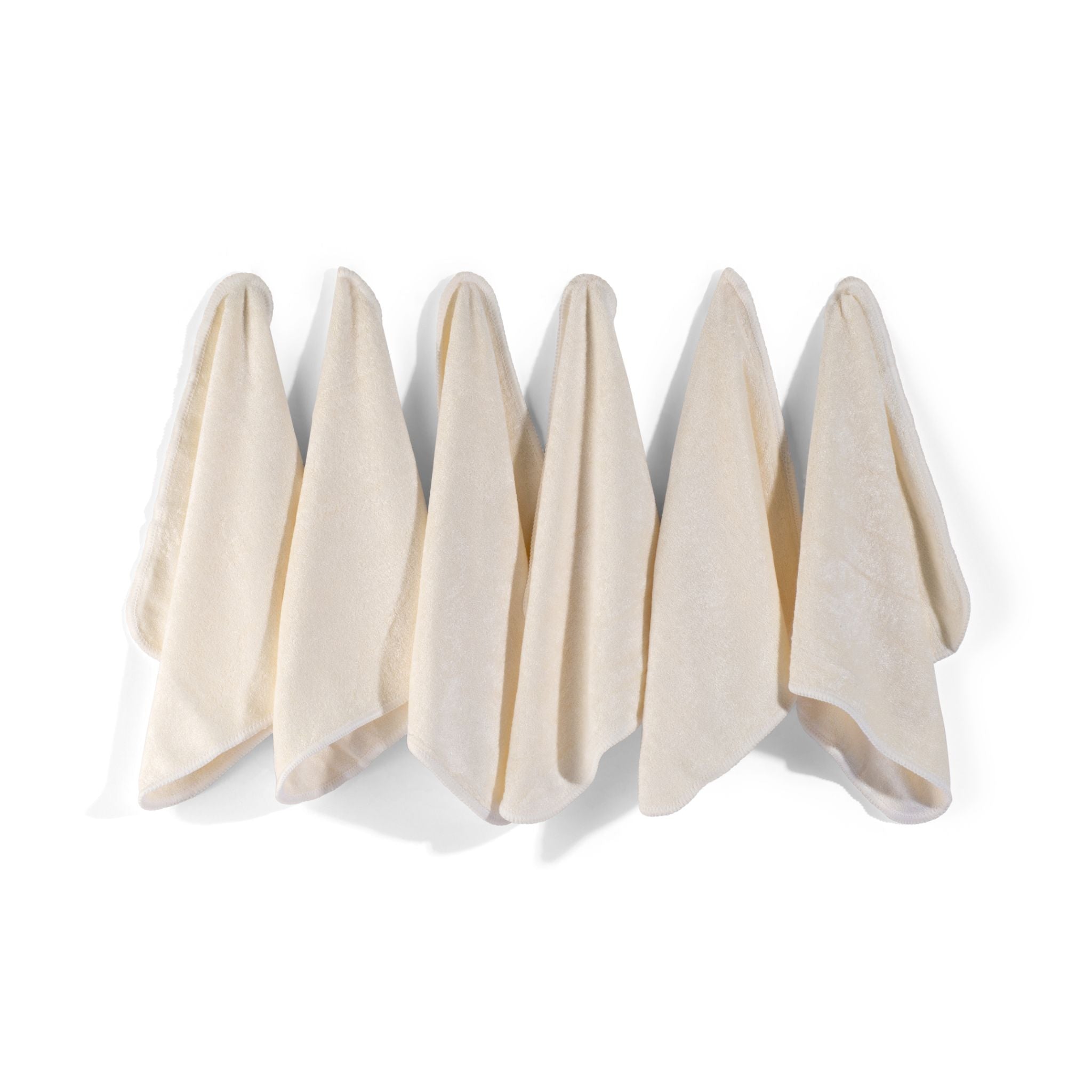
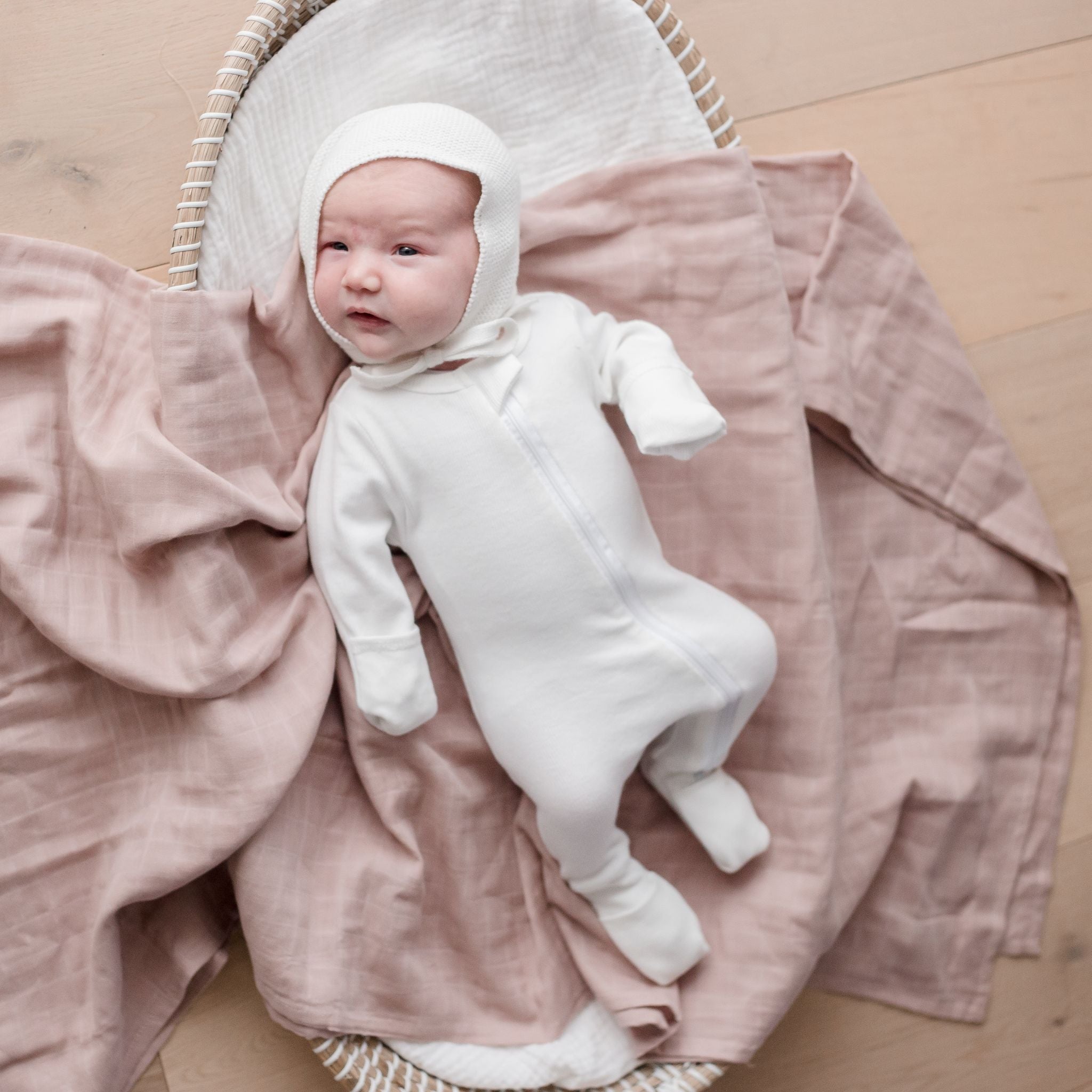

Babies have thinner, more permeable skin than adults. What touches them matters more than most people realise. If you are searching for the best non-toxic products for a baby nursery, you are already asking the right questions. This guide covers what to look for, what to avoid, and how to shop with confidence.
Why Non-Toxic Baby Products Matter for Australian Families
Australian babies spend a lot of time in warm, humid conditions. Sweat, sunscreen, washing powders, and synthetic fabrics all sit against sensitive skin for hours at a time. Repeated exposure to harsh chemicals adds up, especially in the first months when skin barrier function is still developing.
The good news is that safer choices are now easier to find. You do not need to overhaul everything at once. Start with the products that have the most contact time, bedding, clothing, skincare, and nappy care.
What to Look for in Safety-Tested Baby Products
Labels like "natural" and "gentle" are not regulated. They mean nothing on their own. Here is what actually matters.
Certifications worth checking
- OEKO-TEX Standard 100. Textiles tested for harmful substances including pesticides, heavy metals, and formaldehyde. Look for this on clothing, wraps, and bedding.
- GOTS (Global Organic Textile Standard). Covers the full production chain, not just the finished fabric. Stronger than OEKO-TEX for organic claims.
- Australian Certified Organic (ACO). Relevant for skincare and wash products sold in Australia.
- Dermatologically tested. Useful but check who conducted the testing. Independent third-party testing carries more weight than in-house claims.
Ingredients to avoid in baby skincare
- Parabens and synthetic preservatives
- Sodium lauryl sulphate (SLS) and sodium laureth sulphate (SLES)
- Artificial fragrances (listed as "parfum" or "fragrance")
- Mineral oil and petrolatum in barrier creams
- Phthalates in plastic toys and bath products
The Australian Competition and Consumer Commission product safety site publishes recalls and safety alerts. It is worth bookmarking.
Non-Toxic Nursery Essentials: Where to Start
You do not need to replace everything before the baby arrives. Focus on these categories first.
Clothing and wraps
Newborns wear the same outfit for most of the day and night. Organic cotton and bamboo fabrics are soft, breathable, and moisture-wicking, which suits Australian conditions well. Look for OEKO-TEX or GOTS certification so you know the fabric has been tested, not just labelled as organic.
For wrapping, lightweight cotton or muslin wraps are recommended by Red Nose Australia. Stop wrapping at the first signs of rolling or at three months, whichever comes first.
Bedding and sleep environment
Keep the sleep space simple. A firm, flat, well-fitting mattress with a fitted sheet is all a newborn needs. Avoid pillows, loose blankets, cot bumpers, and soft toys in the sleep space. Red Nose recommends nothing in the sleep space for the first 12 months, and no soft toys or comforters until at least seven months.
To check if your baby is comfortable, feel their tummy or back. Cool hands and feet are normal. If they feel hot, sweaty, or clammy, remove a layer. Dress your baby as you would dress yourself for the same room.
Skincare and nappy care
Less is more in the early weeks. A fragrance-free wash, a gentle moisturiser for dry patches, and a simple barrier cream for nappy rash cover most needs. Check ingredient lists rather than front-of-pack claims. If your baby has persistent skin concerns, talk to your GP or a paediatric dermatologist before adding new products. Raising Children Network has straightforward guidance on newborn bathing and skincare routines.
Washing and cleaning
Baby clothes and bedding sit against skin all day. Use a fragrance-free, enzyme-free laundry liquid for newborn items. Avoid fabric softeners on anything worn close to the skin. The same logic applies to surface sprays and disinfectants used in the nursery.
How to Compare Non-Toxic Baby Brands
With so many brands claiming to be the safest, comparison gets confusing. A few practical filters help.
- Does the brand publish its full ingredient lists or certifications? Transparency is a good sign.
- Is the certification current and verifiable? You can search the OEKO-TEX database directly at oeko-tex.com to confirm a certificate number.
- Is the product made for babies specifically, or is it an adult product repositioned? Formulations matter.
- Does the brand have a clear recall or quality process? Australian Consumer Law requires this, but not all brands make it easy to find.
Browse our non-toxic baby essentials range for products that meet these standards. Everything is selected with safety testing and Australian conditions in mind.
Building a Safer Nursery Without the Overwhelm
You will not get everything perfect before baby arrives, and you do not need to. Pick one category, check certifications, read ingredient lists, and move on. A few well-chosen, properly tested products are better than a room full of things labelled "natural" with no evidence behind them.
Start with what has the most skin contact time. Clothing, wraps, and skincare are the highest priority. Nursery furniture and toys can follow as budget and time allow.
Explore our carefully curated collection of safer baby products and take it one step at a time.