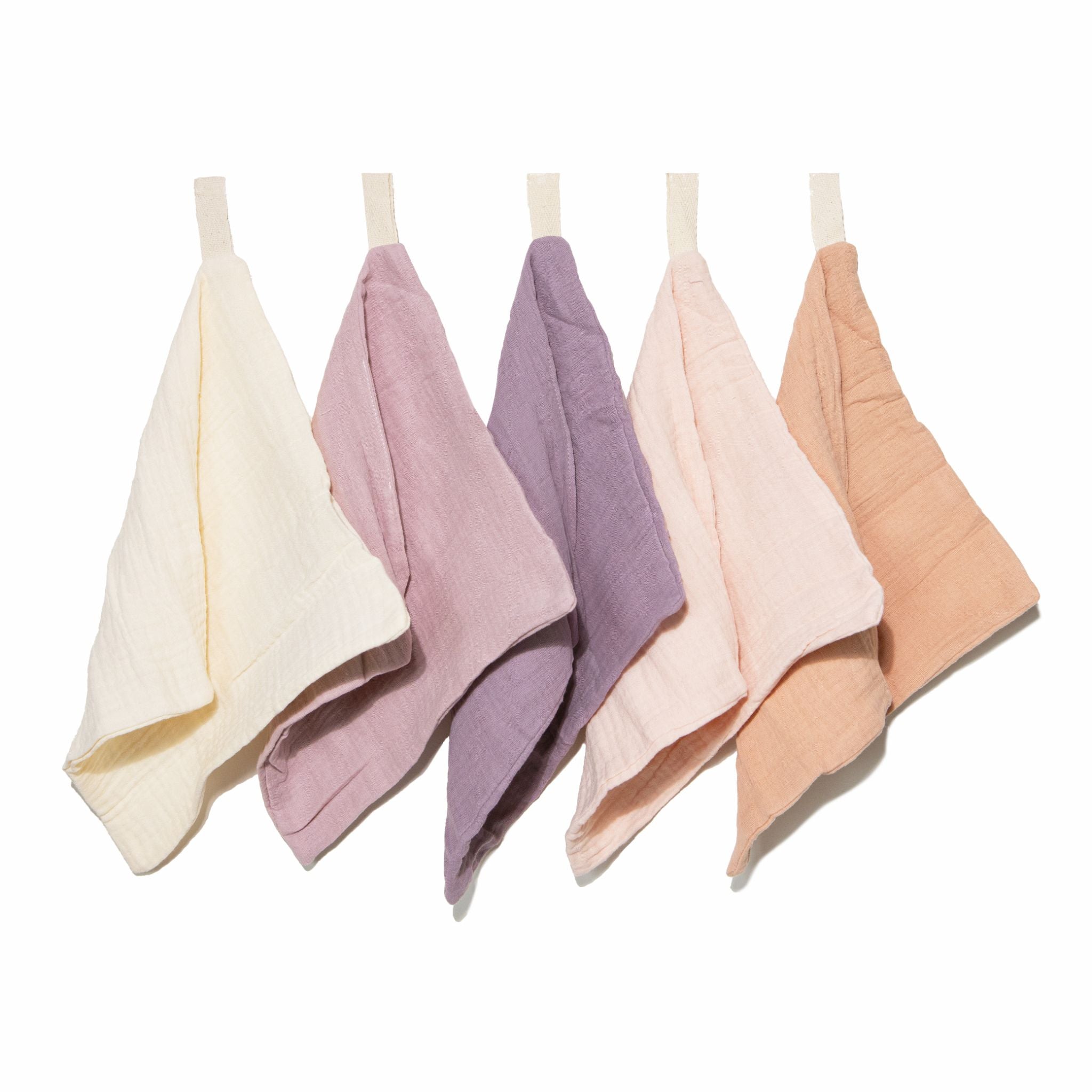

Finding the best baby carrier for a newborn takes more than a quick scroll. Newborns need specific support, and the wrong carrier can be uncomfortable for them and exhausting for you. This guide covers what actually matters, what to look for, and how to carry safely from day one.
Why Baby Wearing Matters for Newborns
Carrying your newborn does more than free up your hands. Your baby hears your heartbeat, feels your warmth, and stays regulated by your body temperature. That closeness supports bonding and can help settle a fussy baby faster than most other techniques.
Research from Raising Children Network shows that skin-to-skin contact and close carrying supports infant brain development, emotional regulation, and breastfeeding success. It is not a trend. It is biology.
What Makes a Baby Carrier Safe for a Newborn
Safety is the first filter. Before style, before price, before anything else.
Product Safety Australia recommends following the TICKS guidelines for safe babywearing:
- Tight: The carrier should be snug enough that your baby cannot slump.
- In view at all times: You should always be able to see your baby's face.
- Close enough to kiss: Your baby's head should be close enough to kiss on the forehead.
- Keep chin off chest: The chin should never be pressed down onto the chest, which can restrict breathing.
- Supported back: Your baby's back should be supported in a natural curved position.
Any carrier you buy should allow all five of these without needing to rig up workarounds.
Best Baby Carrier for Newborns: Wrap vs Structured vs Hybrid
Wrap Carriers
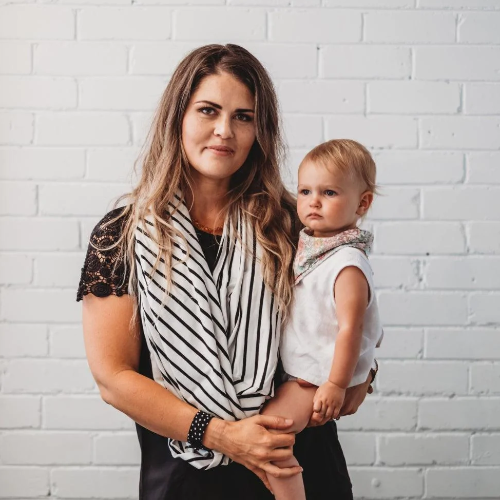
Wrap carriers are long pieces of fabric you tie around your body. They offer a very close, customisable fit and work beautifully for newborns because you can adjust the tension precisely. The learning curve is real, but most parents get the hang of it within a few tries.
The Boba Classic Wrap is a strong choice here. It is made from soft, breathable cotton that moulds to your body and your baby's. Lightweight enough for Australian summers, structured enough to feel secure. If you want to understand exactly what this carrier offers before buying, the full breakdown of the Boba Classic Wrap is worth a read before you decide.
Structured Carriers
Structured carriers use buckles and padded straps. They are quicker to put on than wraps but may need an infant insert to safely carry a newborn, depending on the model. Great for parents who want to get in and out fast.
Hybrid and Mei Tai Carriers
Hybrids sit between wraps and structured carriers. They often tie like a wrap but have a structured body panel. Good for parents who want flexibility without committing to a full wrap.
What to Look for: A Practical Checklist
- Ergonomic seat: Look for an M-position seat that supports your baby's hips and thighs, not just the crotch.
- Head and neck support: Essential for newborns who cannot yet hold their heads up independently.
- Adjustable fit: Babies grow fast. A carrier that adjusts easily will last longer and fit better across growth spurts.
- Breathable fabric: Cotton and cotton blends are reliable choices for the Australian climate. Look for moisture-wicking and soft textures against your baby's skin.
- Machine washable: Non-negotiable. Newborns are messy.
- Carry positions: At minimum, front-facing in and front-facing out. Hip and back carry are useful as your baby grows.
Best Affordable Baby Carrier Options
You do not need to spend a fortune. The most important thing is fit and safety, not price tag. A well-made wrap carrier is often the most affordable option that still ticks every safety box.
If budget matters, wrap carriers are worth prioritising. They have fewer components to wear out, no buckles to replace, and they grow with your baby for longer. Browse our adjustable cotton wrap carrier range to compare options and pricing.
Worth noting: a carrier that does not fit well is money wasted regardless of the price. If you are unsure, look for a brand with clear sizing guidance and a straightforward returns policy.
Carrying in Different Weather and Conditions
Fabric choice matters more than most parents expect. A thick structured carrier in a Queensland summer is a different experience to the same carrier in a Melbourne winter. If you are deciding between a carrier and a pram for cooler months, this guide on choosing between a pram and carrier in cooler weather covers the trade-offs clearly.
For warmer months, lightweight cotton wraps allow airflow around both your body and your baby's. Avoid synthetic fabrics if you run warm or live somewhere humid.
Getting Started With a New Carrier
Practice before your baby arrives if you can. Use a doll or a rolled-up towel to get the tying or buckling process down. Many parents feel overwhelmed the first time, then confident by the third.
Always check the manufacturer's instructions for your specific carrier and refer back to the TICKS guidelines every time until it becomes second nature. When in doubt, start with shorter carries and work up to longer ones as you and your baby find a comfortable rhythm.