
When the cooler months arrive, getting outside with your baby takes a little more planning. The big question most mums face: pram or baby carrier in cooler weather? Both have a place in your routine. The right choice depends on your baby's age, the terrain, and what your day actually looks like.
Why a Baby Carrier Works Well in Cooler Weather
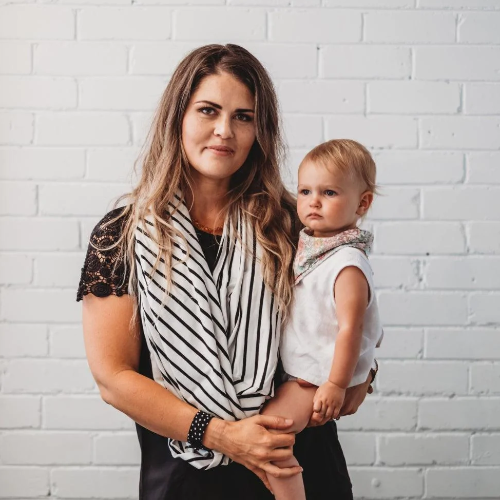
Babywearing comes into its own once the temperature drops. Your body heat transfers directly to your baby, keeping them warm without bulky layers. Babies tucked against your chest stay cosy and calm, which means less fussing on cold-morning walks.
There are other practical wins too. Carriers keep your hands free for older kids, shopping bags, or navigating uneven footpaths. They work on surfaces where prams struggle: steep hills, muddy tracks, markets with tight spaces.
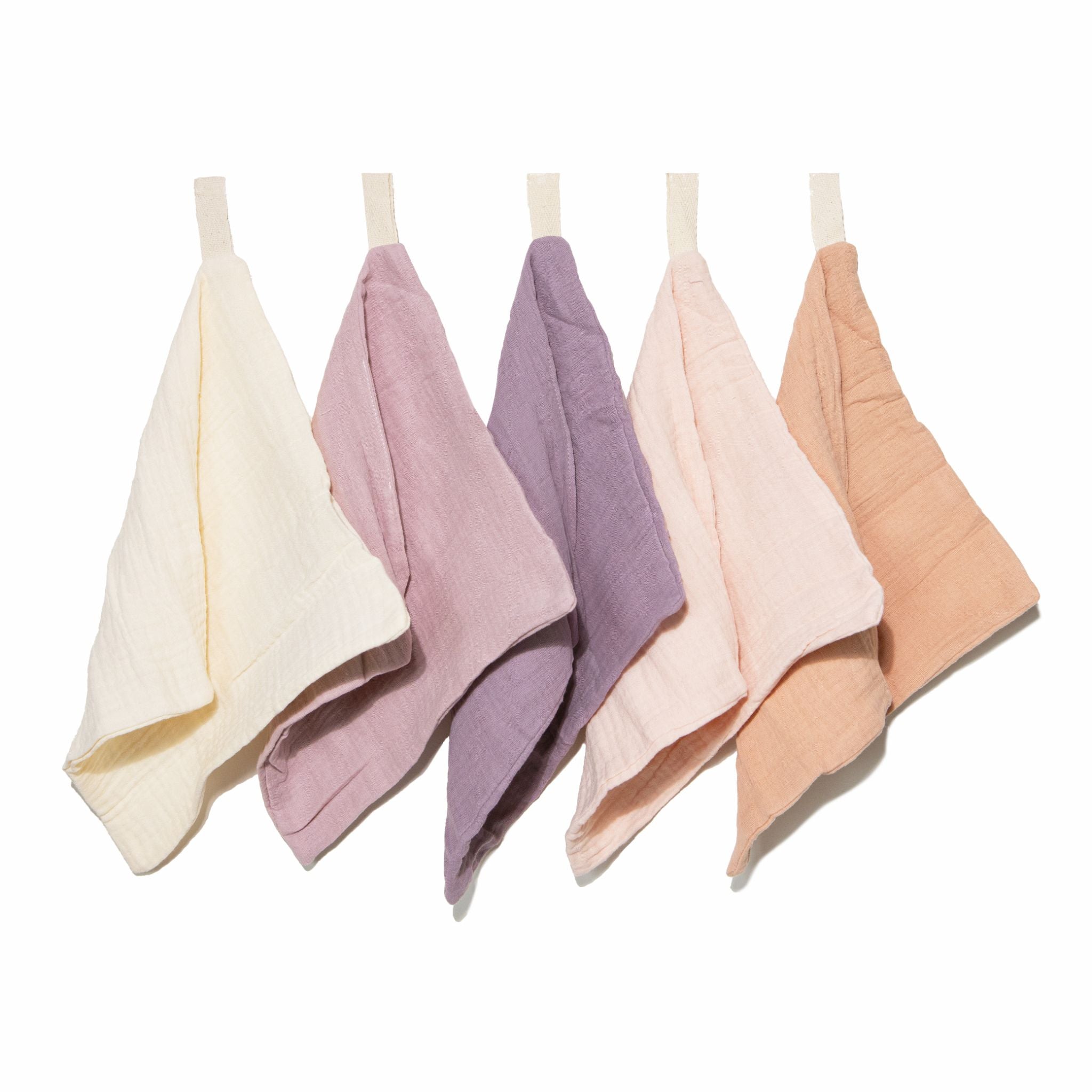
If you are looking for a stretchy, breathable option that grows with your baby, our adjustable cotton wrap carrier range is worth a look. The Boba Classic Wrap moulds to your body and your baby, making it easy to get a snug, safe fit even in winter layers.
For newborns especially, the closeness of a carrier supports bonding and helps regulate your baby's body temperature. Raising Children Network notes that skin-to-skin contact in the early months supports both warmth and infant development.
If you are still weighing up your options for a newborn, our guide on finding a safe and comfortable carrier for your newborn covers what to look for before you buy.
When a Pram Makes More Sense
The pram is not going anywhere. For longer outings, it gives your back a break and gives your baby space to stretch out. Older babies who want to see the world from a different angle often prefer the pram for daytime walks.
Prams also handle storage well. Nappy bag, snacks, extra layers, a bag of groceries: everything fits underneath. On a cool but dry day with flat footpaths, a pram is comfortable and practical for both of you.
In colder conditions, use a pram footmuff or fitted rain cover to keep your baby protected from wind. Dress them in one extra layer compared to what you are wearing, and check their hands, feet, and neck to make sure they are genuinely warm rather than just wrapped up.
Safe sleeping position matters in a pram too. Always ensure your baby is positioned with their face visible and airways clear. Red Nose Australia has clear guidance on safe sleeping and safe carrying positions for babies at every age.
How to Decide Between the Two
There is no single right answer. Many mums use both depending on the day. Here is a practical way to think through the decision.
- Choose a carrier for short outings, crowded places, rough terrain, or when your baby needs settling.
- Choose a pram for longer walks, when you need to carry more gear, or when your older baby wants more space to move.
- On very cold or windy days, a carrier keeps your baby better shielded from the elements than an open pram hood.
- If you are recovering from a caesarean or have lower back concerns, a well-fitted carrier can actually reduce strain compared to pushing a heavy pram on an incline.
- A carrier is easier to use in a car park, on public transport, or in a cafe where prams are awkward.
Layering Tips for Babywearing in Winter
Dressing a baby for a carrier in cooler weather is simpler than it sounds. Dress your baby in the layers they would need indoors, then account for your body heat doing the rest. A light beanie, warm socks, and a wrap-style carrier cover or poncho over both of you is usually enough on mild winter days.
Avoid thick, padded suits inside a carrier. They compress under the carrier's fabric and can affect positioning. A fitted fleece layer under the carrier panel is safer and more effective.
If you want a carrier that works across seasons, browse our Boba Classic Wrap options here. The breathable cotton fabric regulates temperature in both warm and cool conditions, so you are not constantly switching between carriers as the weather changes.
For a deeper comparison of how different carriers perform across Australian seasons, our article on prams versus carriers in cooler Australian weather goes into more detail on what to expect region by region.
Both a pram and a carrier belong in a practical mum's toolkit. Knowing when to use each one makes every outing easier, warmer, and less stressful for everyone.