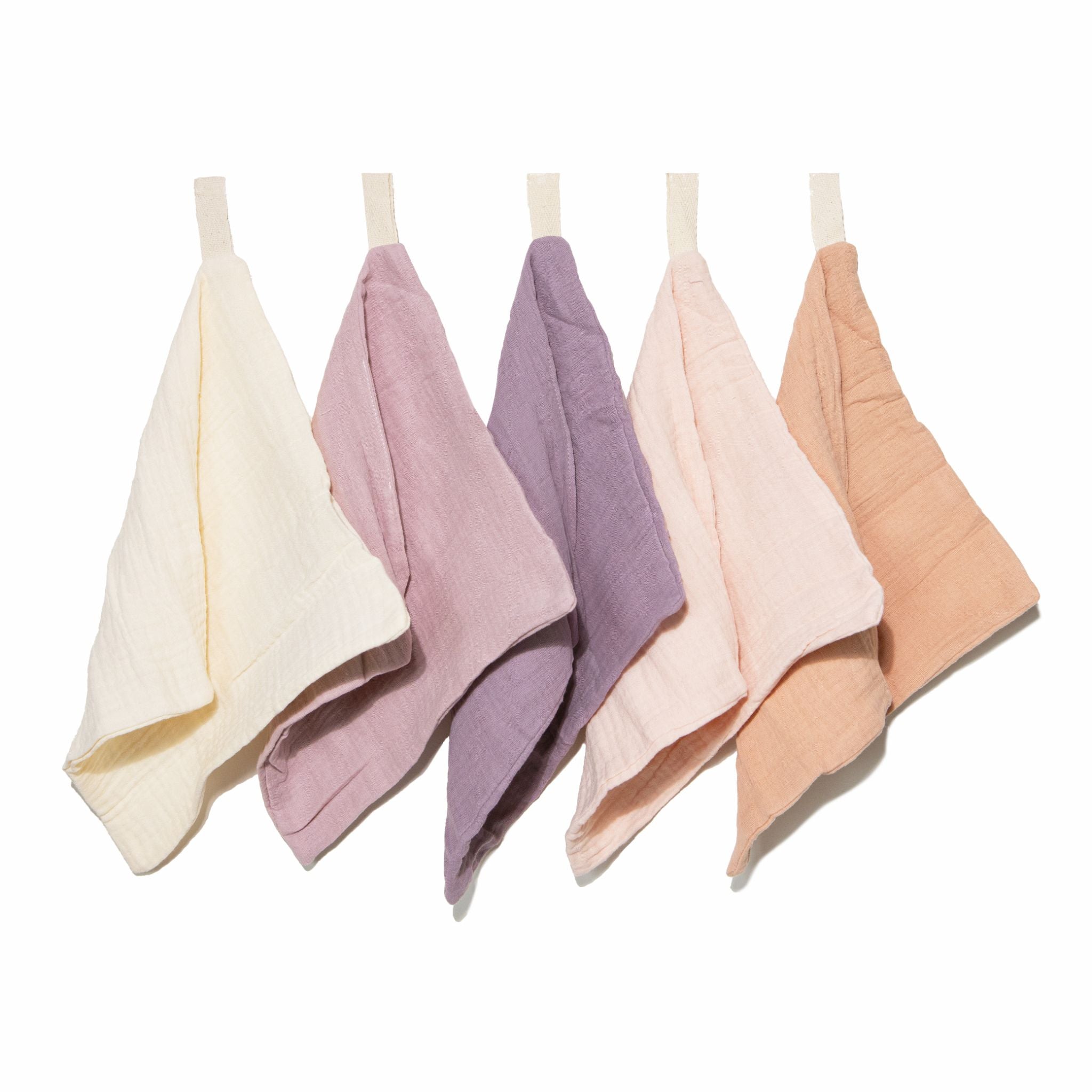

A solid daycare checklist takes the chaos out of morning drop-off. When your feeding kit is consistent, educators know exactly what they have to work with, food stays safe in the Aussie heat, and everything actually makes it home at the end of the day. This guide covers daycare essentials for feeding time, how many bottles and bibs to send, how to pack milk safely, and practical tips that suit Australian childcare routines.
Your Daily Daycare Feeding Checklist
Pack these items every day. Keep quantities consistent so educators are never caught short.
- Bottles or sippy cups, labelled with your child's full name
- Formula or expressed breast milk in the correct quantity for the day
- At least two bibs, more if your baby is teething or a heavy drooler
- A silicone bowl and spoon for solids, if your child is on food
- A sectioned plate or lunchbox for finger foods and older babies
- A small insulated bag or ice pack to keep perishables cold
- Nappy bag stocked with nappies, wipes, and a change of clothes
- A written feeding schedule if your routine is specific
Label absolutely everything. Permanent marker on silicone fades fast. Use waterproof labels or a label maker designed for childcare gear.
Daycare Bottles and Breast Milk Storage
Getting milk to daycare safely is one area where the details really matter. The Australian Breastfeeding Association guidelines on breast milk storage are the clearest reference for how long expressed milk keeps at room temperature, in a cooler, and in the fridge. Follow those guidelines closely, especially in warmer months when ambient temperatures in cars and bags spike quickly.
Practical tips for packing bottles:
- Send one bottle per feed plus one spare
- Pre-label each bottle with your child's name and the date the milk was expressed
- Use an insulated cooler bag with a frozen ice pack, not just a standard bag
- Ask your daycare centre about their fridge policy before the first day
- Pack formula in a separate sealed container and ask educators to make it fresh, rather than pre-mixing
Feeding Gear Worth Packing for Solids
Once your baby is on solids, the daycare kit grows a little. The goal is gear that is easy for educators to use, safe for shared environments, and simple enough to clean thoroughly every evening.
Silicone bowls and plates are a practical choice here. They are lightweight, do not shatter if dropped, and go straight into the dishwasher. If you are putting together a set for daycare use, our silicone mealtime range has bowls, plates, and spoons designed to hold up to daily childcare use. Worth choosing colours or styles that differ from what you use at home so the sets stay separate.
One thing to know about silicone: tomato-based foods and curries can leave staining or odour over time. That is normal and does not mean the product is unsafe. If you notice it happening, there are straightforward ways to remove stains and odours from silicone bowls without damaging the material.
For 10 month olds and older babies eating finger foods at daycare, a divided plate or lunchbox works well. Pack soft pieces of fruit, cooked vegetables, cheese cubes, or small sandwiches. Keep portions small and avoid whole grapes, whole cherry tomatoes, or anything round and firm that poses a choking risk. The Raising Children Network guide to safe finger foods is a useful reference for age-appropriate textures and sizes.
Keeping the System Running
The logistics are easier when you build a reset routine at the end of each day. Unpack the daycare bag as soon as you get home, wash everything that evening, and repack it before bed. That way morning drop-off is just a quick check rather than a scramble.
A few habits that help:
- Keep a dedicated set of feeding gear just for daycare so nothing goes missing from your home kit
- Buy an extra bib or two at the start so you always have a clean one ready
- Check labels monthly and replace any that have worn off
- Keep a printed copy of your baby's feeding schedule in the bag, not just saved on your phone
If you are still choosing gear before your baby starts care, it helps to understand what materials are worth using around food. Silicone is a common choice and for good reason. For a clear breakdown of why, read about silicone safety for babies and young children before you buy.
Getting the kit right before day one makes a real difference. Educators appreciate consistency, babies settle better when their routine transfers smoothly, and you lose fewer items each week. Start with the checklist above and adjust the quantities to match your child's schedule and age.