

The baby clothing aisle is overwhelming. Every brand promises the world, every "must-have" list contradicts the last. If you are building a newborn wardrobe and want to skip the guesswork, you are in the right place. This is the newborn clothing edit, a curated collection of organic essentials chosen for Australian babies and the parents dressing them in a hurry at 3am.
What Makes a Good Newborn Wardrobe
Newborns go through a lot of outfits. Spills, nappy blowouts, unexpected spit-up. The clothing you reach for most will be soft, easy to get on and off, and made from fabrics that work in Australian conditions. That means breathable over bulky, natural fibres over synthetic, and simple fastenings over fiddly buttons.
Organic cotton and bamboo-blend fabrics are the sweet spot. They are soft against new skin, moisture-wicking, and gentle on the environment. They also wash well, which matters more than it sounds in the first few months.
If your baby resists getting dressed, you are not alone. Choosing the right necklines and fastenings makes a real difference. Our guide on what to do when your baby hates getting dressed walks through practical strategies that actually help.
What to Actually Buy for a Newborn
Keep it simple. Newborns grow fast, and they need far fewer items than most shopping lists suggest. A practical starting point looks like this.
- Six to eight bodysuits in sizes 0000 and 000, with envelope necklines for easy on and off
- Four to six zip or popper sleepsuits for overnight changes without waking your baby fully
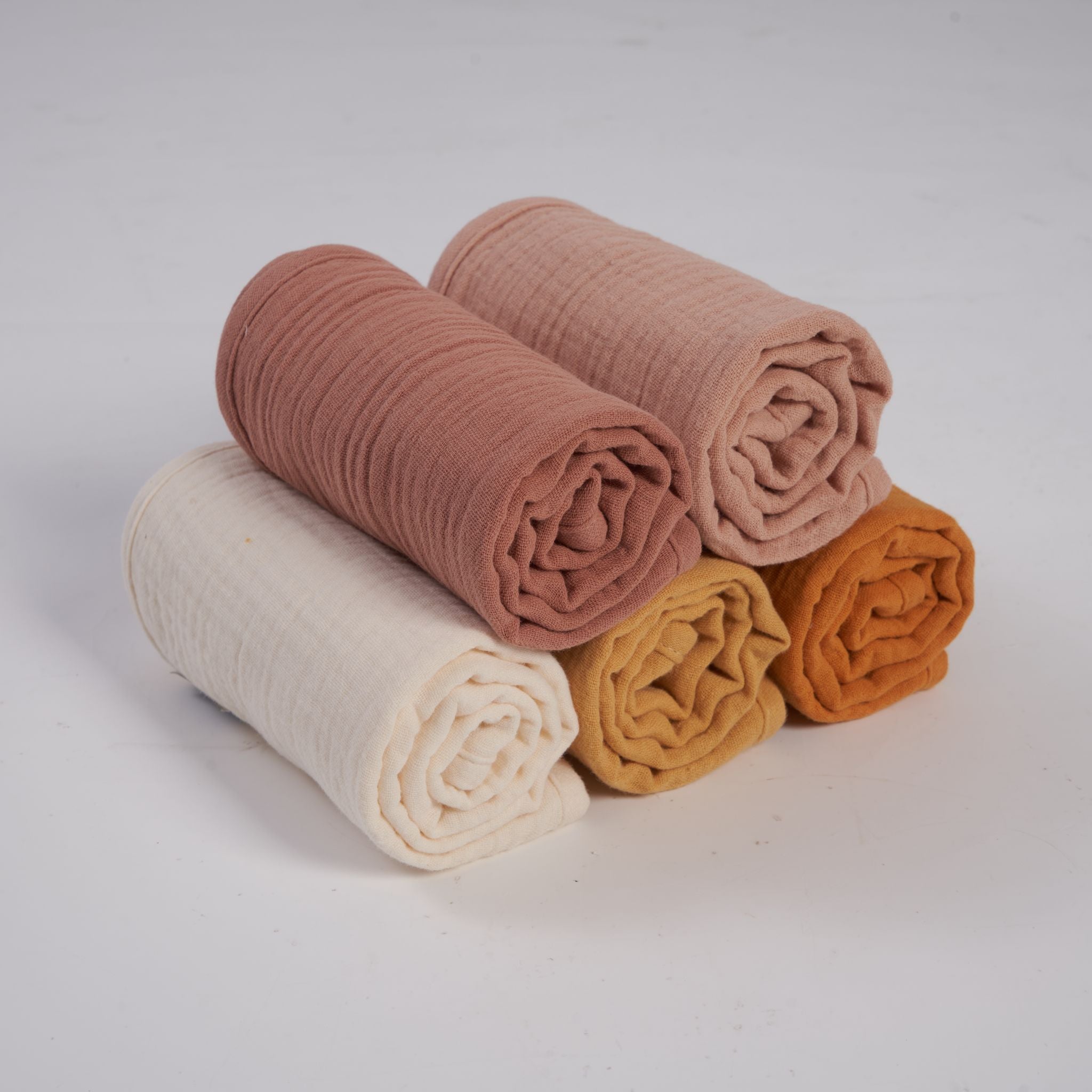
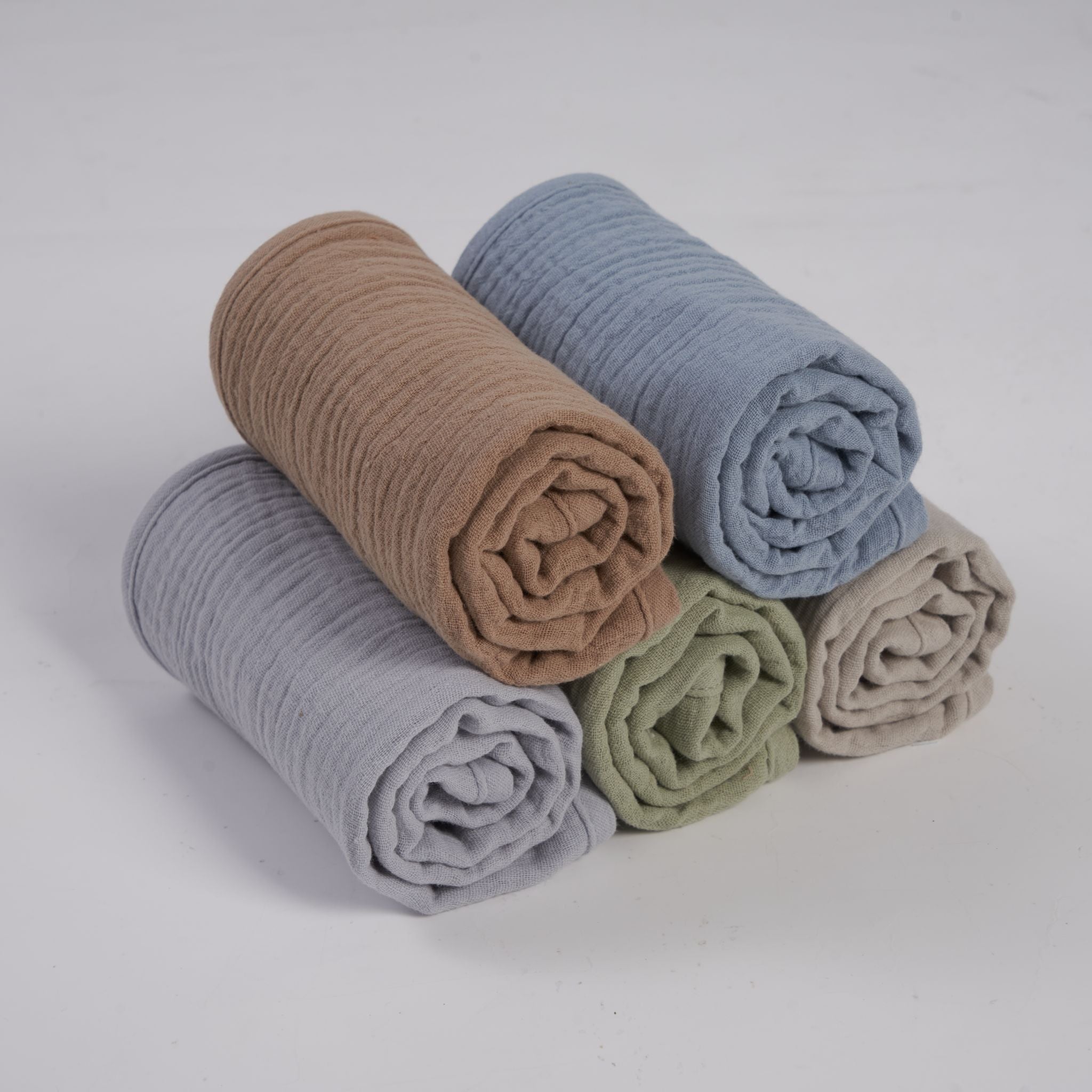
- Two to three lightweight cotton or bamboo swaddle wraps for settling and sleep
- Two to three pairs of scratch mitts and soft socks
- One or two warm layers like a zip-up footie or a knit cardigan depending on your season
Avoid buying too heavily in newborn sizing. Many babies skip it entirely or outgrow it within weeks. Size 000 tends to get the most wear in the early months.
Not sure whether to reach for a stretchy wrap or a muslin? Our breakdown of muslin versus stretchy swaddle options explains the differences so you can choose what suits your baby.
Safe Sleep and What Your Baby Wears at Night
Sleepwear choices matter for safety, not just comfort. Red Nose Australia's advice is to avoid overheating by dressing bub as you'd dress yourself for the room and feeling their tummy or back, rather than assuming warmer is safer. You can read their safe sleep guidance at Red Nose Australia.
Opt for fitted sleepwear over loose garments at night. Avoid anything with drawstrings, ribbons, or decorative elements that could pose a risk. Zip-up sleepsuits with a covered zip tab are a practical choice for overnight wear.
The Raising Children Network also has useful guidance on dressing babies appropriately for sleep across different seasons.
Building a Minimal but Complete Newborn Edit
The goal is a small collection of pieces that work together, wash well, and hold up through repeated use. Neutral colours and simple shapes mean everything mixes and matches without effort. You are not dressing for Instagram, you are dressing a baby you will change six times before noon.
Think in capsule terms. A handful of bodysuits, a few sleepsuits, one or two swaddles, and a warm outer layer. That is genuinely all you need to start. You can add to it as you learn what your baby tolerates and what the season calls for.
For a full seasonal approach, our article on building a practical winter baby wardrobe without the excess is worth a read before you shop.
Ready to put it together? Browse our carefully selected newborn essentials and find the pieces that will actually get worn.