

Dummy or no dummy. It is one of the first big decisions new parents face, and it rarely comes with a clear answer. Both choices are valid. What matters is having good information so you can decide what works for your baby and your family.
There Is No Universal Right Answer
Plenty of parents use dummies without issue. Plenty of others never bother and get on just fine. The decision comes down to your baby's needs, your feeding situation, and what feels manageable day to day.
What the evidence does suggest is that if you choose to use a dummy, timing and safe use matter. Red Nose Australia notes that dummy use during sleep may reduce the risk of sudden unexpected death in infancy. That is worth knowing, but it does not mean you must use one.
If You Are Breastfeeding, Timing Matters
The general guidance from Raising Children Network is to wait until breastfeeding is well established before introducing a dummy. For most mums, that means waiting around four to six weeks. Introducing one too early can interfere with your supply and your baby learning to latch well.
If you are formula feeding or breastfeeding is already going smoothly, you have more flexibility on timing.
Practical Tips If You Decide to Use a Dummy
There are a few things that make dummy use safer and less stressful over time.
- Choose a one-piece dummy with a shield large enough that it cannot fit entirely in your baby's mouth. Shields with ventilation holes are a good pick.
- Never attach a dummy to a cord, ribbon or clip around your baby's neck. Strangulation risk is real.
- Do not dip dummies in honey, sugar syrup or anything sweet. Honey is unsafe for babies under 12 months.
- Offer the dummy at the start of a sleep. If it falls out once your baby is asleep, there is no need to put it back.
- Check dummies regularly for cracks, stickiness or any sign of wear and replace them when needed.
- Sterilise dummies regularly, especially in the early months.
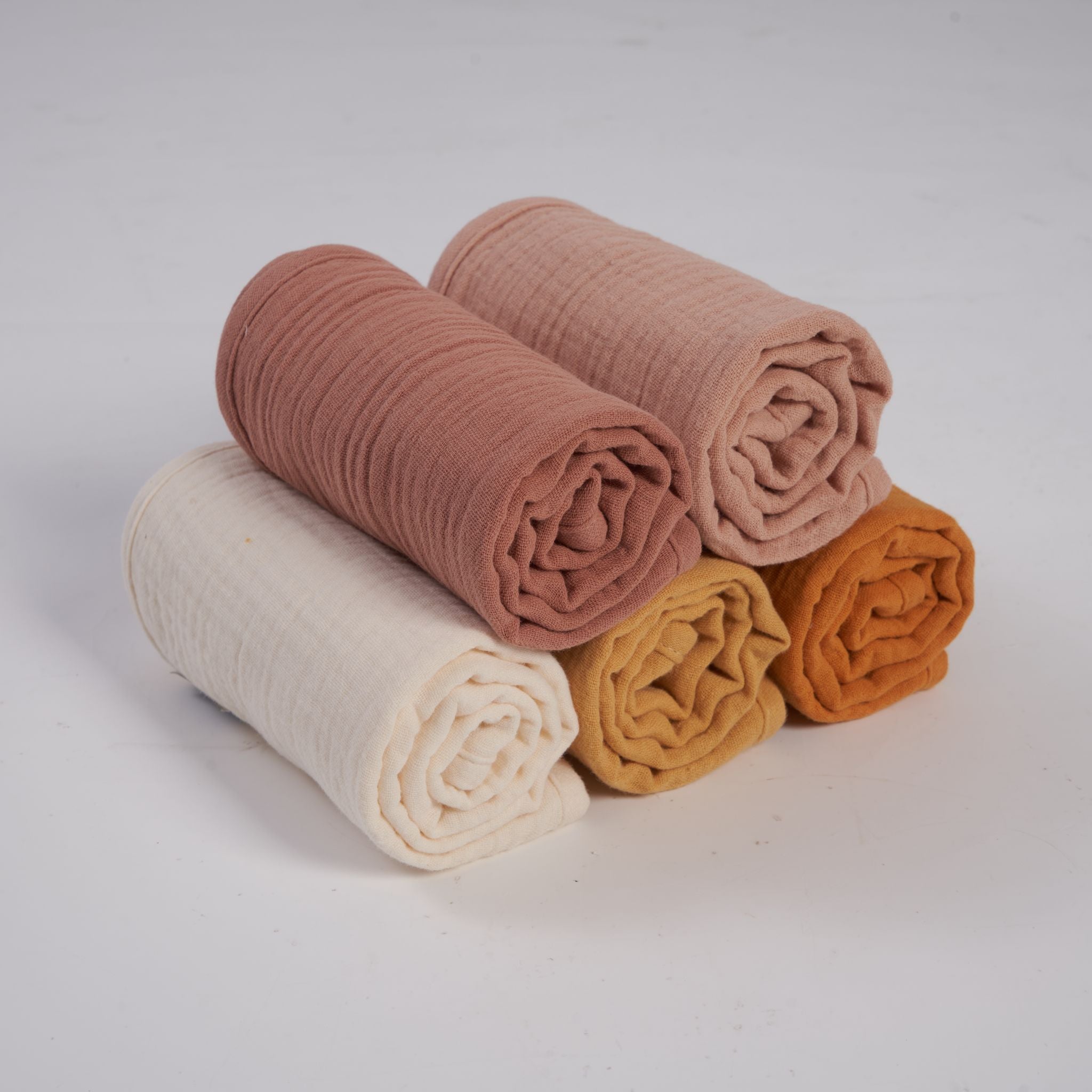
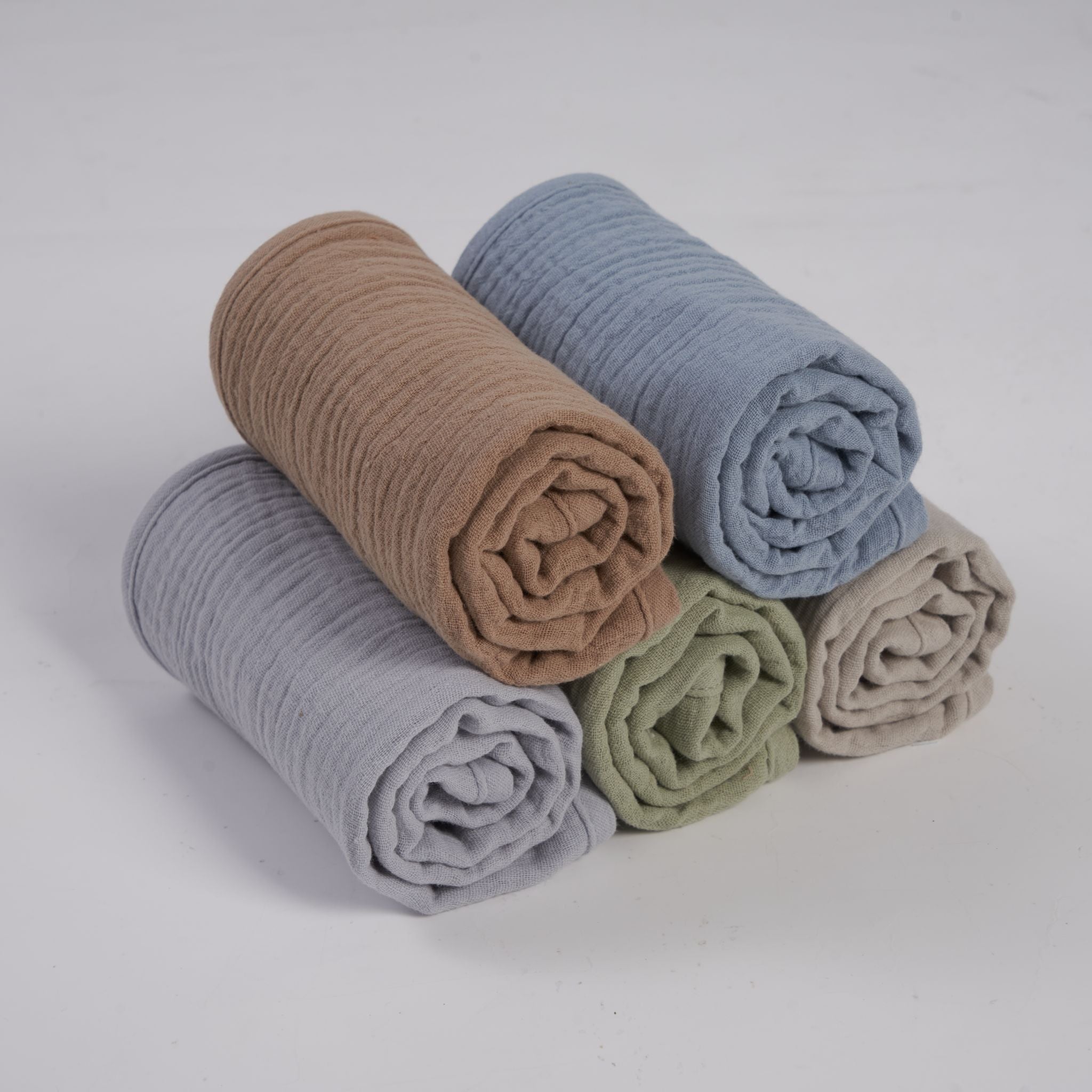
If you are also thinking about wrapping your baby for sleep, it is worth knowing that Red Nose recommends lightweight cotton or muslin wraps. They also advise stopping wrapping at the first signs of rolling or by three months, whichever comes first. More detail on safe sleep layering and how wraps compare to other options can help you put together a routine that works.
What to Think About If You Would Rather Skip the Dummy
Not using a dummy is a perfectly reasonable choice. Some babies have no interest in them at all. Others settle well with other soothing methods such as feeding, rocking, skin-to-skin contact or a gentle pat.
If your baby is a strong sucker by nature, some parents find a dummy genuinely useful for settling between feeds. Others find it creates more work when it gets lost at 2am. Only you can weigh that up.
When to Think About Weaning Off the Dummy
Most health guidance suggests that dummy use beyond 12 months can affect tooth and jaw development over time. There is no hard deadline, and plenty of toddlers use dummies past that age without major issues. Gradual weaning tends to be less distressing than going cold turkey, and many families find somewhere between 12 and 24 months works well for them.
Starting to limit dummy use to sleep times only is often the easiest first step before phasing it out altogether.
Safe Sleep Basics That Apply Regardless of Your Decision
Whether you use a dummy or not, the same safe sleep foundations apply. Keep your baby's head and face uncovered. Dress them as you would dress yourself for the room. Feel their tummy or back to check warmth. Cool hands and feet are normal. If they feel hot, sweaty or clammy, take a layer off.
A well-fitted cot sheet is part of a safe sleep setup too. Loose bedding that can bunch or slip is a hazard. Our guide on getting a snug, safe cot sheet fit walks you through what to look for.
For more nursery essentials that support safe, practical parenting from day one, browse what we have put together for Australian families.