
Choosing the right setup for baby bath time in winter is a bit like picking between a baby bath tub and a winter jacket. Both matter, but they solve different problems. The bath tub keeps your baby safe and contained in the water. The warm room, the warm towel, the layers you pull on straight after, those are your winter jacket. Get both right and bath time stays calm, warm, and stress-free even on the coldest nights.
The air is colder, babies lose heat fast, and a few small missteps can turn a calm routine into a stressful one. Here is exactly what to do to keep bath time safe and comfortable when the temperature drops.
What Is the Right Baby Bath Water Temperature in Winter?
The water should sit between 37°C and 38°C. That is roughly body temperature. It will feel warm but not hot on the inside of your wrist or elbow.
In winter, the bathroom air is colder. Water that felt fine in summer cools down faster now. Always check the temperature just before you lower your baby in, not five minutes earlier while the bath is running.
A bath thermometer removes all guesswork. Duck-shaped thermometers with a colour change indicator are easy to read at a glance. If you do not have one, use the inside of your wrist or your elbow. Never use your hand. Your palms and fingers are less sensitive to heat and will misjudge the temperature.
- Aim for 37°C to 38°C every time
- Check the temperature right before bathing, not in advance
- Use a bath thermometer for accuracy
- Never add hot water while your baby is in the tub
Warm the Bathroom Before You Undress Your Baby
A warm room matters as much as warm water. Babies lose body heat quickly when wet and undressed, especially in a cold bathroom.
Run the warm bath first. Let the steam lift the room temperature before you bring your baby in. Close the bathroom door to hold the heat in. If your bathroom stays cold even with the bath running, a small portable heater placed safely away from water can help. Keep it well out of reach and away from any splash zone.
The target room temperature is around 22°C to 24°C. This is warm enough to keep your baby comfortable between washing and drying. A simple room thermometer on the bathroom shelf takes the guesswork out of this too.
How to Keep Baby Warm During Bath Time
Keep the bath short in winter. Five to ten minutes is enough. Longer baths give the water more time to cool, and they can dry out newborn skin too.
Pour warm water over your baby's body throughout the bath using a small cup. This keeps their skin warm and stops them from getting cold while you wash their hair or body. A newborn or young baby at five months old has very little body fat for insulation, so this small habit makes a real difference.
Never leave your baby unattended in the bath, even for a second. In winter, stepping out to grab a forgotten towel means a cold baby waiting on wet skin. Have everything ready before you start.
- Warm towel on the rail or radiator before the bath
- Fresh nappy, pyjamas and sleep sack laid out nearby
- Nappy cream and any products within arm's reach
- Room heater on and at a safe distance
What to Do If Your Baby Is Shivering After the Bath
A one year old shivering after a bath is usually a sign the room was too cold, the drying took too long, or the layers went on too slowly. Shivering is the body trying to generate heat. It is not always a sign of illness, but it is a sign to act quickly and warm your baby up.
Wrap them in a warm, dry towel immediately. Hold them against your body. Your body heat helps. Once dry, dress them in warm layers straight away. If the shivering continues for more than a few minutes after they are dressed and held, or if your baby seems unwell, check in with your GP or maternal child health nurse.
Preventing this is straightforward. Warm the room before undressing your baby. Have the towel warm and ready. Move from bath to dry to dressed as quickly and calmly as you can.
Choosing a Baby Wash for Winter Baths
Winter skin is drier. Cold air, indoor heating, and frequent bathing all strip moisture from delicate baby skin. The best baby wash for quick rinse during winter baths is one that is soap-free, fragrance-free, and gentle enough for daily use without stripping natural oils.
Look for washes with ingredients like oat extract or aloe vera. Avoid anything with alcohol or strong fragrance. A small amount of wash goes a long way on baby skin. You do not need much.
After drying, apply a gentle baby moisturiser while the skin is still slightly warm. This locks in hydration before the cold air has a chance to dry the skin out again. Pay attention to cheeks, hands, and any areas that tend to get dry or red.
How to Keep Baby Warm After the Bath
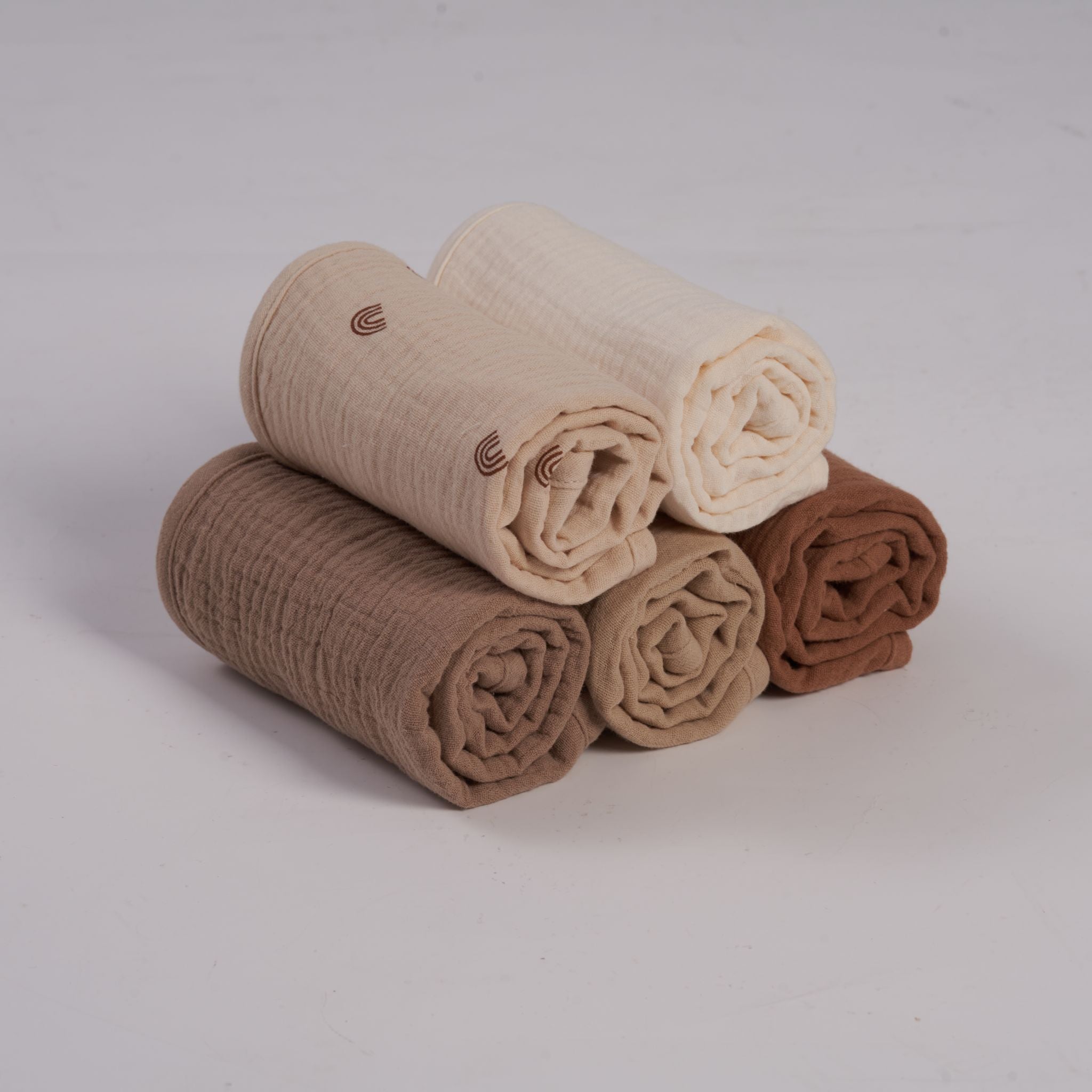
Lift your baby straight into a warm, dry towel. Hooded towels work well here. They wrap around the head and body in one move, which matters because babies lose a significant amount of heat through their heads.
Pat dry, do not rub. Newborn and infant skin is delicate. Pat carefully in the folds of the neck, underarms, and nappy area. Moisture left in skin folds can cause irritation and redness.
Dress your baby quickly. In winter, add an extra layer compared to warmer months. A long-sleeve onesie under a zip-up sleepsuit works well. If your baby is going straight to sleep, a sleep sack over the top adds warmth without the risk of loose blankets.
Bath time in winter often flows straight into the bedtime routine. A warm, dim room helps signal to your baby that sleep is coming. A soft nightlight keeps the space calm and means you can settle your baby without turning on bright overhead lights.
Quick Winter Bath Time Checklist
- Room temperature at 22°C to 24°C before undressing your baby
- Bath water at 37°C to 38°C, checked just before bathing
- Warm towel ready on the rail or radiator before you start
- Pyjamas and nappy laid out in the warm room
- Bath kept to five to ten minutes
- Pour warm water over your baby throughout to maintain warmth
- Dress your baby immediately after drying
- Gentle soap-free wash and moisturiser ready to use
A consistent winter bath routine keeps your baby safe and comfortable. Once you have the temperature and the setup right, it becomes second nature fast.