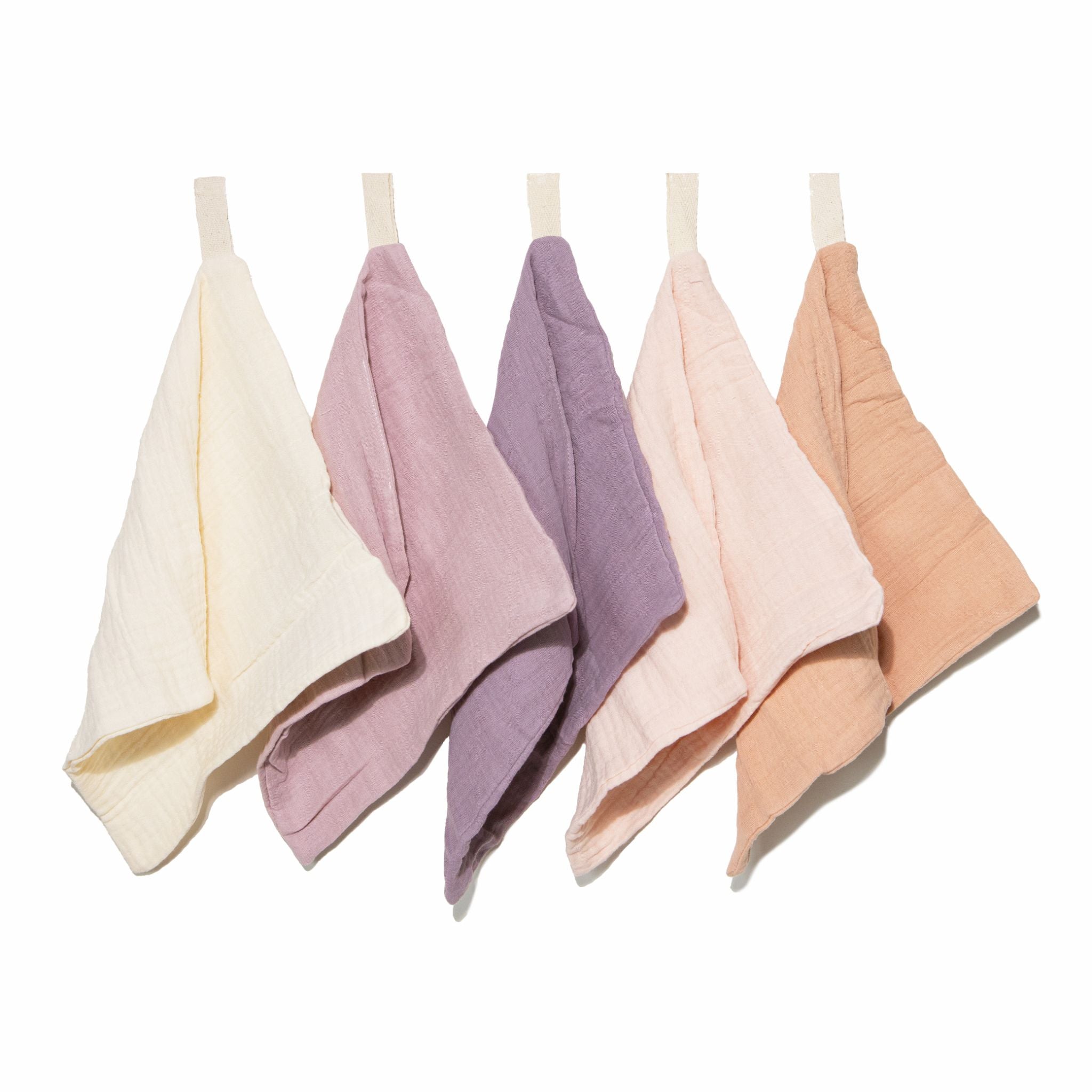

Finding the right baby sleep suit can make a real difference to how well your little one settles at night. This baby sleepwear guide covers everything you need to know, from TOG ratings and fabric choices to sizing and safe sleep setup. Whether you are moving on from swaddling or starting fresh, sleep suits take the guesswork out of keeping baby warm, safe, and comfortable all night.
Shop our organic baby sleepwear.
What Is a Baby Sleep Suit?
A baby sleep suit is a wearable garment designed to replace loose blankets in the cot. It keeps baby at a comfortable temperature without the suffocation risk that loose bedding carries. Think of it as a sleeping bag your baby wears. Arms stay free, legs are snug, and rolling or wriggling does not kick off the covers.
They are sometimes called sleep sacks, sleeping pouches, or swaddle transition suits. The name changes depending on the brand, but the purpose is the same: a safe, contained sleep space that moves with your baby through the night.
When to Switch From Swaddling to a Sleep Suit
Most babies are ready to move out of a swaddle between 2 and 4 months. The clearest sign is when they start rolling. Once that happens, swaddling becomes a safety risk because a wrapped baby cannot push up if they roll face-down. A sleep suit with free arms is the natural next step.
Some suits include a swaddle option for newborns, with wings or wraps that fasten across the chest. These make a good bridge if your baby still loves that snug feeling but is getting close to rolling age. Red Nose Australia's safe sleeping guidelines recommend transitioning away from swaddling as soon as your baby shows any signs of rolling.
How to Choose the Best Sleep Suit for Your Baby
There are a few things worth checking before you buy. Go through each one and you will end up with a suit that works for your baby's size, your home's temperature, and your own sanity at 3am.
TOG Rating
TOG measures warmth. A 0.5 TOG suits warm Australian summers. A 1.0 TOG works well for mild weather. A 2.5 TOG is the right choice for cooler nights and winter. Match the TOG to your actual overnight room temperature, not the season on the calendar. Australian seasons vary enormously depending on where you live.
Size
Sleep suits are sized by weight, not age. Always check the weight range on the label before you buy. A suit that is too large creates excess fabric near the face and neck, which is a safety concern. A suit that is too snug restricts movement and can cause overheating.
Fabric
Cotton and bamboo are the most popular choices. Both are breathable and gentle on sensitive skin. Bamboo has a slight edge in temperature regulation because it is moisture-wicking and silky soft against delicate skin. That is particularly useful in Australia, where nights can shift between warm and cool within the same week. If your baby has sensitive skin or eczema, look for OEKO-TEX certified fabrics with no harsh dyes or chemical finishes.
Zip Style
A two-way zip makes nappy changes at night much easier. You do not need to fully undress baby, which helps keep them calm and drowsy during those midnight changes. A zip that opens from the bottom up is the most practical design for most parents.
Arm Options
Some suits have removable sleeves or convertible arm pouches. These give you flexibility as seasons change or as your baby moves between different sleep environments, like a cooler room at home versus a warmer room when travelling.
Baby Sleeping Bag Guide: Matching TOG to Room Temperature
Australian homes vary a lot in how they hold temperature overnight. Air conditioning, open windows, and the difference between coastal and inland climates all play a part. A simple rule: if you feel comfortable in a light layer, your baby probably needs a 1.0 TOG. If you are reaching for an extra blanket yourself, a 2.5 TOG is likely the right call.
Use this as a starting point:
- Above 24°C: 0.5 TOG, or a light cotton suit with no extra layers underneath
- 20 to 24°C: 1.0 TOG with a short-sleeved bodysuit
- 16 to 20°C: 2.5 TOG with a long-sleeved bodysuit
- Below 16°C: 2.5 TOG with a long-sleeved bodysuit and consider a warmer layer underneath
Avoid overdressing baby under a high TOG suit. Overheating is a known risk factor for unsettled sleep and is linked to SIDS. If baby feels sweaty at the back of the neck, they are too warm. Raising Children Network's advice on baby sleep and temperature recommends checking the back of the neck rather than hands or feet, as these are naturally cooler.
Room temperature between 18 and 22 degrees Celsius is generally considered the safe sleep range. A simple digital thermometer in the nursery removes the guesswork entirely and is one of the most useful things you can add to the room.
Common Sizing Mistakes to Avoid
Sizing by age is the most common mistake parents make when buying sleep suits. Babies vary so much in their growth rate that age labels are unreliable. A baby who is on the larger side of average will be swimming in a suit sized for their age bracket, creating a safety hazard.
Always weigh your baby at your most recent maternal and child health check, then match that weight to the suit's label. When your baby is sitting near the top of a weight range, size up. A slightly roomier fit is safer than a suit they are about to outgrow.
Also check the neck opening. It should be snug enough that it cannot slip over baby's face during sleep, but not so tight it is uncomfortable to put on or take off.
Setting Up the Sleep Environment
A good sleep suit is one part of the picture. The rest of the sleep environment matters just as much. A dark, cool room with minimal stimulation helps signal to baby that it is time to rest. Many parents find that adding white noise to the nursery routine helps babies settle faster and stay asleep longer, especially in homes with background noise from traffic, siblings, or a busy household.
Lighting plays a role too. A soft, dimmable light makes night feeds and nappy changes manageable without fully waking baby. Look for options with a warm-toned glow that will not disrupt melatonin production for either of you.
Caring for Baby's Skin Overnight
Babies who run warm overnight can be prone to heat rash, particularly around the neck and torso where the suit sits close to the skin. Choosing breathable fabric and the right TOG rating is the first line of defence. Dressing baby in a soft, close-fitting bodysuit underneath the sleep suit rather than a bulkier layer also helps reduce friction and pilling against sensitive skin.
If your baby has dry or eczema-prone skin, think about what goes on the skin before the suit goes on. A fragrance-free moisturiser applied at bath time can help maintain the skin barrier through the night. Our guide to caring for baby's skin in hot and humid weather covers what to look for in moisturisers and how to avoid irritation during warmer months.
Quick Checklist Before You Buy
- Check the TOG rating against your average overnight room temperature
- Size by weight, not age
- Look for a two-way zip for easier nappy changes
- Choose breathable fabric, especially in warmer climates
- Confirm there is no excess fabric near the face or neck
- Check the neck opening is snug but not restrictive
- Consider removable sleeves if you want year-round flexibility
Get those basics right and you have removed one of the biggest variables in getting a good night's rest for everyone.