

Choosing a baby carrier is one of those decisions that feels simple until you start researching. Wraps, structured carriers, ring slings. They all keep your baby close and free your hands, but they work very differently. The right choice depends on your baby's age, your body, and how you actually spend your days.
Why Closeness Matters in the Early Months
Babies arrive expecting to be held. The womb was warm, snug, and full of familiar sound. The outside world is none of those things. Physical closeness helps settle newborns, supports temperature regulation, and strengthens the parent-child bond. It also makes feeding and settling far easier when your hands are free to get on with things.
Babywearing is not just convenient. Research from Raising Children Network supports that responsive caregiving in the early months, including physical closeness, helps build secure attachment. That said, safe positioning matters every time you carry. Check the T.I.C.K.S. guidelines via Red Nose Australia to make sure your baby is positioned safely in any carrier style.
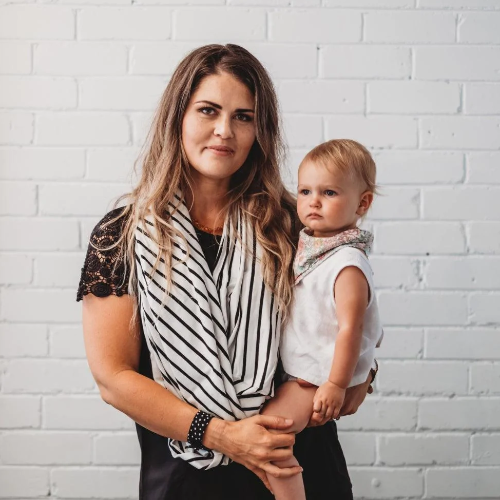
Stretchy Wraps: Best for Newborns and Small Babies
A stretchy wrap is a long piece of fabric, usually two to five metres, that you tie around your body before placing your baby inside. There is a learning curve, but most parents get the hang of it within a few days.
Stretchy wraps are particularly well suited to newborns. The fabric moulds around a small, curled body and distributes weight evenly across your torso and shoulders. That makes them comfortable for extended wear, even in the early weeks when babies want to be held constantly.
What to look for in a stretchy wrap
- Soft, breathable fabric that moves with you and your baby
- Enough stretch to wrap securely without becoming saggy
- A width that supports the back of your baby's knees, keeping hips in an M-position
- Machine washable and easy to care for
Most stretchy wraps suit babies from birth up to around 8 kilograms. After that, the fabric can lose its supportive structure and start to feel unstable. If you want to carry beyond those early months, you will likely want to transition to a structured carrier.
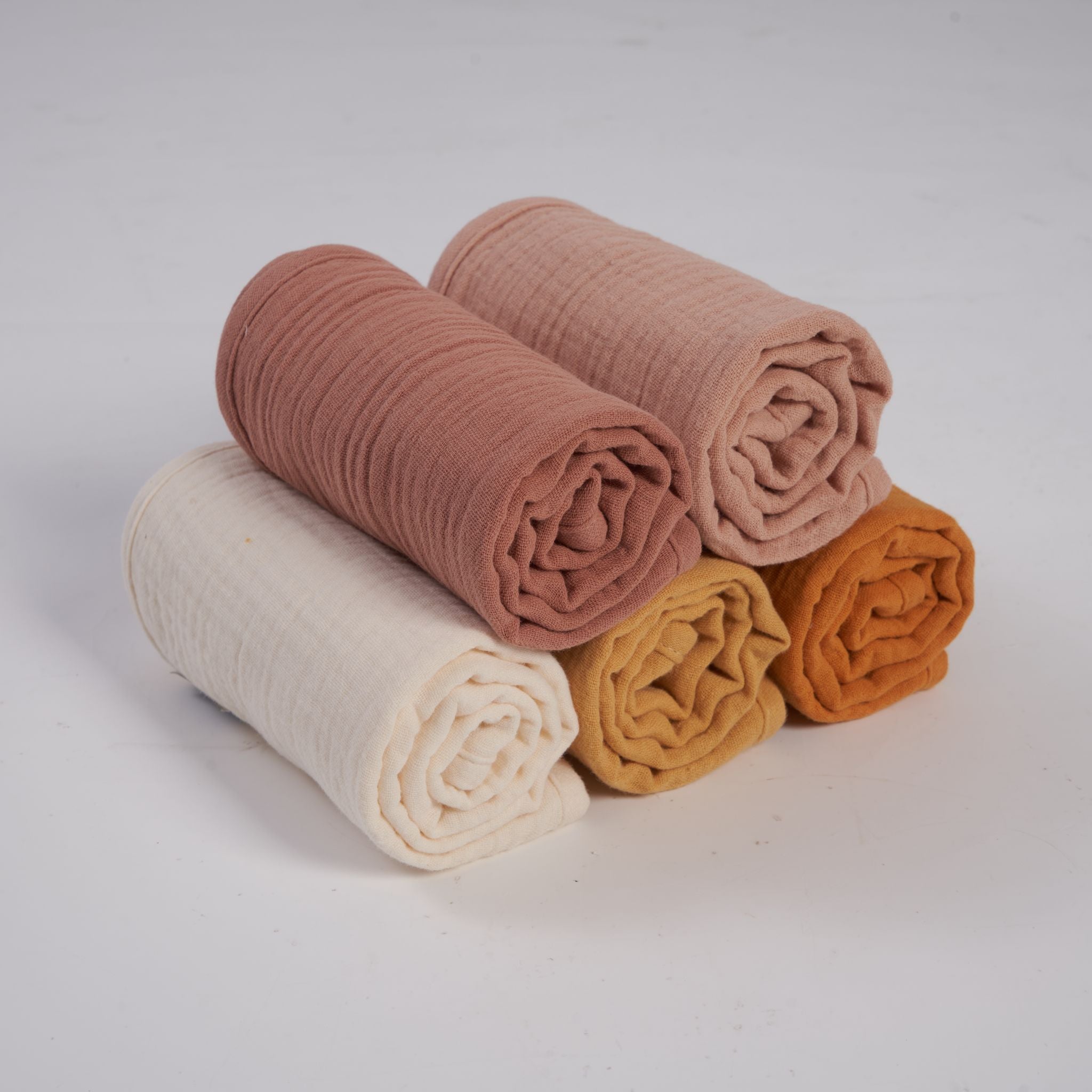
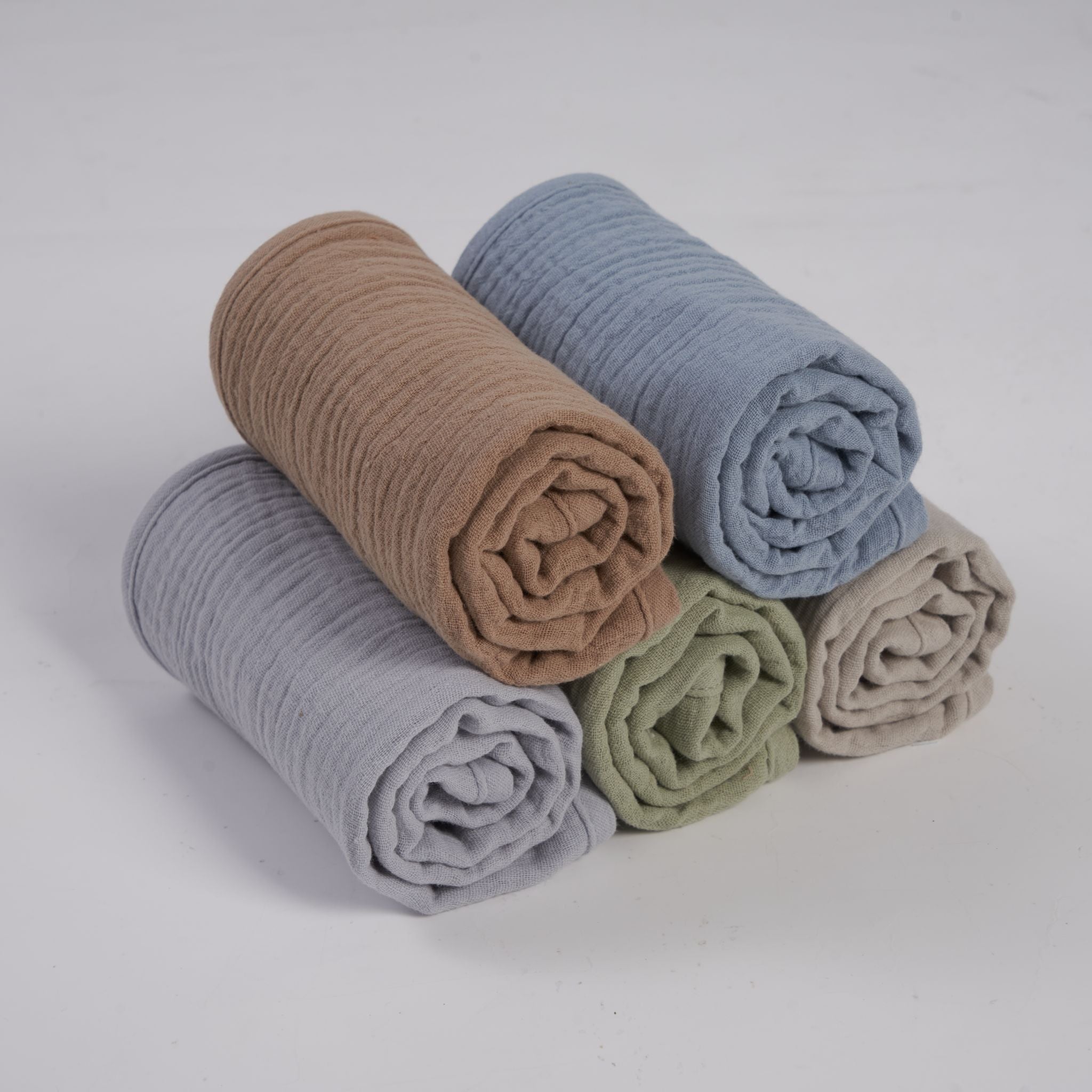
Browse our ergonomic baby wraps if you are after a soft, stretchy option for those first precious months.
Structured Carriers: More Versatile for Older Babies
Structured carriers use padded waistbands, buckles, and shoulder straps to distribute your baby's weight. They take seconds to put on once you know the fit, and they adjust easily between two caregivers of different sizes.
Most structured carriers work well from around four months, though some brands offer infant inserts for younger babies. They suit front-carry and back-carry positions, which makes them practical as your baby grows and gets heavier. A good structured carrier should keep your baby in an ergonomic seated position, with knees higher than the bottom, sometimes called the M-position or frog-leg position.
Things to check before you buy
- The carrier suits your baby's current weight and age range
- The waistband sits on your hip bones, not your waist
- Your baby's face is always visible and their chin is off their chest
- The panel width supports from knee to knee, not just under the bottom
Baby Carrier or Wrap: How to Choose
The honest answer is that both have a place, and many parents end up using one for the newborn stage and the other as their baby grows. If you are trying to decide between the two, think about these factors.
- Age and size: Stretchy wraps are ideal from birth. Structured carriers come into their own from around four months.
- Ease of use: Structured carriers are faster to put on once adjusted. Wraps take more practice but feel very secure once you have the technique.
- Comfort over time: For heavier babies, a structured carrier with a padded waistband will feel more comfortable on longer outings.
- Budget: A quality stretchy wrap is often more affordable. If you want one carrier to last from birth through toddlerhood, a structured carrier with a newborn insert may give you better value long-term.
- Sharing the carrying: Structured carriers adjust between wearers quickly, which is useful if both parents or caregivers share the carrying.
If you are heading into daycare prep or travelling with your baby, having a carrier that packs down small can make life significantly easier. A soft wrap folds into almost nothing. Worth thinking about alongside your daycare and travel packing essentials.
A Note on Sizing and Getting the Fit Right
Whichever style you choose, fit matters more than brand. A carrier that is too loose, or a wrap tied without enough tension, puts strain on your back and can compromise your baby's airway position. Take the time to practise before you need it. Many areas have babywearing groups and consultants who can help you get the fit right in person.
As your baby grows, you will also find yourself revisiting sizing questions across the board. If you are navigating when to move up a size in baby clothing, the same principle applies to carriers. Babies outgrow things faster than expected, so check fit regularly.
Ready to find the right option for your little one? Shop our range of baby wraps and carriers designed for comfort from the newborn stage onwards.