Being a mum is a full-time job. Adding eco-friendly habits on top of feeding, changing, and everything else can feel like too much. But it does not have to be a complete overhaul. Small, realistic swaps made one at a time add up to genuine impact. This guide walks you through exactly where to start as a mum who wants to be more eco-friendly, without the overwhelm.
Start With What You Use Every Day
The easiest place to begin is with the products you reach for most often. Nappy changes, feeds, and clean-ups happen dozens of times a day. Swapping single-use items in these moments creates the biggest reduction in waste.
Cloth nappies are one of the most impactful switches you can make. Modern cloth nappies are far more user-friendly than they used to be, and many families find a part-time approach works well to start. Even using cloth two or three days a week reduces landfill significantly over a year.
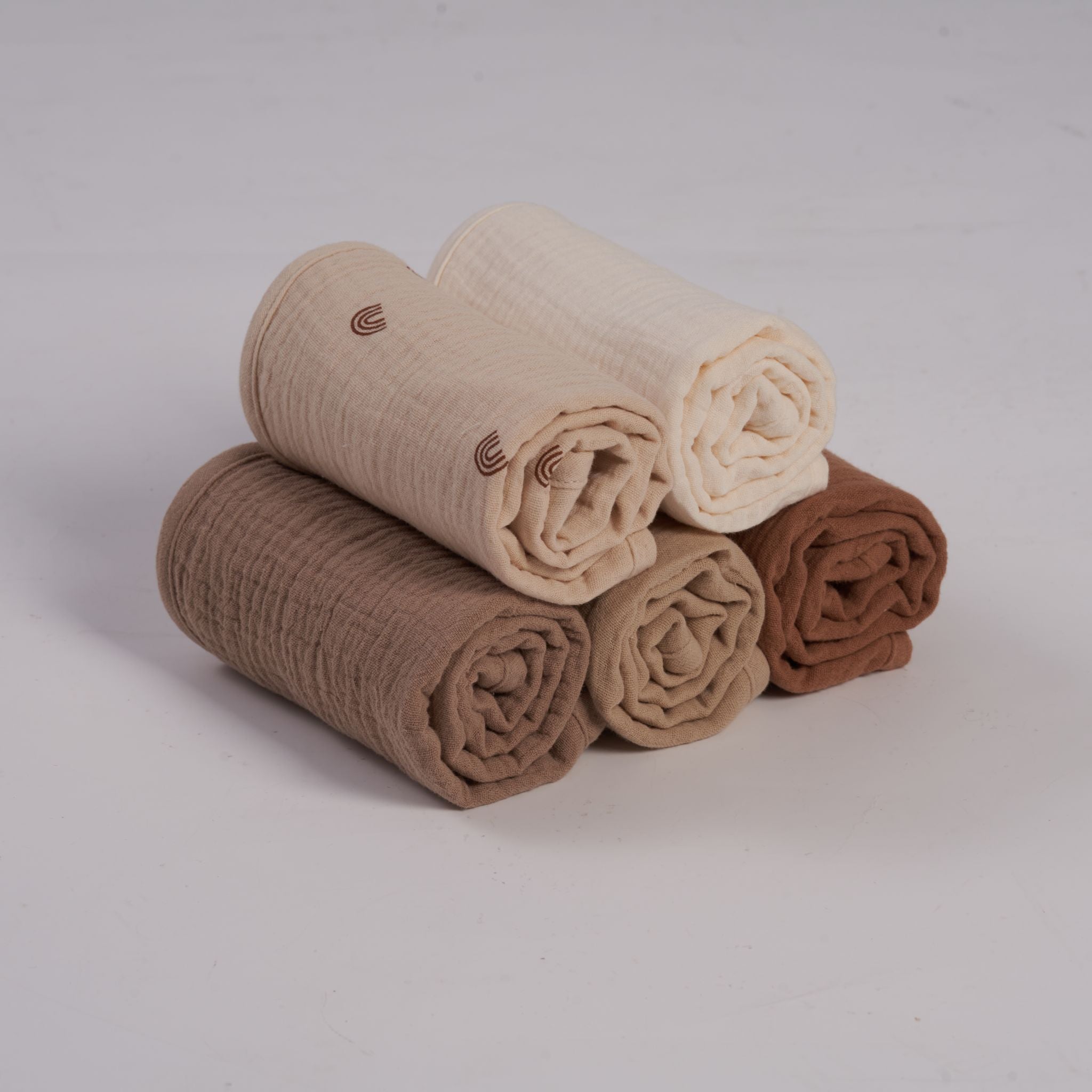
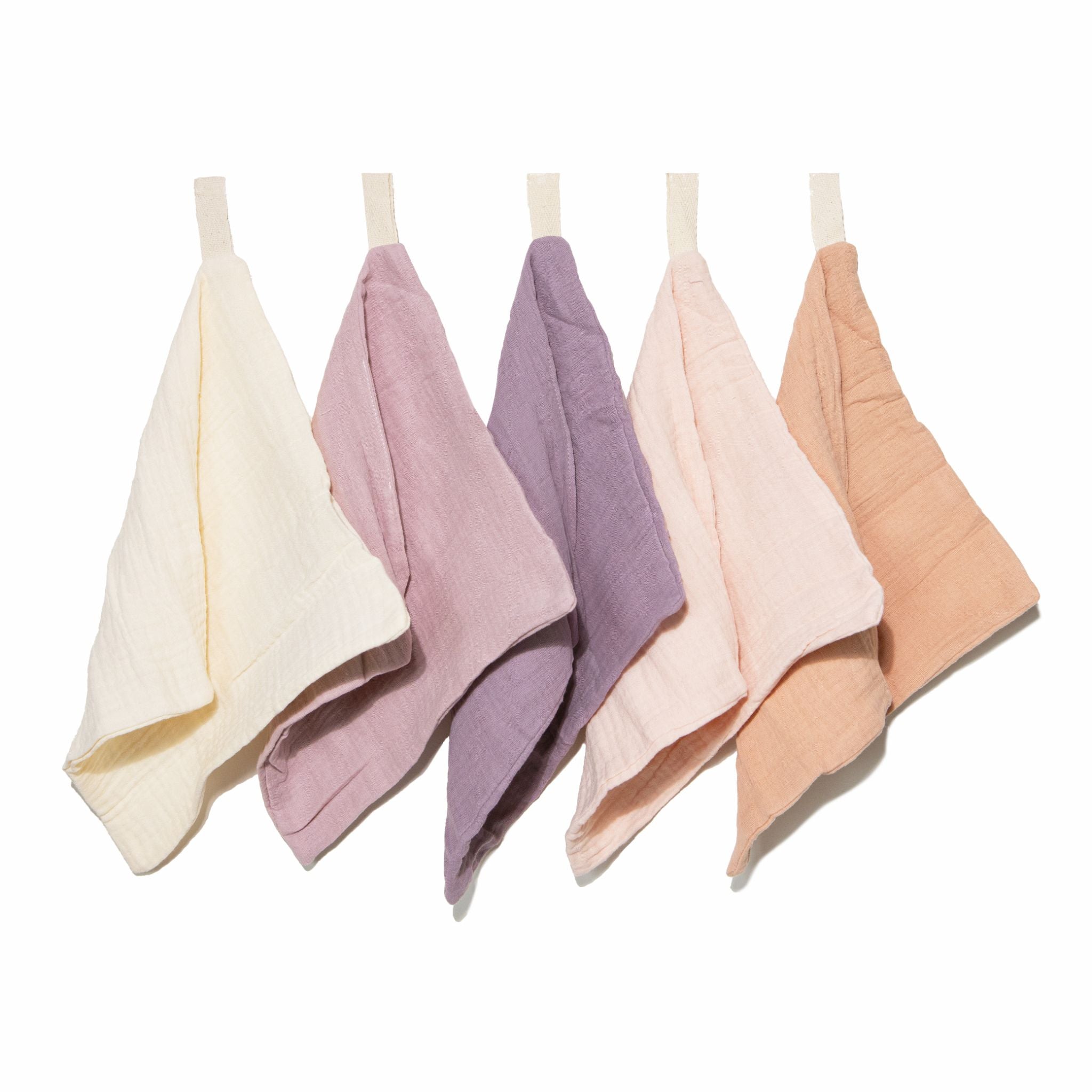
Burp cloths are another high-use item worth upgrading. Disposable muslin squares or paper towels used for clean-ups generate unnecessary waste. Reusable organic cotton burp cloths are washable, long-lasting, and far gentler on your baby's skin. If you want to know how to choose the right ones, this guide to choosing the best burp cloths for Australian babies covers everything you need.
Choose Natural Fibres Over Synthetics
What your baby wears and sleeps against matters. Synthetic fabrics like polyester shed microplastics in the wash, which end up in waterways. Natural fibres such as organic cotton are a cleaner choice for both your baby and the environment.
Organic cotton is grown without synthetic pesticides or fertilisers, which is better for farming communities and soil health. It is also soft and breathable, making it well-suited to Australian conditions. If you are curious about whether organic cotton performs differently in warm weather, this article on organic cotton in warmer climates is worth a read.
When shopping for baby essentials, look for GOTS certification on organic cotton products. This confirms the fibre has been independently verified at every stage of production.
Reduce Waste in Feeding and Clean-Up Routines
Feeding, whether breast or bottle, comes with a lot of associated products. Here are practical ways to reduce waste in this area.
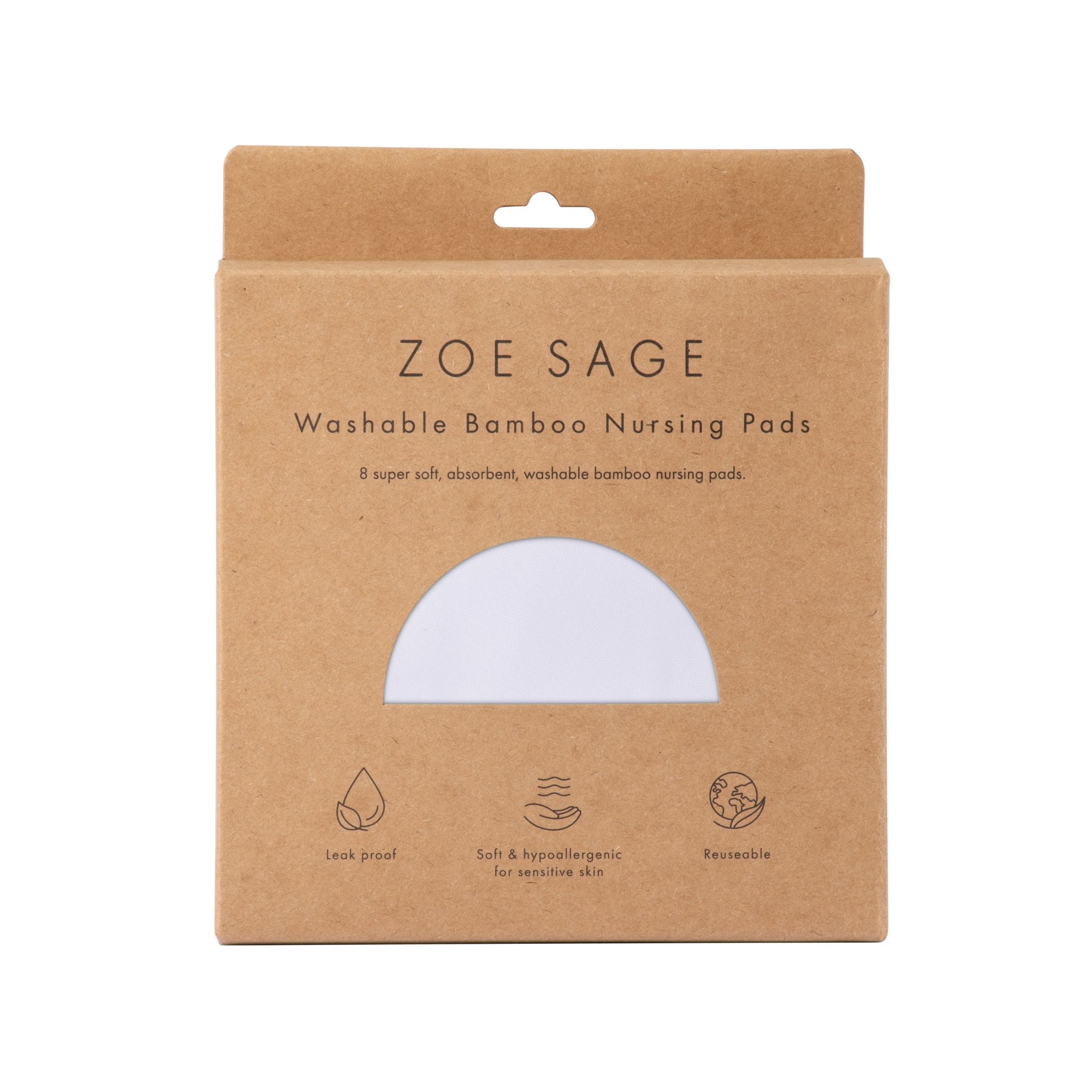
- Use reusable breast pads instead of disposable ones.
- Choose glass or stainless steel bottles over plastic where possible.
- Swap paper towels for washable cotton cloths during clean-ups.
- Use concentrated cleaning products that come in smaller, recyclable packaging.
- Buy feeding accessories from brands that offer refill or repair options.
Reusable burp cloths fit naturally into this routine. A set of quality organic cotton cloths handles feeds, dribble, and spills without generating waste. Browse our reusable organic baby burp cloths if you are looking for a practical starting point.
Make Smarter Choices When Buying Baby Gear
Baby gear accumulates fast. Much of it is used for only a few months before being outgrown. Before buying new, consider the following.
- Buy secondhand for items like bouncers, highchairs, and prams where safety standards still apply.
- Check recalled product lists before purchasing secondhand items. The Australian Competition and Consumer Commission product safety database is a reliable resource for this.
- Choose multi-use products that serve more than one purpose or grow with your baby.
- Invest in quality over quantity. A few well-made items last longer and reduce replacement buying.
- Pass items on when your baby outgrows them rather than sending them to landfill.
Build Habits Gradually, Not All at Once
Sustainable living is not a destination you reach in one week. It is a series of habits built over time. Trying to change everything at once leads to burnout.
A useful approach is to focus on one area each month. Start with something small that fits your current routine. Once that swap feels normal, add the next one. Over six months, you will have made meaningful changes without feeling like you have overhauled your entire life.
If you have a partner or family members in the household, involve them early. Shared habits stick more easily than solo efforts.
You can also look at broader feeding support resources through the Australian Breastfeeding Association, which includes guidance on reducing waste connected to feeding routines.
Where Burp Cloths Fit Into an Eco-Friendly Baby Kit
It is a small product, but burp cloths are used constantly in the early months. Choosing reusable organic cotton cloths over disposable alternatives is one of the simplest zero-waste swaps available to new mums.
If you want more detail on what to look for in terms of fabric, size, and absorbency, this comparison of quality organic burp cloths for Australian and New Zealand families breaks it down clearly.
Ready to make the switch? Shop our organic cotton burp cloths, made to handle daily use, wash well, and last well beyond the newborn stage.