When the temperature rises, keeping babies comfortable becomes every parent's priority. Synthetic fabrics trap heat and moisture against delicate skin. So is 100% cotton good for hot weather? Yes, and organic cotton takes it a step further. Here is what makes it the smarter choice for warm Australian days.
Part of our complete guide to bamboo baby clothing.
What Makes Organic Cotton Different From Regular Cotton?
Organic cotton is grown without synthetic pesticides, herbicides, or chemical fertilisers. It is also processed without harsh bleaches or artificial dyes. That means fewer irritants sitting against your baby's sensitive skin all day long.
Regular cotton goes through a heavy chemical process from field to fabric. Residues from those treatments can linger in the finished garment. For newborns and young babies whose skin is thinner and more absorbent than adult skin, that matters more than most parents realise.
Organic certification, such as GOTS (Global Organic Textile Standard), gives you independent proof that the cotton meets strict environmental and safety standards from farm to finished product.
Is 100% Cotton Good for Hot Weather? Here Is the Science
Cotton is a natural fibre with a hollow structure. That structure allows air to circulate through the fabric, which helps draw heat away from the body. It also absorbs moisture quickly, pulling sweat away from the skin before it has a chance to cause discomfort or rash.
Synthetic fabrics like polyester do the opposite. They sit on top of the skin, trap warmth, and hold moisture in. On a hot Sydney or Brisbane afternoon, that is the last thing a baby needs.
Organic cotton performs the same way as conventional cotton in terms of breathability, but without the chemical processing. For babies who already have sensitive or eczema-prone skin, removing those extra irritants can make a real difference to how comfortable they stay through the day.
For guidance on keeping babies safe and comfortable in warm weather, Raising Children Network is a reliable Australian resource with practical, evidence-based advice for parents.
How Organic Cotton Compares to Bamboo in Warm Weather
Bamboo is another fabric popular in Australian baby ranges, and for good reason. It is soft, silky, and moisture-wicking, making it well suited to warm conditions. Bamboo fabric tends to feel cooler against the skin than standard cotton and often has a lighter drape.
Organic cotton, on the other hand, is slightly more durable, holds its shape well after repeated washing, and tends to be easier to source with verified certification. Both fabrics work well in summer. The right choice often comes down to your baby's individual skin sensitivity and how the item is being used.
For everyday items like burp cloths that go through the wash multiple times a week, organic cotton is particularly practical. It stays absorbent, softens with each wash, and holds up over time. If you are thinking about which fabrics to prioritise for those high-use items, it is worth reading this practical guide to choosing the best burp cloths for your baby in Australia before stocking up.
What to Look for When Buying Organic Cotton Baby Items
- Look for GOTS or OEKO-TEX certification on the label or product listing. These are independently verified, not self-declared.
- Check that the item is 100% organic cotton, not a blend with synthetic fibres, which reduces breathability.
- Choose lighter colours for summer wear. Darker dyes absorb more heat, even in natural fabrics.
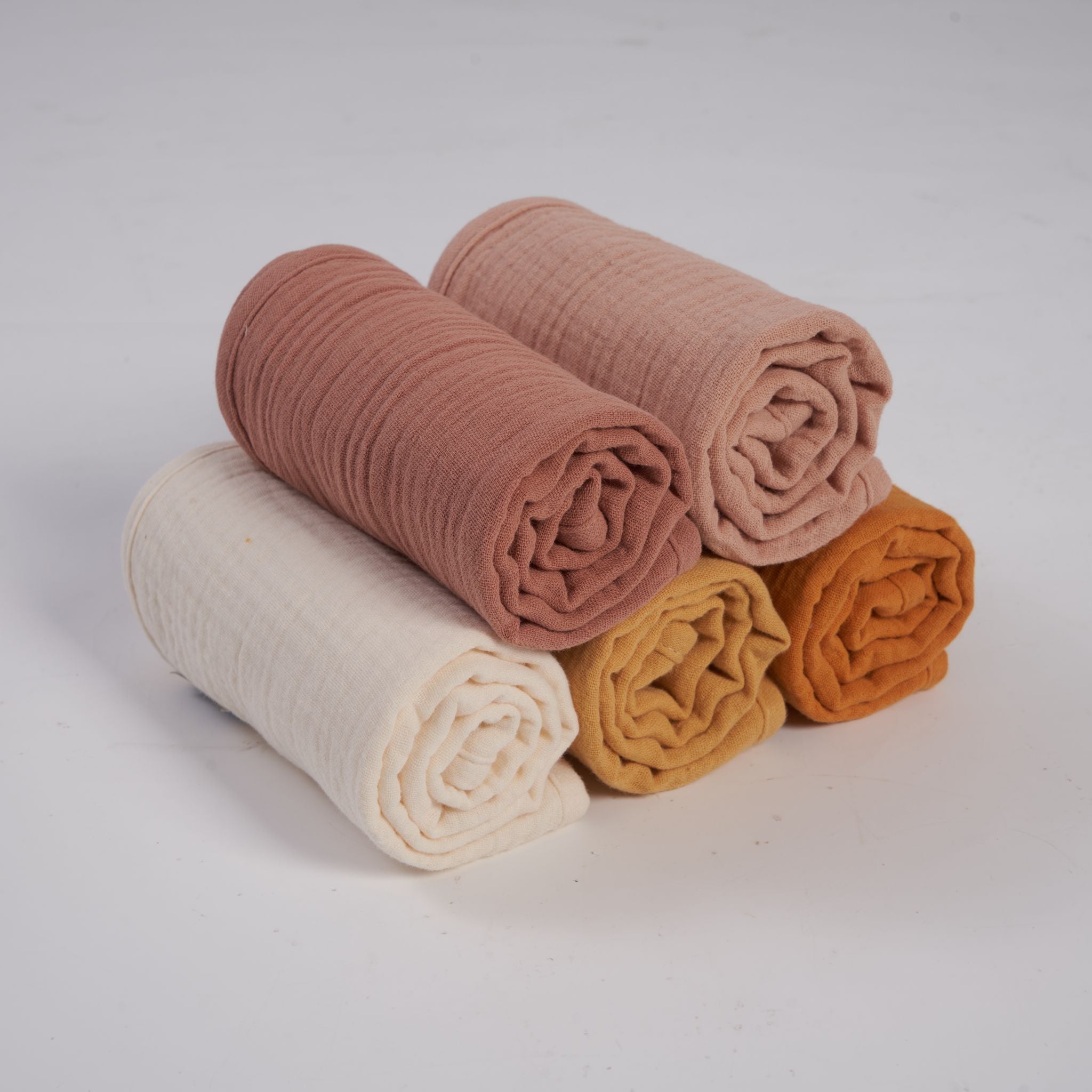
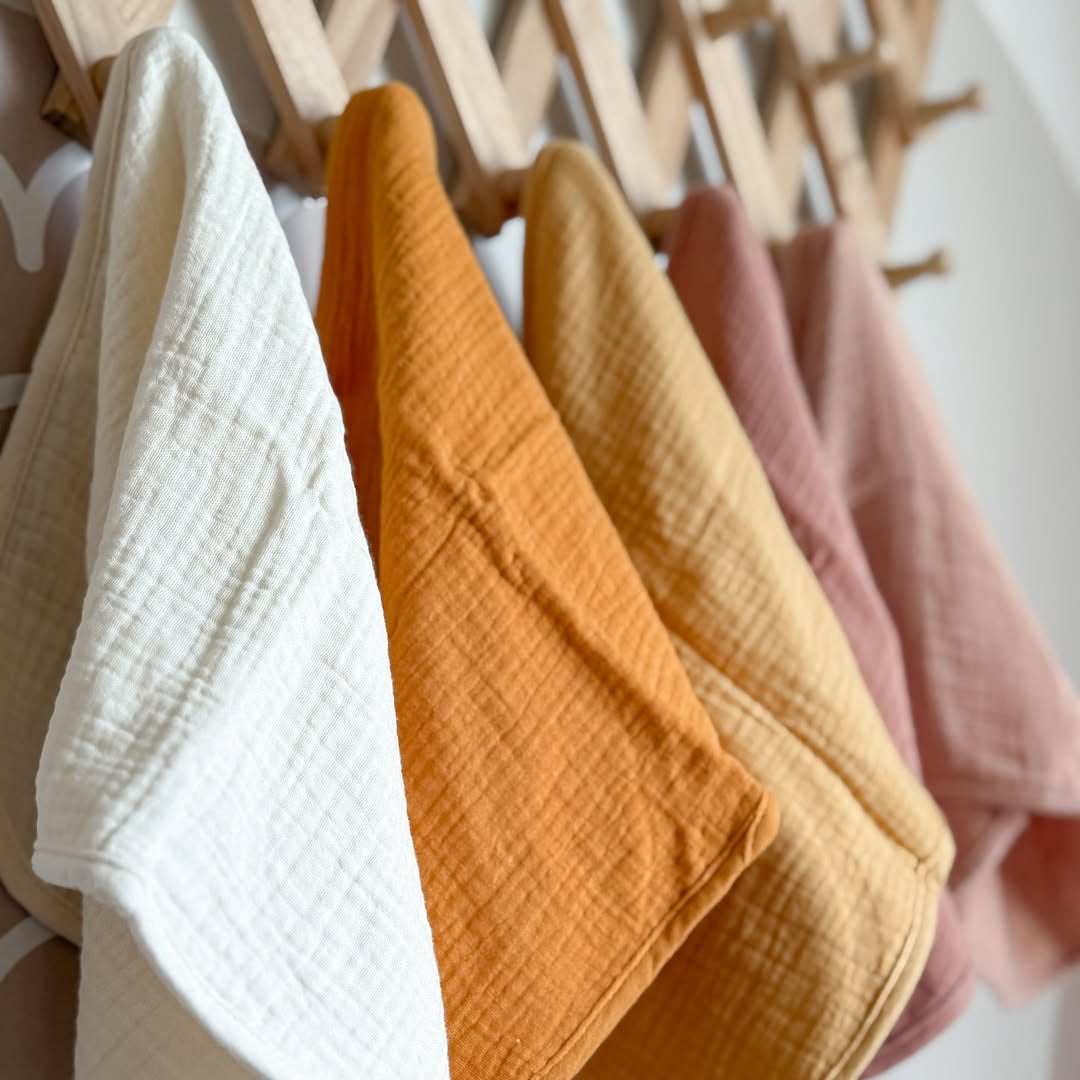
- Looser weaves and lighter weight fabrics allow more airflow. Muslin is a good example of this done well.
- Pre-wash before first use to remove any residual finishes from manufacturing.
If you are shopping across the Tasman, this guide to quality organic burp cloth options for Australia and NZ covers what to look for in both markets.
Everyday Organic Cotton Essentials Worth Having
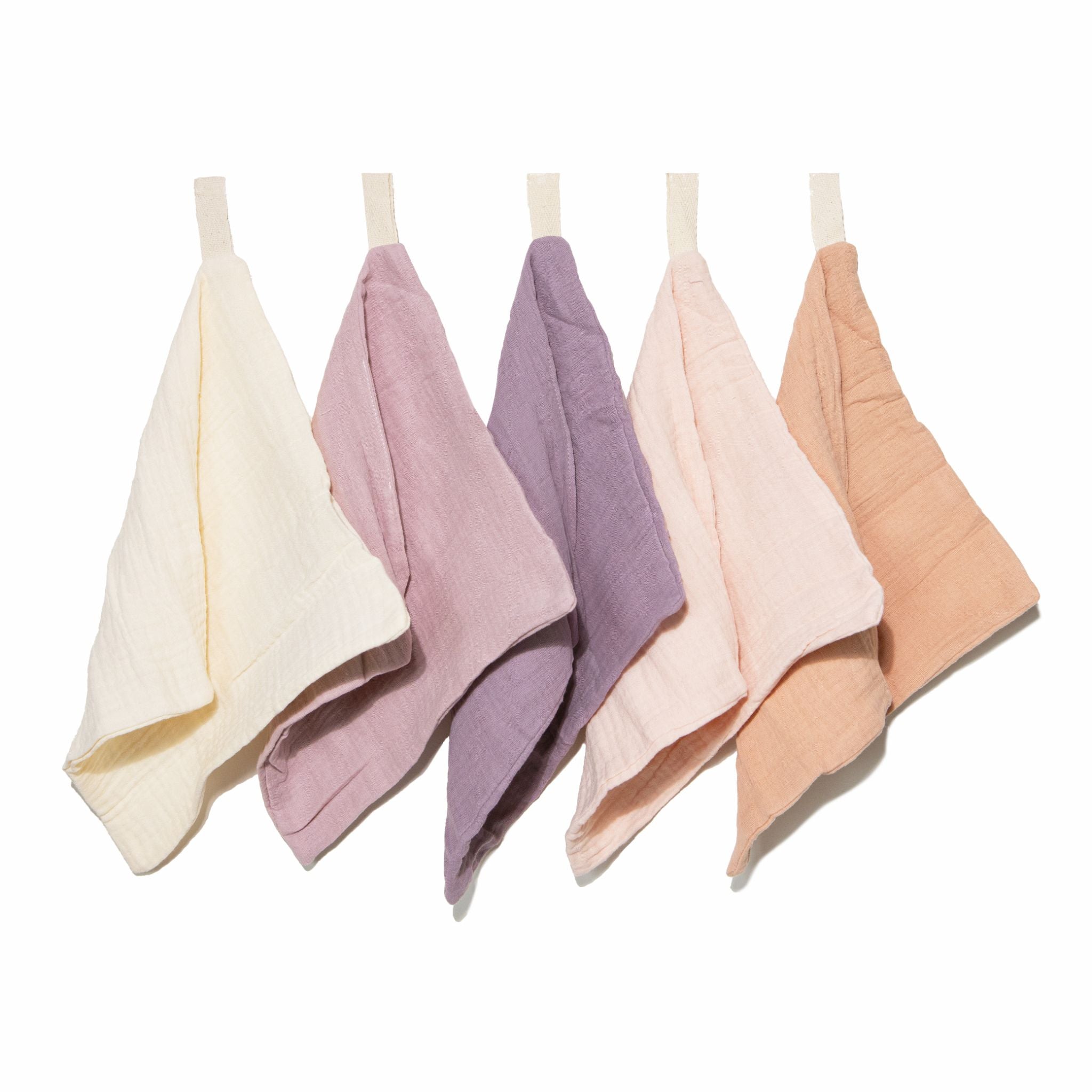
Burp cloths are one of the most used items in the newborn stage. Babies go through several a day, so having enough on hand matters. Organic cotton burp cloths are absorbent, gentle on both baby's face and your shoulder, and get softer the more you wash them.
Muslin varieties in particular offer an open weave that breathes well in warm weather, dries quickly, and folds flat for easy storage in a nappy bag. You can browse our certified organic cotton burp cloths if you want to see what that looks like in practice.
For parents in New Zealand looking for similar options, this buyer's guide to organic muslin burp cloths in NZ is a useful starting point.
Beyond burp cloths, organic cotton works well for onesies, sleep sacks, swaddles, and cot sheets. Anything that sits close to the skin for extended periods is worth getting right, especially through the warmer months.
The short version: organic cotton is breathable, gentle, and a solid choice for Australian summers. For babies with sensitive skin, it is worth the small extra investment.