

Setting up a nursery is one of the most exciting parts of getting ready for a new baby. Colour sets the whole mood of the room, and right choices can make the space feel calm, playful, or beautifully timeless. Here is a look at the nursery colours worth considering for your little one's room.
Soft Neutrals Are Holding Strong
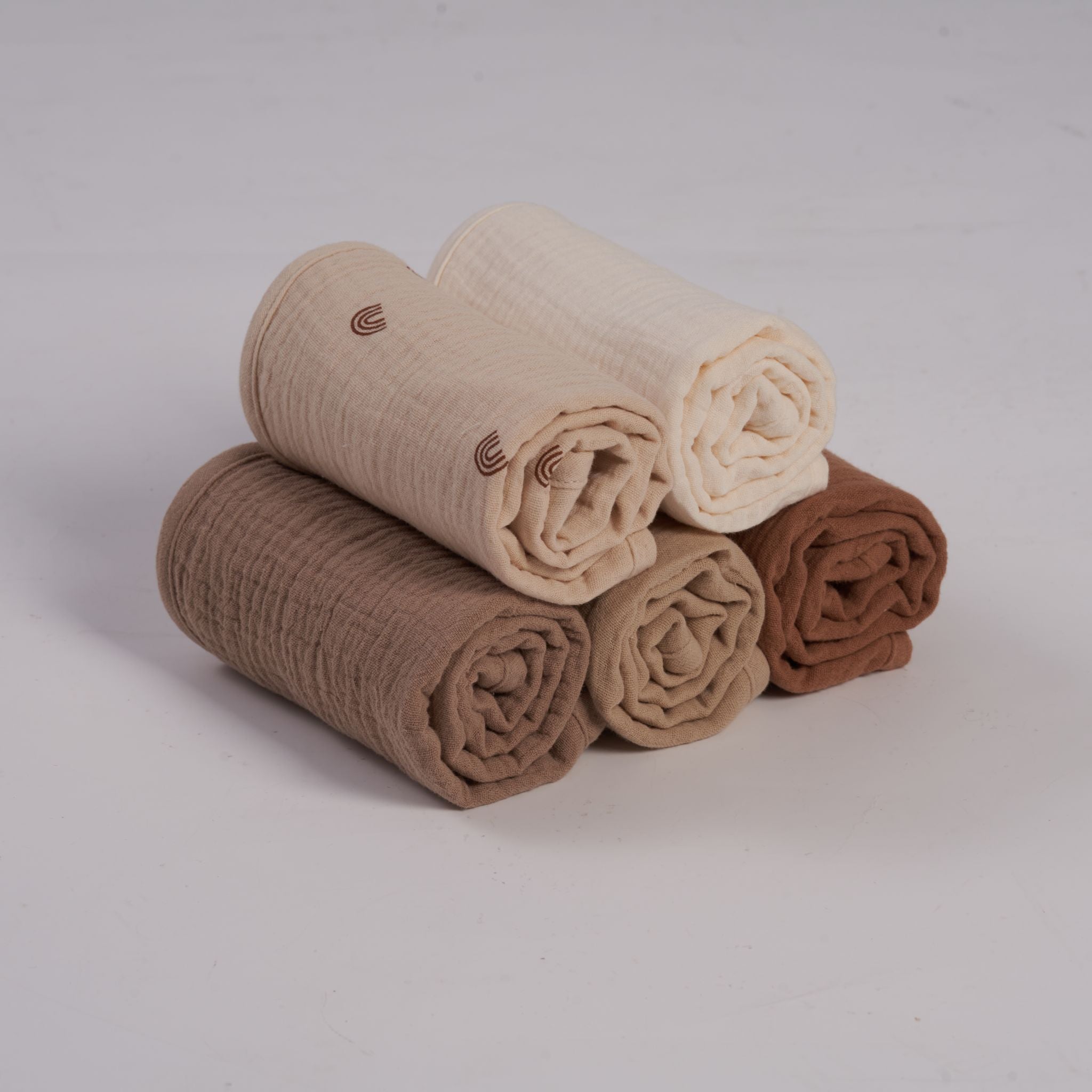
Neutral palettes are not going anywhere. Warm whites, oat tones, sandy beiges, and soft taupes remain a popular base for nurseries because they work with almost any furniture, textile, or decor style.
The appeal is practical as well as aesthetic. Neutral walls age well with your child, meaning you will not feel the need to repaint the moment they move past the newborn stage. They also photograph beautifully in natural light, which is always a bonus.
To stop neutral from feeling flat, layer in texture. Think a woven rattan bassinet, a chunky knit blanket, linen curtains, and a jute rug. Dimension does the work that colour would otherwise do.
Earthy Greens and Terracotta Tones
Nature-inspired colours are a strong choice for nurseries right now. Sage green, muted olive, and dusty eucalyptus work particularly well in Australian homes where outdoor light is bright and abundant. These shades bring a sense of calm without feeling cold or clinical.
Terracotta and warm clay tones sit beautifully alongside timber furniture and natural materials. They feel grounded and cosy, which suits a room designed for rest and comfort.
These earthy palettes also pair well with botanical or animal-print nursery textiles, a combination that is very popular in Australian nurseries.
Dusty Blues and Soft Mauves for Gentle Contrast
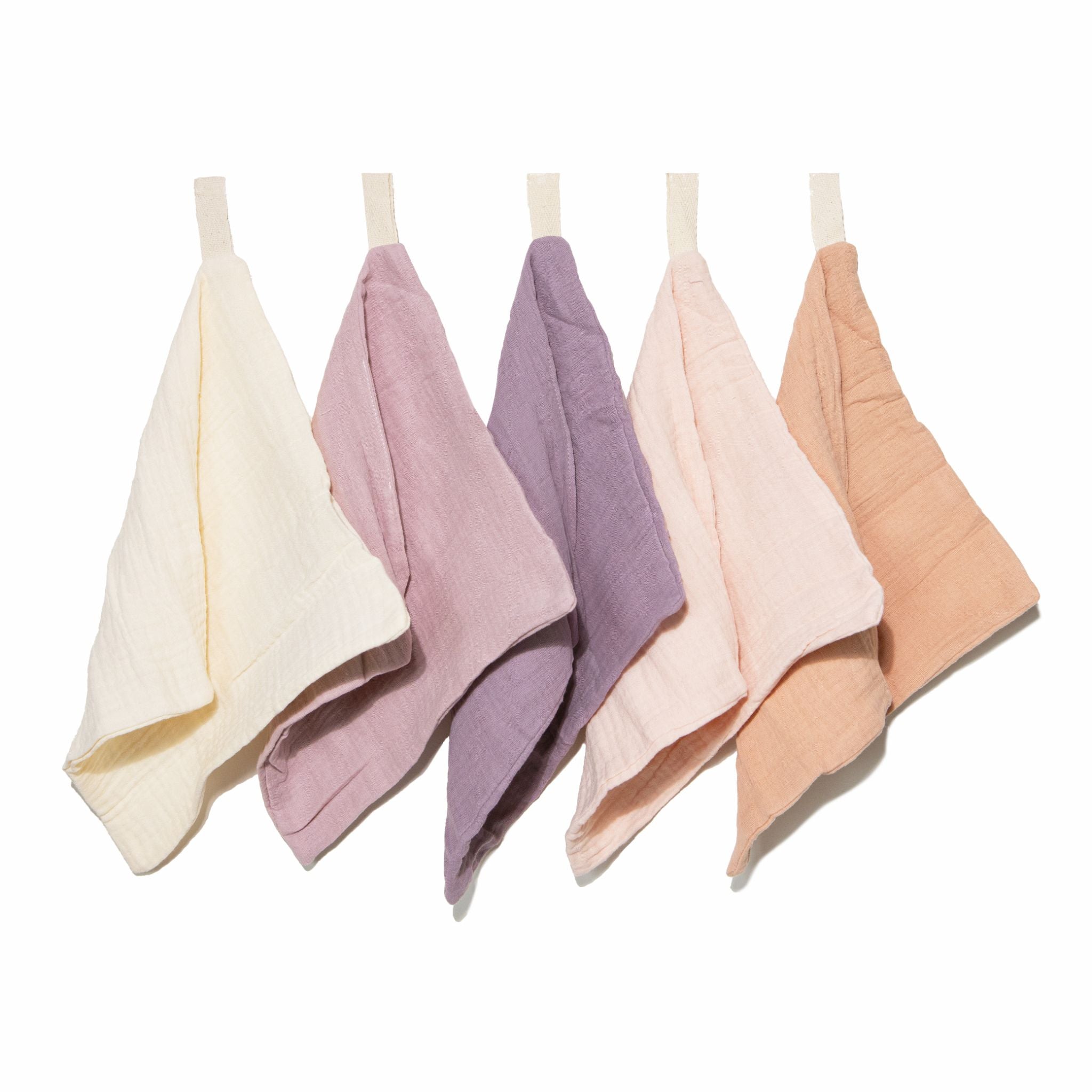
Muted, dusty versions of classic colours, think powder blue, smoky lavender, and soft blush, offer gentle contrast without overstimulating a newborn's developing vision. Raising Children Network notes that newborns are sensitive to high-contrast environments, so softer tones in the nursery support a calmer sleep space.
Dusty blue reads as gender-neutral in softer shades and works well on a single feature wall rather than all four. Pair it with white trim, warm timber, and natural fibre rugs for a balanced look.
Soft mauves and lilacs are a subtle choice that blends beautifully with both neutral and earthy tones. They feel warm without being overpowering.
How to Build a Nursery Colour Palette
Choosing a single colour is just the starting point. A cohesive nursery palette usually works in threes: a dominant wall tone, a secondary tone used in soft furnishings, and an accent brought in through smaller details like cushions, art prints, or storage baskets.
A few practical tips for getting it right:
- Test paint swatches in the actual room at different times of day. Australian light changes dramatically from morning to afternoon.
- Consider the direction the room faces. South-facing rooms can feel cooler, so warm tones work well. North-facing rooms handle cooler shades more easily.
- Keep the ceiling white or very light. It lifts the room and keeps it feeling open.
- Use soft furnishings to introduce colour before committing to paint. It is a lower-risk way to test a palette.
If you are not sure where to start, reading through a complete guide to choosing nursery essentials can help you think about the room as a whole, not just the walls.
Pulling the Room Together with the Right Pieces
Colour is only one part of the picture. The furniture, textiles, and storage you choose need to work with your palette and, more importantly, with your daily routine as a new mum.
Prioritise quality in the pieces you will use most: the bassinet or cot, the change table setup, the feeding chair. These are the items that earn their place in the room every single day.
When you are ready to shop for the essentials, browse our full baby room range for furniture, storage, and soft furnishings that complement any nursery palette.
Safe sleep setup matters just as much as aesthetics. Red Nose Australia provides up-to-date guidelines on creating a safe sleep environment for your newborn, which is worth reviewing before your baby arrives.