
Newborn activities don't need to be elaborate. In the first weeks home, simple everyday moments are what shape your baby's brain, build their senses and strengthen your bond. Most of what your newborn needs costs nothing at all.
Below are practical ideas organised by type, so you can find something that suits your energy levels and your baby's mood. If you're still pulling together the basics, our 0 to 3 month baby starter kit range has everything you need in one place.
Sensory Activities That Support Newborn Development
Newborns are processing the world through their senses from day one. Sight, sound, touch and smell are all working hard, even when your baby looks drowsy. These activities gently stimulate development without overwhelming them.
- Talk and narrate. Describe what you're doing as you move through your day. Your voice is the most familiar sound your baby knows. Hearing it builds early language pathways.
- High contrast visuals. Newborns see best in black, white and bold patterns at about 20 to 30 centimetres from their face. Hold a simple card or book at that distance and watch their eyes track it.
- Skin to skin. Holding your baby against your chest regulates their temperature, heartbeat and stress hormones. It also boosts your milk supply if you're breastfeeding. The Australian Breastfeeding Association recommends skin to skin as a powerful tool in the early weeks.
- Gentle massage. Use slow, firm strokes on their arms, legs and back. Choose a warm, calm moment, not when they're hungry or overtired.
- Soft music or singing. Lullabies, nursery rhymes or even your everyday playlist all count. Rhythm and repetition are soothing and stimulating at once.
Indoor Activities for Newborns
Most of your time in the early weeks will be spent indoors. These ideas work around feeds, naps and the general unpredictability of life with a newborn.
- Tummy time. Start with just a minute or two on a firm, flat surface while your baby is awake and supervised. It builds neck and shoulder strength and is important for motor development. Raising Children Network has excellent guidance on how to introduce tummy time safely from birth.
- Face time. Lie face to face with your baby and make slow expressions. Stick out your tongue. Raise your eyebrows. Newborns are wired to mimic faces, and this is one of the earliest forms of communication.
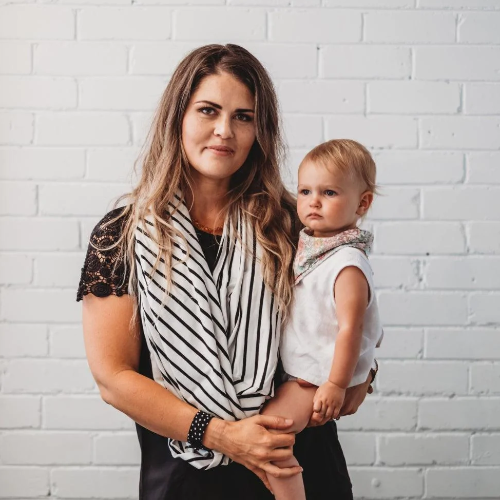
- Baby wearing. A wrap or carrier keeps your baby close and your hands free. The motion, warmth and rhythm of your movement is calming and developmental for them.
- Reading aloud. It does not matter what you read. Your baby benefits from the sound and rhythm of your voice, not the content. A magazine, a novel or a picture book all work equally well.
- Window watching. Natural light, moving leaves or passing clouds are genuinely stimulating for a newborn's developing vision. Hold them near a window for a few minutes on a bright day.
As your baby grows, their needs shift quickly. Our guide on milestones from newborn to toddler is worth bookmarking so you know what to expect and what to have ready at each stage.
Getting Outside With a Newborn
Fresh air is good for both of you. There is no rule that says you need to stay inside for weeks after birth. Short outings can do a lot for your mood and your baby's exposure to the world.
- A daily walk. Even ten minutes around the block counts. The movement often settles a fussy baby, and the change of scenery helps you reset too.
- Nature sounds. Birds, wind, rain on leaves. These are all novel sensory experiences for your newborn. You do not need to travel far.
- Pram time. The gentle vibration and movement of a pram is soothing. Many babies sleep well in a pram, which gives you a window to walk, listen to something or just breathe.
Sun safety matters from the start. Newborn skin is sensitive, so keep babies under six months out of direct sun and use a cover or hood on the pram. For detailed sun and outdoor safety guidance, Product Safety Australia is a reliable reference.
What Your Newborn Actually Needs Most
The most important thing you can offer your baby is consistent, responsive attention. You do not need a room full of toys or a structured routine in the first three months. Your face, your voice and your touch are the activity.
If you are still getting organised in those early weeks, our article on staying on top of things as a new mum has simple, practical suggestions that genuinely help.
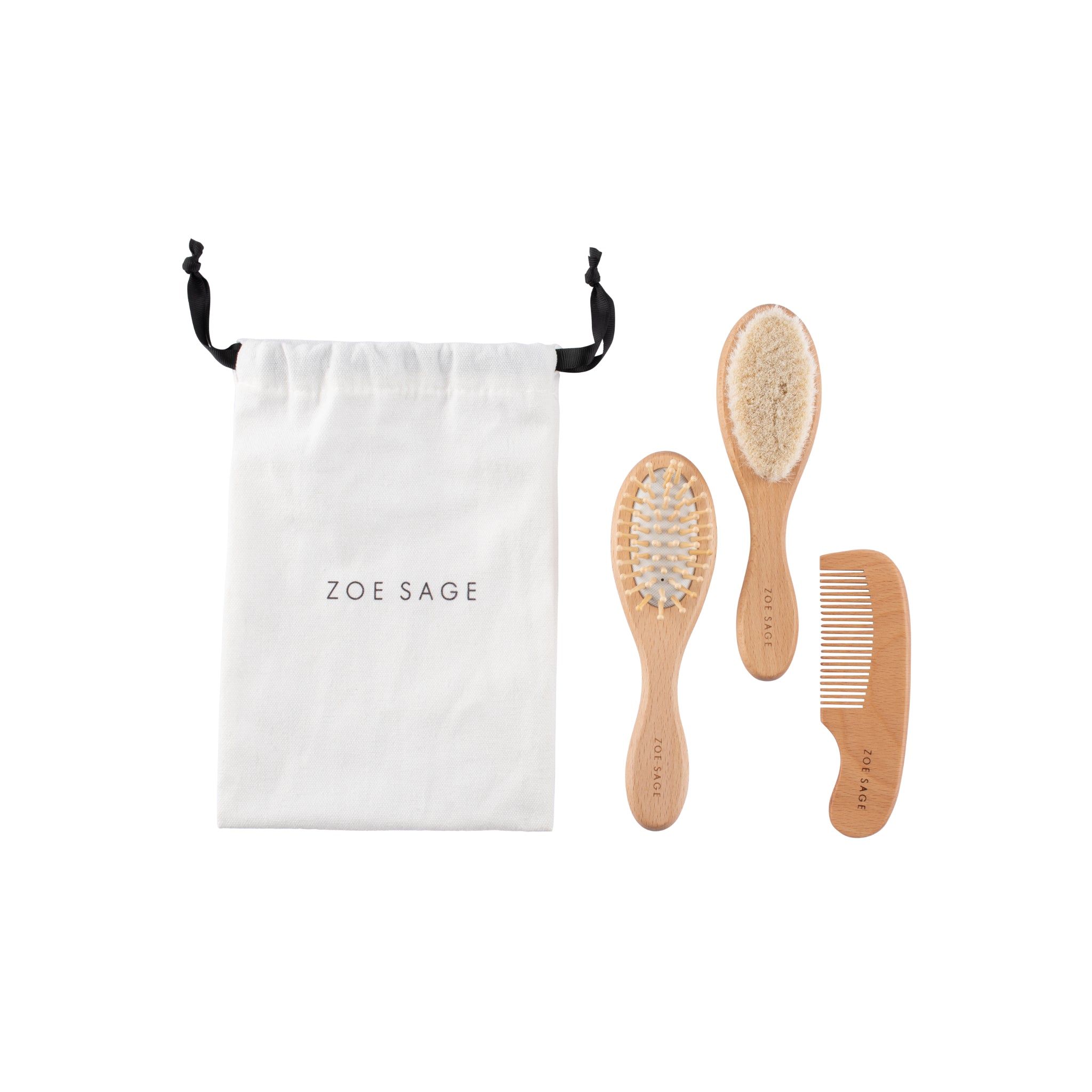
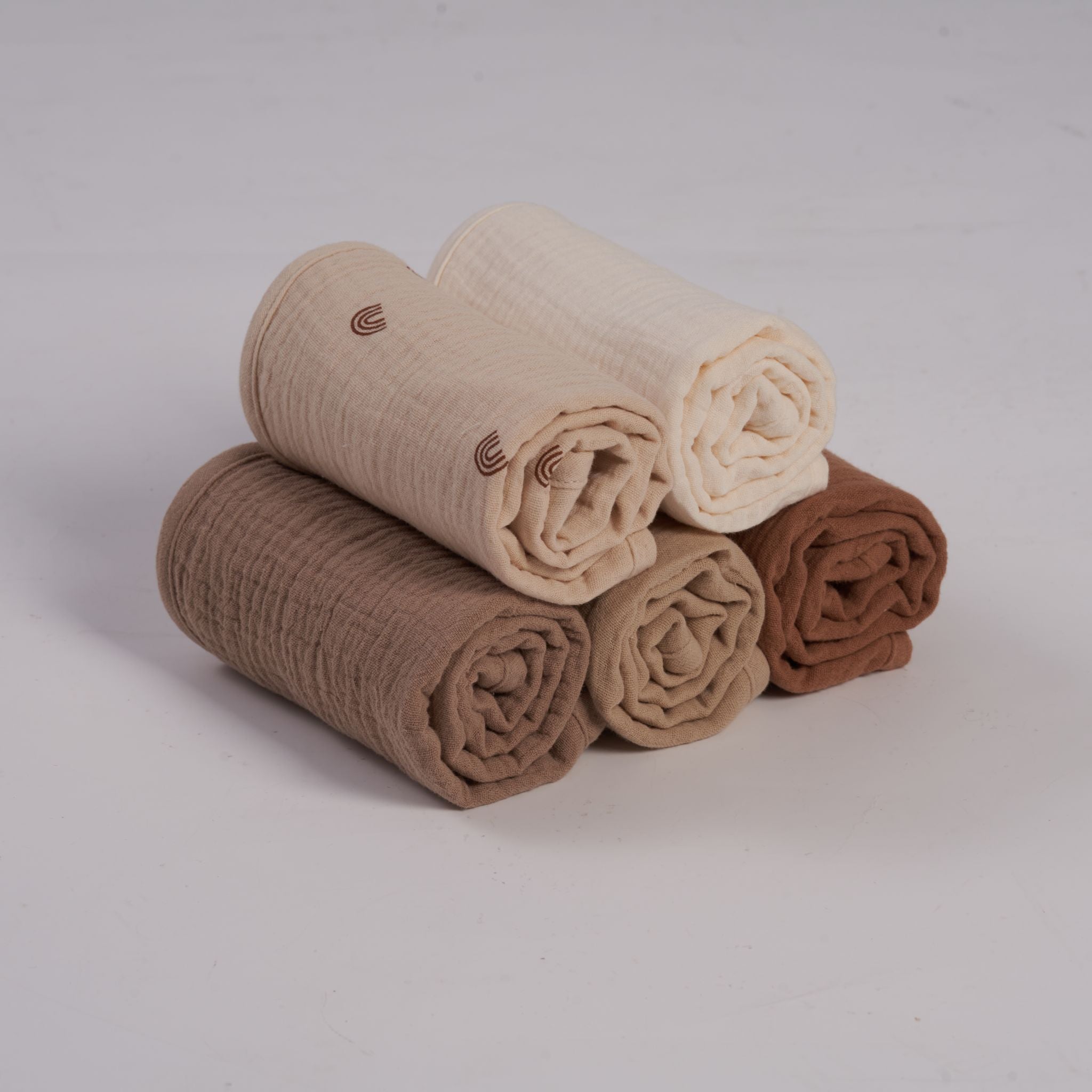
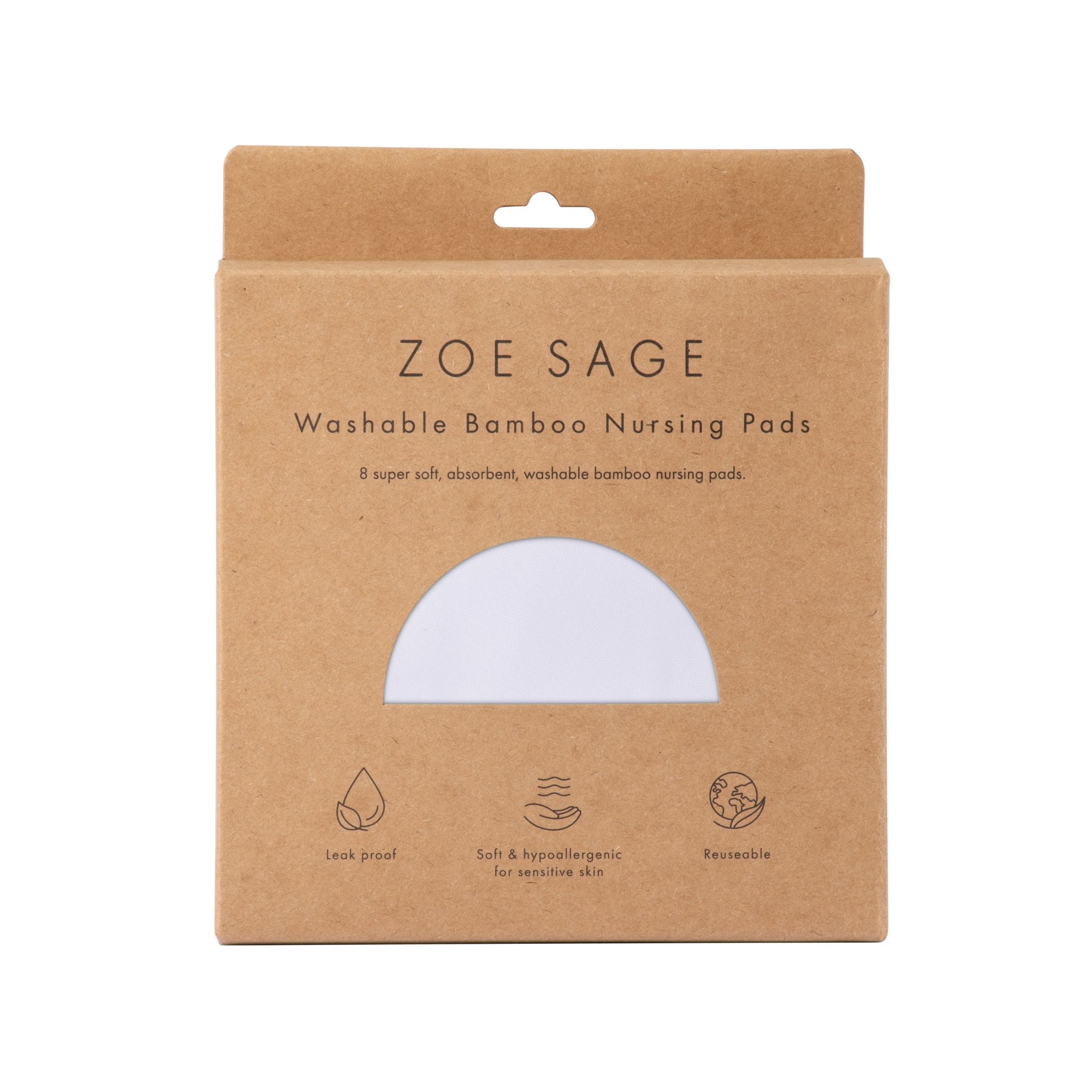
And if you want to make sure you have the right essentials ready before these moments happen, browse our newborn collection for everything from wraps and sleeping bags to nappy change basics and feeding must-haves.