



Breastfeeding often looks simple in photos. A calm mum, a settled baby, soft light. The reality is usually messier, harder, and far more emotional than those images suggest. The truth about breastfeeding is that it can be one of the most challenging things a new mum does, and most of that challenge happens in silence.
This is not a post to scare you. It is a post to prepare you, because knowing what is actually coming makes a real difference.
The Early Days Are Often the Hardest
Many mums expect breastfeeding to feel instinctive from the start. For some it does. For many it does not, and that gap between expectation and reality can feel crushing at 3am on day four.
Here is what is normal in the early weeks that rarely gets talked about openly:
- Nipple soreness in the first week, especially while your latch is still being established
- Engorgement when your milk comes in, usually between day two and day five
- Cluster feeding, where your baby feeds almost constantly for hours at a stretch
- Feeling like you are not making enough milk, even when you are
- Leaking at unpredictable times, including mid-sleep
- Emotional swings that hit hard after each feed
The Australian Breastfeeding Association has a 24-hour helpline staffed by trained counsellors. If you are struggling, call them. It is free and it is genuinely helpful.
Pain Is a Signal, Not a Requirement
Some discomfort in the very early days is common. Ongoing, sharp, or cracked-nipple pain is not something you should push through without support. Pain usually signals a latch issue, and a latch issue is fixable.
A lactation consultant can assess your latch in person and make small adjustments that change everything. Your maternal child health nurse or GP can refer you to one, or you can find an accredited consultant through the Australian Breastfeeding Association directly.
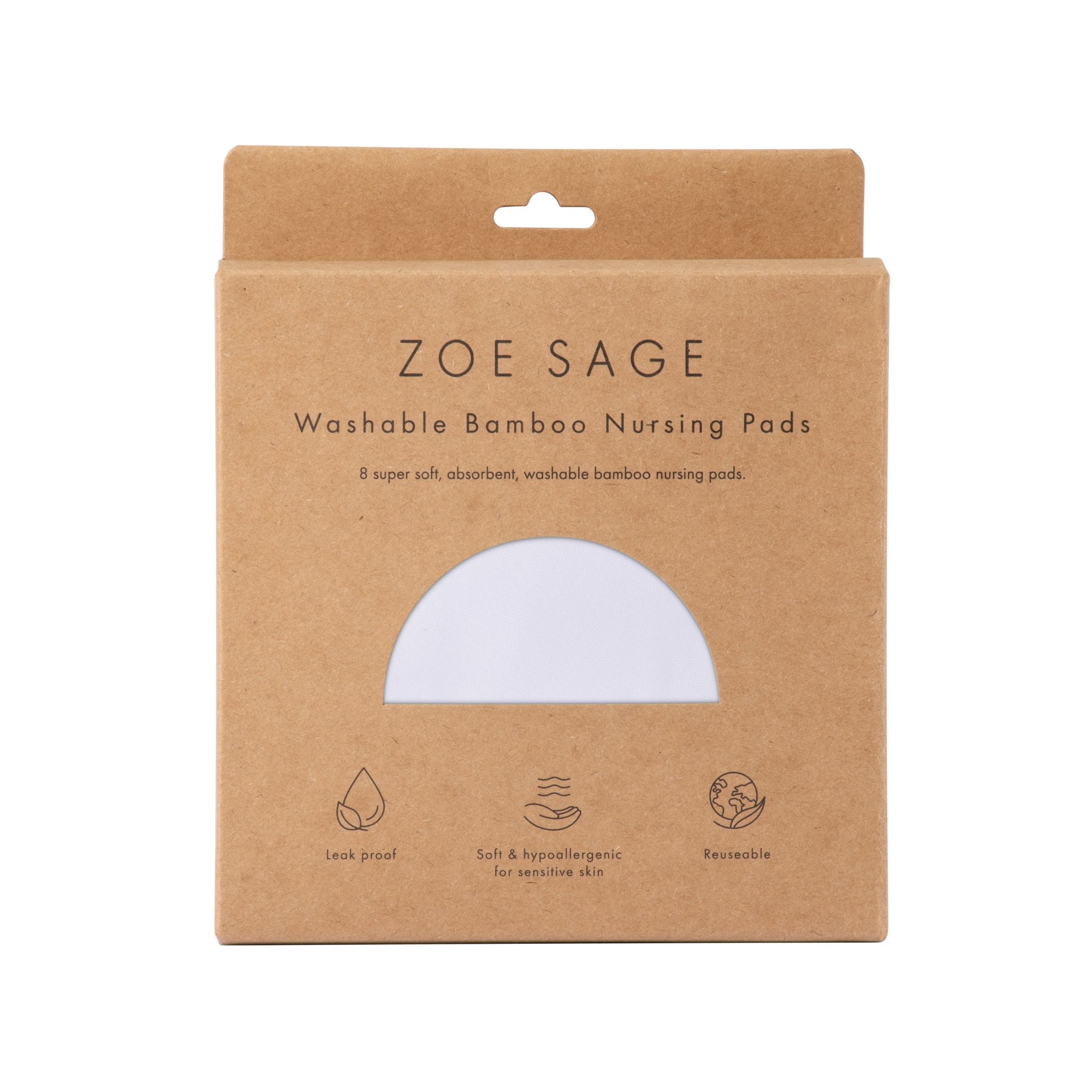
Having the right feeding gear helps too. A good nursing pillow changes your posture and reduces strain on your back, shoulders, and arms during long feeds. Breast pads that are soft and absorbent make the leaking manageable. Browse our breastfeeding essentials if you are building your feeding kit before baby arrives.
Supply Worries Are Extremely Common
Almost every breastfeeding mum questions her supply at some point. The worry tends to peak around growth spurts, when babies feed more frequently and mums interpret that as not having enough milk.
In most cases, frequent feeding is your baby doing exactly what they should, signalling your body to produce more. Milk supply works on a demand and supply basis. The more your baby feeds, the more milk your body makes.
If you are curious about whether lactation foods genuinely support supply, the evidence is worth understanding properly. There is a thorough look at whether lactation cookies actually work and what the ingredients do, which is a useful read before spending money on them.
True low supply does exist and deserves proper assessment. Signs to watch for include your baby not regaining their birth weight by two weeks, consistently fewer than six wet nappies per day after day five, and poor weight gain over time. If you see these, speak to your midwife or GP promptly.
Breastfeeding Looks Different for Every Mum
There is no single correct version of breastfeeding. Some mums feed exclusively at the breast for twelve months. Others combination feed from week one. Some return to work at three months and pump. Some feed twins simultaneously. Some stop at six weeks and some go well beyond two years.
If you are feeding more than one baby, the logistics require a different approach entirely. There is solid, practical guidance on feeding twins that covers positioning, supply, and how to manage the schedule without losing your mind.
And if you are returning to work and wondering how to keep breastfeeding going, it is absolutely doable with the right plan. The working mum's guide to breastfeeding covers pumping schedules, storage, and how to talk to your employer about feeding breaks.
What Actually Helps
Beyond support and information, a few practical things make the daily reality of breastfeeding more manageable:
- Easy-open nursing tops and bras so you can feed quickly without fuss
- Absorbent, soft breast pads worn day and night in the early weeks
- A nursing pillow that supports your baby at the right height so your arms are not doing all the work
- A water bottle you keep within reach at every feed, because breastfeeding makes you genuinely thirsty
- Lanolin or nipple cream applied after feeds in the early weeks to support skin recovery
Our feeding collection is put together with the real, everyday experience of breastfeeding in mind. Practical items that make the hard parts slightly easier.
Breastfeeding is worth the effort for many mums, but it is also deeply personal. Whatever your journey looks like, getting honest information from the start means fewer surprises and more confidence in your own decisions.