The Feeding Edit
Award winning practical mum and baby essentials
The Feeding Edit covers every stage, from those early nursing days right through to the beautiful mess of first foods. Simple products that actually work, chosen with tired mums in mind.
For the Nursing Stage
The right basics make breastfeeding so much easier. Soft, absorbent nursing pads keep you comfortable day and night. A good cover means you can feed anywhere without the juggle.
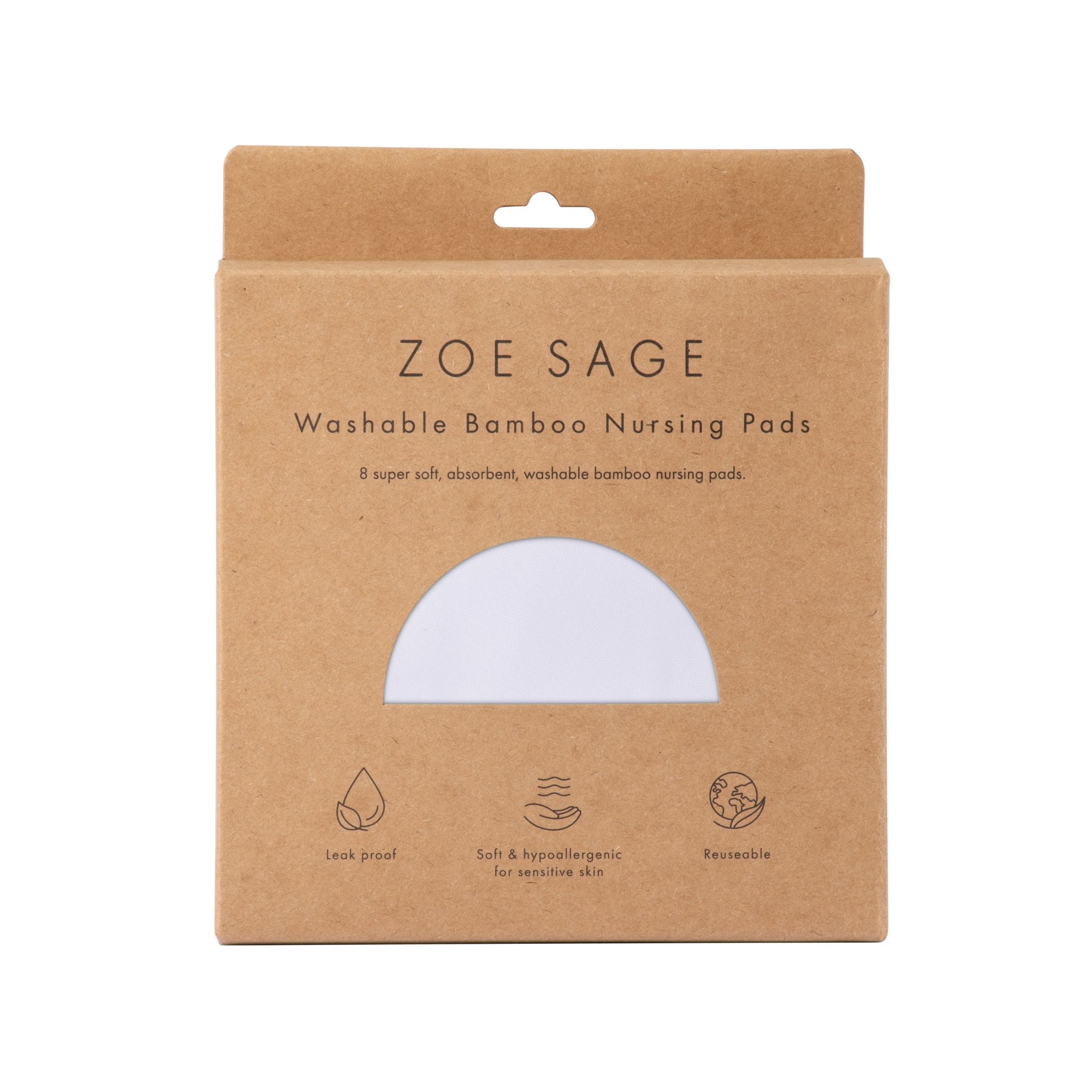
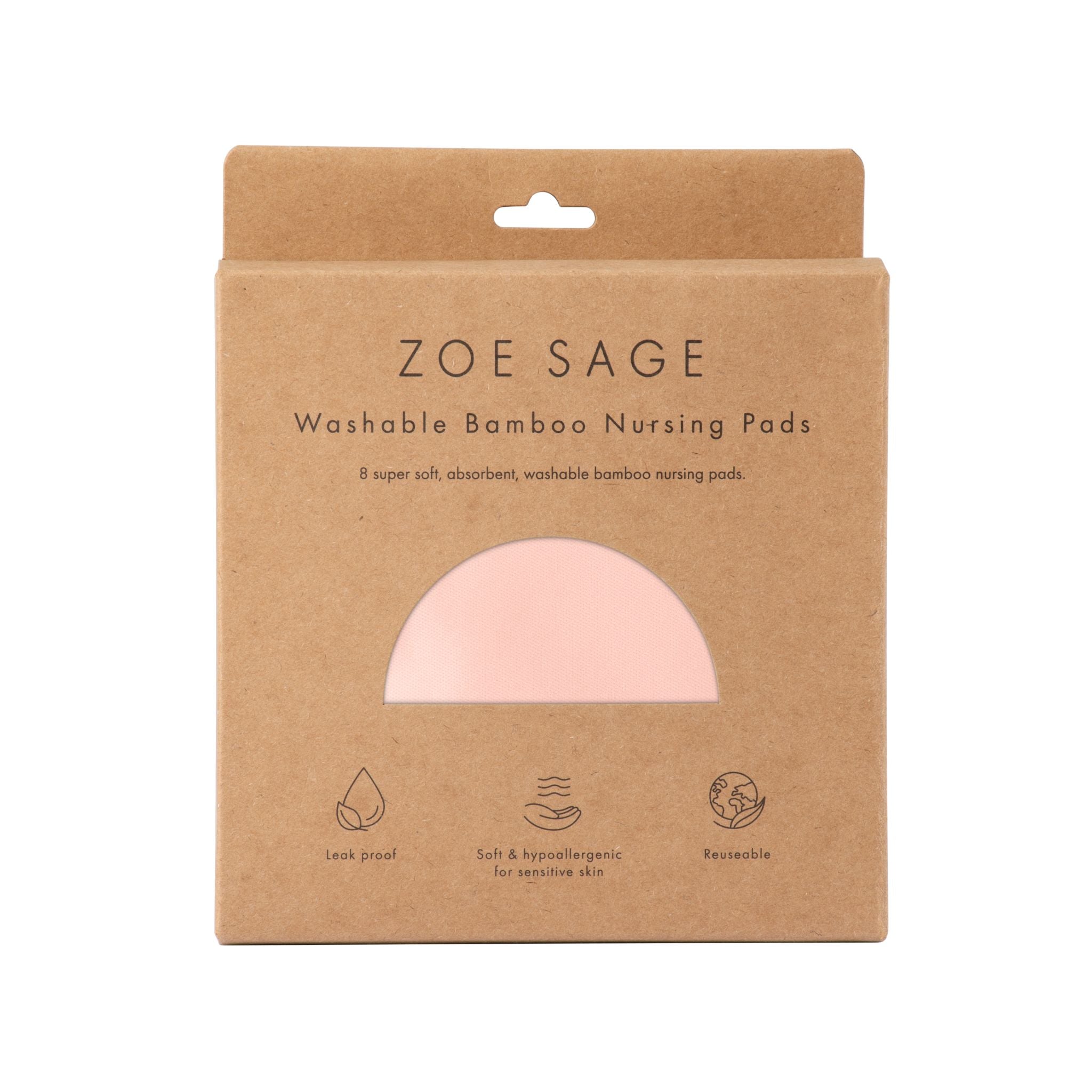
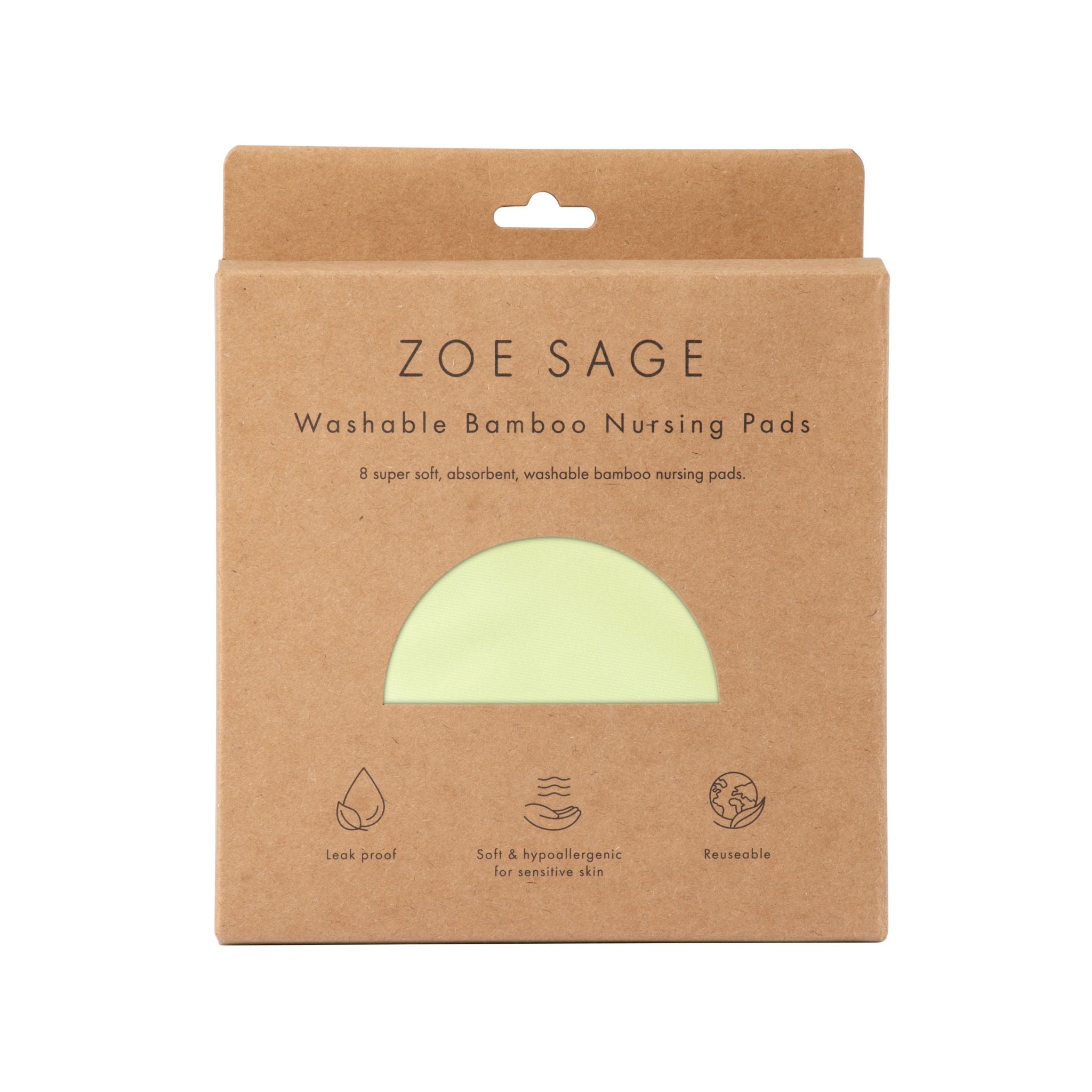
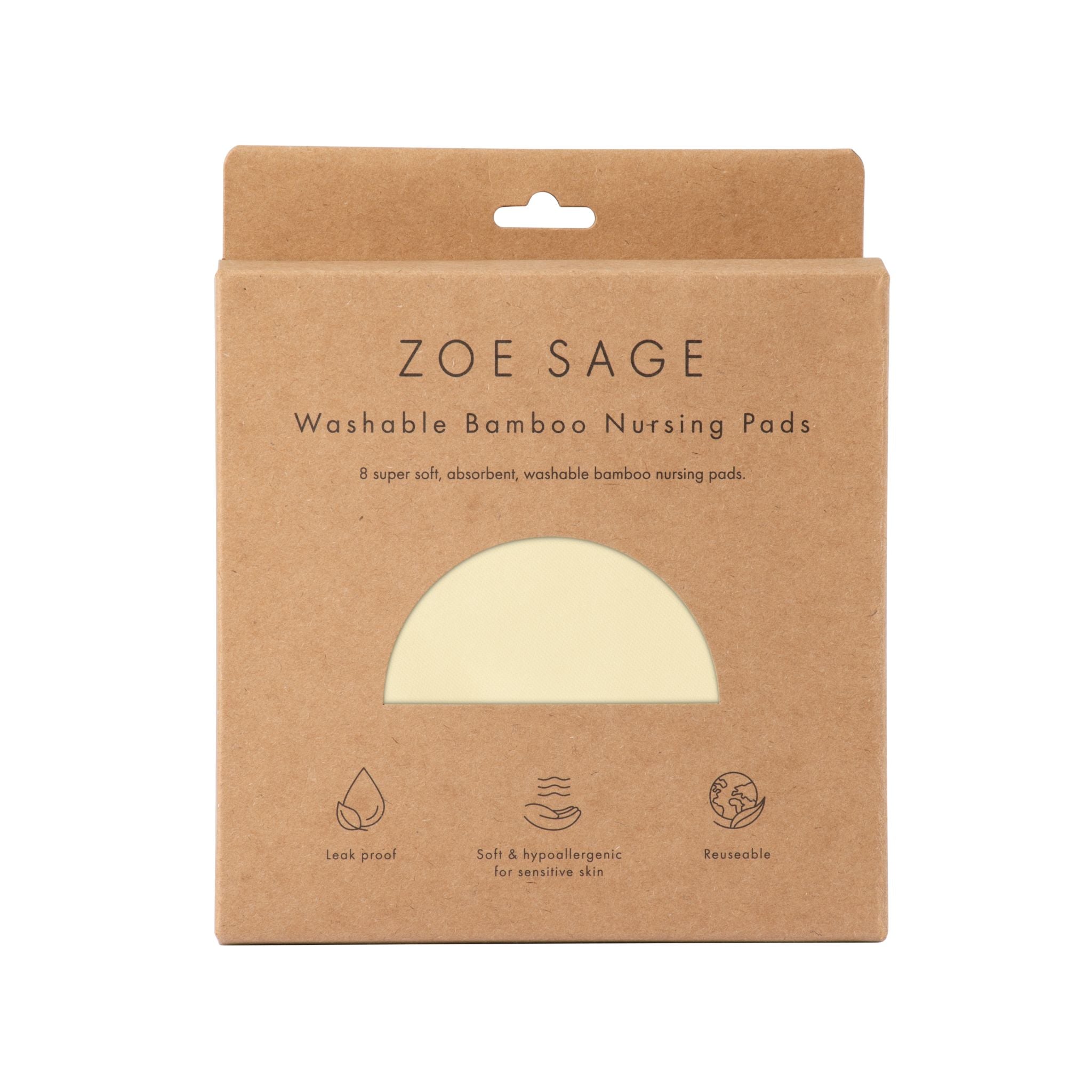
- Washable Bamboo Nursing Pads come in an 8-pack so you always have a fresh pair. Made from soft bamboo and fully washable.
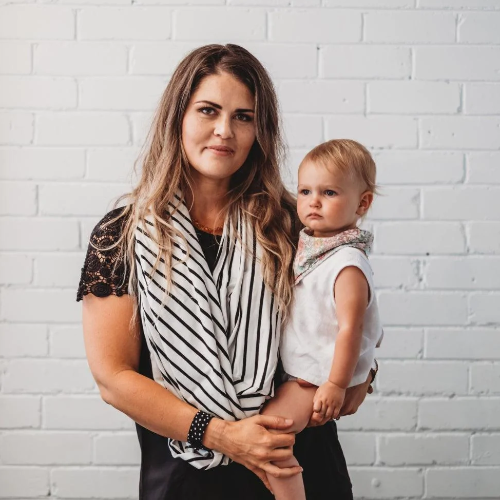
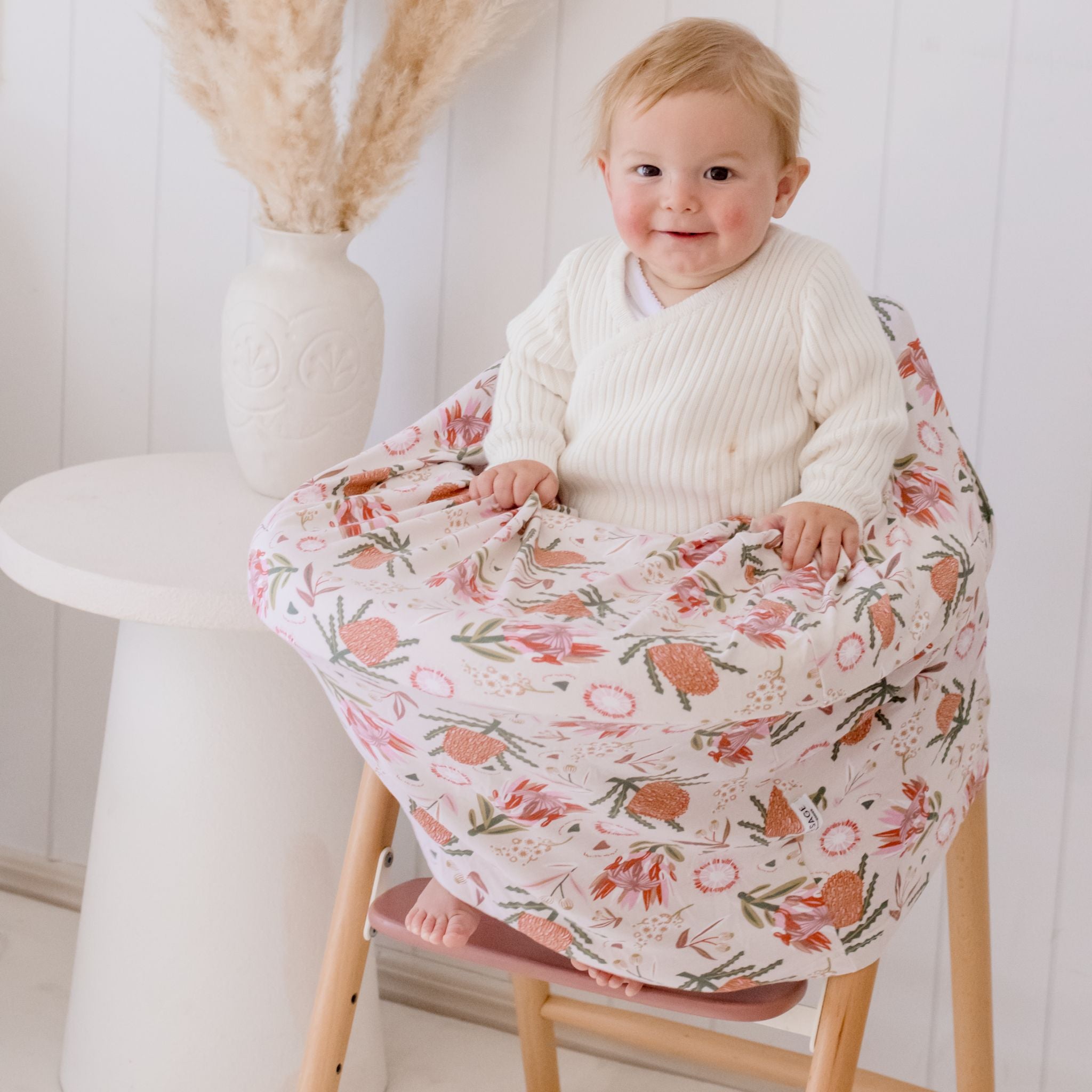
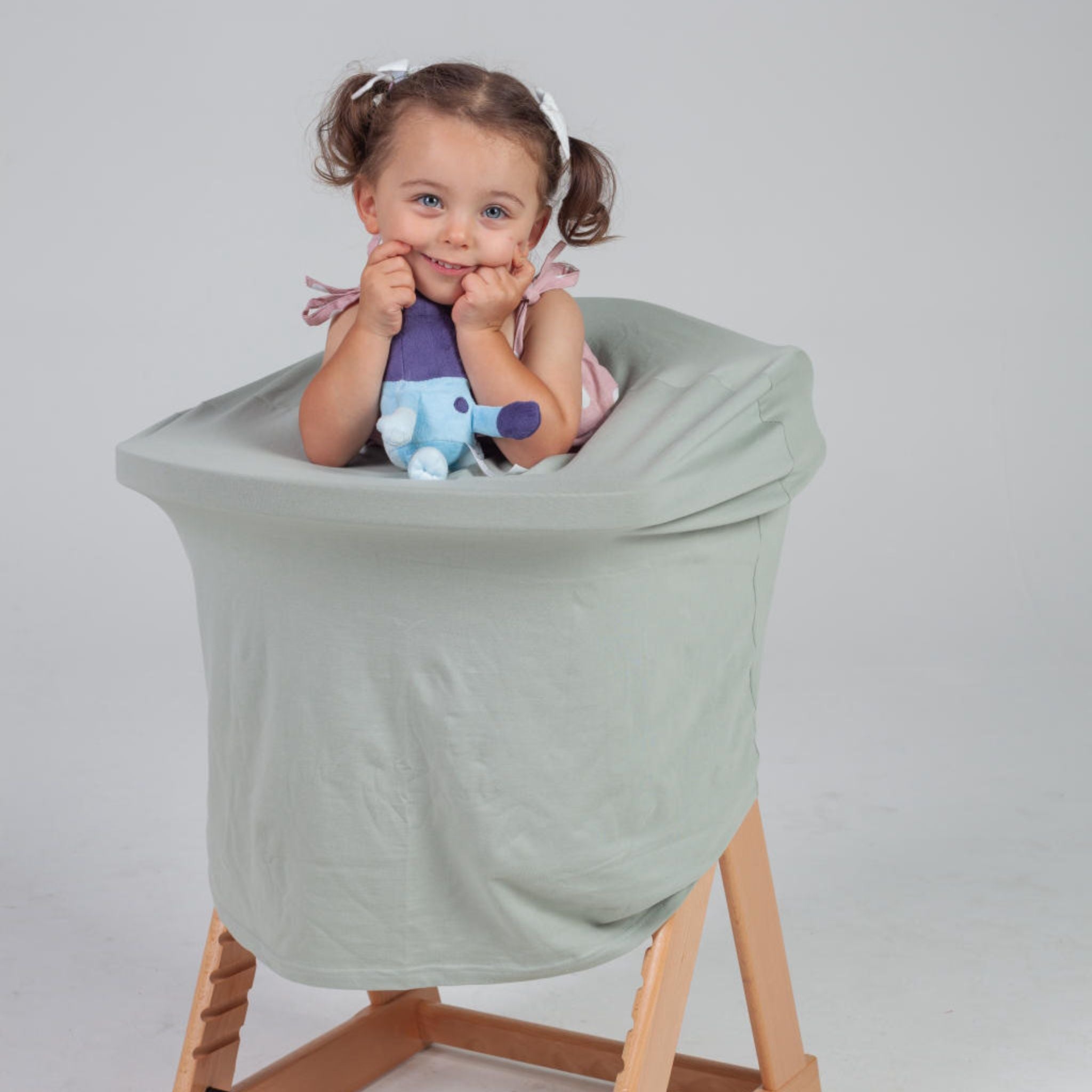
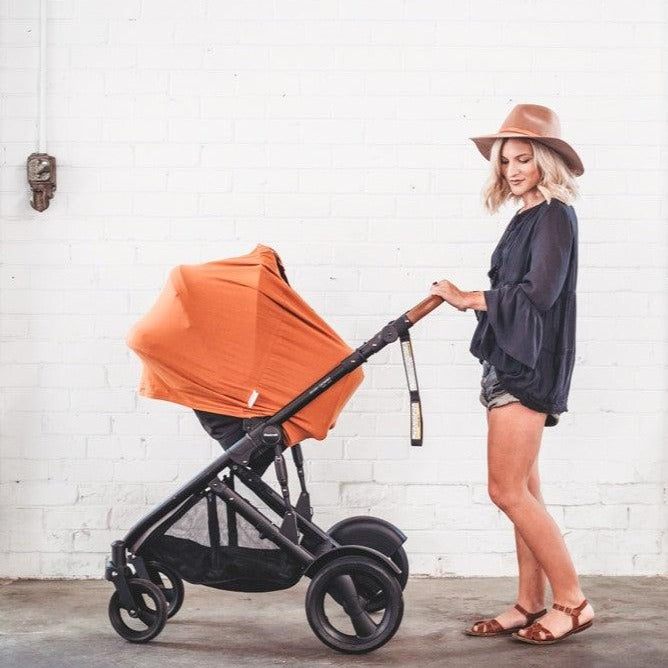
- The Multi-Use Nursing and Breastfeeding Cover works as a cover, a wrap, and a pram shade. The Sage Green colour is a favourite for a reason.
For the First Foods Stage
Starting solids is exciting and messy in equal measure. Having the right gear makes mealtimes calmer for everyone at the table.
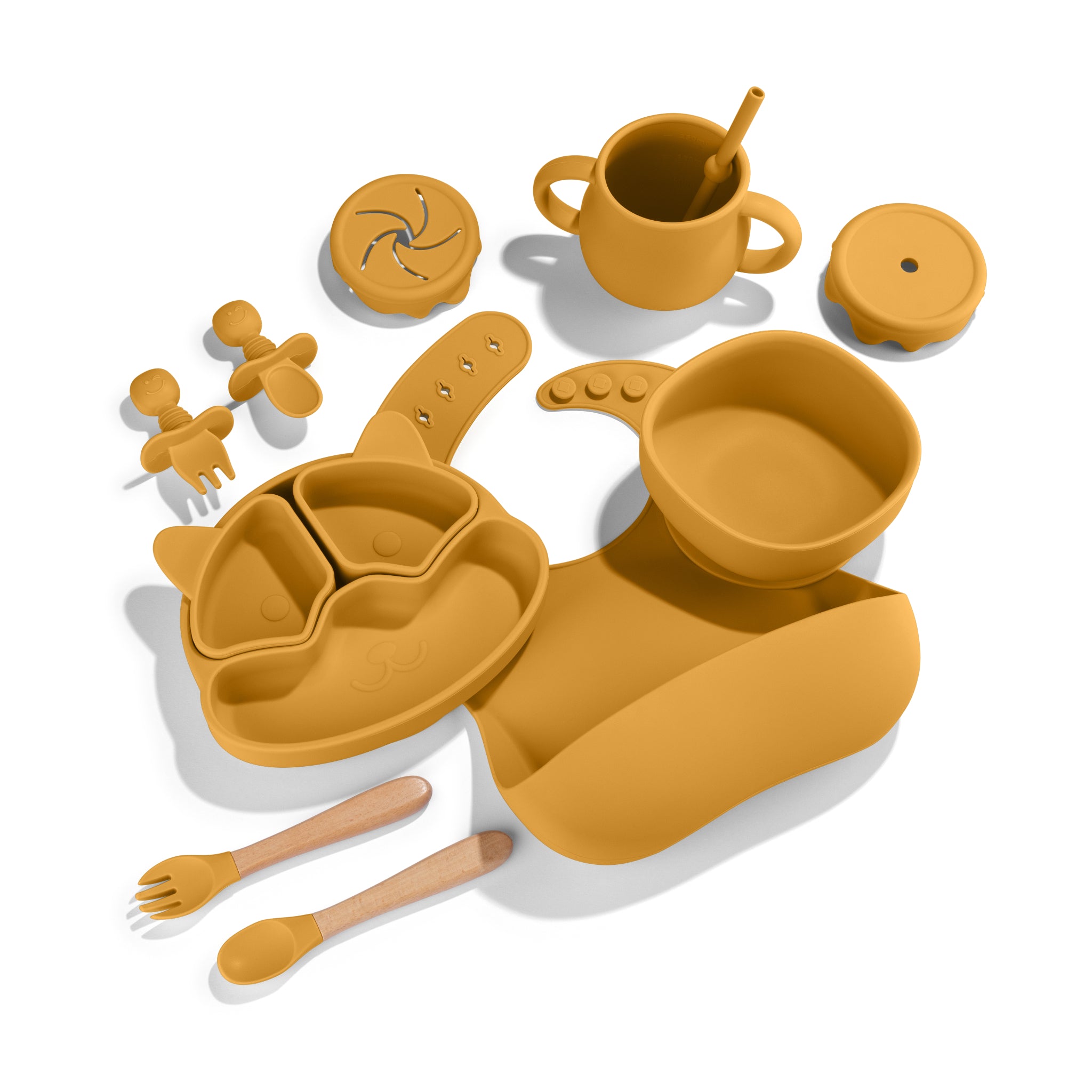
- The Silicone Baby Feeding Set 11pc Bundle has everything you need to get started. Suction bowl, divided plate, cutlery, and more, all in one box.
- Available in Chino, Kokoda, and Rock Blue so you can match your kitchen or nursery palette.
- Food-grade silicone throughout. Easy to clean, safe for little mouths, and built to last past the first birthday.
Why Mums Love This Edit
Every product here is chosen to reduce load, not add to it. No fussy parts. No unnecessary extras. Just practical, good-looking pieces that do what they promise.
- Bamboo nursing pads that wash well and hold their shape
- A feeding cover that doubles as a multi-use layer for outings
- A complete silicone feeding set so there is nothing left to hunt down separately
Whether you are setting up for a newborn or stepping into solids, this edit has the stage covered.
Free AU shipping on orders over $100.
New to silicone feeding gear? Read our guide to choosing a baby feeding set.
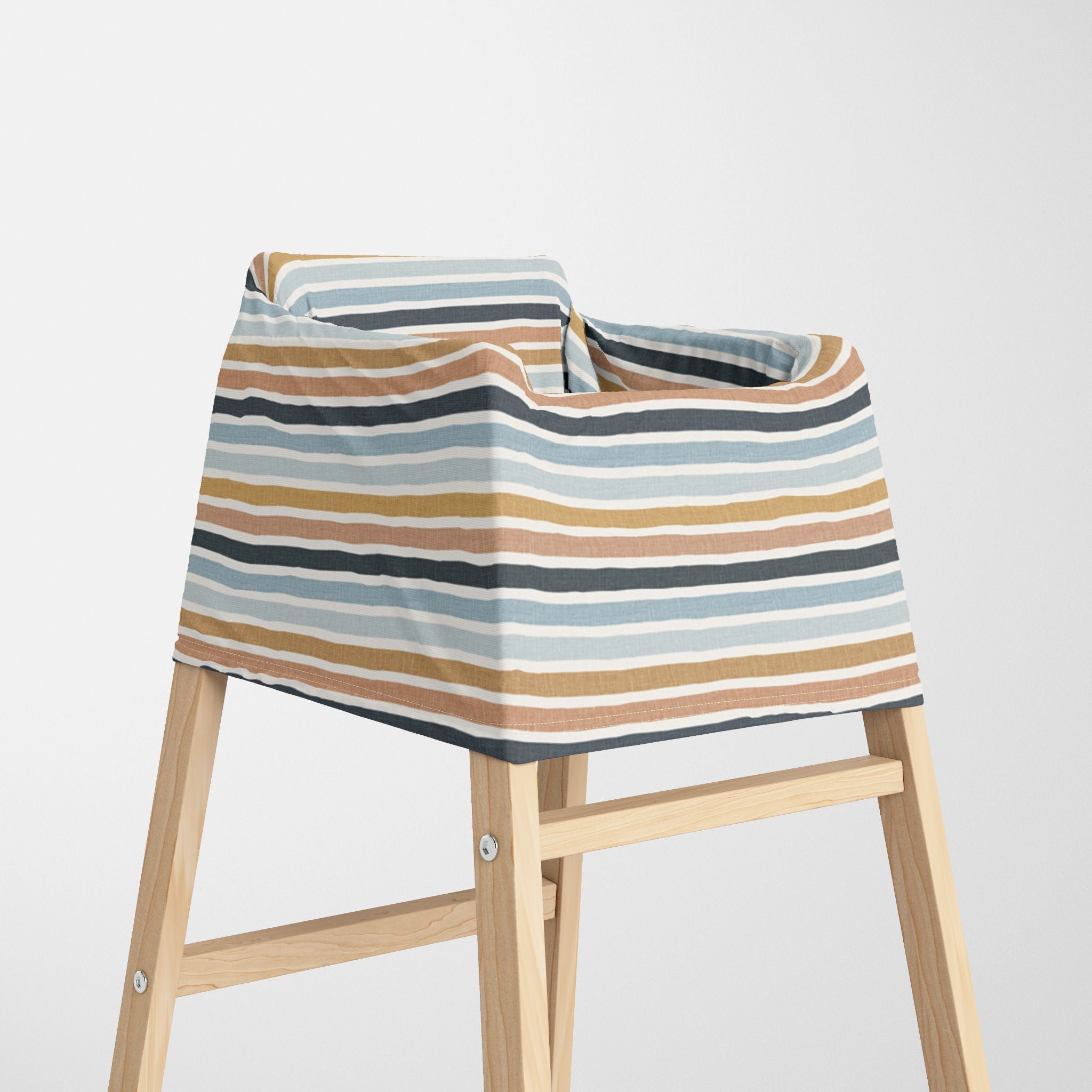
5 in 1 Multi Use Nursing Mama Covers
A versatile cover for breastfeeding, babywearing, car seat and more.



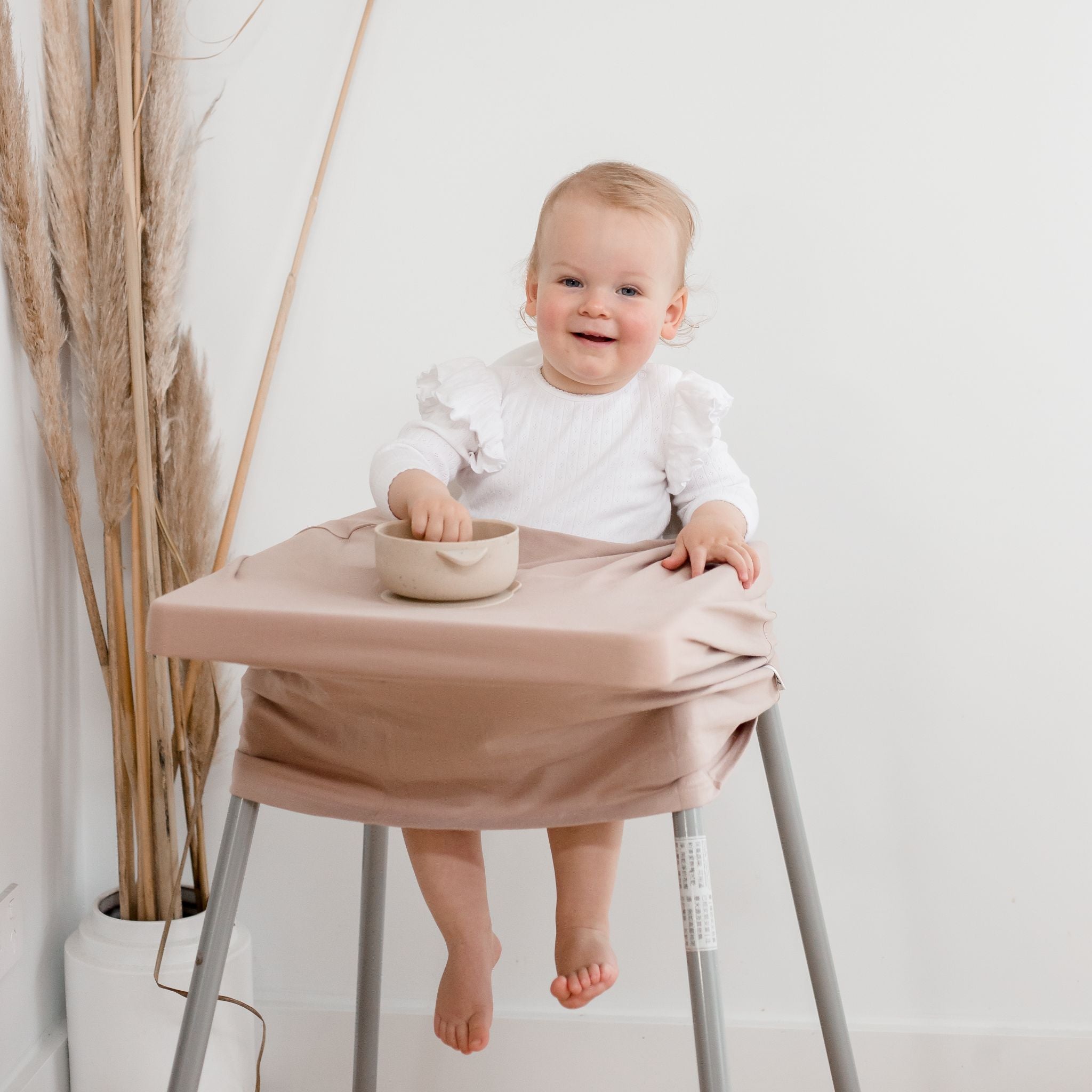
NursElet Breastfeeding Bracelets
The soft band that remembers which side you last fed from, so you don't have to.


Reusable Bamboo Nursing Breast Pads
Stay dry and comfortable with soft, washable bamboo pads designed for everyday breastfeeding.
Linen Bandana Dribble Bibs
Stylish & Absorbent Drool Protection





Silicone Baby Mealtime Feeding Sets
Make mealtime easier and safer


Feeding Your Baby — Common Questions Covered
What are the different ways I can feed my baby?
How many bibs does a newborn actually need?
When do babies start using silicone feeding sets?
How do I know if my baby is getting enough milk when breastfeeding?
Are reusable nursing pads worth it compared to disposables?
How do I clean silicone baby feeding products?
What's the best way to store expressed breast milk?
More to Love
You May Also Need


Popular Edits