

First-time pregnancy comes with a lot of questions. What is safe to eat? How should you sleep? What actually happens during labour? The best pregnancy books Australia has to offer give you real, evidence-based answers without sending you down an internet rabbit hole at 2am. These five earn their place on the shelf. Each one is genuinely useful, not just reassuring.
The Best Pregnancy Books in Australia Right Now
1. Birth by Catherine Price and Sandra Robinson
This Australian favourite covers labour and birth in plain, no-nonsense language. It explains what your body is doing at each stage, what interventions exist and when they are used, and how to make informed decisions in the room. Written by a midwife and a doctor, it does not talk down to you. If you only read one book about the birth itself, make it this one.
2. Up the Duff by Kaz Cooke
Week-by-week, funny, Australian and brutally honest. Kaz Cooke covers everything from nausea and food cravings to the emotional rollercoaster of the third trimester. The tone feels like a friend who has been through it and is not going to sugarcoat it. Good for reading a chapter at a time rather than cover to cover.
3. Expecting Better by Emily Oster
An economist applies data analysis to every piece of pregnancy advice you have ever been given. Deli meat. Coffee. Sleeping positions. Oster goes back to the original studies and tells you what the evidence actually says, not just what has become accepted wisdom. Useful for anyone who wants to understand the why behind the rules.
4. The Whole Nine Months by Jennifer Lang and Dana Rousmaniere
A practical, trimester-by-trimester guide written by an OB-GYN. It covers nutrition, exercise, mental health and the physical changes happening week to week. Less opinion-heavy than some books on this list and more reference-style, so it works well alongside a more conversational read.
5. Nurture by Erica Chidi Cohen
This one covers the full arc from conception through the early postpartum weeks. It is calm, thorough and respectful of different birth choices. Strong on mindfulness, breathing techniques and preparing your body and mind for labour. Good for mums who want to feel prepared rather than just informed.
How to Choose the Right Book for You
Not every book suits every reader. A few things worth thinking about before you buy.
- If you want data and evidence, start with Expecting Better.
- If you want an Australian voice with humour, Up the Duff is hard to beat.
- If birth itself is what worries you most, Birth by Price and Robinson is the most focused option.
- If you want one book that covers pregnancy through to early parenthood, Nurture covers the most ground.
- Buying two that complement each other, one practical and one conversational, tends to work better than trying to find one book that does everything.
Libraries stock most of these, so borrowing before buying is worth doing if you are unsure.
What to Do Once You Have Read Them
Books get you informed. Preparation gets you ready. Once you are into the third trimester, it is worth thinking practically about what you actually need in place before your due date. That includes knowing what to pack for your hospital stay, which is one of those tasks that feels optional until suddenly it is very much not. Our hospital bag packing guide walks you through exactly what to bring, room by room, so nothing gets forgotten in the rush.
If you would rather skip the research and work from a curated list of newborn basics, take a look at our hospital bag essentials article for a straightforward breakdown of what new mums actually use versus what tends to stay in the bag.
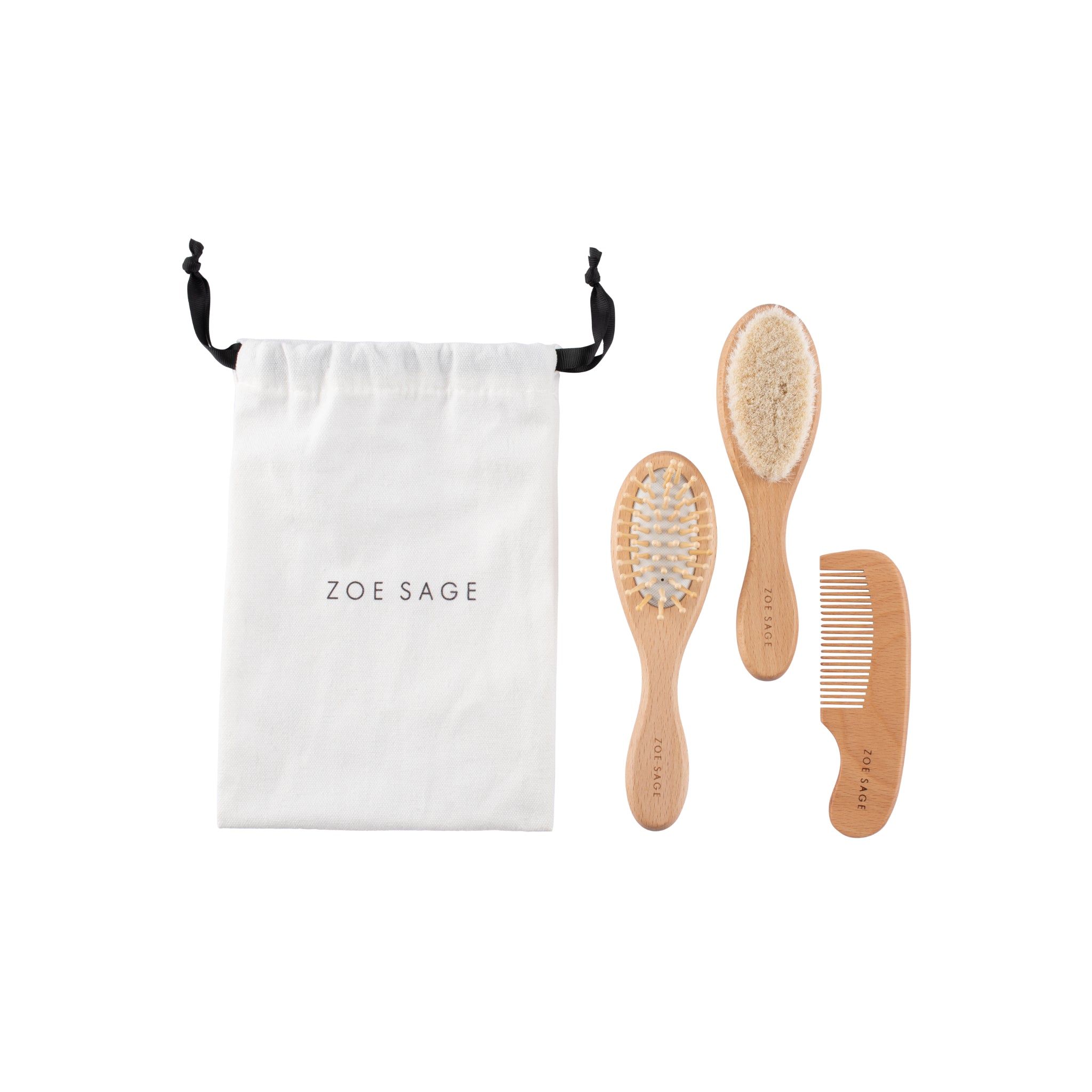
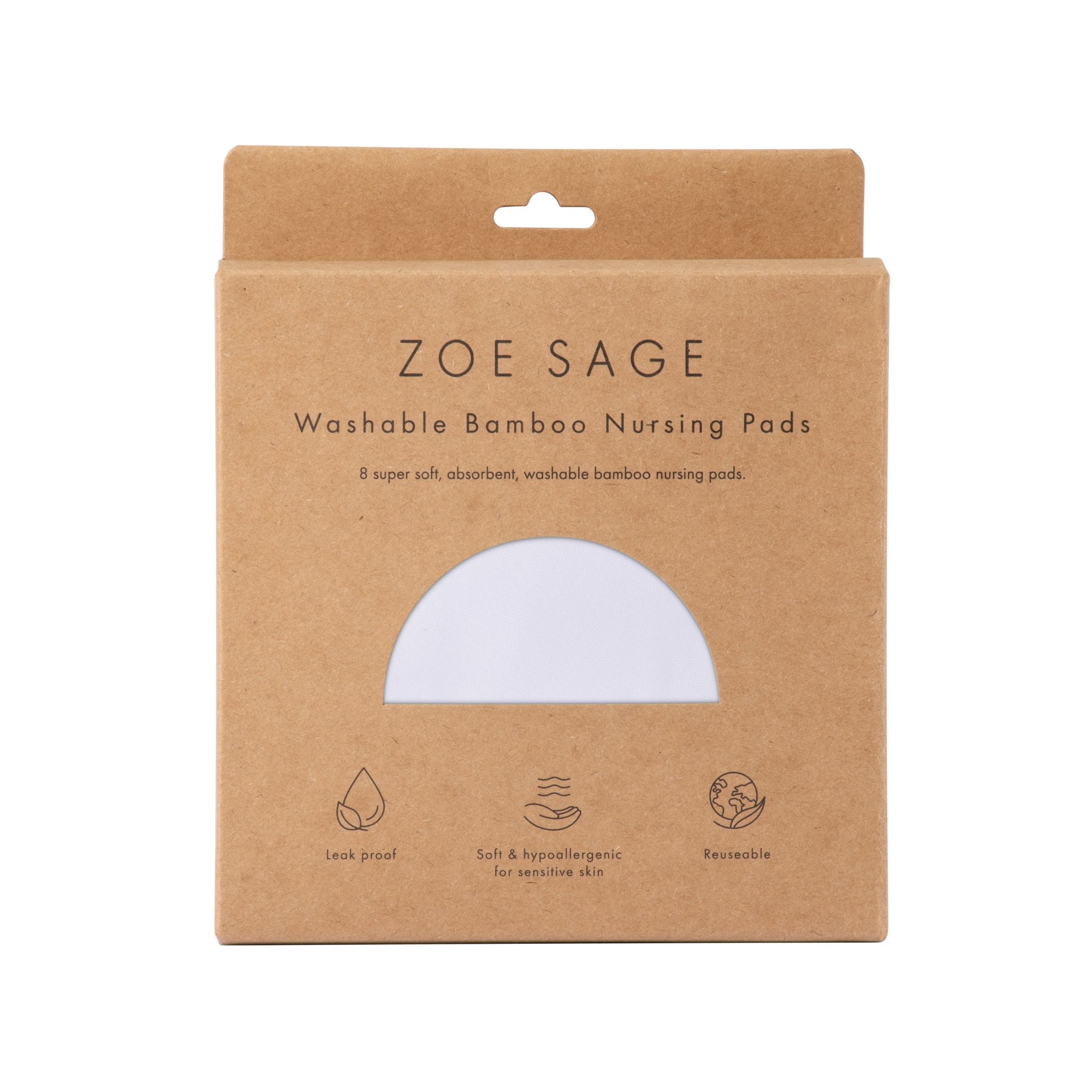
For the physical items, you can browse our ready-to-go newborn essentials to see what we have put together for Australian mums heading into hospital.
A Note on Safe Sleep Reading
Pregnancy books vary widely in how much they cover newborn sleep safety. For the most current Australian guidance, go directly to Red Nose Australia and Raising Children Network. Both are regularly updated and free to access. No book, however good, replaces checking the current recommendations before your baby arrives.