

Knowing what foods to avoid when breastfeeding is one of those questions almost every new mum asks. The short answer is that most foods are fine. But a handful are worth watching, especially if your baby seems unsettled, gassy, or reacting after feeds. Here is what the evidence actually says.
Foods and Drinks Worth Limiting While Breastfeeding
Your breast milk is remarkably consistent regardless of what you eat. Your body prioritises your baby. That said, some substances do pass into milk and may affect your baby or your supply.
Caffeine
Caffeine transfers into breast milk in small amounts. Most babies handle it fine, but newborns process caffeine much more slowly than adults. If your baby is unusually alert, fussy, or struggling to settle, try reducing coffee, tea, energy drinks, and chocolate. The Australian Breastfeeding Association suggests keeping caffeine under 200mg per day, roughly one to two cups of coffee.
Alcohol
Alcohol passes into breast milk at similar levels to your blood alcohol concentration. It also temporarily reduces milk supply and can affect your let-down reflex. If you choose to drink, wait at least two hours per standard drink before feeding. Expressing before drinking and using stored milk is another option. The safest choice for your baby is no alcohol, but occasional low-level intake with appropriate timing is considered low risk.
High-Mercury Fish
Mercury accumulates in breast milk and affects infant neurological development. Fish to limit or avoid include shark, broadbill, marlin, swordfish, and orange roughy. You do not need to avoid fish altogether. Salmon, sardines, and prawns are lower in mercury and a great source of omega-3s, which actively support your baby's brain development.
What About Foods That Cause Gas or Colic?
Broccoli, cabbage, onions, beans, and spicy food are often blamed for a gassy or unsettled baby. The evidence here is thin. Most gas-producing compounds do not actually pass into breast milk. Flavours from your diet do transfer, but this is generally a good thing. It introduces your baby to variety early.
If you notice a consistent pattern, where your baby is unsettled within a few hours of you eating a specific food, it is reasonable to trial removing it for a week or two and watching for a change. Keep it simple and test one food at a time.
True food sensitivities in breastfed babies are less common than many assume. Cow's milk protein is the most frequent culprit when a sensitivity is confirmed. Signs can include blood or mucus in nappy output, persistent eczema, or significant distress after feeds. Speak to your GP or a lactation consultant before cutting out entire food groups.
What You Actually Need More Of When Breastfeeding
The conversation about foods to avoid can overshadow something more important. Breastfeeding increases your nutritional needs significantly. Your body needs extra calories, calcium, iodine, and vitamin D. Skipping meals or restricting your diet too heavily can affect your energy and, over time, your supply.
Some mums find that supporting their supply through diet is a priority, particularly in the early weeks. If you are curious about whether foods like oats, fenugreek, or brewer's yeast make a real difference, it is worth reading the detail on how lactation-supporting ingredients actually work before spending money on supplements or snacks.
If you are feeding twins or managing a higher demand for milk, your nutritional needs increase further. Feeding two babies at once brings its own set of considerations around supply, positioning, and keeping your own energy levels up.
Breastfeeding at Work and Staying on Track
Once you return to work, maintaining a balanced diet gets harder. Busy days make it easy to skip meals or default to quick, low-nutrient options. Planning snacks and meals ahead makes a real difference to your energy and your supply. If you are navigating this stage, our guide to breastfeeding as a working mum covers pumping schedules, storage, and keeping supply consistent through the transition.
Setting Yourself Up With the Right Feeding Essentials
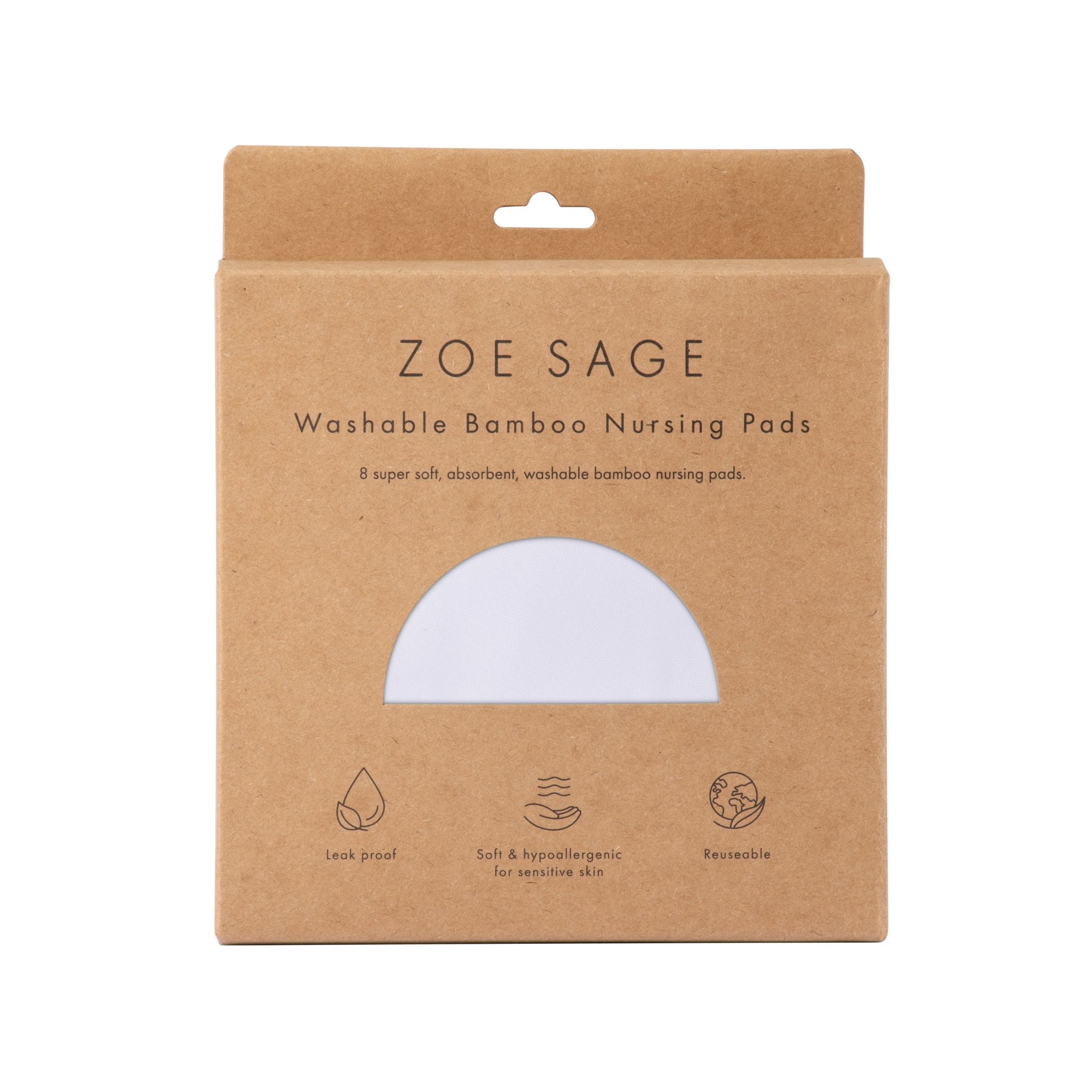
What you eat matters. So does having the right support around you for feeding. Comfortable nursing bras, practical feeding-friendly clothing, and good quality breast pads make day-to-day feeding easier, whether you are at home or out. Browse our curated range of breastfeeding essentials to find everything you need in one place.
For further guidance on diet during breastfeeding, Raising Children Network has clear, evidence-based information for Australian parents.