


A white noise machine might be the most underrated item in your baby sleep toolkit. Simple, effective, and backed by real science. Here is why so many Australian parents swear by a white noise setup, and how to use one properly.
You can find these in our our night light range.
What Is White Noise and Why Do Babies Love It?
White noise is a steady, consistent sound that contains all audible frequencies at equal intensity. Think of it like a gentle hiss or the hum of a fan. It creates a sound blanket that masks sudden noises, keeping babies in a deeper, more settled sleep.
It works because the womb is loud. Around 85 decibels loud, which is similar to a vacuum cleaner. Newborns are not used to silence. Quiet rooms can actually startle them awake. White noise mimics that familiar in-utero environment, which is why babies often settle faster when it is on.
Research supported by Raising Children Network confirms that consistent, calming sleep cues, including sound, can help babies settle more reliably over time.
Which Sounds Work Best for Baby White Noise
Not all sounds are equal. Some work better for newborns than others.
- Pink noise (slightly deeper than white noise) is gentler on tiny ears and popular for younger babies.
- Shushing sounds closely mimic what babies hear in the womb.
- Rain, ocean waves, and fan sounds are also effective for many babies.
- Avoid music or sounds with patterns. They can become stimulating rather than calming.
Start with a shush or fan sound for newborns. Experiment from there as your baby grows and their sleep cycles lengthen.
What to Look for in the Best Baby White Noise Machine
Not every machine is worth your money. Here is what actually matters.
- Volume control. You want to adjust the sound level easily, especially during night feeds.
- Seamless looping without gaps. Any pause or click between loops can wake a light sleeper.
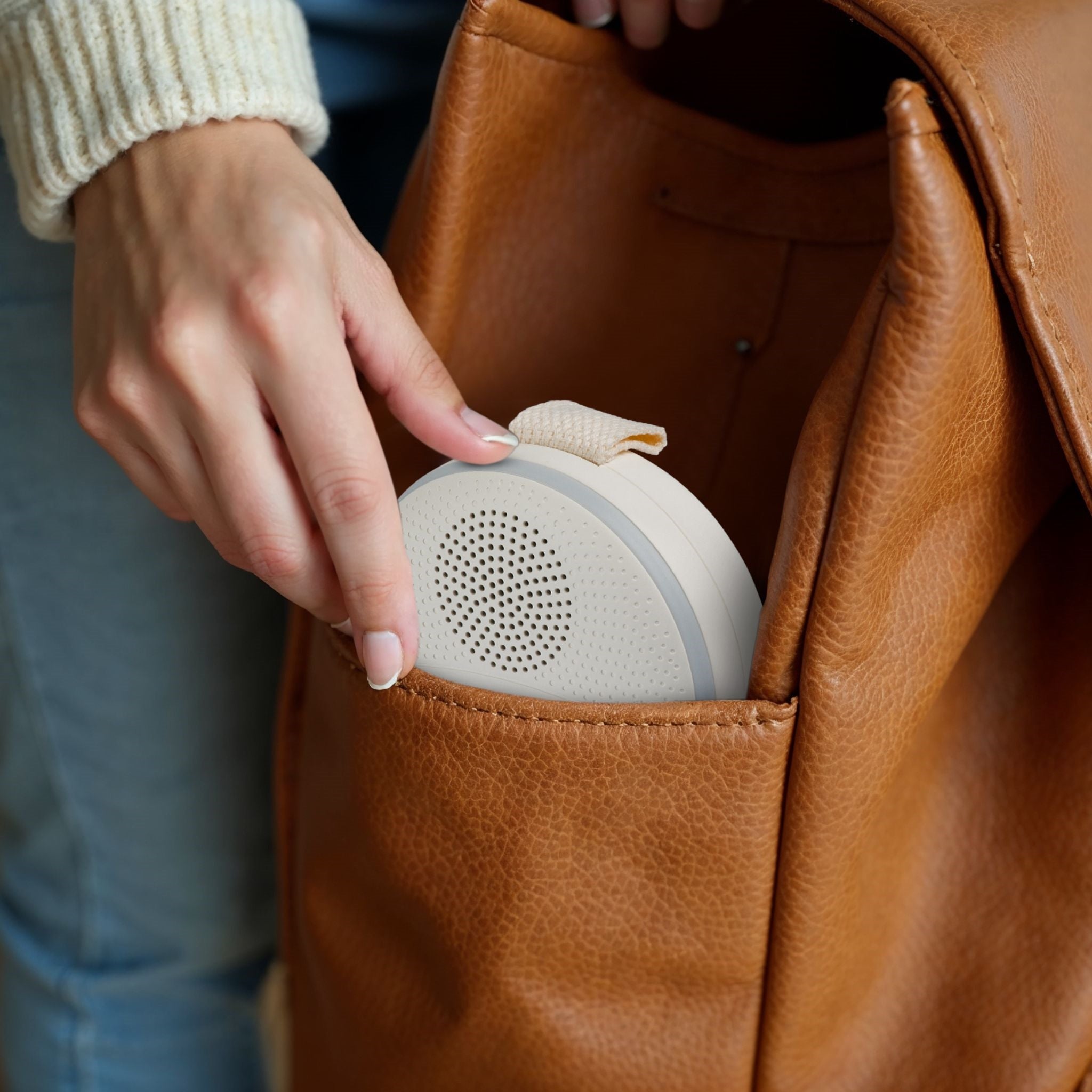
- Portability. A machine that travels with you means consistent sleep anywhere, including at grandparents or on holiday.
- Non-toxic materials. Look for BPA-free plastics and avoid machines with strong chemical smells.
- Timer options. Useful if you want sound to run for a set period rather than all night.
Compact machines with sealed speaker components tend to hold up better over months of daily use. If you are buying locally, check for the RCM mark, which confirms the product meets Australian electrical safety standards.
One note on baby pillows: they are not recommended for infants under 12 months regardless of where you purchase them. Red Nose Australia advises keeping the sleep space clear of pillows, loose bedding, and soft objects to reduce the risk of sudden unexpected death in infancy.
How Loud Should the Best Setting Be?
This is where many parents go wrong. The recommended safe volume is around 50 to 60 decibels at the baby's ear level. That is roughly the volume of a quiet conversation.
Place the machine at least one to two metres from the cot. Never put it directly next to your baby's head. At too high a volume over long periods, white noise can affect hearing development.
Use a free decibel meter app on your phone to check levels in your nursery. It takes 30 seconds and gives you confidence you are in a safe range. Most apps are accurate enough for this purpose.
Average Head Circumference and Cot Positioning: A Quick Note
Parents often ask about positioning when setting up a sleep space. At four months, the average head circumference is around 41 to 42 centimetres. That context matters because it is a reminder of just how close to cot bars or hard surfaces a small baby's head can sit. Keep the white noise machine well clear, and make sure nothing is within reach of the cot sides.
Could White Noise Be Waking My Baby?
Yes, it can, but usually not for the reasons parents expect.
- If the volume is too high, it can become stimulating rather than soothing.
- If the machine cuts out mid-sleep cycle, the sudden silence can startle baby awake.
- Some babies become so used to white noise that any gap in sound causes waking.
The fix is straightforward. Keep volume moderate, use a machine with seamless looping, and introduce it consistently so your baby associates it with sleep rather than relying on it as the only settling tool.
The Best Sleep Soother for Baby: White Noise Plus a Dim Light
White noise works even better when paired with a consistent sleep environment. A dim, warm light during the wind-down routine signals to your baby that sleep is coming. Pair your white noise machine with a nursery night light that is portable and safe for nappy changes and feeds without fully waking your little one.
The combination of steady sound and low light is one of the most effective settling setups for babies under 12 months. It removes the guesswork from the bedtime routine and gives your baby clear, repeated cues that rest is next.
For mums navigating the early weeks, the baby blues are real and exhaustion makes everything harder. A more settled baby means more sleep for everyone, and that matters for postnatal recovery too.
When to Start and When to Stop
You can introduce white noise from day one. Many parents find it helpful from the first week home from hospital.
There is no hard rule on when to stop. Many toddlers sleep better with it too. When your child is old enough, they will often tell you they no longer want it. Until then, if it is working, keep using it.
Quick Tips to Get Started Tonight
- Start white noise before your baby is fully asleep, during the settling phase.
- Use it consistently for every nap and overnight sleep.
- Keep the volume at conversational level, not loud.
- Place the machine at least one metre from the cot.
- Pair it with a dim light and a predictable wind-down routine.
- Check the volume with a decibel app before you commit to a setting.
Good sleep changes everything, for your baby and for you. White noise is not a magic fix, but for many families it is the missing piece that makes the whole routine click into place.