

Breastfeeding myths are everywhere. From the mothers' group chat to the hospital ward, well-meaning advice flies in from all directions, and a lot of it is simply wrong. Sorting fact from fiction early can save you a lot of stress, tears, and unnecessary formula top-ups. Here are five of the most common breastfeeding myths, set straight.
Myth 1: Your Baby Will Instinctively Know How to Latch
Breastfeeding is natural, yes. But natural does not mean automatic. Newborns have feeding reflexes, but latching correctly is a skill that both you and your baby need to learn together. Many mums find the first few days genuinely difficult, and that is completely normal. A poor latch causes nipple pain, reduces milk transfer, and can affect your supply.
If you are struggling, contact a lactation consultant or your midwife early. The Australian Breastfeeding Association has a 24-hour helpline staffed by trained counsellors who can help you troubleshoot in real time. Do not wait until you are exhausted and sore to ask for support.
Myth 2: Small Breasts Mean Less Milk
Breast size has nothing to do with milk production. Milk supply is determined by glandular tissue, not fat tissue, and these are not the same thing. Breast size largely reflects fat content. You can have small breasts and abundant supply, and large breasts and low supply. Neither size guarantees anything.
Supply works on a demand and response system. The more frequently and effectively your baby feeds, the more milk your body produces. Worrying about your breast size is one concern you can genuinely set aside.
Myth 3: If You Are in Pain, You Are Doing It Wrong
Some discomfort in the early days is common, particularly in the first few seconds of a feed while your nipples adjust. But sharp, ongoing pain throughout a feed, cracked nipples, or bleeding are signs that something needs attention. These symptoms usually point to a latch issue, tongue tie, or a condition like thrush or mastitis.
Pain is your body signalling that something is off. Get it assessed rather than pushing through. Feeding with an unresolved issue can lead to supply problems and, in some cases, early weaning when you may not have wanted to stop.
Having the right support products close by helps too. A well-fitted nursing bra, nipple balm, and a comfortable feeding pillow make a real difference to your day-to-day comfort. Browse our breastfeeding essentials to find practical items built for the early feeding months.
Myth 4: Lactation Cookies and Supplements Will Fix Low Supply
Lactation cookies, teas, and supplements are popular, and many mums find them a comforting addition to their routine. But they are not a cure for genuine low supply. If your baby is not gaining weight, has very few wet nappies, or is consistently unsettled after feeds, that needs medical review first.
That said, certain ingredients found in lactation products, like oats and brewer's yeast, do have some evidence behind them. If you are curious about what actually works and what is marketing, this detailed look at the ingredients inside lactation cookies and the research behind them is worth a read before you stock up.
Ultimately, frequent feeding and effective removal of milk are still the most reliable ways to build and protect your supply.
Myth 5: Breastfeeding Looks the Same for Everyone
Every feeding journey is different. Some mums feed exclusively for twelve months. Others combination feed from week one. Some return to work early and move to pumping. Some face challenges like twins, premature babies, or post-surgical complications that require a completely different approach.
If you are breastfeeding twins, the logistics are genuinely more complex, and the standard advice does not always apply. There is specific guidance worth reading on feeding twins and managing supply for two that covers positioning, scheduling, and what to realistically expect.
And if you are heading back to work, breastfeeding does not have to stop. With the right preparation, pumping at work is very manageable. This practical guide for mums continuing to breastfeed after returning to work covers storage, pumping schedules, and how to talk to your employer.
What Actually Matters
Cut through the noise by focusing on a few things that genuinely move the needle. Feed often, get a good latch assessed early, seek help at the first sign of pain, and ignore advice that is not backed by evidence or a qualified health professional.
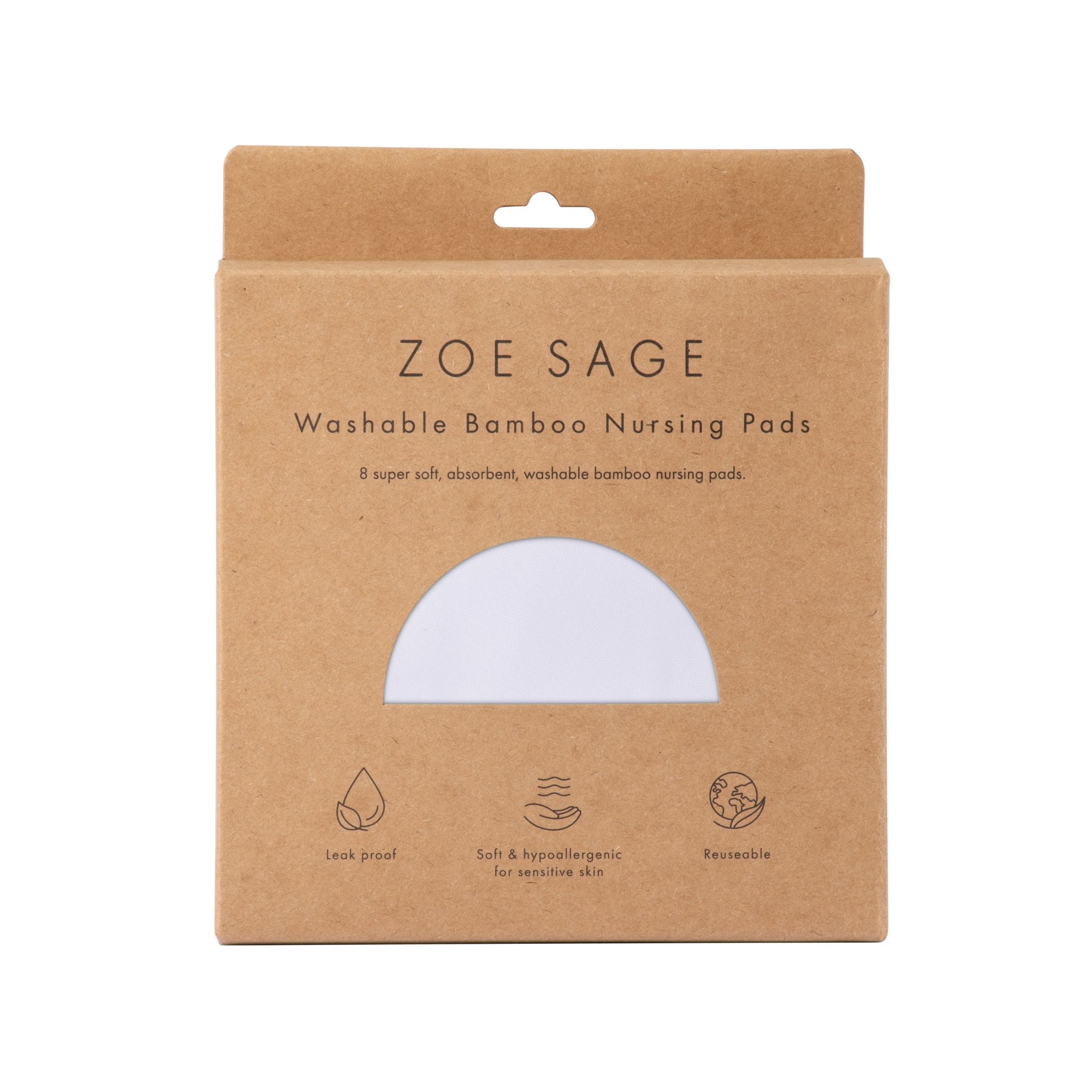
For feeding support products, from nursing bras to milk storage bags to breast pads, take a look at our curated range of feeding essentials selected for Australian mums navigating every stage of the breastfeeding journey.
The Raising Children Network's breastfeeding guidance is also a reliable, evidence-based resource to bookmark for those middle-of-the-night questions.