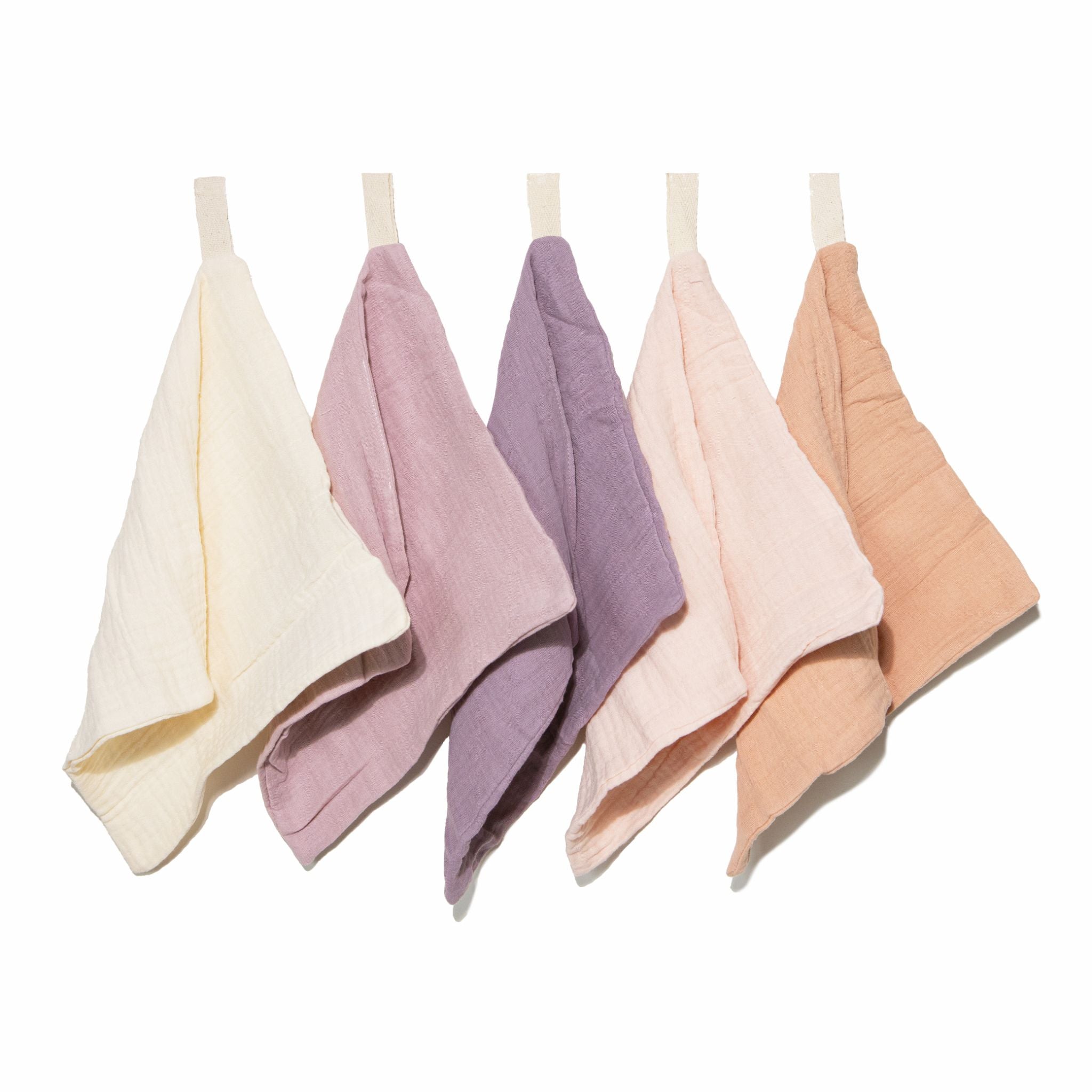

Stretchy swaddles have become a go-to for Australian parents navigating those early newborn weeks. Soft, forgiving fabric that moves with your baby, simple enough to use at 3am, and effective enough to actually extend sleep. This guide covers everything you need to know before you buy.
What Is a Stretchy Swaddle and How Is It Different?
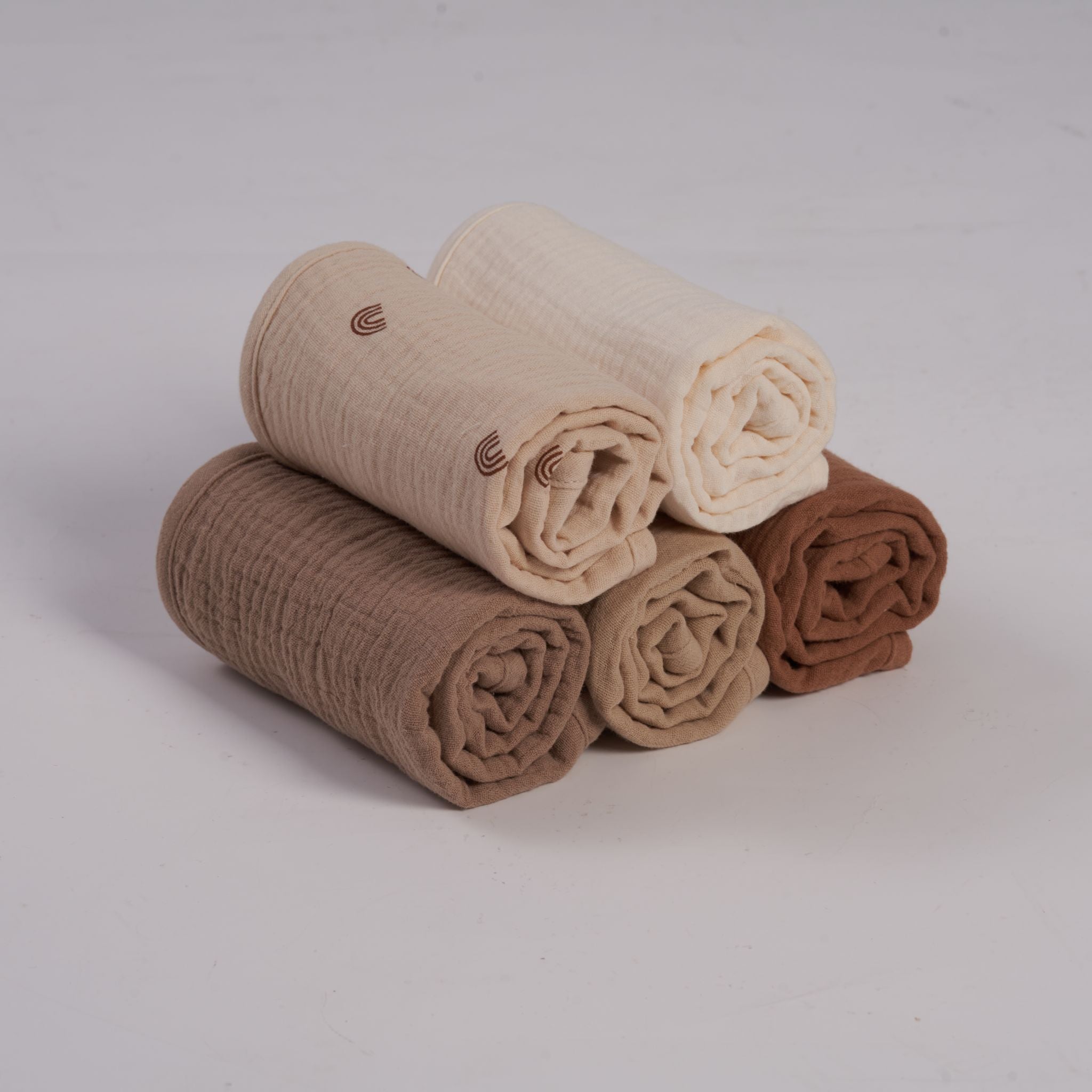
A stretchy swaddle is a wrap made from soft, stretchy fabric, usually a cotton-elastane or bamboo-blend. Unlike flat muslin wraps, the fabric has give. That means you get a snug, consistent wrap every time, without needing to master origami-level folding technique.
Muslin wraps are breathable and versatile, but they loosen. A wriggly baby works free of a muslin wrap quickly. Stretchy fabric hugs back. It holds the wrap position longer, which means your baby stays settled and you get more time between resettles.
Before diving into fabrics and sizing, it helps to understand what actually separates a quality stretchy swaddle from a basic wrap, including what to look for in stretch recovery, fabric weight, and wrap width.
Why Swaddling Supports Newborn Sleep
Newborns are born with the Moro reflex, also called the startle reflex. Their arms fling outward involuntarily during sleep, often waking them mid-cycle. Swaddling contains that reflex, keeping arms tucked close to the body so the startle does not interrupt sleep.
Safe swaddling technique matters. Red Nose Australia recommends always placing a swaddled baby on their back to sleep and stopping swaddling as soon as your baby shows signs of rolling, usually around 4 to 6 months. The hips should have room to flex and spread naturally inside the wrap. A too-tight swaddle around the hips can affect hip development.
For more detail on safe sleep practices including room temperature, sleep surface, and sleep position, Raising Children Network has a thorough guide to wrapping and swaddling worth bookmarking.
The Complete Guide to Stretchy Swaddles: Choosing the Right One
Not all stretchy swaddles are equal. Here is what to look at before you buy.
Fabric
Cotton-elastane blends are durable, easy to wash, and hold their stretch well over time. Bamboo-blend fabrics are silky soft, moisture-wicking, and breathable, which makes them well suited to warmer Australian climates. Both are good choices. What matters is that the fabric is lightweight enough to prevent overheating and recovers its stretch after washing.
Size and Length
You need enough length to wrap properly without running out of fabric mid-fold. Look for swaddles designed to fit from birth to around 3 to 4 months. Most newborns fit comfortably in a standard size, but if you are expecting a larger baby, check the weight guide on the product.
Ease of Use
The best stretchy swaddle is the one you can actually wrap correctly when you are sleep-deprived. Look for a design that is intuitive. Some have fold lines or simple visual guides. Pre-shaped swaddle pods work well for parents who find wrap technique tricky. Traditional stretchy wraps offer more flexibility once you get the hang of them.
Care Instructions
Newborn life involves a lot of washing. Check that the swaddle is machine washable and holds its shape over repeated cycles. Avoid anything that requires handwashing or air-dry only if that does not fit your routine.
If you are still weighing up your options, our guide to buying stretchy swaddles online in Australia covers what to expect with sizing, delivery, and what questions to ask before adding to cart.
How Many Stretchy Swaddles Do You Actually Need?
Most parents find three to four swaddles a practical number. One on the baby, one in the wash, one clean and ready. A spare for particularly big days is always useful. If you plan to use swaddles as your primary settling tool in the early weeks, having four means you are never caught short.
- Three to four swaddles covers most newborn laundry cycles comfortably.
- Buying two or three in the same style means you get confident with the wrap technique quickly.
- Mix of colours or prints is personal preference and does not affect function.
When to Stop Swaddling
Stop swaddling as soon as your baby begins showing signs of rolling, even if they have not fully rolled yet. This is usually somewhere between 4 and 6 months. Continuing to swaddle a baby who can roll increases risk. Transition to a sleeping bag with arms free once swaddling stops.
Ready to find the right wrap for your baby? Browse our stretchy swaddles range for soft, breathable options suited to Australian conditions, with free shipping on qualifying orders.