
Getting your baby to sleep well is one of the most talked-about topics among new parents, and for good reason. The right sleep environment, the right layers, and the right products can make a genuine difference to how rested everyone in the house feels. At Zoe Sage, we're an Australian brand that ships premium organic baby essentials straight to New Zealand parents, with free tracked shipping on orders over $150 NZD. Whether you're building your nursery from scratch or refining what's already in the linen drawer, this guide will walk you through everything you need to know about choosing the best baby sleeping bag for your little one.
What Is a Baby Sleeping Bag and Why Do NZ Parents Love Them?
A baby sleeping bag (sometimes called a sleep sack or wearable blanket) is a zip-up sleeping garment that replaces loose blankets in the cot. Because it's worn rather than tucked in, it can't be kicked off or pulled over your baby's face during the night. That's the core reason paediatricians and infant sleep experts recommend them.
According to Red Nose Australia's safe sleep guidelines, loose bedding is a known risk factor for infant sleep accidents. A well-fitted sleeping bag removes that risk while still keeping your baby at a comfortable temperature. New Zealand's Ministry of Health aligns with this guidance, making sleeping bags a staple choice for Kiwi families year-round.
Beyond safety, sleeping bags are practical. They signal to your baby that sleep time has arrived, forming part of a calming bedtime routine. They also make nappy changes in the middle of the night considerably easier, a detail any sleep-deprived parent will appreciate.
How to Choose the Right Sleeping Bag: The Key Buying Criteria
Shopping for a baby sleeping bag involves more than picking a colour you like (though that matters too). Here are the factors worth comparing before you buy.
Tog Rating: Matching Warmth to NZ Seasons
Tog is the unit used to measure thermal resistance, essentially how warm a sleeping bag will keep your baby. Getting this right is important because overheating is a risk for young infants. The general guidelines used by most paediatric health advisers are:
- 0.5 tog: Warm summer nights (typically above 24°C room temperature)
- 1.0 tog: Mild weather, a good all-rounder for New Zealand's shoulder seasons
- 2.5 tog: Cooler months and winter nights in NZ, especially in the South Island or at altitude
- 3.5 tog: Very cold rooms only, generally below 16°C
New Zealand's climate varies enormously. A family in Queenstown will have very different winter needs to one in Auckland. Always check the room temperature with a simple thermometer before deciding which tog to reach for. Raising Children Network's guide to baby room temperature is a helpful reference point for working out the right clothing layers to pair with each tog rating.
Size: Getting the Fit Right
A sleeping bag that's too large is a safety hazard because your baby could slip down inside it. Always size by weight and height, not just age. Most reputable brands offer sizing charts, and the general categories run:
- Newborn / 0,3 months: Suitable for babies up to approximately 6 kg
- 3,12 months: Covers the bulk of the first year as your baby grows
- 12,24 months: For toddlers who still want the contained, cosy feeling
- 2,3 years: Extended use for older toddlers
Check that the neck opening is snug enough that your baby cannot pull the bag up over their face, but not so tight it's uncomfortable. Armholes should allow free movement without being too loose.
Fabric: What to Look For
The fabric of a sleeping bag affects breathability, temperature regulation, and how gentle it is against newborn skin. The most common options include:
- Organic cotton or muslin: Breathable, soft, and a popular choice for babies with sensitive skin. Organic certification means the cotton is grown without synthetic pesticides, which many NZ parents prioritise.
- Merino wool: Excellent at regulating body temperature naturally, making it useful for New Zealand's variable climate. Merino is breathable and moisture-wicking, so it adapts as your baby moves between sleep phases.
- Bamboo: Silky-soft with good moisture-wicking properties, making it comfortable in warmer weather.
- Polyester fleece: Commonly used in higher-tog bags for cold nights. Durable and easy to wash, though less breathable than natural fibres.
Safety Features to Check
When comparing options, look for these practical safety details:
- A two-way zip so you can open from the bottom for nappy changes without fully unwrapping your baby
- A zip guard or chin protector to prevent the zipper from scratching delicate skin
- Secure, flat seams that won't irritate sensitive areas
- No loose toggles, buttons, or decorative ties that could pose a choking hazard
- Compliance with Australian and New Zealand safety standards (look for AS/NZS 8048 on the label)
Sleeping Bags for Travel and Overnight Trips: What NZ Parents Should Pack
A sleeping bag is one of the best travel companions for babies precisely because it creates sleep consistency away from home. Whether you're heading to a holiday home in the Coromandel or visiting family in Wellington, your baby's familiar sleep cue travels with them inside that bag.
That said, travel with a baby involves logistics that go well beyond the sleeping bag itself. Nappy changes on the road are one of the more challenging parts of overnight trips. A changing table at a petrol station or café is not always clean, convenient, or even available. This is where a compact change solution makes real sense.
Our Portable Nappy Change Clutch is designed exactly for this kind of situation. It folds out into a padded, wipeable change mat so you always have a clean surface, wherever you are. Available in Green Envy, Gridlock Grey, Just Peachy, and Zebra Crossing, there's a style to suit every parent's taste. You can browse our portable change mat range here to see all the colour options and what's currently available for NZ shipping.
If you're also navigating what bag to carry everything in, our recent guide on choosing a nappy bag that doesn't feel like you're lugging your whole life around is worth a read before your next trip.
For a deeper look at portable change mats specifically, our nappy clutch buying guide for Australian and NZ parents covers what to look for in a quality portable option.
What to Pack for an Overnight Trip with a Baby
Travelling with a sleeping bag means your baby's sleep environment stays consistent, but it helps to have a checklist for the rest of your overnight kit:
- The sleeping bag (plus a spare in a different tog in case of temperature changes)
- A Portable Nappy Change Clutch with nappies, wipes, and a spare outfit tucked inside
- A white noise source such as the Portable Baby White Noise Machine & Night Light, which helps replicate the familiar sounds of home
- A comfort object like the Goose Comforter Baby Security Blanket or the Knitted Lovey Comforter
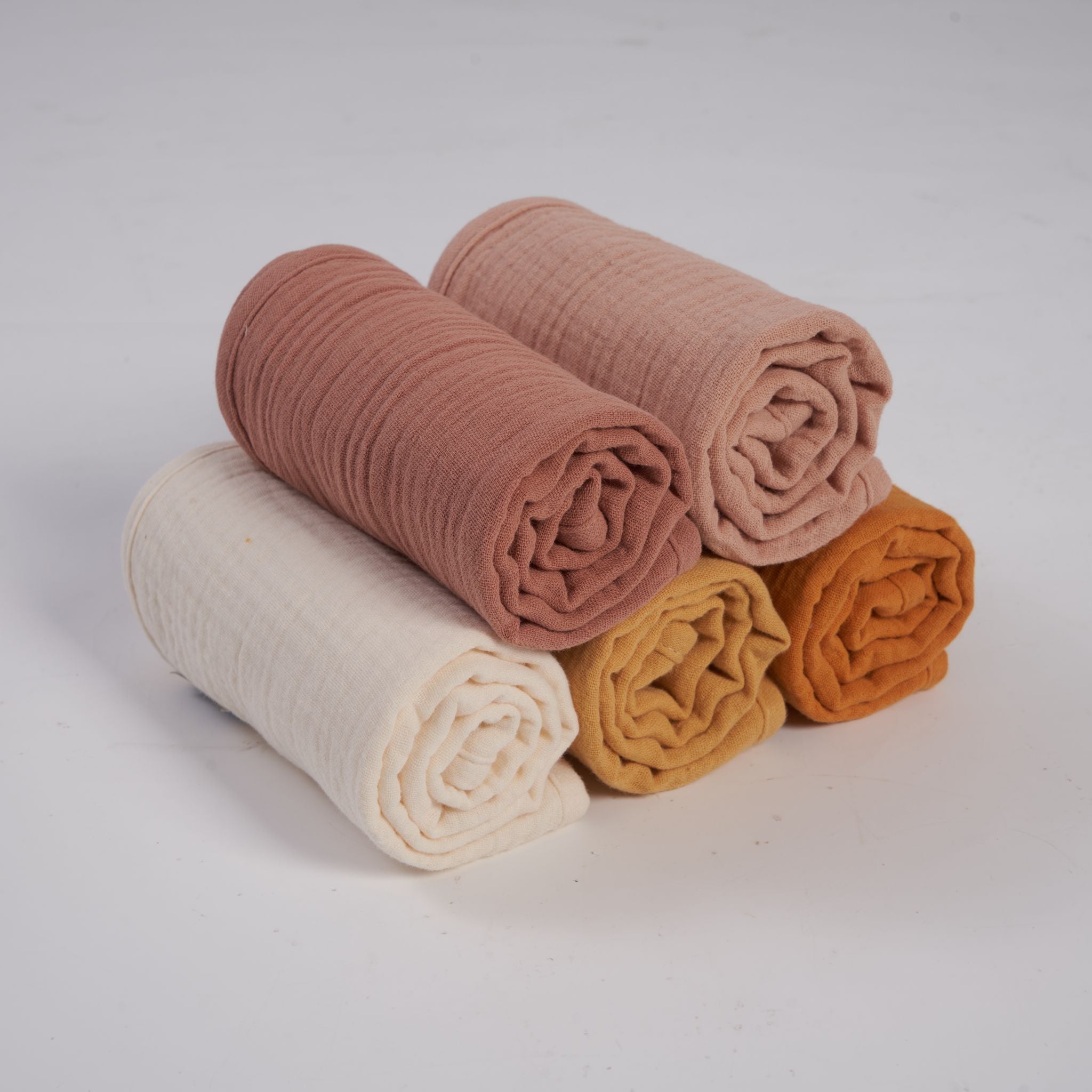
- An Organic Cotton Muslin Swaddle Wrap for an extra layer or impromptu nursing cover
Sleeping Bags vs. Swaddling: Understanding the Transition
Many parents begin with swaddling in the newborn stage and transition to a sleeping bag once their baby starts showing signs of rolling. This is an important safety milestone. Once a baby can roll from back to front, swaddling with arms restrained becomes a risk because they may not be able to reposition themselves safely.
The transition period can feel a little unsettled, so a cosy, well-fitted sleeping bag with the right tog for the season helps your baby adjust. The Stretchy Baby Swaddle Wrap and the Merino Wool Newborn Cocoon Baby Wrap are options well-suited to the earliest weeks, after which a sleeping bag takes over as the primary sleep layer.
If you're in the thick of that transition and looking for more guidance on portable change solutions to accompany each sleep stage, the baby changing mat buying guide for NZ parents covers practical options from newborn through toddler age.
Caring for Your Baby's Sleeping Bag
Most sleeping bags can be machine washed, but always check the care label. A few habits that extend the life of the bag:
- Wash on a gentle or delicate cycle in cool or warm water
- Turn the bag inside out before washing to protect any outer finish
- Avoid fabric softener, which can reduce breathability in natural fibres
- Air dry where possible to preserve the fill and outer fabric
- Store in a breathable bag or pillowcase, not a sealed plastic container
If the tog rating relies on a filled layer (like microfibre or down), check the manufacturer's guidance on whether it can be tumble dried to restore loft after washing.
Frequently Asked Questions
What tog rating is best for New Zealand winters?
For most NZ homes in winter, a 2.5 tog sleeping bag is the standard recommendation for rooms between 16°C and 20°C. If your home gets colder than 16°C overnight, a 3.5 tog may be appropriate. Always dress your baby in a light layer underneath and check for signs of overheating, such as a sweaty neck or flushed cheeks.
When should my baby stop using a sleeping bag?
There is no fixed age. Many children use sleeping bags happily until age two or three. The shift to a duvet or blanket typically happens when the child begins to climb out of the cot and transition to a toddler bed. If the sleeping bag has a maximum weight or height rating, that's a practical guide for sizing up or moving on.
Can I use a sleeping bag in a pram or car seat?
No. Sleeping bags are designed for use in a cot or bassinet, not in a car seat or pram harness. The harness cannot be properly secured over or through a sleeping bag, which compromises your child's safety. Always remove the sleeping bag before placing your baby in a car seat, and use a car seat-specific cover or blanket draped over the harness if extra warmth is needed.
Does Zoe Sage ship sleeping bags to New Zealand?
Zoe Sage is an Australian brand that ships a range of baby essentials to New Zealand customers. Orders are dispatched from our Australian warehouse with full tracking, and free shipping applies on NZ orders over $150 NZD. Check the current product range on the Zoe Sage website for what's available to ship to your address.