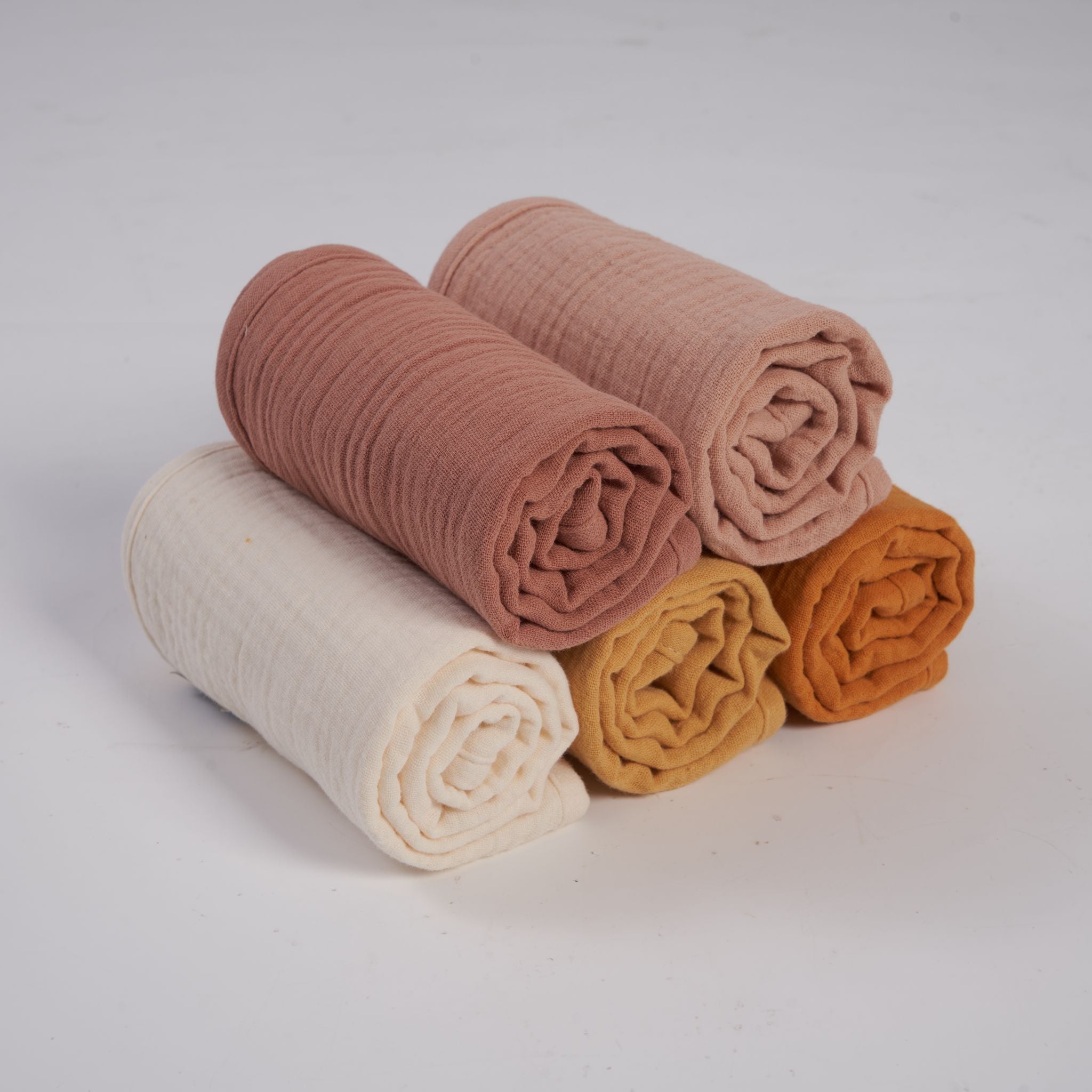
Choosing the right sleep environment for your baby is one of those decisions that feels simple until you're standing in the nursery at 2am wondering if they're too warm. At Zoe Sage, we've spent a lot of time thinking about what Australian babies actually need through our wildly varied seasons, and the sleeping bag question comes up constantly. So let's break it down properly.
Bamboo vs Cotton Baby Sleeping Bags: Understanding the Key Differences
Both bamboo and cotton are natural fibres, which is a great starting point. But they behave quite differently against your baby's skin and across the seasons, particularly here in Australia where temperatures can swing dramatically between morning and afternoon, or between a Melbourne winter and a Brisbane summer.
What Is Bamboo Fabric?
Bamboo sleeping bags are typically made from bamboo viscose (sometimes called bamboo rayon), a fabric derived from bamboo pulp. The result is a fabric that feels silky and incredibly soft, making it a popular choice for babies with sensitive skin. Bamboo fabric is also notably breathable and moisture-wicking, meaning it pulls sweat away from your baby's body rather than letting it sit against the skin. For Australian summers or warmer climates like Queensland and the Northern Territory, this is genuinely useful.
What Is Cotton Fabric?
Cotton is one of the most widely used natural fibres in baby products for good reason. It's soft, durable, easy to wash, and well-understood by most parents. Organic cotton in particular is grown without synthetic pesticides, which makes it a solid choice for babies who may have sensitivities. Cotton breathes well and is generally considered a safe, reliable option for sleep.
Temperature Regulation: How Each Fabric Performs in Australian Conditions
Australia's climate diversity is something many baby product guides from overseas simply don't account for. A family in coastal Sydney has very different needs from one in alpine Victoria or tropical Darwin.
Bamboo in Warm and Humid Climates
Bamboo fabric has a clear advantage in warmer and more humid conditions. Its moisture-wicking properties help regulate your baby's body temperature by moving perspiration away from the skin, which reduces the risk of overheating. This makes bamboo sleeping bags particularly well-suited to the warmer months across most of Australia, or year-round in tropical regions.
Overheating is a known risk factor for sudden unexpected death in infancy (SUDI). The team at Red Nose Australia recommends keeping your baby's sleep environment at a comfortable temperature and dressing them appropriately for the conditions, which is exactly why fabric choice matters.
Cotton in Cooler Climates
Organic cotton holds warmth a little more consistently than bamboo, which can make it a better option for cooler nights in Melbourne, Canberra, or Tasmania. However, cotton doesn't manage moisture quite as effectively, so on warmer nights or if your baby runs warm, you may find they wake uncomfortable.
The honest answer is that neither fabric is universally superior. The best choice depends heavily on where you live, the season, and your individual baby's comfort.
Safety Considerations for Baby Sleeping Bags
Safety comes before everything else when it comes to baby sleep. In Australia, baby sleeping bags must comply with Australian Standard AS/NZS 8047:2013, which covers design requirements to minimise risks associated with infant sleep. You can check product safety requirements through the Australian Competition and Consumer Commission's product safety resources.
Key safety features to look for in any sleeping bag, regardless of fabric:
- A fitted neck opening that isn't too loose, to prevent the baby from slipping inside
- No hood, as hoods can cause overheating
- Armholes that are appropriately sized
- A sturdy zip or closure that a baby cannot undo
- Appropriate TOG rating for the season and room temperature
Both bamboo and cotton sleeping bags can meet these requirements. What matters most is buying from a reputable brand that complies with Australian standards, not just the fabric itself.
TOG Ratings Explained: Choosing the Right One for Australian Seasons
TOG (Thermal Overall Grade) measures the warmth of a sleeping bag. Getting this right is just as important as choosing the fabric.
Which TOG Rating Do You Need?
As a general guide for Australian conditions:
- 0.5 TOG: Best for very warm nights, typically above 24°C. Common in Queensland and NT summers.
- 1.0 TOG: A versatile, year-round option in most Australian climates, particularly suited to rooms between 20°C and 24°C.
- 2.5 TOG: Better suited to cooler nights, typically rooms below 20°C. Useful in southern states during winter.
- 3.5 TOG: For cold climates or very cold nights, often paired with light pyjamas underneath.
A 1.0 TOG bamboo sleeping bag is genuinely one of the most practical options for Australian families because it covers a wide temperature range. The Bamboo Baby Sleeping Bag 0-18 Months 1.0 TOG - Grey Storm is a beautiful neutral option that works across all nursery colour schemes and suits year-round use in most Australian states. If you prefer something with a little more personality, the Bamboo Baby Sleeping Bag 0-18 Months 1.0 TOG - Cove Green and Bamboo Baby Sleeping Bag 0-18 Months 1.0 TOG - Horizon Blue are both lovely options with a modern, earthy palette.
These soft, breathable bamboo sleeping bags are designed with the 0 to 18 month range in mind, so you get excellent value as your baby grows.
Durability and Care: Which Fabric Lasts Longer?
Let's be honest: baby sleeping bags get washed a lot. We're talking multiple times a week in the early months. Durability is a real consideration.
Bamboo Durability
Bamboo fabric can be slightly more delicate than cotton if not cared for correctly. It's generally recommended to wash bamboo on a gentle cycle in cold water and avoid high-heat drying. With proper care, quality bamboo sleeping bags hold their softness and shape well over many washes. Lower quality bamboo fabric can pill or lose its silky feel over time.
Cotton Durability
Cotton is tough. It handles regular washing extremely well and tends to become softer with each wash rather than deteriorating. Organic cotton, in particular, maintains its integrity over time because it hasn't been processed with harsh chemicals that can weaken fibres.
If ease of laundry care is your priority, cotton has a slight edge. But premium bamboo fabrics from quality brands are genuinely built to last, especially when cared for properly.
Cost Comparison: Bamboo vs Cotton
Bamboo sleeping bags tend to sit at a higher price point than standard cotton options. This reflects the more involved manufacturing process and the premium feel of the fabric. However, when you factor in how long babies use sleeping bags and how often they're washed, spending a little more on quality often makes sense in the long run.
Cotton sleeping bags range widely in price depending on whether they're organic or standard cotton. Organic cotton commands a higher price but is a better choice for babies with sensitive skin or for families prioritising cleaner materials.
If budget is a consideration, look at buying one or two good quality 1.0 TOG bamboo bags for warmer months and supplementing with a cotton option for cooler nights rather than building a large collection all at once.
Beyond the Sleeping Bag: Building a Non-Toxic Sleep Routine
The sleeping bag is just one piece of the puzzle. Many Australian parents are now looking more carefully at everything that touches their baby's skin, from bath time to nappy changes. If you're already thinking about cleaner fabric choices, it's worth exploring our thoughtfully curated range of safer, cleaner baby products to round out your nursery essentials.
A few products worth pairing with your sleeping bag routine:
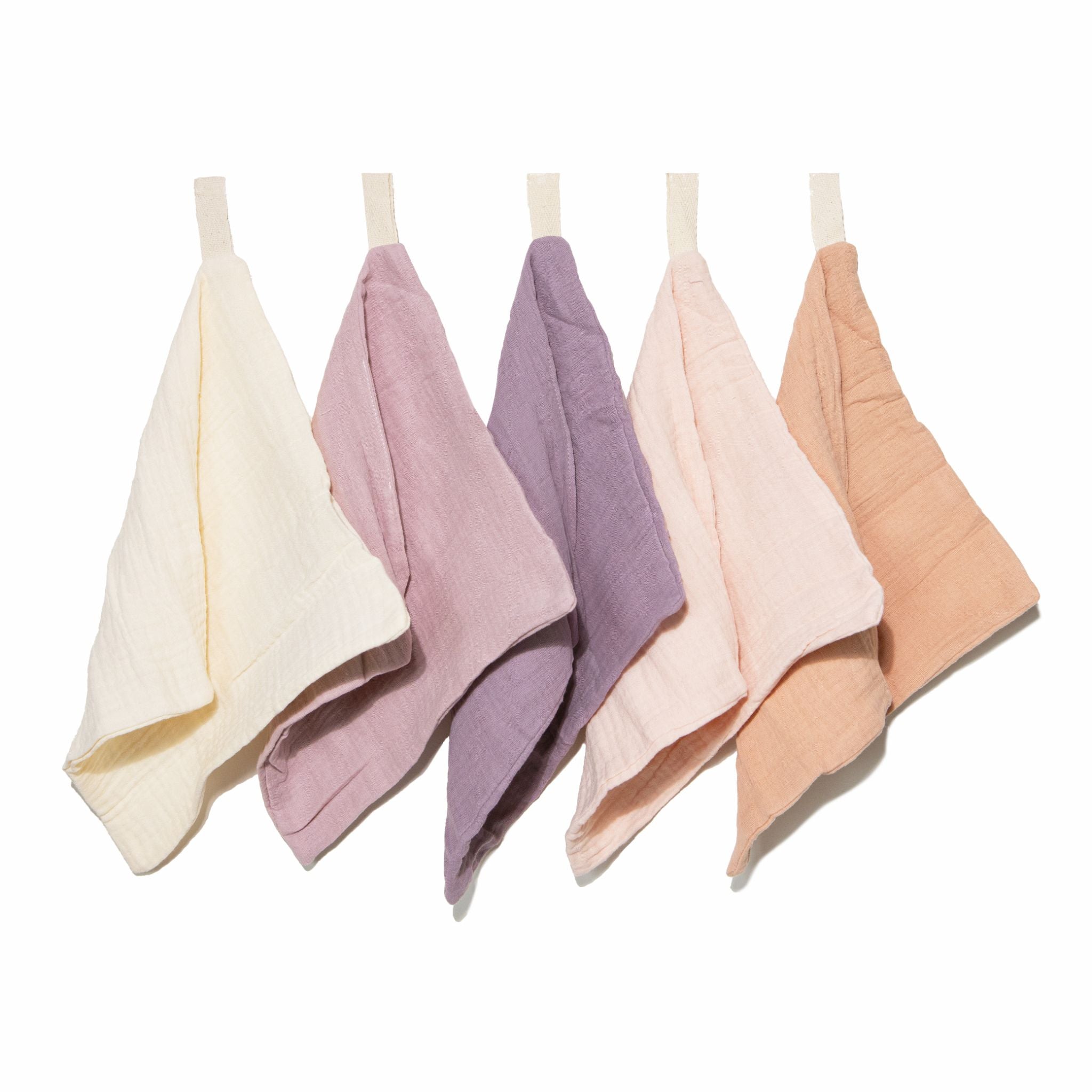
- The Baby Wash Cloths Bamboo 6 Pack - White are beautifully soft for bath time and gentle enough for newborn skin.
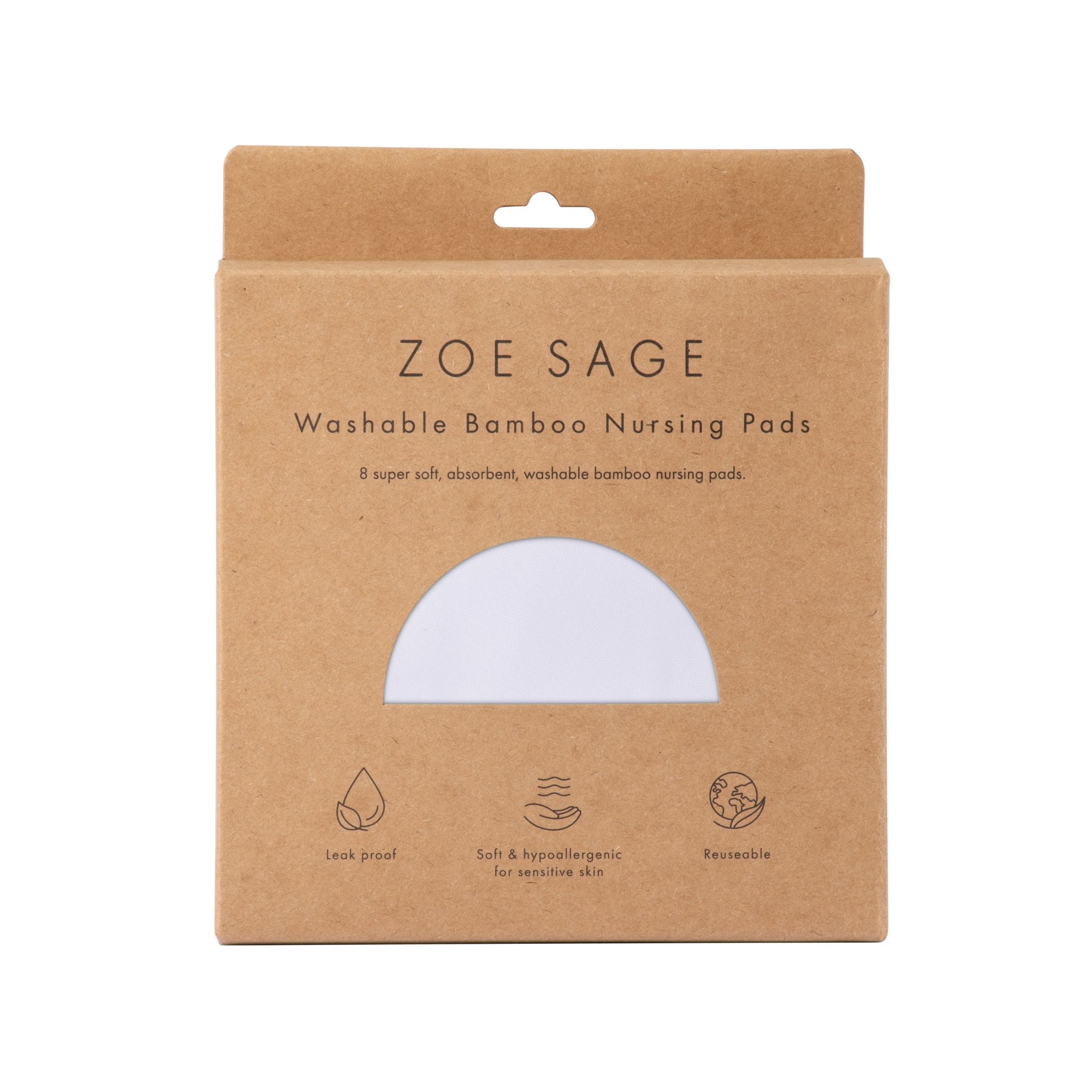
- The Washable Bamboo Nursing Pads (8pk) - Silk are a practical addition for breastfeeding mums looking to reduce waste and stay comfortable through night feeds.
For bath time, the Hooded Bamboo Baby Bath Towel & Mitt , Blanca The White Bunny is a sweet and practical option that wraps your baby in the same soft bamboo feel after every wash, while the Bear Hooded Baby Bath Towel & Mitt , Baloo is another firm favourite.
Frequently Asked Questions
Are bamboo sleeping bags safe for newborns?
Yes, bamboo sleeping bags are safe for newborns provided they meet Australian Standard AS/NZS 8047:2013, are the correct size, and have an appropriate TOG rating for the room temperature. Always check the manufacturer's weight and age recommendations before use. For more guidance on safe sleep practices, the team at Red Nose Australia has excellent, evidence-based resources.
Is bamboo or cotton better for summer in Australia?
For Australian summers, bamboo generally performs better due to its breathability and moisture-wicking properties. A 0.5 TOG or 1.0 TOG bamboo sleeping bag is a practical choice for warm nights, particularly in Queensland, New South Wales, and Western Australia during the hotter months.
How do I know what TOG rating to choose?
Match the TOG rating to your room temperature rather than the season, since home temperatures vary depending on your heating or cooling setup. A 1.0 TOG is the most versatile choice for rooms between 20°C and 24°C, covering the bulk of Australian climates for most of the year. If your home gets very cold in winter, a 2.5 TOG option gives extra warmth.
Can I use a sleeping bag instead of a blanket?
Yes, and in fact sleeping bags are the recommended alternative to loose blankets for babies. Loose bedding in a cot is a known safety risk. A well-fitted sleeping bag stays in place throughout the night and keeps your baby at a consistent temperature without the risk of covering their face. For more detail on safe sleep environments, Raising Children Network has clear, practical advice for Australian parents.