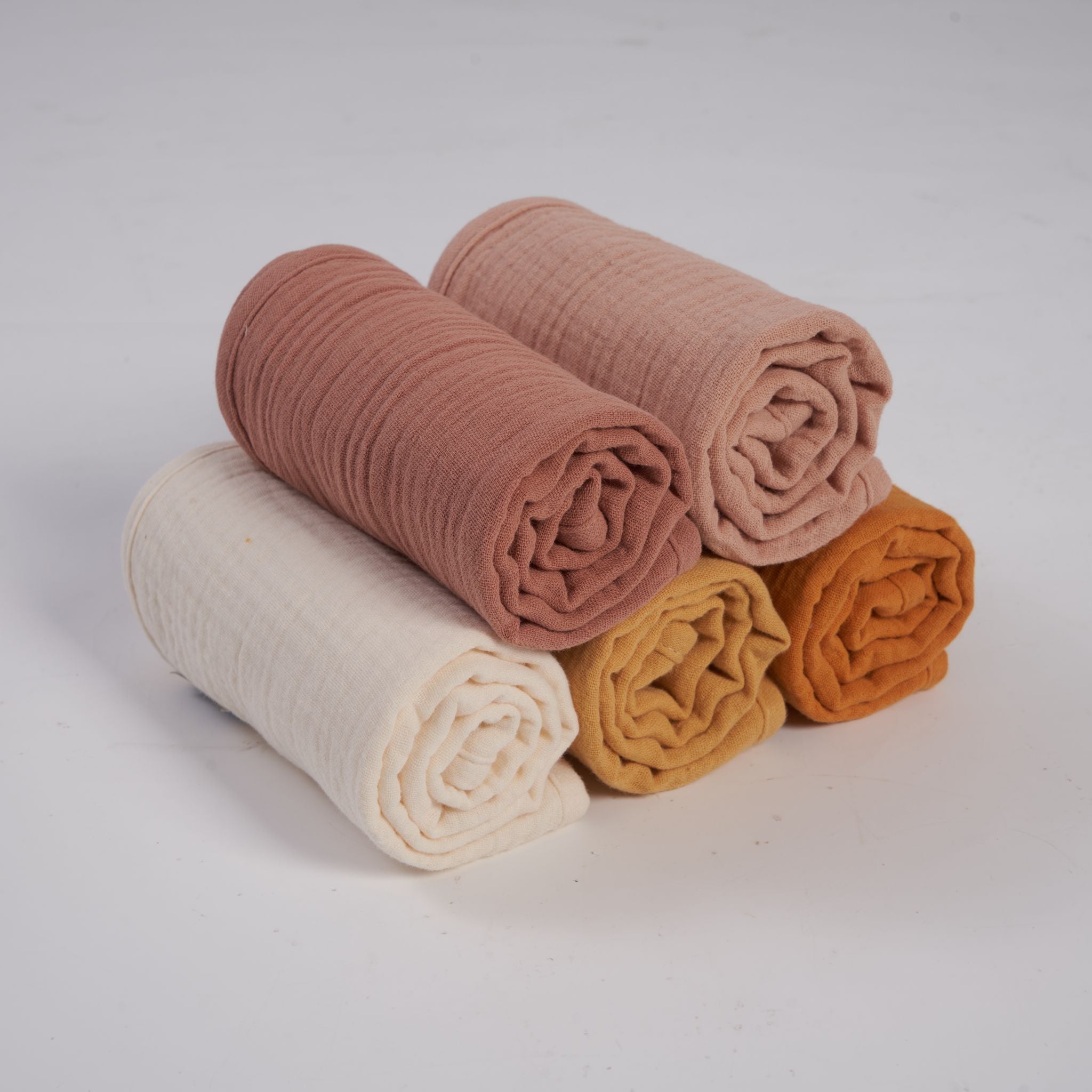

Shopping for baby blankets can feel surprisingly complicated. The options multiply fast: muslin wraps, chunky knits, plush fleece, waffle weaves, jersey. Knowing what actually makes a good baby blanket, and what to skip, saves you time, money, and a lot of second-guessing.
A baby blanket is not just a nursery decoration. It becomes part of daily life fast. Pram walks, tummy time, couch cuddles, settling routines. The right one earns its place. The wrong one sits in a drawer.
What Makes a Good Baby Blanket: The Key Qualities
Not all blankets are made equal. These are the qualities worth prioritising.
Fabric that works for Australian conditions
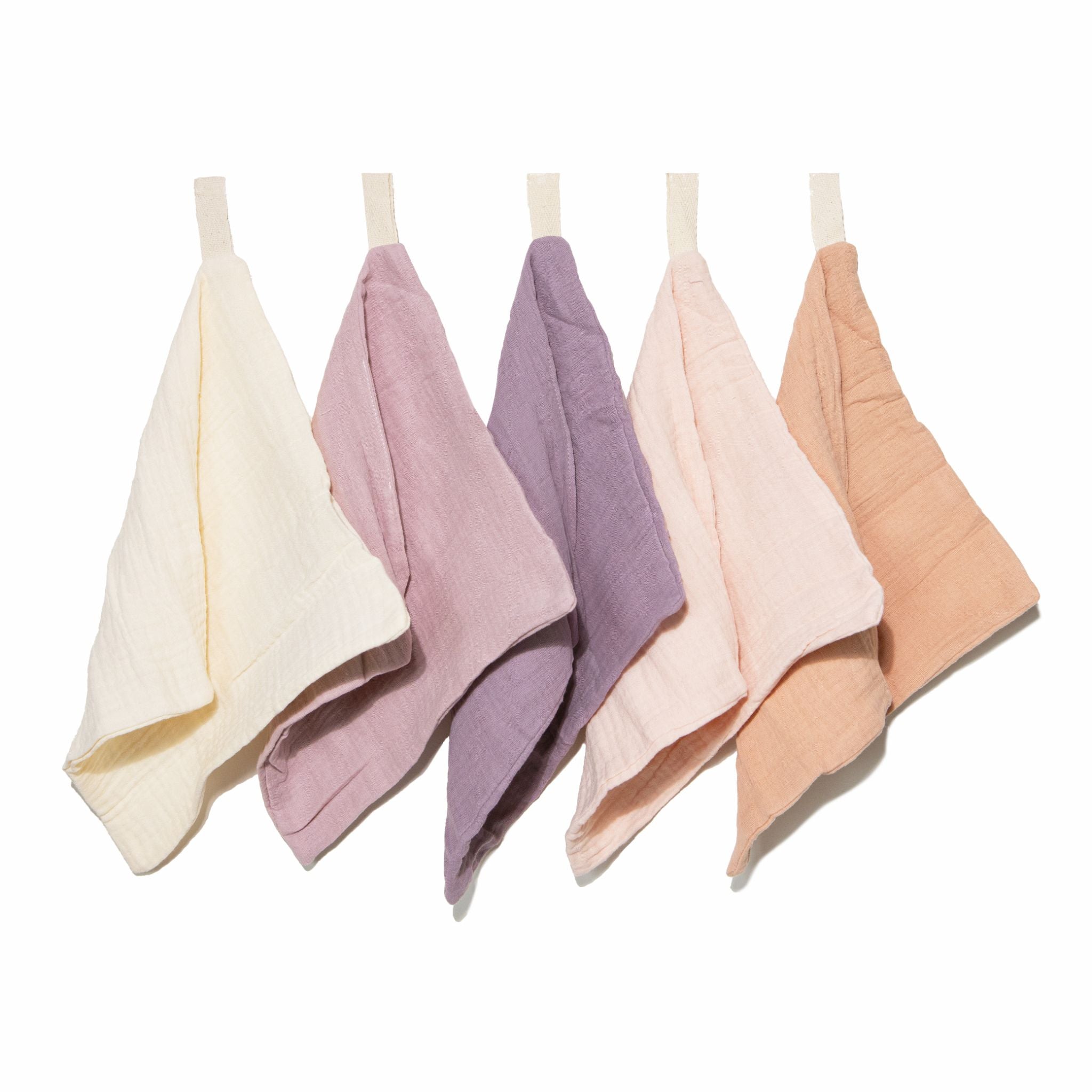
Australia's climate varies a lot. A fabric that works in a Hobart winter will be too heavy for a Brisbane summer. Look for breathable materials like cotton muslin, bamboo, or a bamboo-cotton blend. These fabrics are soft against newborn skin, wick moisture, and stay comfortable as temperatures shift. Heavier options like knit or waffle weave are better suited to cooler months or air-conditioned rooms.
Choosing the right fabric for the season matters more than most parents expect. For practical guidance on matching blanket weight to temperature, the seasonal blanket guide for Australian families on the Zoe Sage blog is worth reading before you buy.
Safe sizing
A blanket that is too large creates a safety risk. Loose bedding in a cot or bassinet is a known hazard. Red Nose Australia advises keeping the sleep space clear of loose bedding, pillows, and soft objects to reduce the risk of sleep-related infant death. A good swaddle or fitted sleep sack is safer than a traditional blanket for overnight sleep. Reserve blankets for supervised use: tummy time, pram trips, and supervised cuddles.
Durability through washing
Baby blankets get washed constantly. Spit-up, nappy leaks, and general mess are daily realities. A quality blanket holds its shape, colour, and softness after repeated machine washes. Check the care label before buying. If it says dry-clean only, put it back on the shelf.
Versatility
The best baby blankets do more than one job. A muslin wrap swaddles a newborn, doubles as a pram cover, and works as a light play mat. A stretchy knit folds small enough for the nappy bag. Multi-use items earn their keep. Single-purpose items rarely do.
What to Avoid When Buying Baby Blankets
- Loose weave knits with large holes. Small fingers and toes can get caught, which is a safety risk.
- Synthetic fleece or polyester for everyday use. These trap heat and do not breathe well, which matters in warmer months.
- Oversized blankets marketed for cot use. Loose bedding in the sleep space is not recommended for infants under 12 months.
- Heavily dyed or printed fabrics with no information about dye safety. Look for OEKO-TEX certified or skin-safe dye details.
- Anything with embellishments like buttons, bows, or ribbons. These are choking hazards and catch during washing.
If you are buying from New Zealand or considering gifts to send across the Tasman, the baby blanket buying guide for NZ parents covers what to look for in quality sets, including fabric standards and sizing.
Matching the Blanket to How You Will Actually Use It
Think about where the blanket will spend most of its time. A pram blanket needs to be compact and easy to tuck. A tummy time blanket benefits from being a bit more substantial and padded. A swaddle needs stretch and breathability. Buying one blanket and expecting it to do everything is where most parents end up disappointed.
Pairing a blanket with a coordinating accessory, like a topknot hat, also makes practical sense. It keeps your outfit organised for outings and removes the last-minute scramble for matching pieces. Our baby blanket and topknot sets are designed with exactly that in mind, coordinated, ready to go, and made from breathable fabrics suited to the Australian climate.
A Quick Checklist Before You Buy
- Is the fabric breathable and appropriate for the current season?
- Is it machine washable and colourfast?
- Is the size appropriate for how you plan to use it?
- Is it free from loose embellishments or large-hole knit construction?
- Does it have a secondary use beyond the obvious one?
A baby blanket that ticks these boxes will be one you actually reach for every day. If you are looking for sets that meet these standards, browse the full range here and filter by fabric type or season to find what suits your little one best.