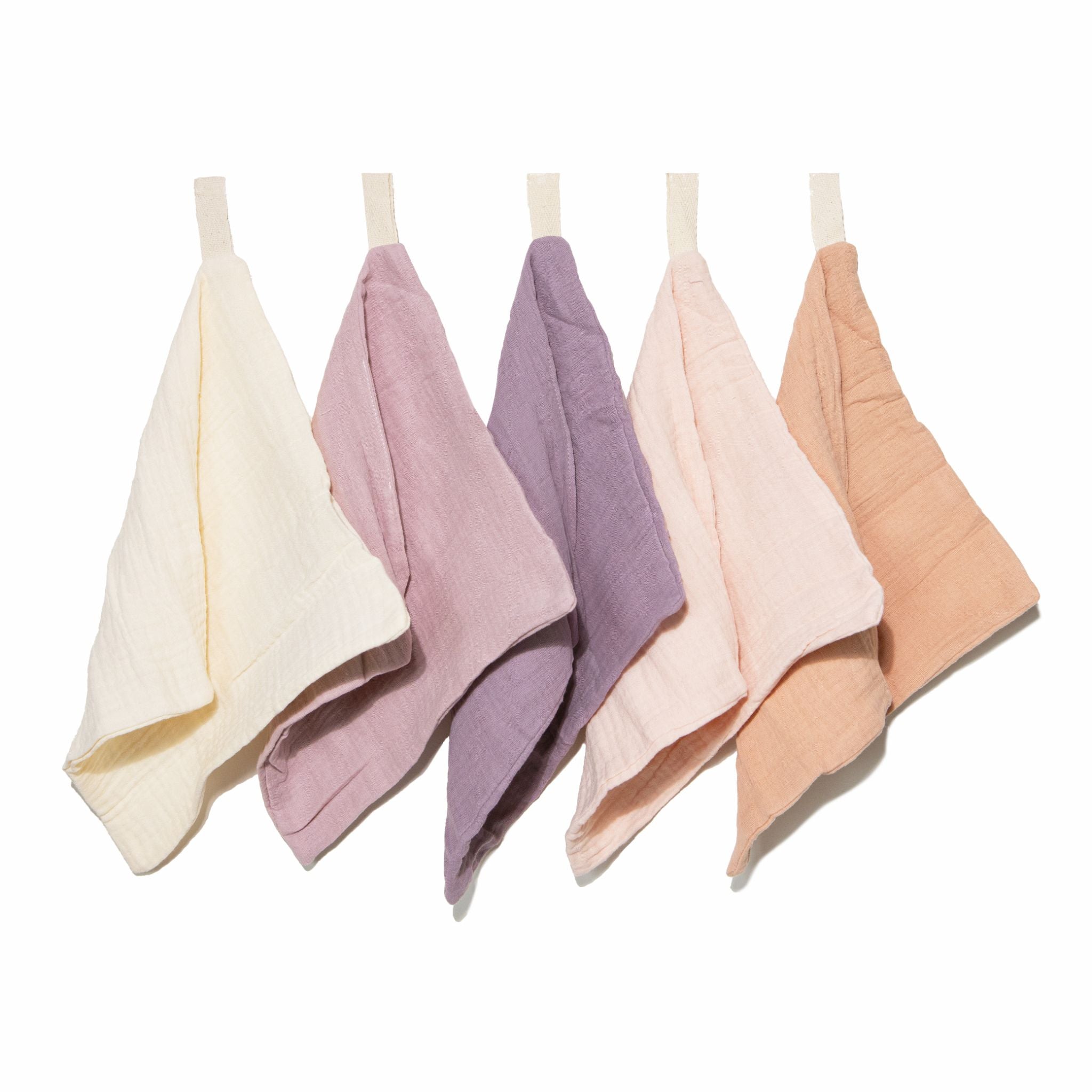

Breast pads are one of those things you don't think about until you really need them. If you're searching for the best nursing pads in Australia, this guide covers exactly what to look for, which materials perform best, how many pairs to buy, and how to care for them so they last your entire breastfeeding journey.
Disposables do the job, but the cost adds up fast and so does the landfill. Reusable pads are softer on healing skin, gentler on the budget, and one less thing to run out of at 3am.
Why Australian Mums Are Switching to Reusable Breast Pads
There are three practical reasons mums make the switch. Cost is the big one. Disposable breast pads can run to hundreds of dollars over a full breastfeeding journey. A good set of reusables pays for itself within weeks.
Comfort is the second reason. Disposables can feel plasticky and stiff against sensitive, postpartum skin. Reusable pads made from bamboo or organic cotton sit softly against the breast and move with you through the day and night.
Convenience is the third. Once you have a rotation of reusable pads, you wash them with your regular laundry and you're done. No last-minute supermarket runs, no running out mid-week.
Are Reusable Breast Pads Better Than Disposable?
For most mums, yes. The key differences come down to feel, absorbency, and cost over time.
Disposable pads suit travel or the early weeks when leaking is very heavy and unpredictable. They're also useful as a backup if your reusables are in the wash.
Reusable pads are the better long-term choice. High-quality versions made from bamboo fabric are soft, breathable, and moisture-wicking. They draw milk away from the skin rather than trapping it, which matters for comfort between feeds. The Australian Breastfeeding Association recommends keeping your nipple area as dry as possible between feeds to support skin health, and a well-made reusable pad helps with exactly that.
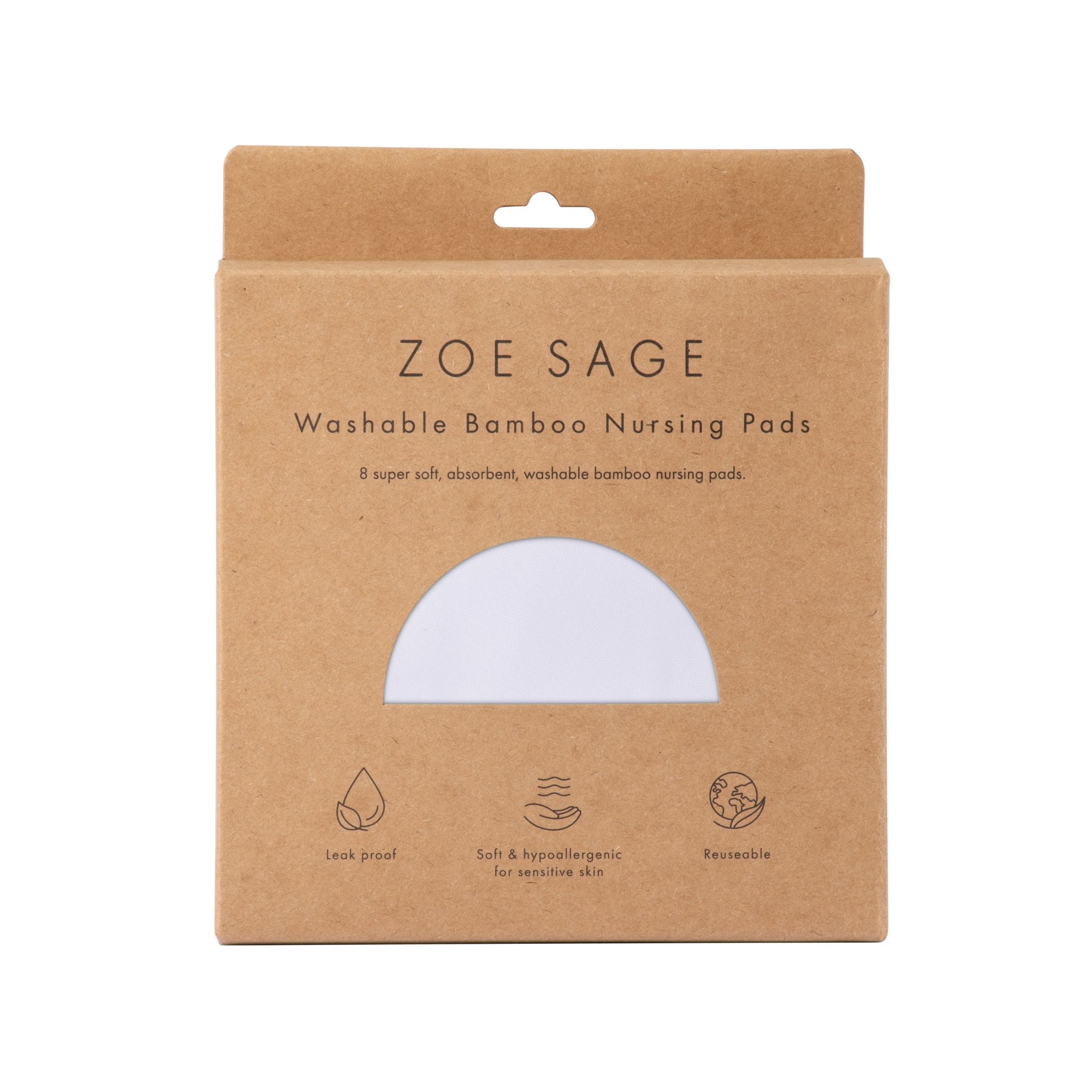
Browse our full range of reusable bamboo nursing pads if you want to see what good construction actually looks like before you buy.
What to Look for in the Best Nursing Pads
Not all reusable pads are made the same. Here is what separates a pad you'll actually wear from one that ends up at the back of a drawer.
Material
Bamboo is the most popular choice because it is silky against sensitive skin, breathable through long days, and moisture-wicking without feeling bulky. Organic cotton is also a solid option for mums who prefer a natural fibre with a slightly firmer feel. Avoid anything with a rough surface or a thick polyester fill that traps heat.
Shape and Fit
Contoured or shaped pads sit more smoothly under a bra than flat circular ones. Look for a pad that is wide enough to cover the full areola with room to spare, and thin enough to be invisible under a nursing bra or singlet.
Absorbency Layers
A good reusable pad has at least three layers. A soft face layer, a middle absorbency layer, and a leak-resistant backing. The backing should not be a hard waterproof shell, as those can cause condensation. A tightly woven water-resistant backing does the job without trapping moisture against the skin.
Washing and Care
Choose pads that can go in a standard washing machine. Pads that need hand washing or special detergent are unlikely to hold up to the frequency of washing needed during peak supply weeks. Most quality reusable pads can be washed at 30 to 40 degrees and tumble dried on low.
Rinse pads in cold water as soon as you remove them if you can. Hot water can set milk protein into the fabric and affect absorbency over time.
How Many Reusable Breast Pads Do You Actually Need?
The honest answer is more than you think. In the early weeks, leaking is frequent and unpredictable. Most mums find that eight to twelve pairs gives a comfortable rotation between washes.
If you plan to wash every two to three days, ten pairs is a practical starting point. If you want to stretch washes out or have a particularly heavy let-down, add a few more pairs to your rotation.
You can read more about choosing and caring for your pads in our guide to buying reusable breast pads online in Australia, which covers what to check before you order.
100% Cotton Breast Pads vs. Bamboo: Which Is Right for You?
Both are good. The choice mostly comes down to personal feel preference.
Organic cotton pads have a slightly more structured feel and are very durable over repeated washing. They suit mums who prefer a traditional fabric against their skin.
Bamboo pads feel silkier and are often slightly thinner, making them a better choice under fitted tops or seamless nursing bras. Bamboo is also a breathable choice for Australian summers, where heat and humidity can make comfort harder to manage.
If you are unsure, starting with a small pack of bamboo pads and seeing how they feel is the most practical approach. Shop our reusable nursing pad options here to compare styles and pack sizes.
A Quick Note on Breastfeeding Support
Getting the right gear is just one part of a comfortable breastfeeding experience. If you have questions about supply, attachment, or managing leaking, the Australian Breastfeeding Association has a helpline and a huge library of practical resources written specifically for Australian mums.