
Finding the best nursing cover for your lifestyle takes a little thought. You might be feeding at a café, a park, a beach, or anywhere in between. The right cover helps you feel relaxed and confident wherever you are. This guide walks you through the different styles, what features actually matter, and how to pick one that works for Australian conditions.
Here to shop rather than research? Browse our nursing covers collection. The guide below covers what to look for, wherever you buy.
Why Nursing Covers Are Worth Having
Breastfeeding in public is completely legal across Australia. You have every right to feed your baby wherever you are. That said, some mums simply feel more comfortable with a little coverage, especially in the early weeks when feeding is still unpredictable. A good nursing cover gives you options without limiting where you go or what you do. You can compare the styles side by side in our nursing covers range.
If you want a full breakdown of your legal rights, this article on breastfeeding in public in Australia covers everything you need to know.
The Main Styles of Nursing Cover Explained
Not all nursing covers work the same way. Here are the most common styles and who they suit best.
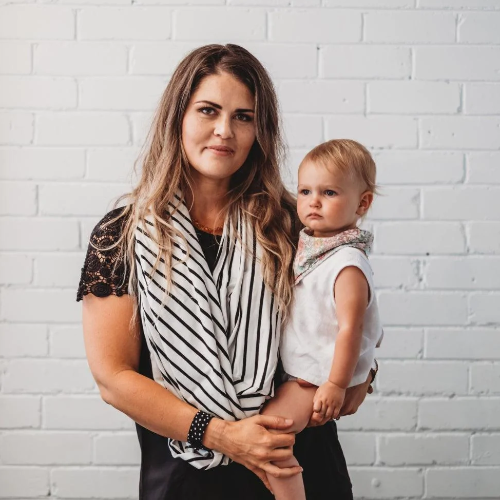
- Apron style. Hangs around your neck and covers your front. Easy to use one-handed. Some have a rigid or boned neckline so you can peek at your baby without lifting the fabric. Good for beginners and a popular choice for those who want simplicity.
- Infinity scarf. Doubles as a regular scarf when you are not feeding. Versatile and stylish. Requires a bit more practice to drape correctly, but once you have the technique down it is genuinely seamless.
- Poncho style. Pulls over your head and covers both front and back. Great for full coverage and easy to throw on quickly. Works well in breezy outdoor settings where an apron cover might lift.
- Multi-use covers. Can be used as a nursing cover, car seat canopy, shopping trolley liner, or pram cover. Popular with mums who want one product that does several jobs. The Cowrie Cover is a well-known example in this category, and it comes up often in searches for versatile feeding covers.
What Features Matter Most for Australian Weather
Australia's climate changes everything. A thick, heavy fabric that works well in a European winter will have you and your baby overheating at a Sydney summer market. These are the features worth prioritising.
- Fabric. Look for 100% cotton, muslin, or a bamboo blend. All three breathe well and stay soft against baby's skin. Avoid polyester blends in warm weather as they trap heat quickly.
- Weight. Lightweight and drapey is better than stiff and structured in summer. Linen is another strong option for hot days as it wicks moisture and softens with washing.
- Neckline design. A rigid or boned neckline lets air circulate around your baby and allows you to check on them without lifting the cover. This is one of the most underrated features in a nursing cover.
- Size. Bigger is more forgiving. A generous cut means less adjusting mid-feed and more coverage if your baby is wriggly.
- Packability. If it scrunches into your nappy bag without wrinkling, you will actually take it with you. Stiff or heavily structured covers tend to get left at home.
For a deeper look at what to consider before buying, this guide on how to choose a breastfeeding cover is a practical place to start.
The Best Nursing Cover for Summer in Australia
Summer feeding is a whole different challenge. You want coverage without trapping heat. High humidity in Queensland, the Northern Territory, and coastal WA makes fabric choice even more critical. A few things help.
- Choose a single layer of lightweight cotton or muslin rather than double-layered fabric. Two layers might feel more secure but they hold heat against your baby's head.
- Opt for a design with an open or boned neckline so air can move through freely.
- Light colours reflect heat better than dark ones. White, sand, and pale blue are practical summer choices, not just aesthetic ones.
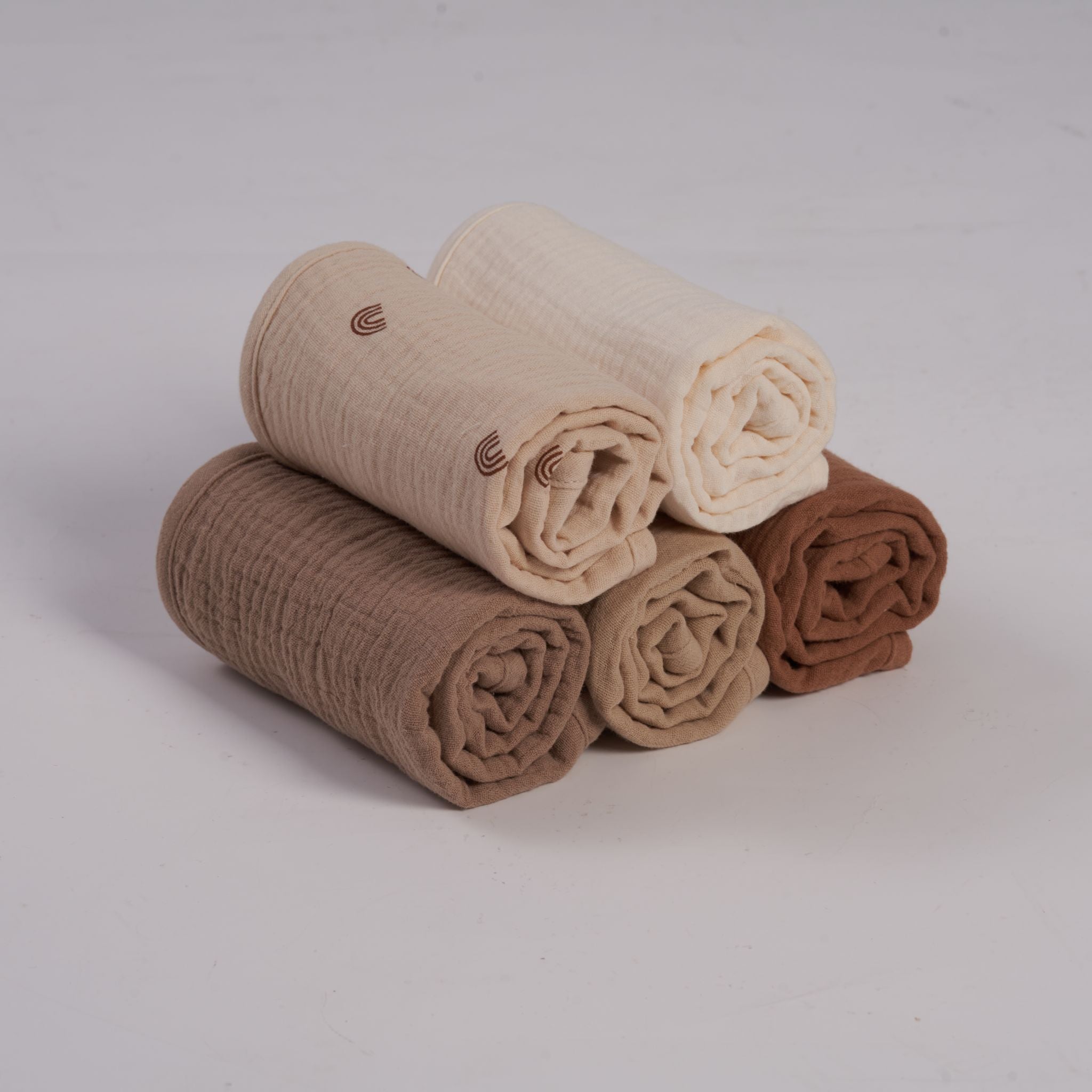
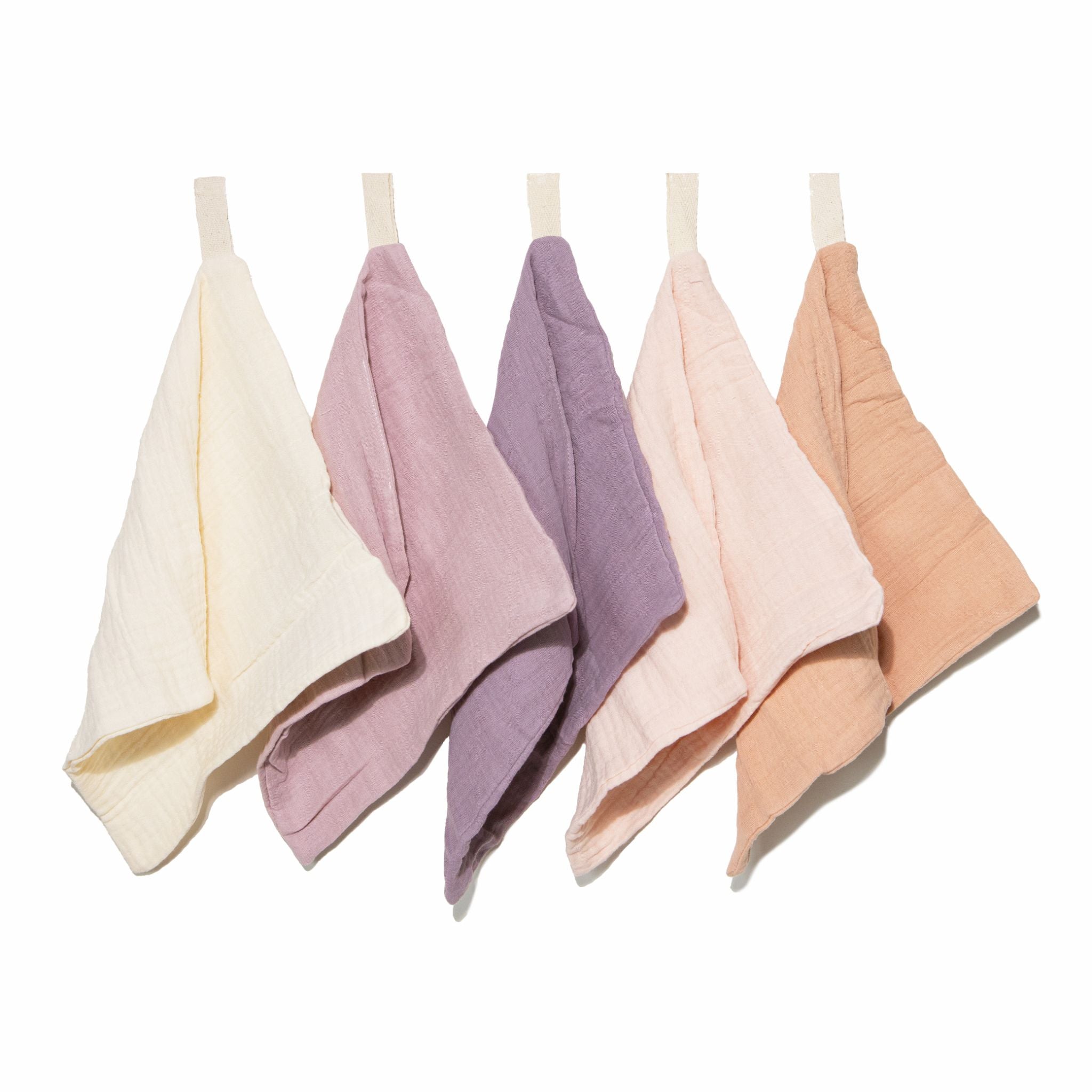
- Muslin covers are a popular pick because the fabric is breathable and gets softer with every wash. It is the same fabric used in swaddles for good reason.
- If you are at the beach, look for a cover that dries quickly and handles sunscreen transfer without staining badly. Cotton and muslin both rinse out easily.
Apron Style Nursing Covers: Are They Worth It?
Apron style covers are consistently one of the most searched nursing cover styles, and for good reason. They are the easiest to put on with one hand while holding a baby. The loop goes around your neck, the fabric drapes over your front, and you are covered in seconds.
The key difference between a basic apron cover and a better quality one is the neckline. A soft fabric neckline will collapse against your chest. A rigid or boned neckline holds open slightly, creating a pocket of air and letting you look down to check on your baby. For new mums still learning to latch, being able to see what is happening without fully lifting the cover is genuinely useful.
The main limitation of apron style is that it only covers the front. In a windy spot, the sides can lift. If full coverage matters to you, a poncho style or multi-use cover may suit you better.
Multi-Use Covers: One Product, Several Jobs
Multi-use covers have become a staple for practical mums. The concept is simple. One cover that works as a nursing cover, a car seat canopy to block sun and wind, a pram shade, and sometimes a shopping trolley liner. For mums who want to keep their nappy bag light, having one item do four jobs is appealing.
Brands like Amormama and Cowrie Cover have built a following in this space, with reviews consistently praising the versatility and fabric quality. When reading Amormama reviews or Cowrie Cover feedback, the themes that come up most are ease of use, fabric softness, and how well the cover holds up after repeated washing.
If you are considering a multi-use cover, check that the fabric is breathable enough for nursing use. Some covers are designed primarily as car seat canopies and the fabric is too heavy for comfortable summer feeding.
How to Keep Your Nursing Cover Clean
Nursing covers pick up milk spills, sunscreen, and everything else that comes with having a baby. Most cotton and bamboo covers can go straight in the washing machine. Check the care label before the first wash to avoid shrinkage or colour fade. Cold water on a gentle cycle is usually the safest option for most fabrics.
For a full rundown on washing and caring for your cover, read our guide on how to wash your breastfeeding cover.
What to Look for When Buying a Nursing Cover Online
Buying a nursing cover without trying it first means paying close attention to a few key details.
- Check the fabric composition, not just the product name. "Cotton feel" is not the same as 100% cotton.
- Look at real photos from customers, not just the styled brand shots. Customer photos show you how the cover actually drapes and how opaque the fabric really is.
- Read reviews from mums in warm climates if you are in Queensland, WA, or the NT. A cover that works well in Melbourne in winter may be too heavy for Darwin in October.
- Check the return policy in case the size or fabric does not suit you. A generous return window matters when you cannot feel the fabric before buying.
- Look at the neckline construction. A flat neckline with no structure will collapse. A boned or rigid neckline gives you that useful gap to see your baby and let air in.
Ready to find your match? Browse our nursing covers and multi-use mama covers to see the full range, with options to suit every style, season, and budget.
If you want one product that covers several jobs, see our 5 in 1 multi use mama covers.
More on nursing and feeding covers
- Do you really need a breastfeeding cover?
- How to wash your breastfeeding cover
- How to choose a breastfeeding cover
- 5 ways to use your mama cover
- Your rights: breastfeeding in public in Australia
Nursing cover FAQs
How do you choose a nursing cover?
Start with where you will use it. For hot Australian days look for a light, breathable fabric and good airflow. If you want one item that does several jobs, a multi use cover works as a nursing cover, pram shade and trolley cover. Then check the coverage suits how much you want to be covered, and that it packs down small enough to live in your bag.
How do you use a nursing cover?
Put the cover on before you start the feed so you are not adjusting it one handed with a hungry baby. Sit comfortably, latch your baby underneath, then check you can still see their face. Being able to see your baby matters for a good latch and for airflow, so choose a style that lets you look down easily.
What is the best nursing cover for summer in Australia?
A lightweight, breathable cover in a natural fibre. In real Australian heat, airflow matters more than coverage, and both you and your baby will be more comfortable in something light rather than a heavy fabric that traps warmth.
Do you really need a nursing cover?
Not everyone does, and there is no requirement to cover up. Plenty of mums feed without one. A cover is simply there if it helps you feel more relaxed in public, and many find the multi use ones earn their place in the bag for the other jobs they do.
How do you wash a nursing cover?
Wash it gently in cool water and let it air dry. Skip fabric softener, which can leave a residue on the fabric and reduce breathability. Keeping it clean matters because it sits close to your baby, so a cover that washes easily is a cover you will actually keep using.