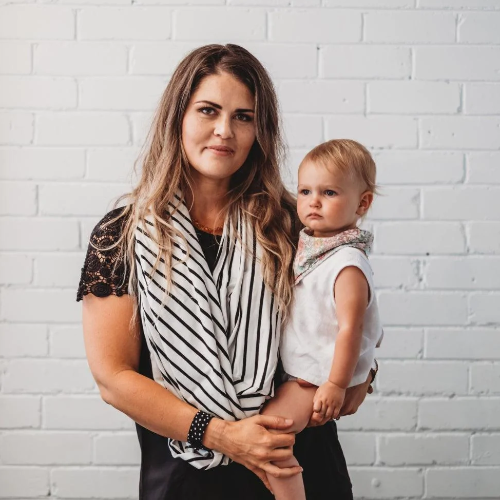

You're sitting in a cafe. Your baby starts fussing. You know they need to feed. And instead of just feeding them, your brain runs through a dozen questions. Will someone say something? Should I go to the car? Is there a parents' room nearby? Am I even allowed to feed here? You are. Completely, unambiguously, and without exception. Breastfeeding in public laws in Australia protect every mum's right to feed her baby anywhere, at any time, with no caveats. Every mum deserves to know exactly what that means before she ever needs it.
What the Law Actually Says About Breastfeeding in Public
In Australia, breastfeeding in public is protected under both federal and state anti-discrimination legislation. The Sex Discrimination Act 1984 (Cth) makes it unlawful to discriminate against a person on the grounds of breastfeeding. This applies nationally, across every state and territory.
State and territory laws add further protection. In most states, breastfeeding is explicitly listed as a protected attribute under anti-discrimination legislation. This means a business, venue, or individual cannot legally ask you to stop breastfeeding, move to a different area, cover up, or leave.
The Australian Breastfeeding Association outlines your legal rights in detail and is a reliable reference if you ever need to explain your entitlements to someone else.
Where You Are Legally Allowed to Breastfeed
The short answer: everywhere. There is no list of approved locations. The law does not require a parents' room. It does not require a nursing cover. It does not require you to ask permission.
You can breastfeed in:
- Cafes, restaurants, and food courts
- Shopping centres and retail stores
- Parks, beaches, and public spaces
- Gyms, pools, and leisure centres
- Public transport
- Workplaces and government buildings
- Schools and childcare centres
- Hospitals and medical clinics
No one can lawfully remove you, relocate you, or make you feel unwelcome for feeding your baby in any of these places.
What to Do If Someone Challenges You
Most mums will never face a direct challenge. But knowing what to say helps you stay calm if it does happen.
You can simply say: "Breastfeeding in public is protected under Australian federal law. I am not required to move or cover up."
If a business asks you to leave or causes you distress, you have the right to make a complaint. Complaints can be lodged with the Australian Human Rights Commission or your relevant state anti-discrimination body. The Australian Breastfeeding Association also has support and guidance available for exactly these situations.
It is worth knowing that businesses found to have discriminated against a breastfeeding mother can face formal findings and reputational consequences. The law has teeth.
Nursing Covers: Your Choice, Not a Requirement
A nursing cover is never something you are obligated to use. Some mums find them genuinely useful. They can help a distracted baby stay focused on feeding, block wind on cooler days, or simply give a mum more confidence in busy environments. Others prefer to feed without one entirely. Both are completely valid.
If you are thinking about using one, it is worth understanding what makes a good cover before you buy. Breathability matters, especially in the warmer Australian climate. Easy one-handed use matters when you are already managing a wriggly baby. Our nursing and breastfeeding covers range includes options designed with all of that in mind.
If you want practical guidance before choosing, our article on what to look for when selecting a breastfeeding cover walks through the key considerations clearly. And for anyone already using a cover, our guide on how to care for and wash your nursing cover covers everything you need to keep it in good shape.
For a broader overview of covers available in Australia, including different styles and fabrics, our complete guide to nursing covers in Australia is a good place to start.
The Bigger Picture
Australia has some of the strongest legal protections for breastfeeding mothers in the world. You should not need to plan an exit strategy before feeding your baby in public. You should not feel like you are asking for a favour.
Knowing your rights means you can walk into any cafe, park, or shopping centre and feed your baby with confidence. That is exactly where every mum should be.