

Building a practical baby wardrobe from scratch sounds straightforward until you're staring at a wall of tiny clothes and wondering how many onesies is too many. The answer: fewer than you think. A smaller, smarter wardrobe means less laundry chaos, faster dressing, and no wasted money on sizes your baby outgrows in three weeks.
This guide covers exactly what your baby needs to stay warm and comfortable through winter, without the drawer overflow.
Why a Minimal Baby Wardrobe Works Better
Babies grow at a pace that makes bulk buying risky. A size 000 fits most newborns for roughly four to six weeks. Size 00 lasts a little longer, but you still won't get much wear out of anything before the next size is needed. Buying less, but buying well, is the smarter move every time.
A minimal approach also makes dressing easier day to day. Fewer choices means faster decisions at 6am. It means you always know what's clean, what fits, and what's actually getting worn. If you've ever found a pristine outfit with the tags still on after your baby aged out of it, you already know the feeling.
If getting dressed is already a battle, it helps to keep the process as simple as possible. Fewer pieces, easy fastenings, and soft fabrics all make a difference. For more on managing a baby who resists getting changed, read our practical guide to dressing a baby who hates it.
Baby Winter Essentials: What You Actually Need
Winter dressing for babies is about layering, not bulk. The goal is warmth that you can add or remove easily as temperatures shift throughout the day.
Here's what a solid winter wardrobe for a baby under 12 months looks like:
- 5 to 7 long-sleeve bodysuits or onesies. These are your base layer. They go under everything.
- 3 to 5 footed sleepers or zip rompers. Warmer than a bodysuit alone and easier than socks that fall off.
- 2 to 3 warm knit or fleece jumpsuits for going out.
- 2 to 3 pairs of pants that sit over a bodysuit for easy nappy changes.
- 1 to 2 warm cardigans or zip jackets for layering.
- 2 to 3 soft beanies. Babies lose a lot of heat through their heads.
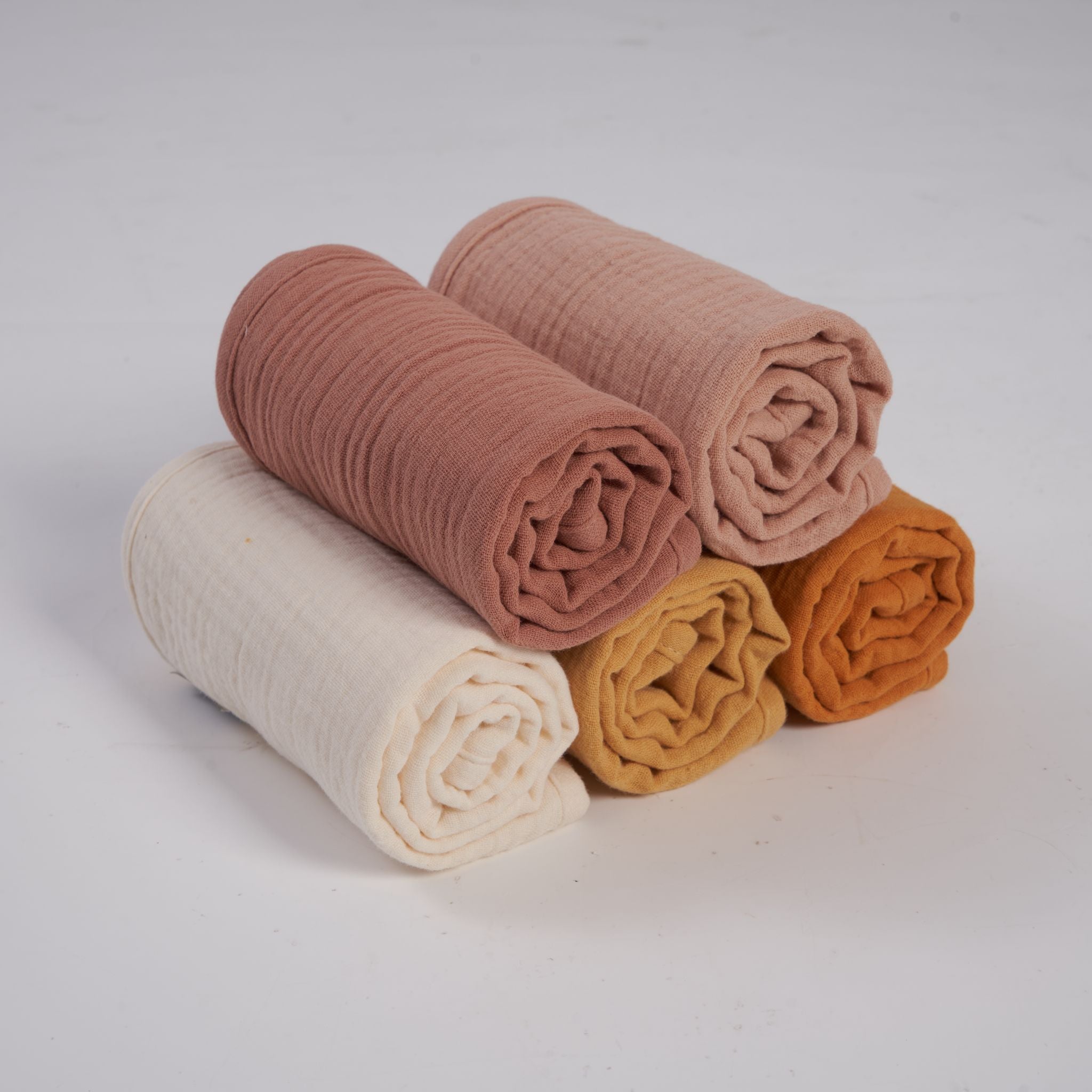
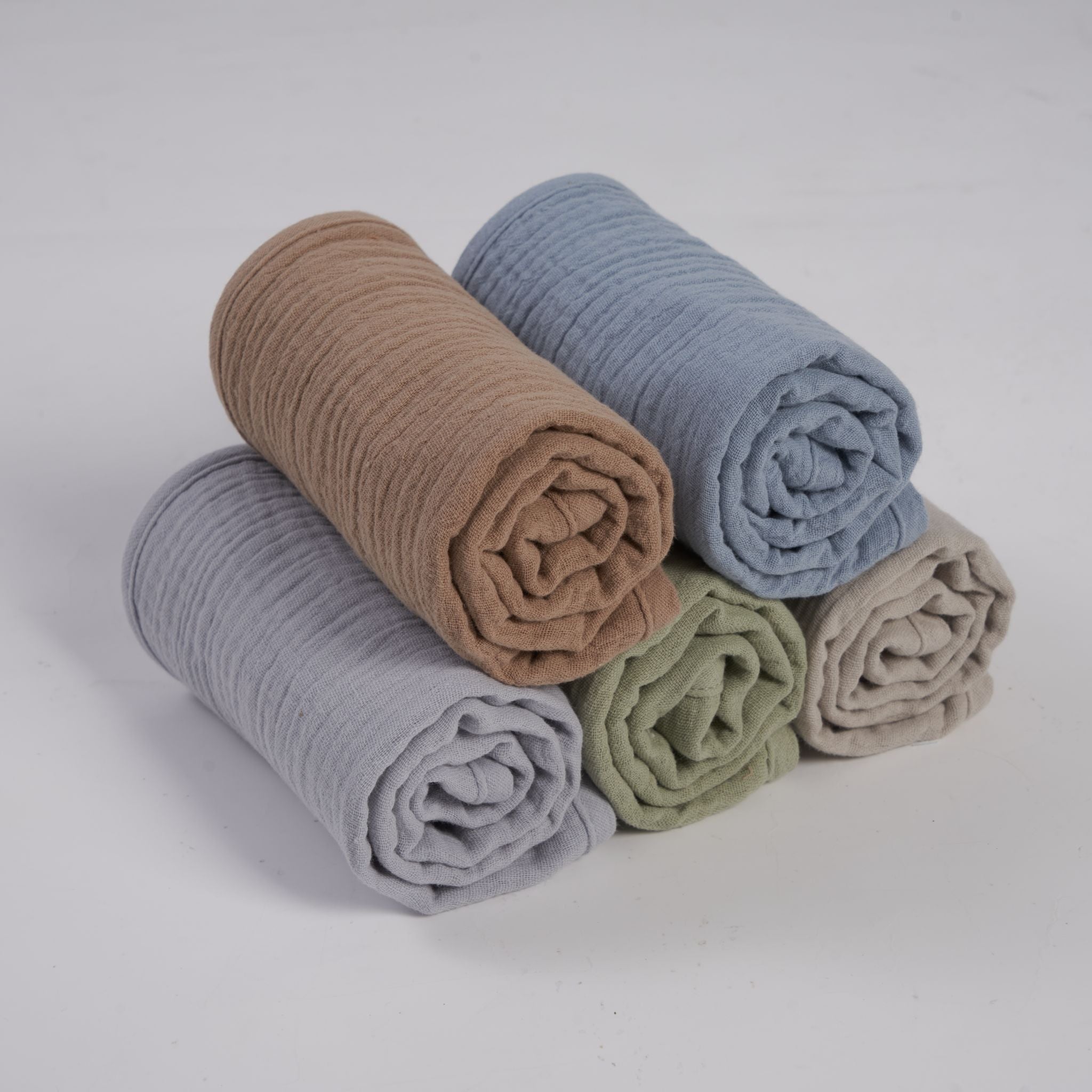
- 3 to 5 muslin or stretchy swaddle wraps for newborns.
That's it. You don't need novelty outfits, matching sets in every colour, or a full drawer of socks. Socks disappear and babies don't need them when they're in footed sleepers anyway.
On safe sleep and appropriate warmth for your baby overnight, Red Nose Australia's safe sleep guidelines are the clearest reference available.
How to Choose the Best Newborn Clothes
Fabric matters more than most people expect. Newborn skin is sensitive, so rough or synthetic fabrics cause irritation quickly. Look for natural fibres like cotton, bamboo, or merino. Bamboo in particular is soft, breathable, and moisture-wicking, which makes it a good choice for babies who run warm or sweat during sleep.
Beyond fabric, check the fastenings. Snap buttons along the bottom of a bodysuit make nappy changes fast. Zips on sleepers are faster than snaps at 3am. Anything with fiddly buttons at the back or tight necklines will frustrate you more than it needs to.
Sizing is the other thing to get right. Many newborns skip 000 entirely if they're born above average weight. Check weight ranges on labels rather than age guides. Buying a size up gives you more wear time, and a slightly loose bodysuit is easier to get on than one that barely stretches over the head.
For swaddle wraps specifically, the choice between stretchy and muslin depends on your baby's temperament and your wrapping confidence. This breakdown of stretchy versus muslin wraps covers the differences clearly so you can choose what suits your baby.
Building Your Baby's Winter Wardrobe Without Overdoing It
Start with the basics in one or two neutral colours that mix and match easily. This keeps outfits interchangeable and cuts down on decision fatigue. If you want to add something with a print or a colour pop, one or two pieces is plenty.
Resist the urge to stock up heavily in one size. A few pieces in the current size, a small amount in the next size up, and nothing more. Babies hit growth spurts without warning and can move through a size in under a month.
Wash everything before first wear, especially for newborns. New garments often carry residue from manufacturing and packaging that can irritate sensitive skin.
If you want a curated starting point rather than piecing things together yourself, our newborn clothing edit brings together the essentials in quality fabrics, designed to work as a complete wardrobe from day one. For a deeper look at what makes a good newborn wardrobe from a practical standpoint, this guide to choosing newborn clothing online is worth a read before you buy.
Less really is more. A tight, thoughtful wardrobe makes the early months easier, not harder.