
Keeping your baby warm and cosy in winter is a top priority. But finding the right balance between warmth and safety, especially during sleep, can feel tricky for new mums. Overheating, dry skin, and bulky layers are just a few of the concerns that come up in the colder months.
These practical tips will help you keep your baby snug, safe, and comfortable through winter, both during the day and overnight.
Dressing Your Baby Safely in Winter
Layer Up, Skip the Bulk
Instead of thick, heavy clothing, choose lightweight layers you can easily add or remove. This makes it much easier to regulate your baby's temperature, especially when moving between a heated house and the cold outdoors.
Look for soft, breathable zipper rompers made from cotton or bamboo. These natural fibres help retain warmth while still letting skin breathe. During the day, a romper layered with a cardigan or knitted pants is usually enough indoors with the heating on.
To check if your baby is warm enough, place your hand on their chest or the back of their neck. Cold hands and feet alone are not a reliable guide, so always check the torso.
What to Wear Outdoors
When heading outside, dress your baby in a warm outer layer, a snug hat, mittens, and socks or booties. A practical rule of thumb is to dress them in one more layer than you are wearing.
A multi-use pram cover helps block cold wind and light rain while keeping your baby in a cosy, sheltered space. Many covers also double as a car seat canopy or nursing cover, making them a genuinely useful winter essential rather than a single-purpose item.
Safe Sleep Practices During the Cold Months
Swaddling and Sleep Bags
Swaddling can help younger babies feel secure and warm during cooler nights. Choose a swaddle that allows natural hip movement and does not cause overheating. As your baby grows out of swaddling, transition to a baby sleep bag that keeps them safely covered throughout the night.
A sleep bag acts like a wearable blanket and comes in different TOG ratings. A TOG of 1.0 to 2.5 suits most Australian winters, depending on your climate and how well your home retains heat. A higher TOG is warmer, so match the rating to your room temperature rather than defaulting to the thickest option available.
Room Temperature for Safe Sleep
For safe sleep, the ideal room temperature for babies is between 16 and 20 degrees Celsius. It may feel cool to adults, but this range reduces the risk of overheating and supports comfortable, settled sleep. Red Nose Australia provides detailed safe sleep guidance including room temperature recommendations every parent should read.
If you are using a heater, make sure it does not point directly at your baby's sleeping space. A room thermometer takes the guesswork out of monitoring overnight temperature.
No Loose Items in the Cot
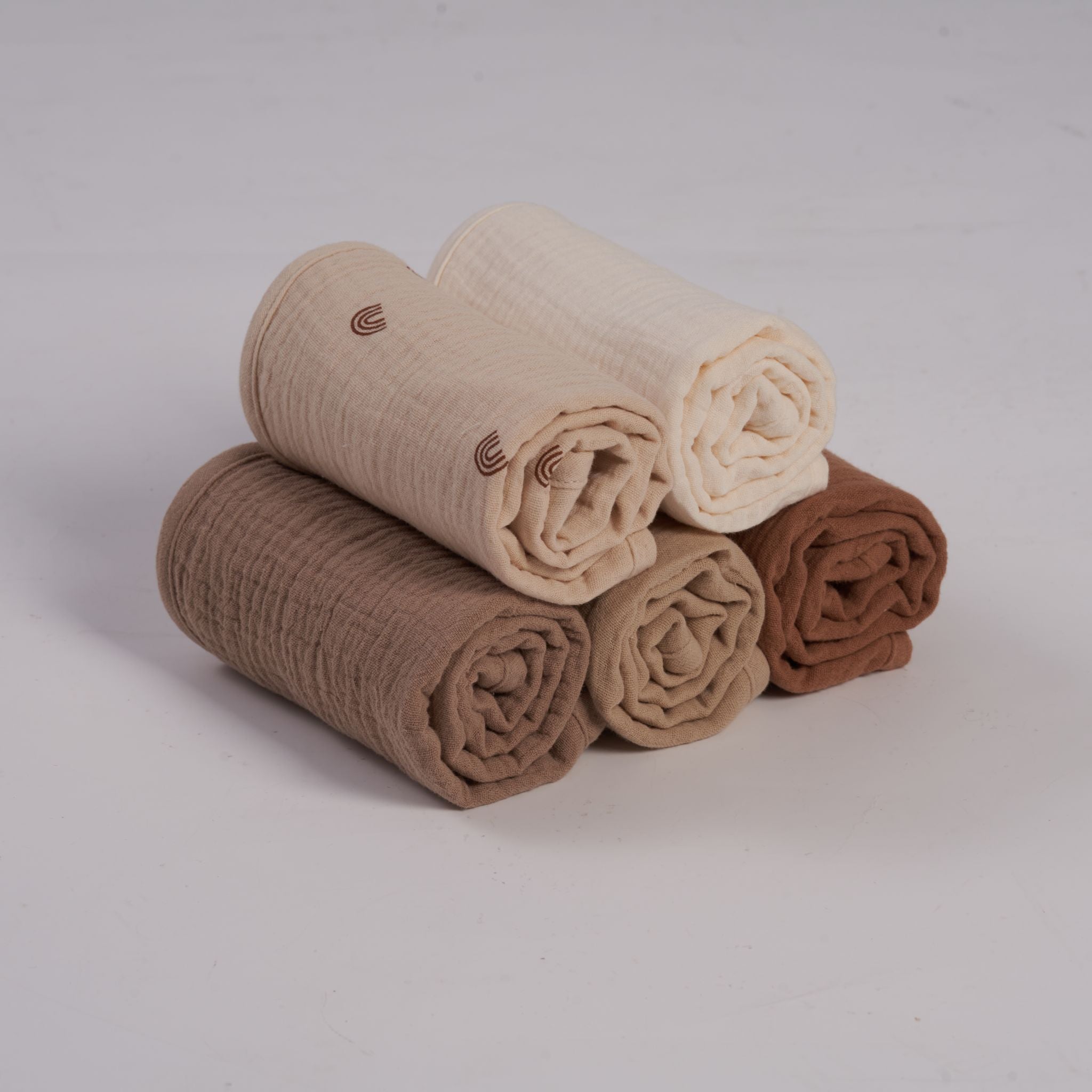
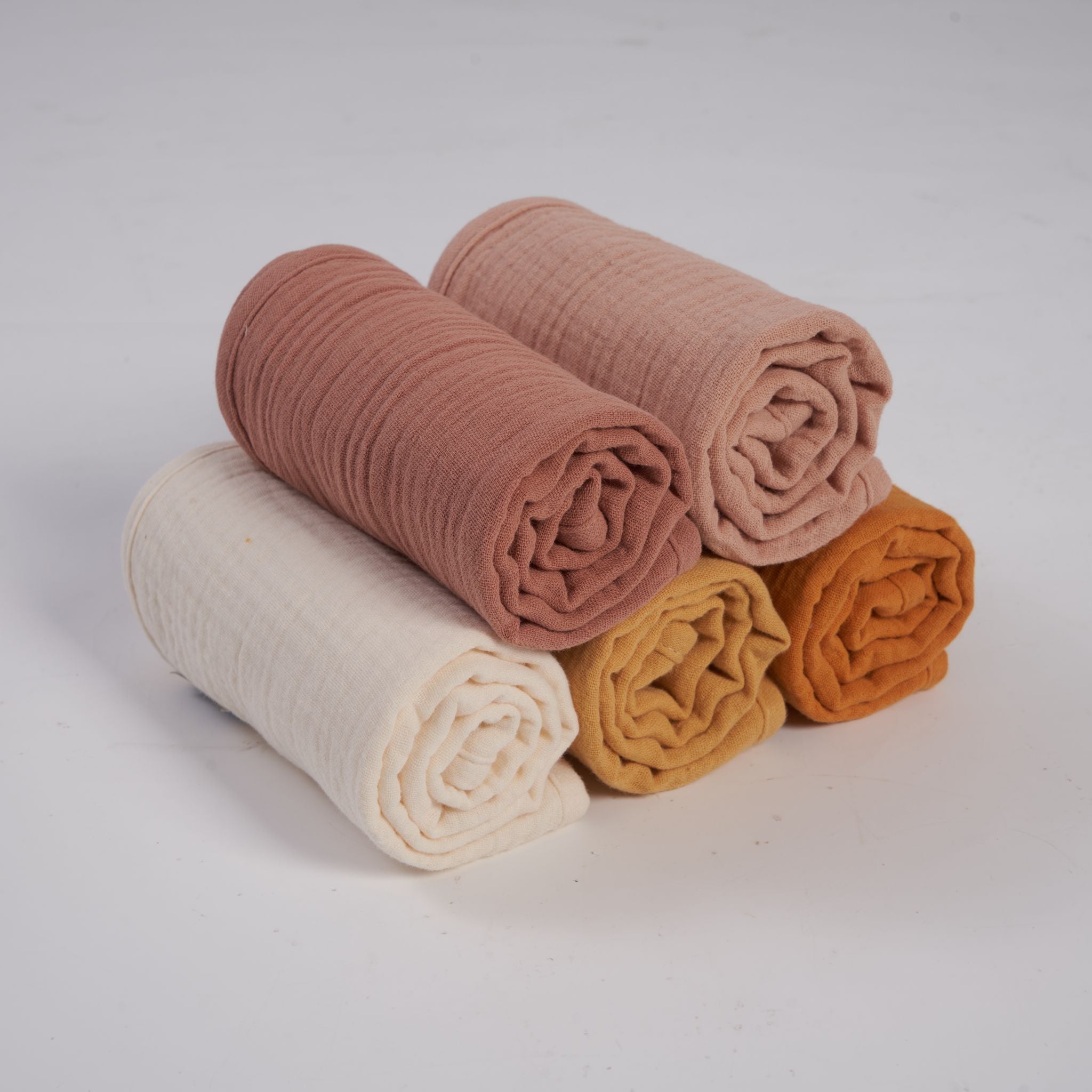
It is tempting to add extra blankets on cold nights, but loose items in the cot increase the risk of suffocation and overheating. Rely on warm, fitted sleepwear and an appropriate sleep bag instead. For daytime naps with supervision, a soft baby blanket made from a natural fabric can provide gentle extra warmth.
For a full breakdown of what is and is not safe in a baby's sleep space, Raising Children Network covers safe sleep environments in detail.
Protecting Your Baby's Skin Through Winter
Combat Dry Skin From Cold Air and Heating
Cold outdoor air and dry indoor heating are a tough combination for a baby's delicate skin. A few simple habits make a real difference.
- Use a gentle, fragrance-free moisturiser after bath time while skin is still slightly damp.
- Keep baths short and warm rather than long and hot. Hot water strips the skin of natural oils.
- Dress your baby in natural, breathable fabrics that do not trap sweat or irritate sensitive skin.
- A hooded baby bath towel helps retain warmth straight after the bath, especially when the bathroom air is chilly.
Watch for Signs of Overheating
Babies cannot regulate their body temperature as efficiently as adults. Overheating is a genuine risk even in winter, particularly when indoor heating is running. Stay alert for these signs.
- Sweating or damp hair
- Flushed or red cheeks
- Rapid breathing
- Feeling hot on the chest or back of the neck
If you notice any of these, remove a layer and move your baby to a slightly cooler space. Never add more layers to try to settle an unsettled baby before checking whether they are already warm enough.
Staying Organised for Winter Days and Nights
Set Up for Quick Access
Winter adds extra items to every outing and every night change. Mittens, extra onesies, swaddles, and moisturiser all need to be within easy reach. A well-organised nappy wallet or cot organiser means less fumbling in the dark at 3am and faster, calmer outfit changes when the temperature drops overnight.
Keeping a small kit ready near the change table with a spare romper, a fresh sleep bag, and skin cream saves time and stress on the coldest nights.
Build a Simple Winter Wardrobe
You do not need a large wardrobe to keep your baby comfortable through winter. A small, well-chosen selection of the right pieces is far more practical than a drawer full of items that do not layer well together. A useful winter base includes the following.
- Two to three zip rompers in cotton or bamboo for everyday wear and sleep
- A couple of knitted cardigans or footed pants for layering indoors
- A warm outer wrap or suit for outdoor outings
- Two sleep bags in an appropriate TOG rating for your climate
- Hats, mittens, and booties for outdoor trips
- A soft baby blanket for supervised daytime rest
- A multi-use pram cover for outdoor adventures
Sticking to natural fibres like cotton and bamboo across all these layers means less skin irritation and better temperature regulation throughout the day.
The Simple Approach to Winter Baby Care
Winter baby care comes down to layering wisely, choosing breathable materials, and staying alert to overheating. You do not need bulky outfits or piles of blankets. Soft, safe essentials made for warmth and comfort are all you need to get through the colder months with confidence.
With the right winter-ready pieces, including zipper rompers, sleep bags, baby blankets, and a multi-use pram cover, you can keep your little one safe and snug no matter how cold it gets outside.
Browse the Newborn Clothing Edit for curated winter essentials chosen with comfort and safety in mind.