
Australian weather does not play by the rules. A sunny winter morning can turn cold and blustery by lunch. A mild autumn day can swing ten degrees by school pick-up. For babies, who cannot regulate their own body temperature nearly as well as adults, that unpredictability matters a lot.
Layering is the practical answer. Done well, it lets you respond to changing conditions without a full outfit change every few hours. This guide walks you through how to layer baby clothing for changing Australian weather, which fabrics actually work, and the small habits that make a big difference day to day.
Quick Answers at a Glance
- Why layer: Babies cannot self-regulate temperature. Layers let you adjust quickly throughout the day.
- Best fabrics: Breathable options like organic cotton, bamboo, and muslin.
- Golden rule: Thin, breathable layers work better than one thick, heavy item.
- Comfort check: Feel the back of your baby's neck. Warm and dry means comfortable. Hot and sweaty means remove a layer.
- Sleep safety: Use a fitted sleep bag instead of loose blankets, especially for newborns.
Why Layering Babies in Changing Weather Is Worth Getting Right
Babies are not small adults. Their bodies lose heat faster, they cannot shiver effectively to warm up, and they cannot tell you they are uncomfortable. A baby who is too warm may become unsettled, develop heat rash, or have disrupted sleep. A baby who is too cold becomes miserable quickly.
Overheating is also a recognised risk factor in safe infant sleep. Red Nose Australia's guidance on wrapping and infant sleep specifically advises against overdressing babies at sleep time. Being aware of this is part of dressing your baby well, not just a comfort issue.
Layering solves all of this more flexibly than any single garment can. You can peel back a layer when you step into a warm cafe, add one back when you head outside, and swap the outer layer entirely if it rains. One thick puffer jacket cannot do any of that.
How to Layer Your Baby's Clothing
Think of your baby's outfit in three parts. Each layer has a job. Together they keep your baby comfortable across a full day of changing conditions.
Layer One: The Base Layer
This is the layer sitting directly against your baby's skin, so fabric choice matters most here. You want something soft, lightweight, and breathable. Organic cotton and bamboo are both excellent choices. They are gentle on newborn skin, allow air to circulate, and wick moisture away so your baby does not sit in a damp layer when they sweat a little or have a minor spill.
- Organic cotton bodysuits and onesies
- Bamboo short or long-sleeve rompers
- Fitted singlet tops in warm weather
For newborns especially, a well-fitted bodysuit with press studs at the nappy is the easiest base. It stays tucked in, does not ride up, and is simple to change quickly.
Layer Two: The Middle Layer
The middle layer is your warmth layer. It traps a little body heat without being so thick that your baby overheats indoors. The key quality here is easy removal. If you are heading into a warm shopping centre or the temperature climbs by mid-morning, this is the layer that comes off first.
- Lightweight cotton or bamboo tops over a bodysuit
- A thin knitted jumper or zip-up
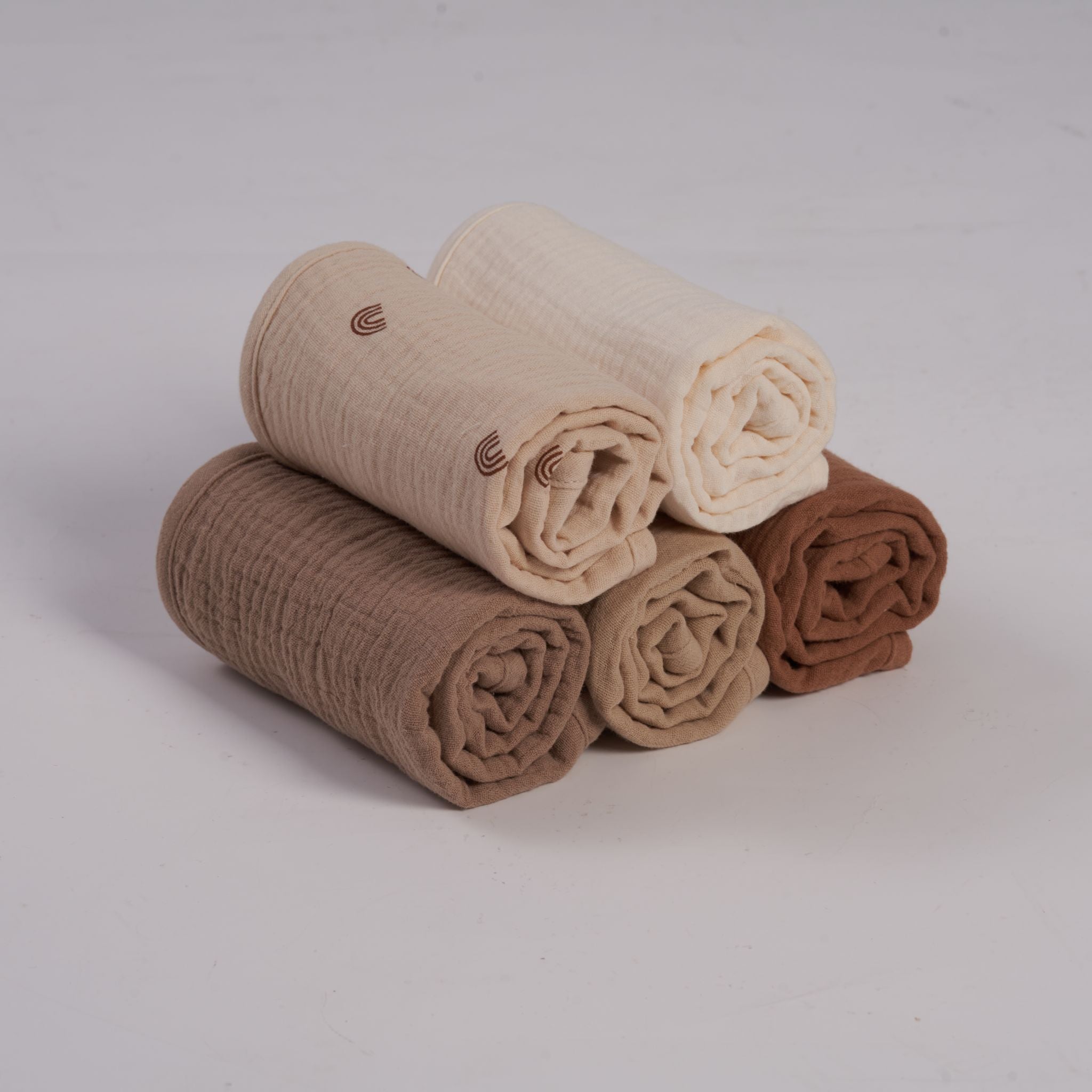
- A light muslin swaddle used as a wrap when out and about
Avoid anything with a stiff or scratchy lining against the neck or wrists. Babies notice texture far more than we do, and discomfort in the middle layer makes the whole outfit a battle.
Layer Three: The Outer Layer
The outer layer handles the elements. Wind, light rain, cool evening air, the shade of a park. It does not need to be heavy, it needs to be easy to put on and take off, and it should not trap heat so tightly that your baby cannot breathe comfortably.
- A lightweight zip-up jacket or cardigan
- A wearable blanket or sleep sack for pram naps
- A soft swaddle or muslin wrap folded over the pram
For sleep, the outer layer is typically a fitted sleep bag rather than a loose blanket. This is safer and more practical. A well-designed sleep bag moves with your baby and cannot be kicked off or pulled over their face.
Practical Tips for Australian Conditions
Check Comfort Often
The back of the neck is your most reliable temperature gauge. If the skin there feels warm and dry, your baby is comfortable. Hot and damp means overdressed. Cool and clammy means add a layer. Hands and feet often feel cooler than the body core, so do not use them as your only guide.
Cover Extremities Carefully
Socks, mittens, and a soft hat make a real difference in cooler weather. Newborns lose a lot of heat through their head. But check regularly. If your baby is warm all over and the room has heated up, remove the hat or socks first before adjusting other layers.
Adjust for Activity
A baby who is wriggling, kicking, or playing actively generates heat. What felt right at the start of a play session may be too much twenty minutes in. Check regularly and peel back a layer if they seem flushed or unsettled.
Account for Indoor Temperature
Air-conditioned rooms in summer can feel colder than outside. A heated car followed by a cool supermarket followed by a warm café is not unusual on a single outing. Build your layers with this in mind. A light middle layer you can stuff into the nappy bag is more useful than anything bulky.
Layer for Sleep Separately
Sleep layering has its own rules. Raising Children Network's guidance on safe wrapping and sleep recommends avoiding loose bedding in the cot. A fitted, breathable sleep bag rated to the season is the safest and most practical option. Pair it with a breathable base layer and adjust the tog rating as seasons change.
Rotate and Dry Fully Between Uses
Swaddles, sleep bags, and everyday layers all benefit from a full dry between washes. Damp fabric loses its breathability and can irritate skin. Having two or three of your key pieces means you are never scrambling for a dry option at 6am.
Fabrics That Work Best for Layering
Not all soft fabrics are equal when it comes to layering. The best choices for Australian conditions share a few qualities: they breathe well, stay soft after washing, and do not trap heat.
- Organic cotton: Soft, durable, breathable, and easy to wash. Works across all three layers.
- Bamboo: Silky smooth and moisture-wicking. Excellent for the base layer, especially for babies with sensitive skin.
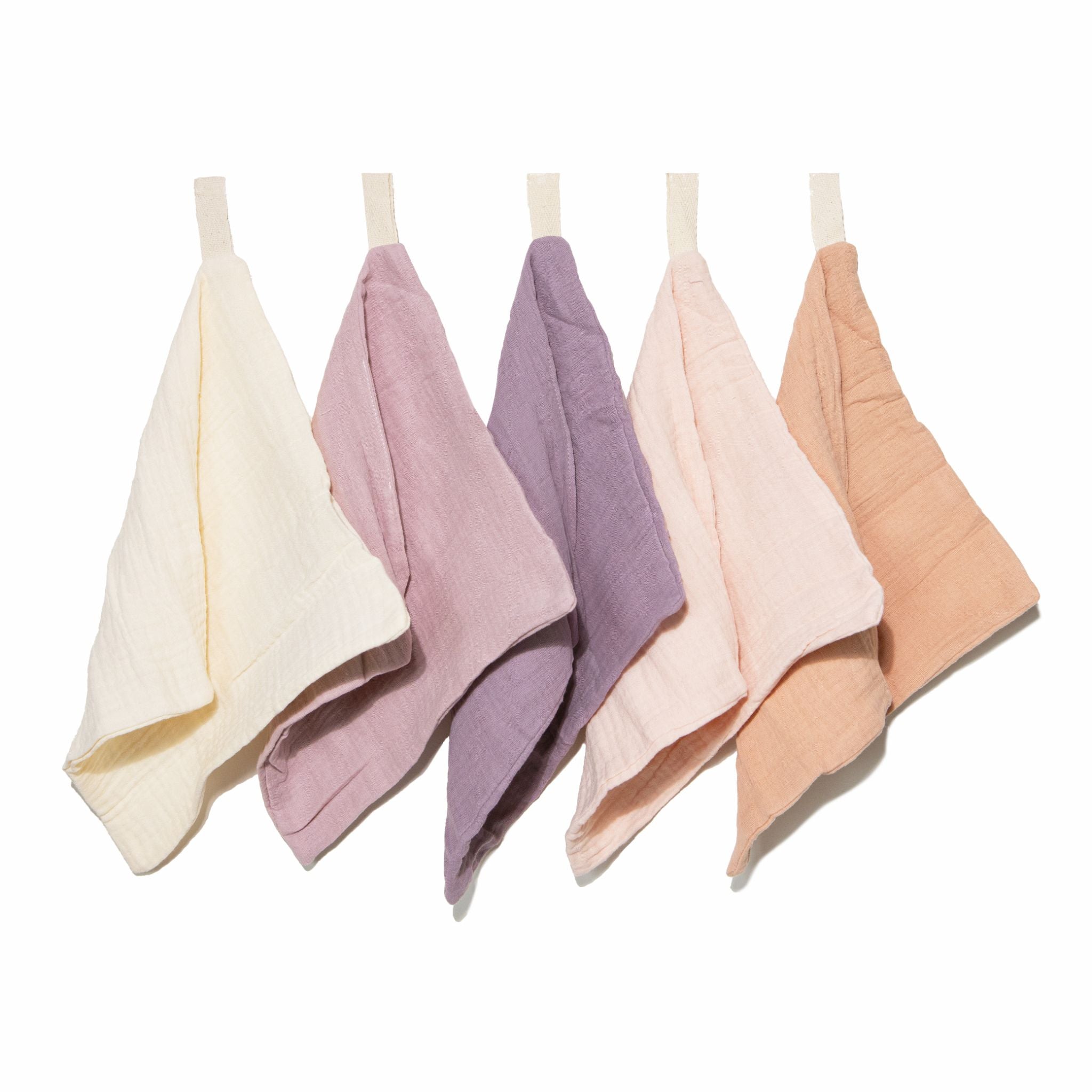
- Muslin: Lightweight and gets softer with every wash. Great for swaddles and middle layers in warmer months.
- Merino wool (fine gauge): Regulates temperature well in cooler months. Best as a middle or outer layer.
Avoid fabrics with stiff interlinings, synthetic fleece against the skin, or anything that does not breathe. These trap heat unevenly and make it harder to gauge your baby's actual comfort level.
Pieces That Layer Well Together
A small, well-chosen wardrobe outperforms a large, mismatched one every time. These are the pieces worth having in rotation:
- Organic cotton or bamboo bodysuits in two sleeve lengths
- Lightweight zip-up or cardigan in a neutral colour that pairs with everything
- Muslin swaddles that double as pram covers, shade cloths, and light wraps
- A breathable sleep bag in a season-appropriate tog
- A soft outer blanket for pram or car trips
For a curated starting point, browse the Newborn Clothing Edit or visit the How to Choose the Right Baby Blanket guide for more on pairing blankets with the right layers across seasons.