

Keeping your baby comfortable is about more than cute outfits. In Australia, where a warm morning can turn into a cool, blustery afternoon before lunch, the fabrics you choose make a real difference every single day.
New to this? Start with our guide to the benefits of bamboo for babies.
Part of our complete guide to bamboo baby clothing.
Breathable materials help your baby's body regulate temperature, move moisture away from the skin, and stay comfortable whether they are napping, feeding, or wriggling through tummy time. Here is what you need to know.
Quick Answers at a Glance
- What breathable fabric does: Helps regulate your baby's body temperature and moves moisture away from the skin.
- Why it matters in Australia: Reduces sweating, rashes, and discomfort caused by unpredictable weather.
- Best fabrics: Organic cotton, bamboo, muslin.
- Practical tip: Layer thin, breathable pieces rather than reaching for one heavy, non-breathable layer.
Why Australian Weather Makes Fabric Choice So Important
Australian weather can shift fast. Even in the cooler months, mornings can feel warm while evenings turn genuinely chilly. In summer, a shaded verandah and a sunny patch of grass can feel like two different climates. Babies feel every one of those shifts, and they cannot tell you when they are uncomfortable.
Babies also have a less efficient temperature-regulation system than adults. Their skin is thinner, they have more surface area relative to their body weight, and they sweat differently. A fabric that traps heat or holds moisture against the skin can tip them into discomfort quickly, whether it is a stuffy synthetic bodysuit in January or a thick fleece layer on a mild winter morning in Queensland.
Breathable fabrics solve this by allowing heat and moisture to escape rather than building up. The result is a more stable microclimate against your baby's skin, which matters during the day and even more overnight.
The Real Benefits of Breathable Fabrics for Babies
Better sleep
Overheating is one of the most common reasons babies wake unsettled. When their clothing and bedding allow heat to escape naturally, their body temperature stays more stable and sleep tends to be more settled. Red Nose Australia recommends keeping your baby's head and face uncovered and dressing them as you would dress yourself for the same room. Checking the back of the neck or the tummy gives you a much better read than cold hands and feet, which are normal. If they feel hot, sweaty, or clammy, take a layer off.
Healthier skin
Baby skin is sensitive. Sweat, friction, and trapped heat are a recipe for rashes and irritation, particularly in skin folds. Breathable fabrics reduce the moisture that sits against the skin, which helps keep nappy rash, heat rash, and general irritation in check. This matters especially for newborns and babies with eczema-prone skin, where anything rubbing or trapping heat can trigger a flare.
Everyday comfort during active periods
A baby who is crawling, rolling, or having a big day at the park generates more body heat than one who is quietly feeding. Breathable fabrics adapt better to those activity changes. Cotton and bamboo in particular allow airflow even when your baby is moving around, which means less fussiness and fewer outfit changes mid-outing.
Soft and gentle against delicate skin
Many breathable fabrics are also exceptionally soft. Organic cotton is free from harsh chemical finishes and feels gentle against newborn skin. Bamboo is silky, moisture-wicking, and lightweight, which makes it a practical choice for warmer months or for babies who run warm. Muslin, with its open weave, gets softer with every wash.
The Best Breathable Fabrics and Where to Use Them
Organic cotton
A reliable all-rounder. Organic cotton is breathable, durable, and washes well. It holds its shape after repeated laundering, which matters when you are washing baby clothes almost daily. It works well across every season and suits sensitive skin.
Bamboo
Bamboo fabric is silky soft and naturally moisture-wicking, pulling dampness away from the skin quickly. It is lightweight and breathable, which makes it particularly useful in warmer weather or for babies who tend to sweat. Bamboo blends work well for bodysuits, wraps, and lightweight blankets.
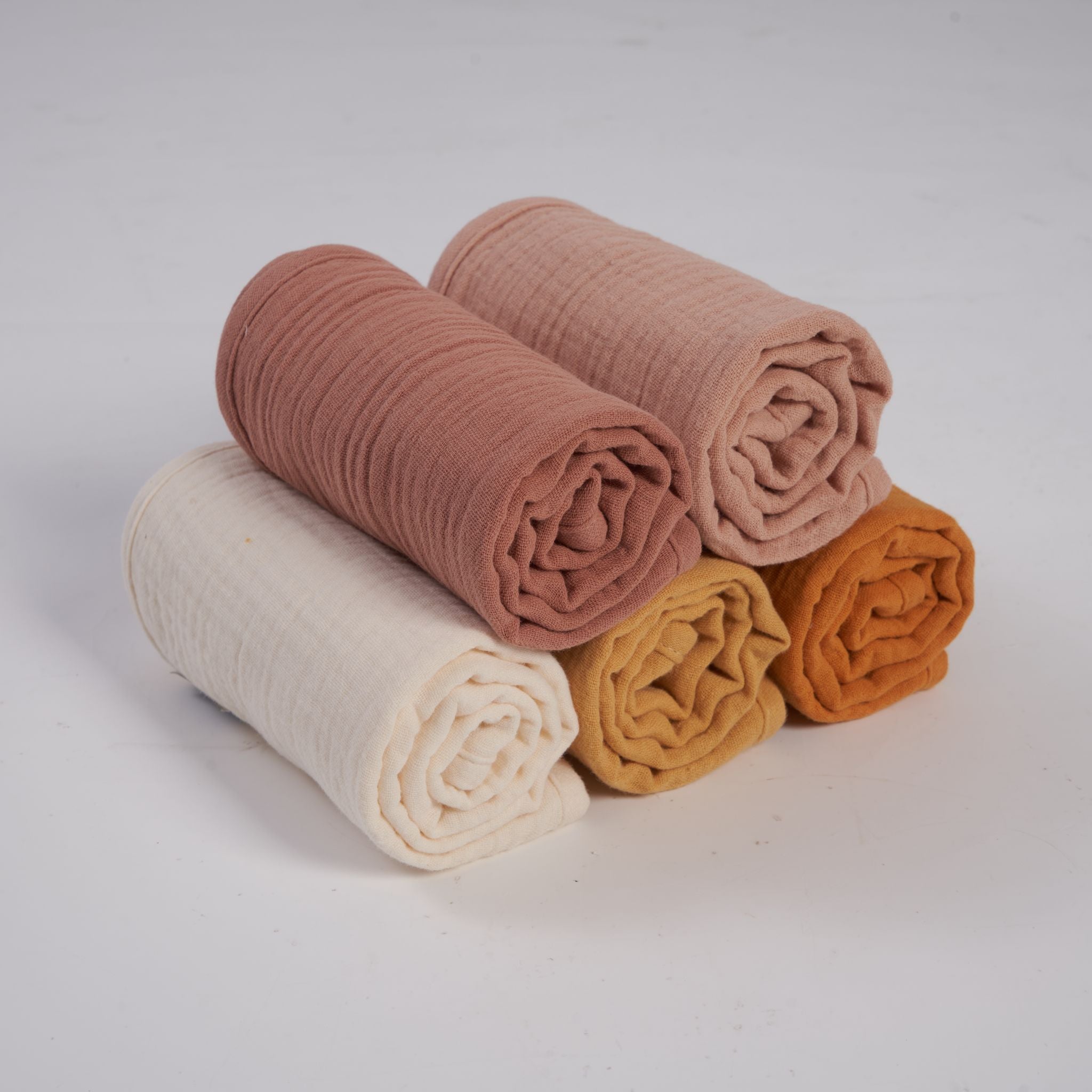
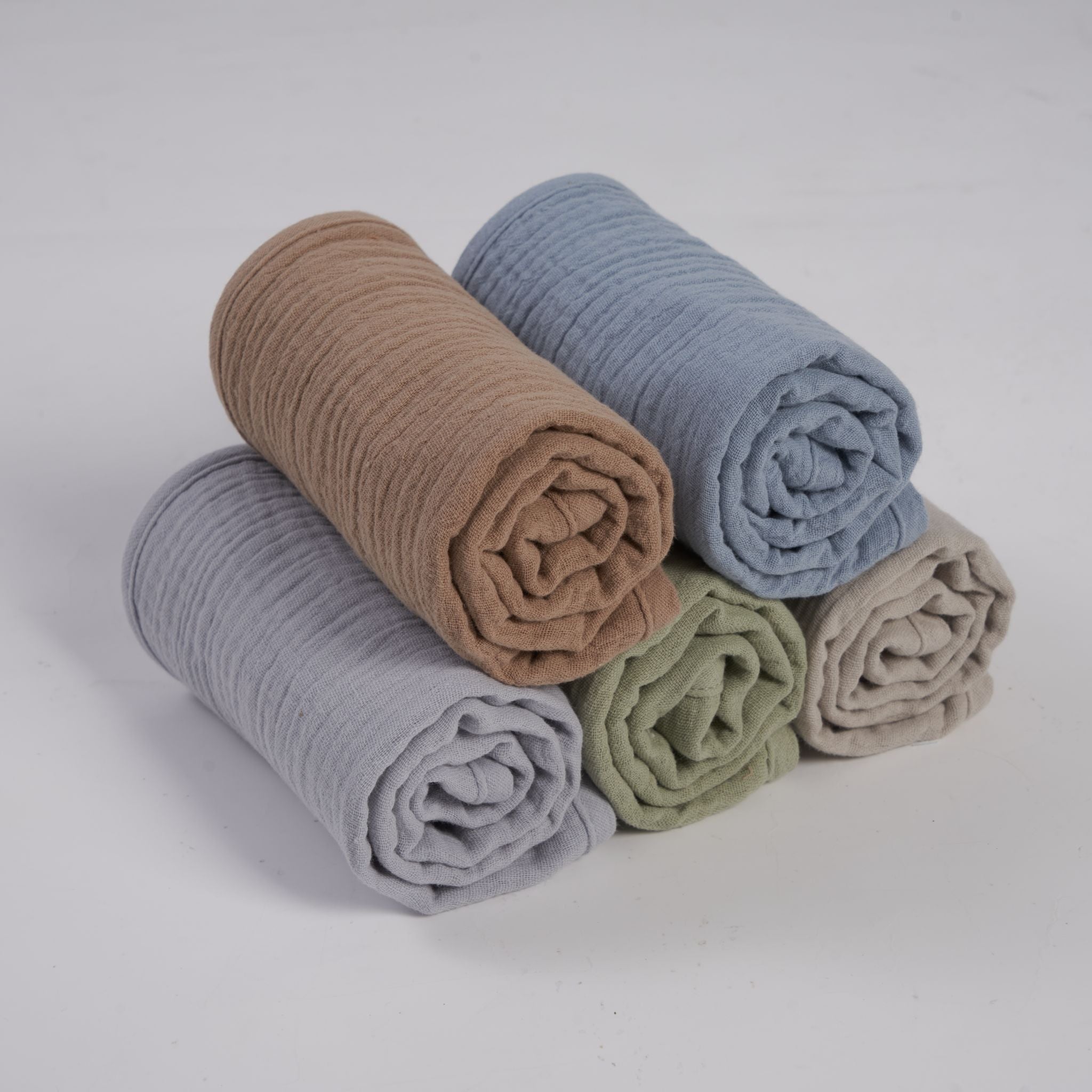
Muslin
Muslin's open, gauze-like weave allows excellent airflow, which is why it has been used for baby wraps and swaddles for generations. It is lightweight, easy to layer, and softens beautifully with use. Red Nose Australia recommends lightweight cotton or muslin wraps for newborns, and advises stopping wrapping at the first signs of rolling or by 3 months, whichever comes first.
What to avoid
Thick synthetic fabrics like polyester fleece trap heat and moisture against the skin. They have their place in an outer layer on a very cold day, but as a base layer or sleep layer they are not ideal. If you are reaching for something with any synthetic content, check that it is blended with a breathable natural fibre and that it is not sitting directly against bare skin for extended periods.
How to Use Breathable Fabrics Day to Day
Layer thin pieces rather than one thick layer
Thin breathable layers are far more flexible than a single heavy one. A cotton bodysuit under a lightweight bamboo romper, with a muslin wrap on standby, gives you options you can adjust within seconds. That flexibility matters most in the middle hours of the day when Australian weather does what it likes.
Check your baby's temperature the practical way
Feel the back of your baby's neck or their tummy. Warm and dry is exactly right. Hot, sweaty, or clammy means take a layer off. Cool hands and feet are normal and do not mean your baby is cold overall.
Dress for the room, not just the calendar
A mild winter day in Brisbane is not the same as a mild winter day in Melbourne. Use the room itself as your guide. If you are comfortable in a t-shirt, your baby is likely comfortable in a similar light layer. Add a layer if you would reach for one yourself.
Care for your breathable fabrics properly
Wash organic cotton and bamboo in a gentle, fragrance-free detergent. Avoid fabric softeners, which can coat fibres and reduce breathability over time. Line drying in the shade keeps colours bright and fibres in good shape. Allow swaddles and sleepwear to dry fully between uses so they stay fresh and soft.
Think about the whole outfit, not just one piece
A breathable onesie under a non-breathable synthetic jacket still traps heat at the layer where it matters most. When building outfits, consider the breathability of each piece and where it sits against your baby's skin.
Breathable Fabrics for the Nursery, Not Just Clothing
The same principles that apply to clothing apply to the nursery. Fitted sheets in organic cotton or muslin allow airflow across the sleep surface. Lightweight cotton or bamboo blankets layer easily and can be removed if the room warms up overnight. Avoid placing anything loose in the sleep space with young babies. Red Nose Australia recommends nothing in the sleep space for the first 12 months, and advises waiting until at least 7 months before introducing any soft toys or comforters.
Choosing breathable bedding and a firm, flat, well-fitting mattress gives your baby a comfortable, safe sleep environment without overcomplicating the setup.
Small Choices That Add Up
Breathable fabrics are not a luxury for Australian babies. They are a practical response to the climate. Choosing organic cotton, bamboo, and muslin across clothing and bedding gives your baby a more comfortable day, a more settled night, and skin that has a better chance of staying calm and healthy.
The changes are simple. The difference is genuine.
For more practical guidance on dressing your baby comfortably through the seasons, visit our How to Choose the Right Baby Blanket guide and our Layering Tips for Babies in Changing Weather. You can also browse The Newborn Clothing Edit for curated essentials in breathable fabrics.