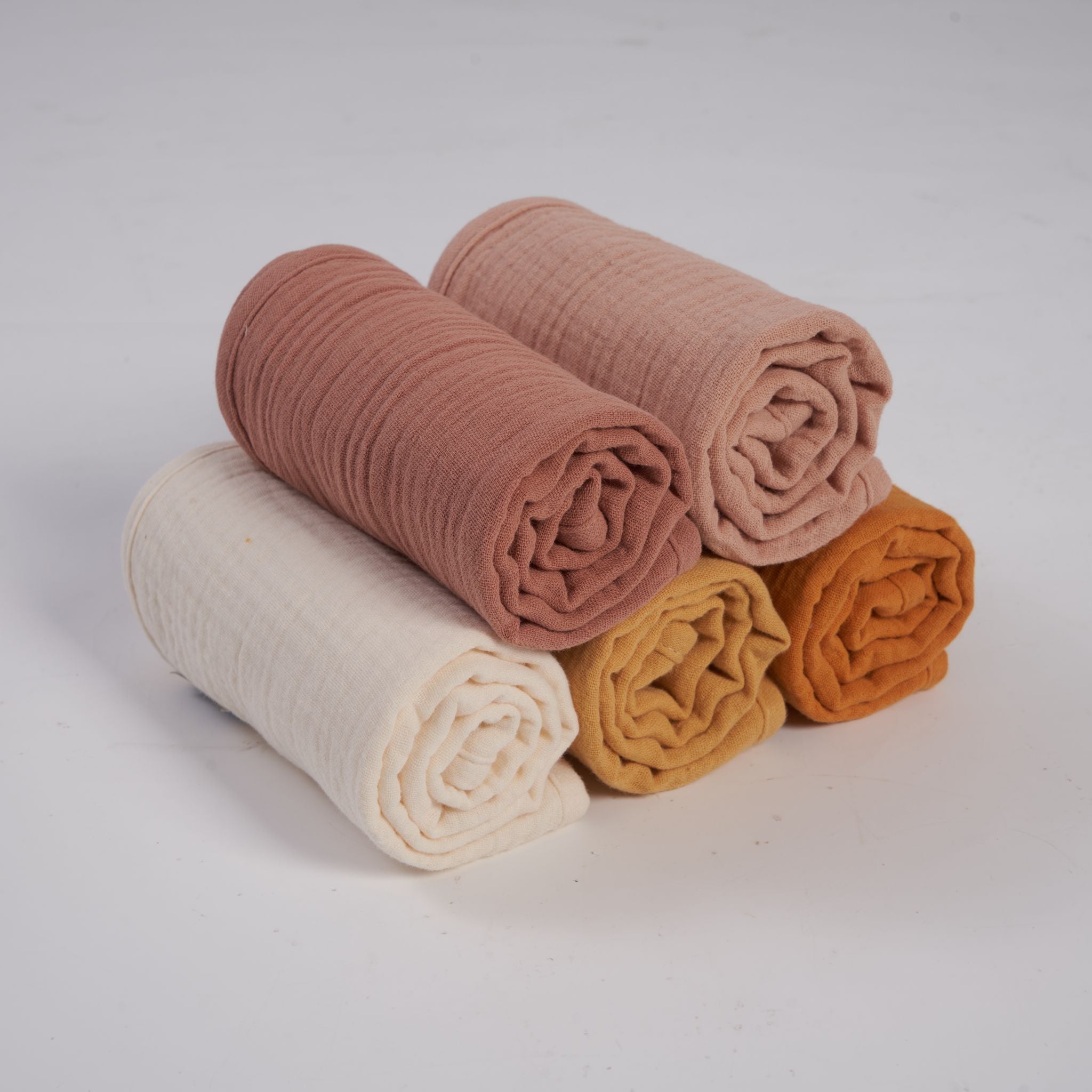

Heading to daycare or planning a trip with a baby? Knowing exactly what bedding to pack, especially if you are using a Baby Bjorn travel cot, saves you from last-minute scrambles and centre complaints. This guide covers what daycare centres typically ask for, what to bring when travelling, and how to keep everything clean and labelled.
Part of our complete guide to waterproof cot sheets.
What Daycare Centres Usually Ask You to Bring
Every centre is different, so confirm with yours before orientation day. Most will ask for:
- One to two fitted cot sheets or bassinet sheets, sized to their cots
- A clearly labelled bag for used bedding at pickup
- Season-appropriate layers, usually a sleep bag rather than loose blankets
- A spare set in case of accidents or spills during the day
Loose blankets are generally not permitted in under-two rooms. This aligns with safe sleep guidance from Red Nose Australia on safe sleep environments. A fitted sleep bag is the safest and most practical option.
If your centre uses standard cots, a regular fitted cot sheet will do. If they use travel cots or portable cots, double-check the internal dimensions before you buy. Sheets that bunch or lift at the corners are a safety risk.
Packing Bedding for a Baby Bjorn Travel Cot
The Baby Bjorn travel cot is one of the most popular portable cots in Australia. It has a firm, flat mattress and a specific internal size, so not every standard cot sheet will fit it correctly. Always measure before buying sheets for travel.
What to pack for overnight travel with a Baby Bjorn travel cot:
- Two fitted sheets cut for the travel cot dimensions, so you have a clean swap ready
- A waterproof mattress protector that fits flat and does not bunch
- A sleep bag appropriate for the season and destination temperature
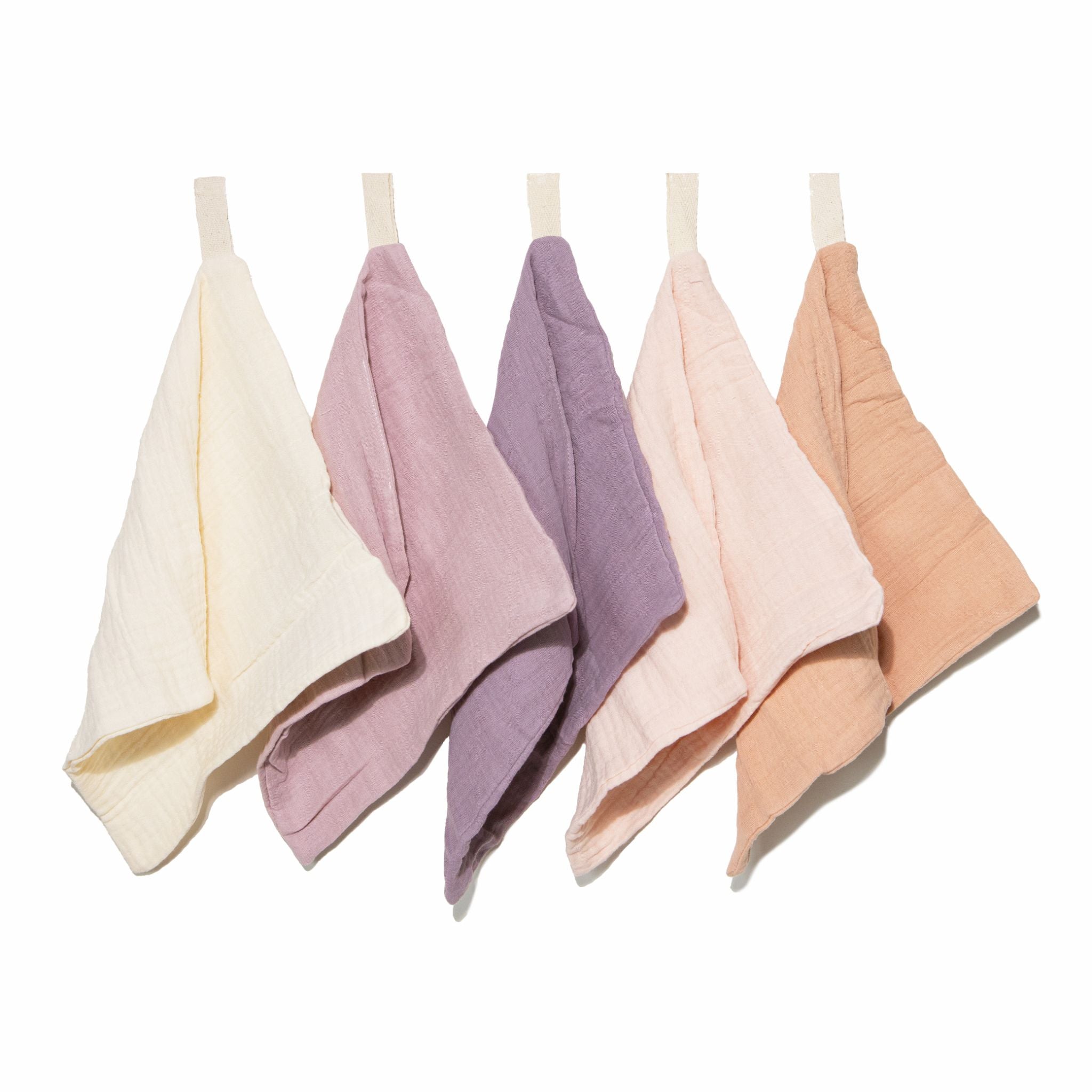
- A muslin wrap for layering or covering the pram during the day
Speaking of wraps, a lightweight muslin is one of the most versatile items you can pack. It works as a pram cover, a feeding cover, a comforter, and an extra layer. Browse our breathable baby wraps and muslins if you need a travel-friendly option.
On the subject of sleep transitions, if your baby has been swaddled at home, travel can disrupt their routine. Read our guide on moving from swaddle to sleep bag before you go, so you are not troubleshooting an overtired baby in a hotel room.
How to Label Daycare Bedding So It Actually Stays Labelled
Iron-on labels wash off. Marker fades. The most reliable options for daycare bedding are:
- Sewn-in fabric labels with your child's name
- Stamp-style laundry ink directly on the care label
- Iron-on vinyl labels applied to the seam, not the flat fabric
Label every item, including the sleep bag, the bag itself, and any spare clothing sent along. Centres manage dozens of items daily and even clearly marked things go missing. The more items you label, the less you replace.
If you are also labelling clothing for daycare, our article on knowing when to size up in baby clothes is worth a read so you are not labelling things your baby is about to grow out of.
Keeping Travel and Daycare Bedding Clean
Cot sheets and sleep bags from daycare pick up a lot during the week. A simple routine keeps it manageable:
- Wash all bedding at 60 degrees where the fabric allows, to remove bacteria and allergens
- Keep a rotation of at least three fitted sheets so you always have a clean set ready
- Air sleep bags thoroughly between washes rather than washing every single day
- Check care labels on travel cot sheets before machine washing. Some covers and fitted sheets for travel cots have specific wash instructions.
For travel, a portable wet bag is the simplest way to separate used sheets from clean ones in your luggage. Pack it alongside your clean bedding from day one.
If you have ever dealt with sheets pulling off overnight, the fit of the sheet matters as much as the fabric. Our guide on why cot sheets keep coming off and how to fix it covers the most common reasons and practical solutions.
Quick Reference Pack List
- Two to three fitted sheets sized to the cot at daycare or destination
- One waterproof mattress protector
- One to two sleep bags, season appropriate
- One lightweight muslin wrap
- Labelled wet bag for used items
- Spare set of everything for longer trips
For more on what is safe and developmentally appropriate for your baby's sleep setup, Raising Children Network has practical safe sleep guidelines for Australian families worth bookmarking.