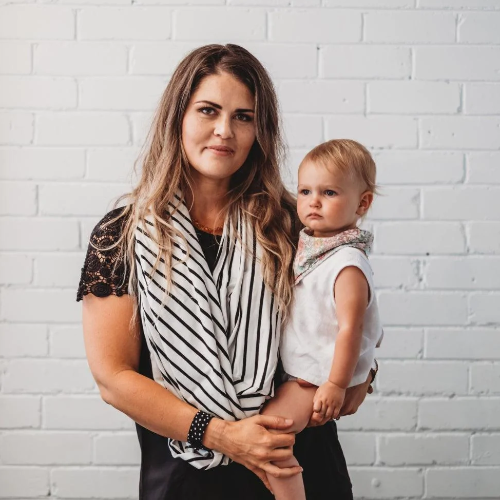

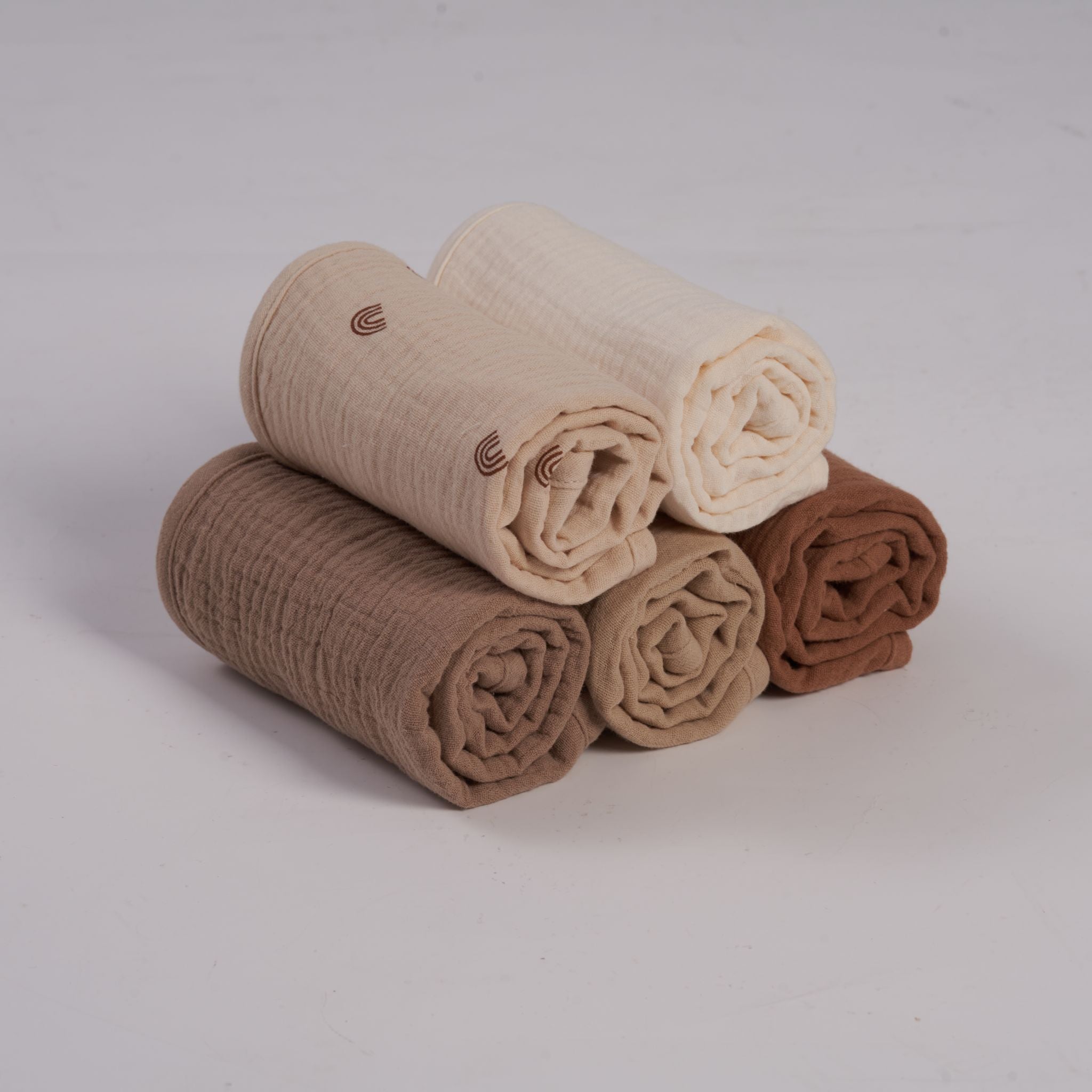
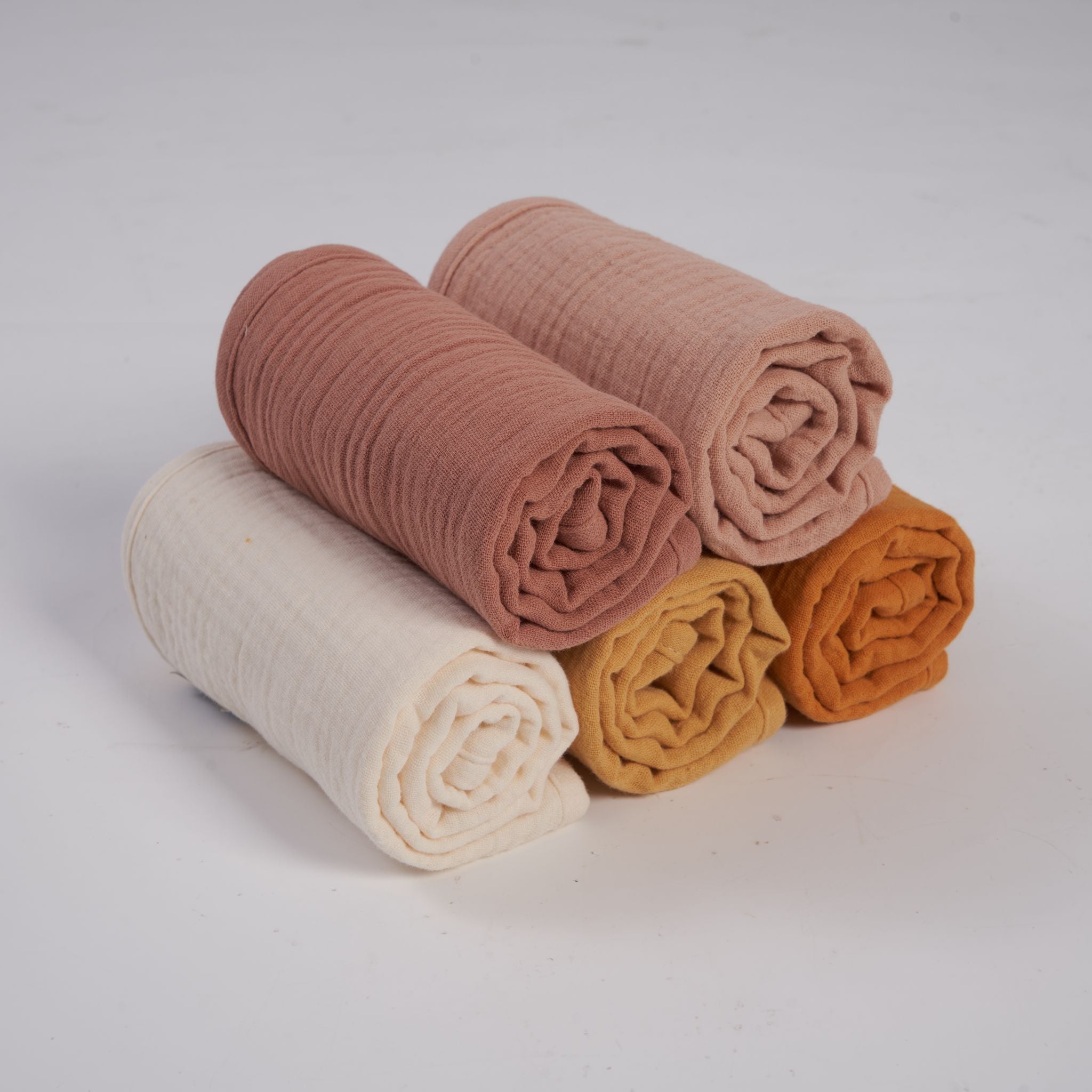

Babywearing is one of the most practical tools a new parent has. It keeps your baby close, frees your hands, and supports bonding from day one. But carrying safely matters just as much as carrying comfortably. The TICKS guide to safe babywearing gives you a simple, memorable checklist to run through every single time you pop your baby in a carrier.
What Is the TICKS Guide to Safe Babywearing?
TICKS is an acronym used by babywearing educators and healthcare professionals worldwide. Each letter stands for a key safety checkpoint. Run through it before every carry, not just the first few times.
- T: Tight. The carrier should be snug with no loose fabric. Your baby should not be able to slump or shift position. A carrier that sags puts pressure on your baby's spine and airway.
- I: In view at all times. You should be able to see your baby's face without moving fabric or craning your neck. If you cannot see them clearly, adjust the carrier.
- C: Close enough to kiss. Your baby's head should be close enough that you can kiss the top of it by simply tilting your head forward. If you have to bend down, your baby is sitting too low.
- K: Keep chin off the chest. A newborn's chin should never be pressed into their chest. This position can restrict the airway. Always ensure at least a finger-width of space between chin and chest.
- S: Supported back. Your baby's back should be supported in its natural curve. In an upright carry, the back should be slightly rounded, not arched backward or flopped forward.
For more detail on safe infant carrying positions and airway risks, the Red Nose Australia safe sleeping and carrying guidelines are worth bookmarking.
Why TICKS Matters for Newborns Especially
Newborns have limited head and neck control. Their airways are small and easily compromised by poor positioning. The TICKS checklist was developed specifically to address the risks that come with those early weeks and months.
A baby in a carrier should always be in the "M position", also called the frog position. Knees are higher than the bottom, thighs are spread around your torso, and the bottom sits in the lowest point of the carrier. This position is healthy for hip development and keeps the spine in its natural curve.
Premature babies, babies with low birth weight, and babies who have experienced any breathing difficulties need extra care. Check with your midwife or child health nurse before babywearing if any of those apply. The Raising Children Network's guide to baby carriers and slings has practical advice for different ages and stages.
If you are building out your newborn kit alongside a carrier, it is worth reading about the daily newborn essentials that genuinely get used in those first weeks.
Choosing the Right Carrier for Safe Babywearing
Not all carriers make TICKS compliance easy. Stretchy wraps, structured carriers, and ring slings all work differently, and each has a learning curve. Here is what to look for regardless of style.
- Adequate seat depth to support the M position without forcing the legs straight.
- A panel height that supports the head without covering the face.
- Adjustable straps that can be tightened evenly without creating pressure points on your own shoulders or back.
- Fabric with enough structure to hold the baby in position, not just wrap around them loosely.
Carriers made from breathable, moisture-wicking fabric help regulate your baby's temperature during longer carries. Overheating is a genuine risk, so check your baby's neck and chest for sweat regularly.
Dressing your baby in soft, breathable layers makes temperature management easier. If you want to know which fabrics and garments hold up to daily use, our everyday baby essentials range covers the basics without overcomplicating things.
Practising TICKS Every Time
Muscle memory takes time. In the early days, run through each letter out loud if it helps. Check the position after you sit down, after you bend over, and after any adjustment. Carriers shift with movement and a carry that felt right at home can change after a walk around the block.
A few practical habits worth building:
- Do your first few carries in front of a mirror so you can see positioning clearly.
- Ask a partner or support person to check the back panel and seat after you have secured the carrier.
- Never carry in a stretchy wrap while cooking over heat, or leaning over anything where a fall could occur.
- Remove bulky coats from both you and your baby before securing the carrier. Layers can create false tension in the fabric.
Babywearing pairs naturally with other calming routines. If you are navigating sleep schedules alongside a new carry routine, the tips on adjusting your baby's sleep schedule around time changes are a useful read.
And if you are still pulling your newborn kit together, a broader look at the organic baby essentials worth having from the start covers what actually earns its place in your home.
Safe babywearing is not complicated once you know the checklist. Run through TICKS every carry, trust what you feel under your hands, and always prioritise your baby's airway over convenience.