The Hospital Bag Edit
Award winning practical mum and baby essentials
The Hospital Bag Edit takes the guesswork out of packing. These are the pieces that genuinely earn their place in your bag, for you and for baby.
What to Pack for Baby
Newborns need far less than most lists suggest. Start with the basics that work hard from the very first hour.
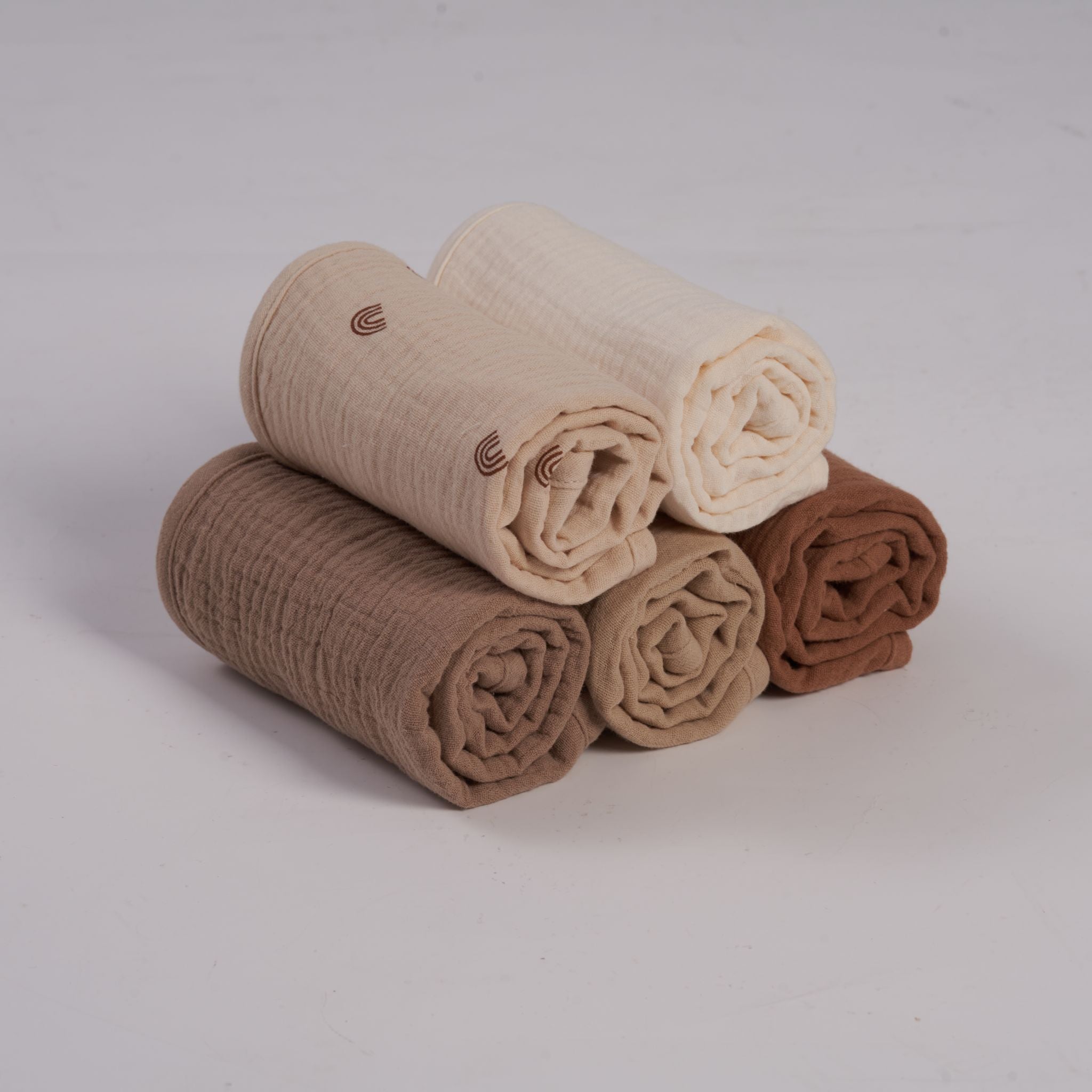
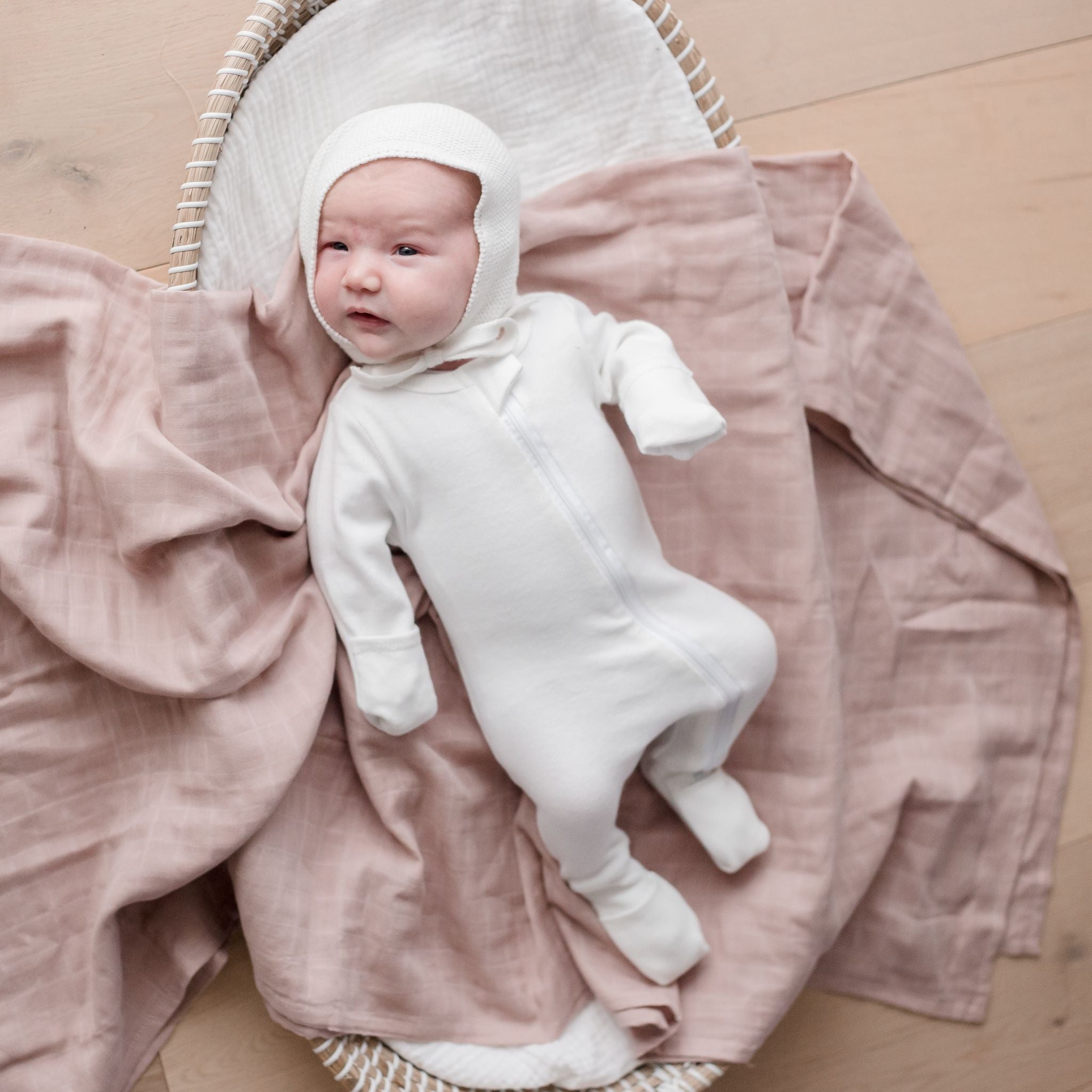
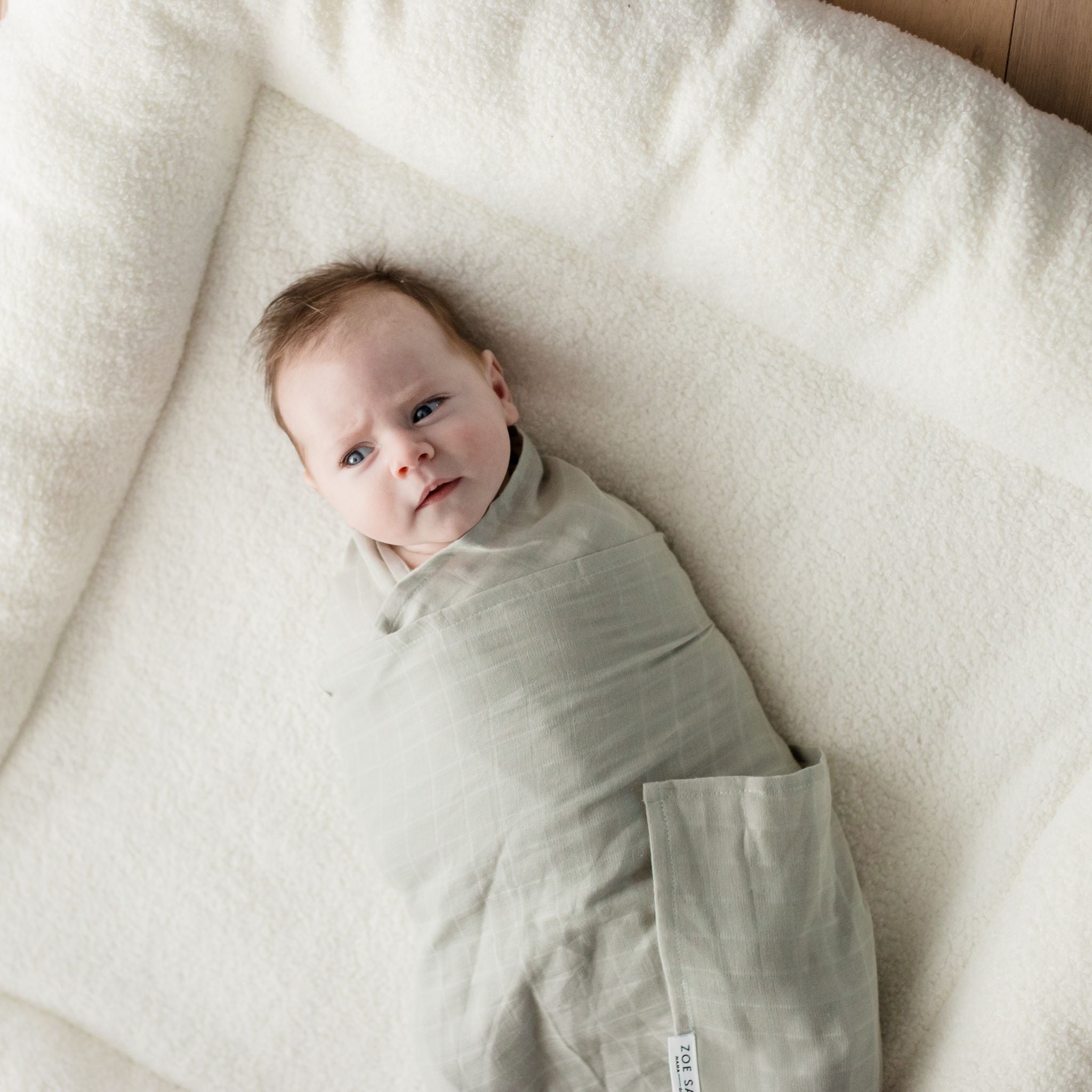
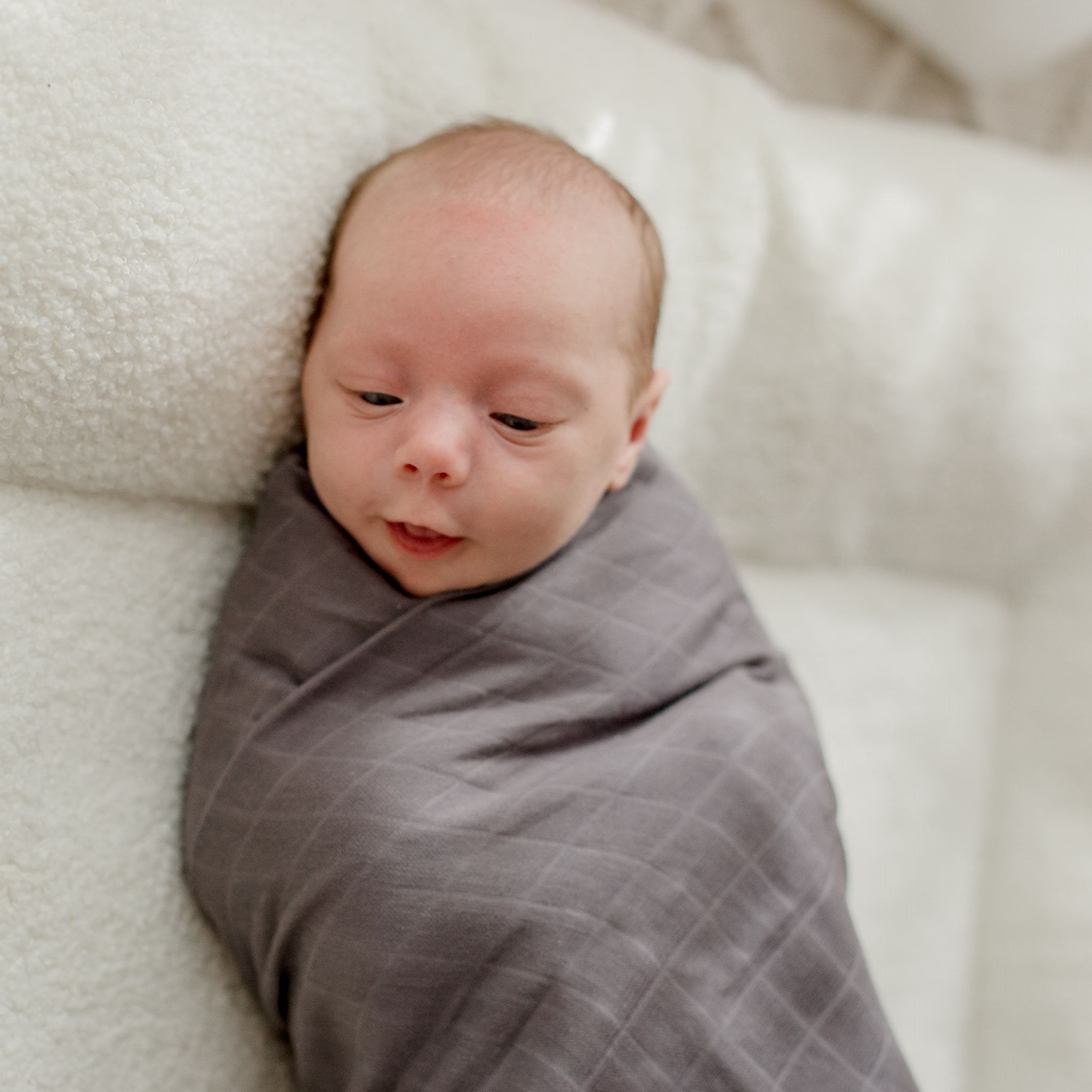
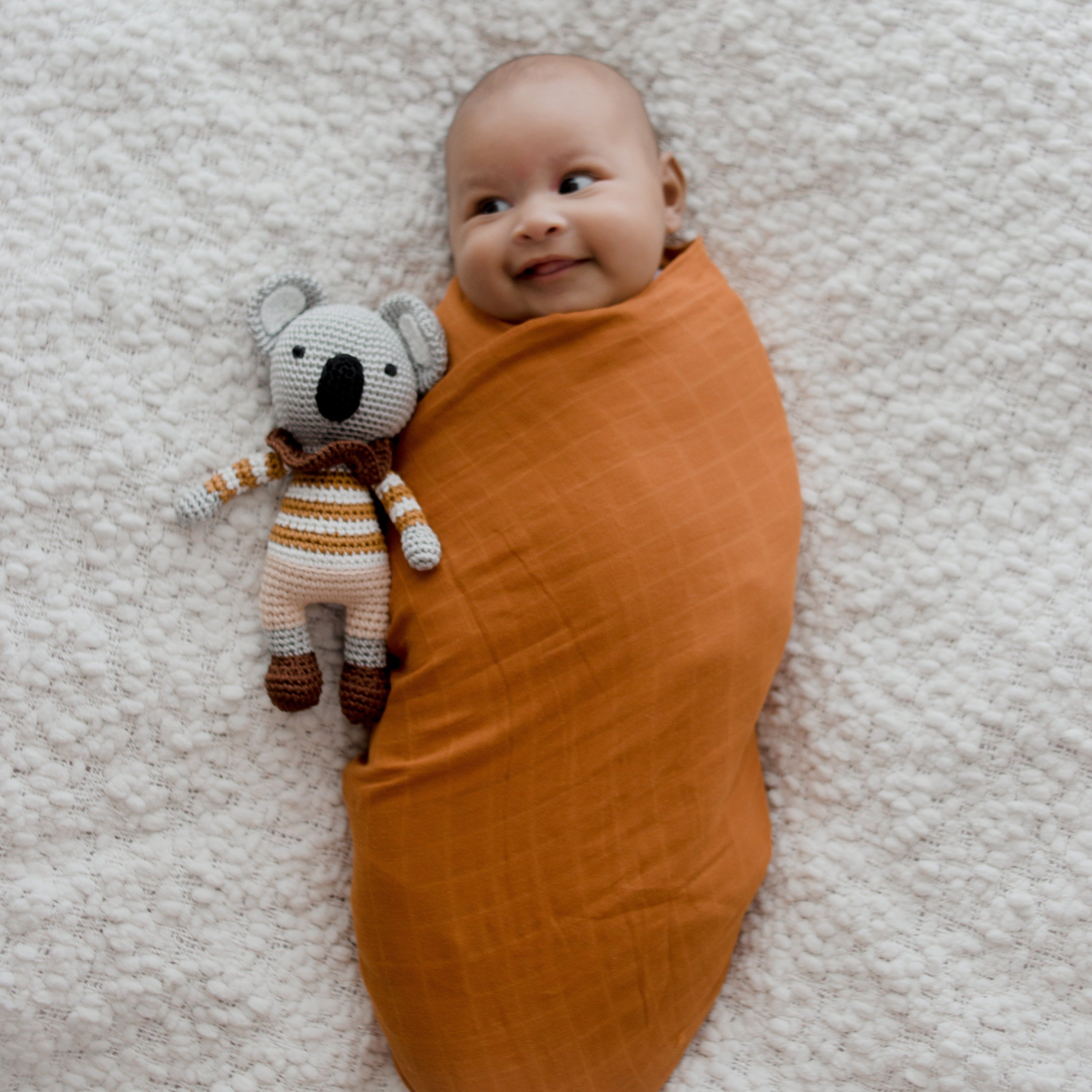
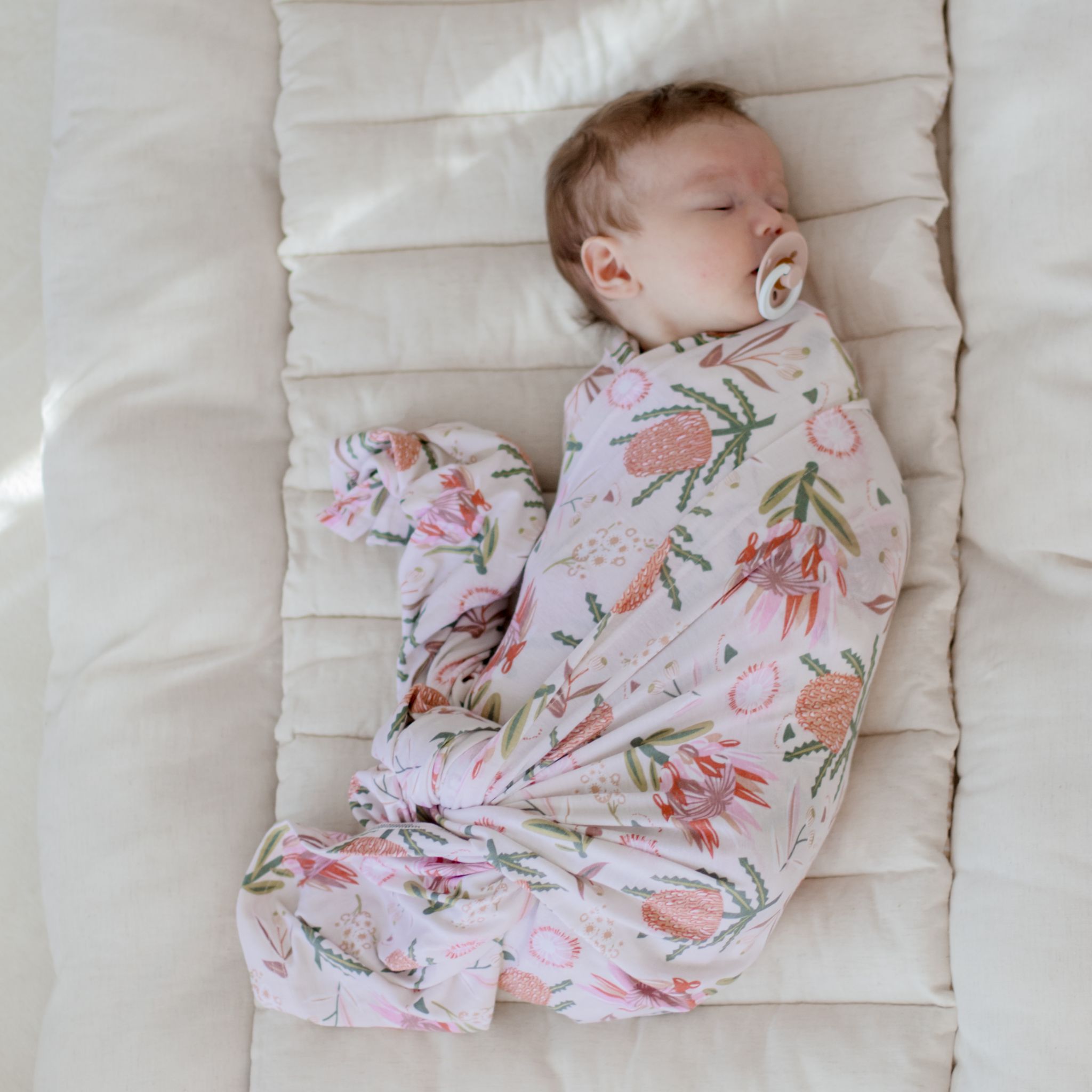
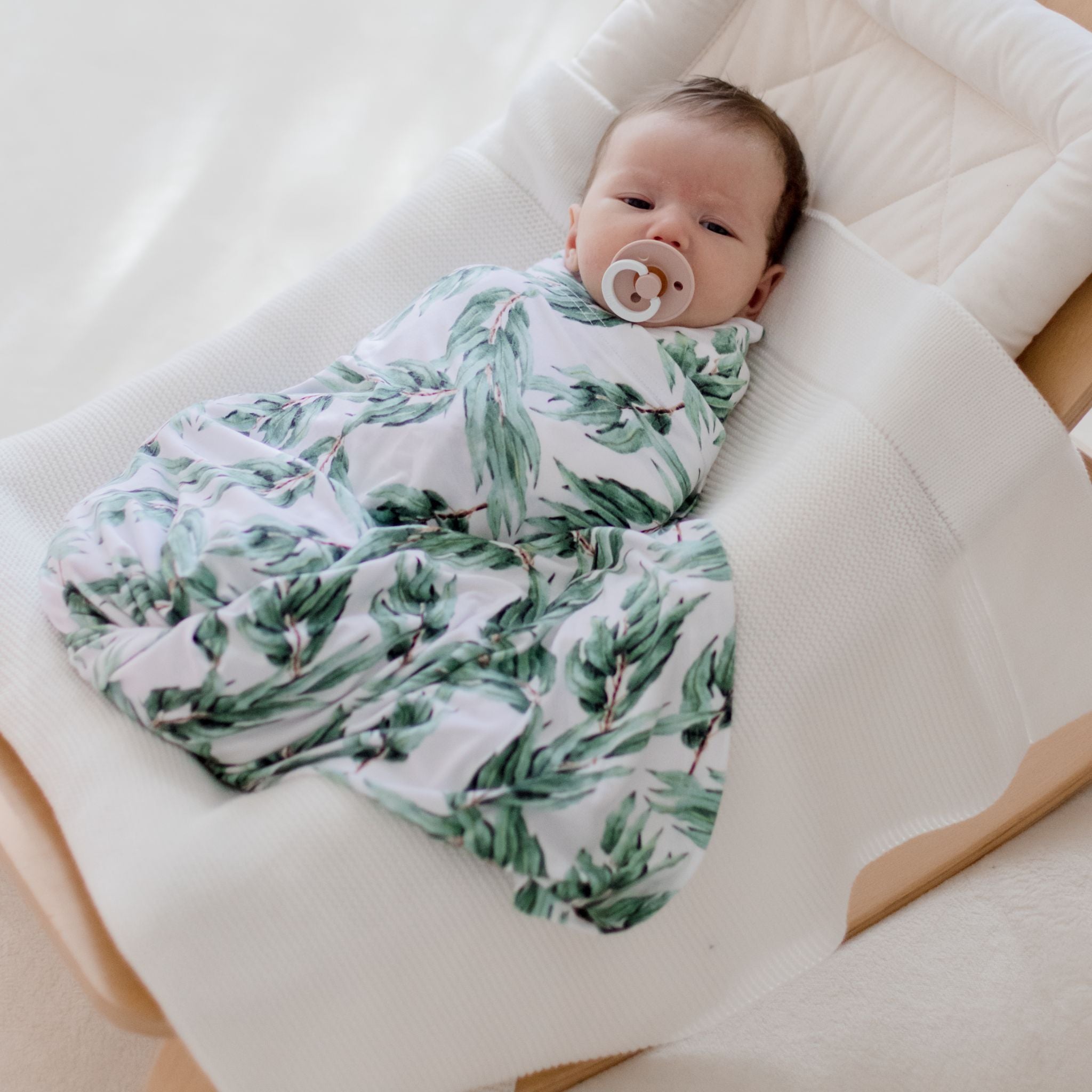
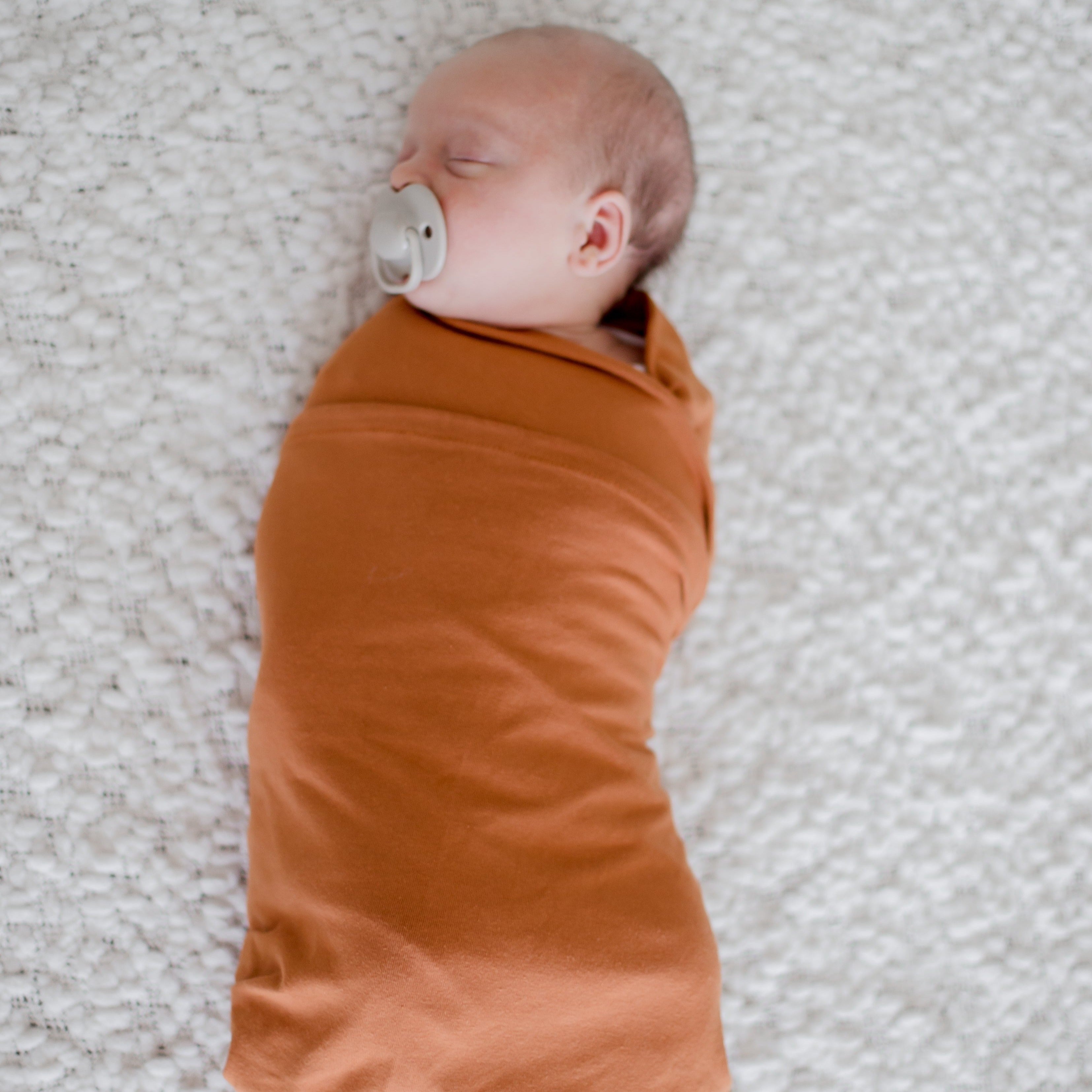
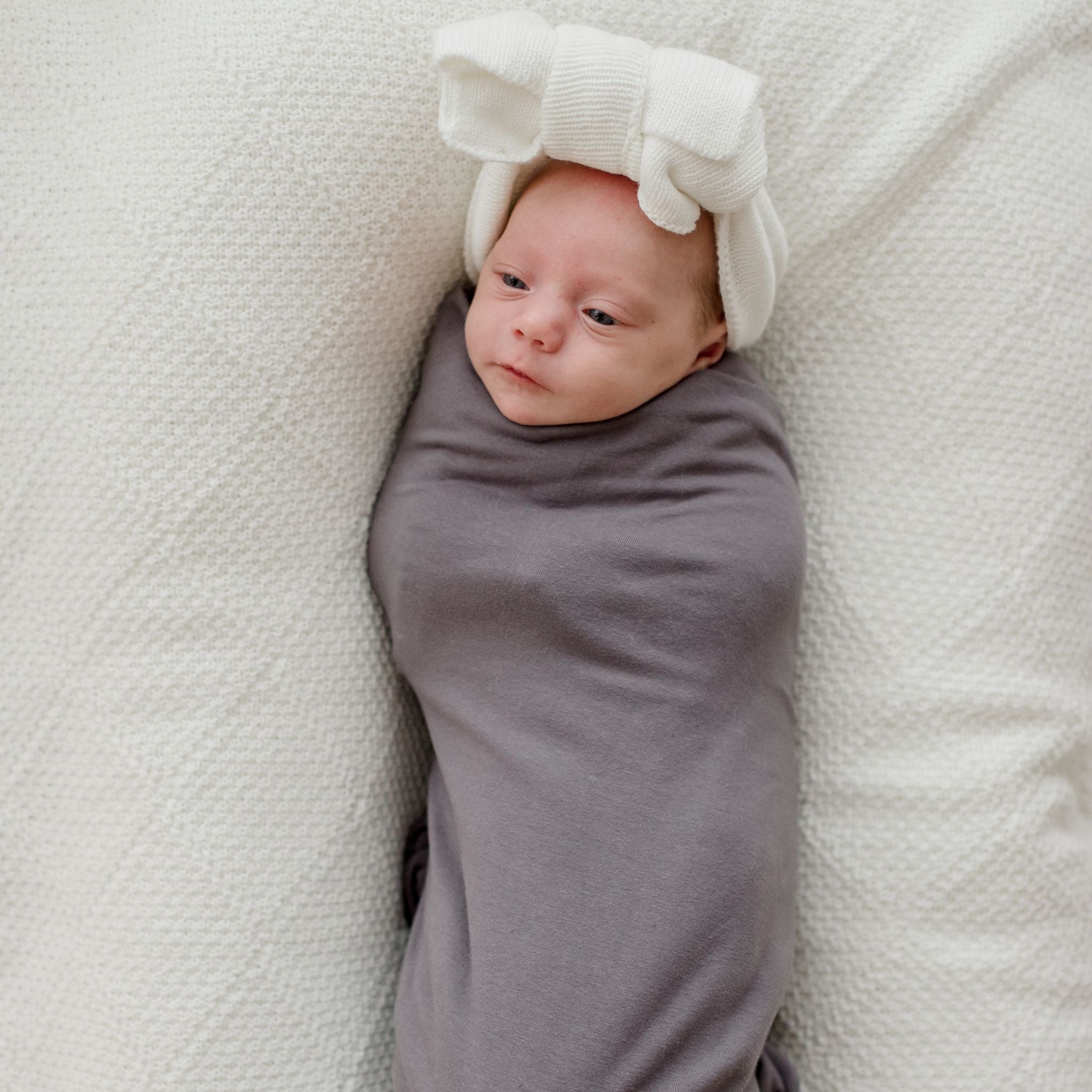
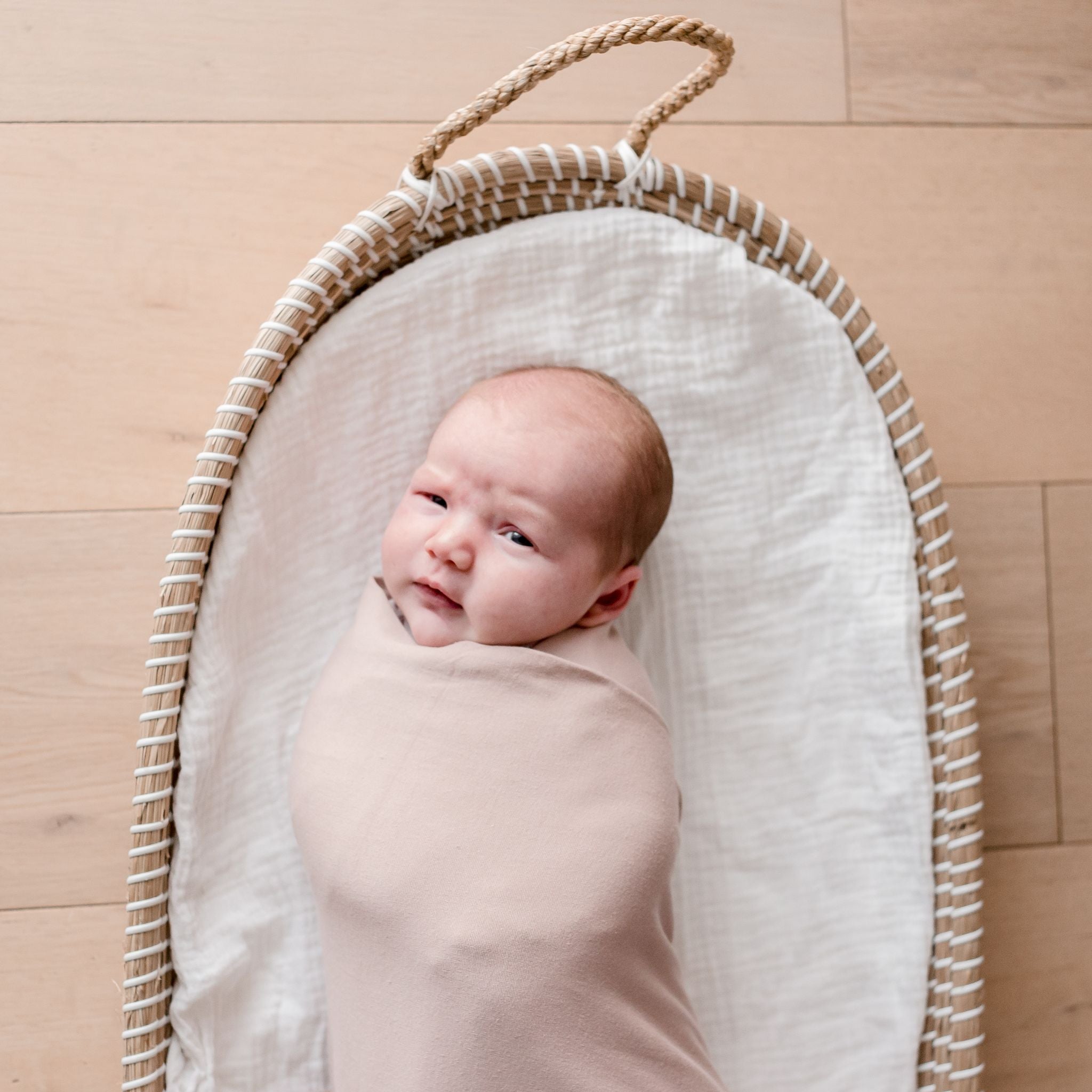
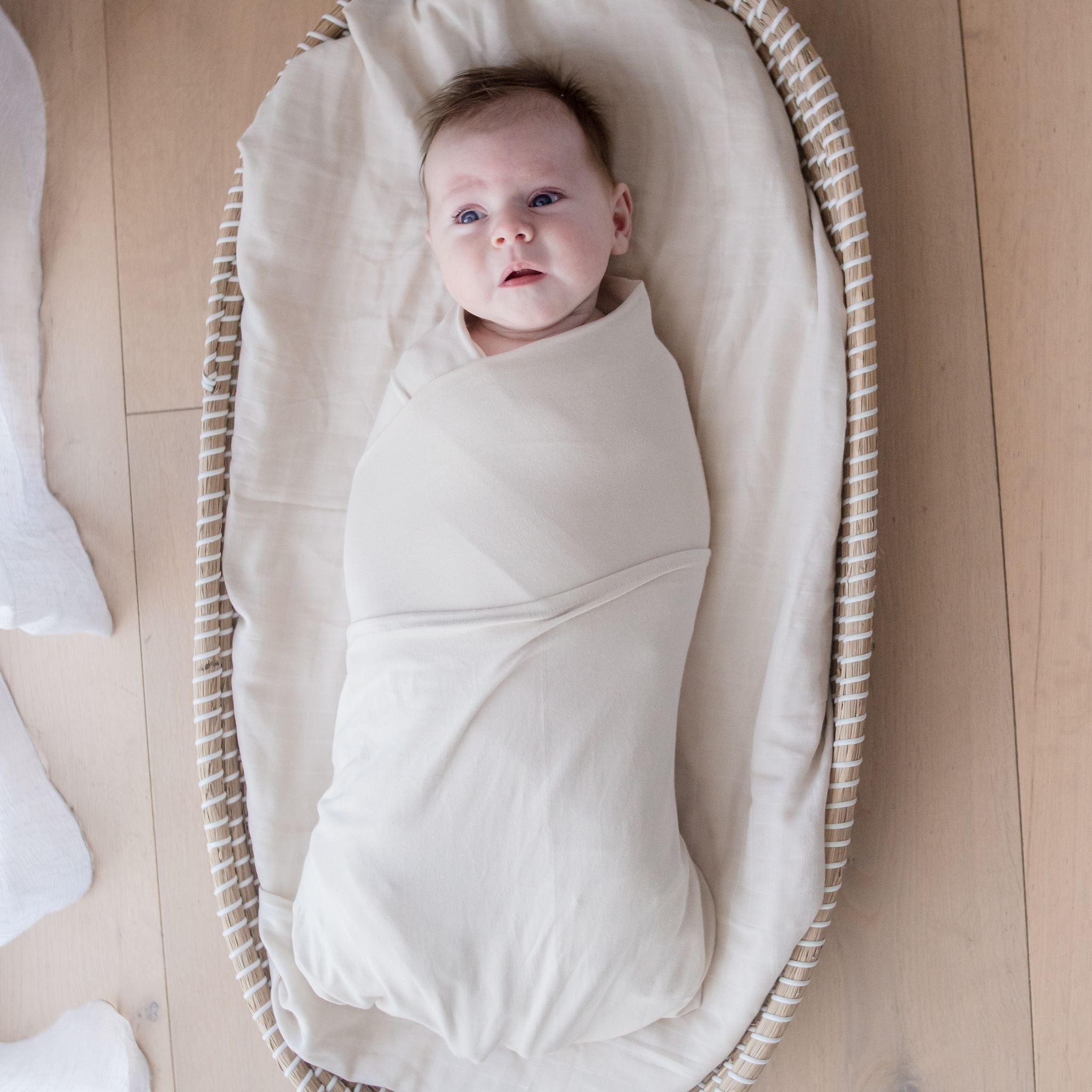
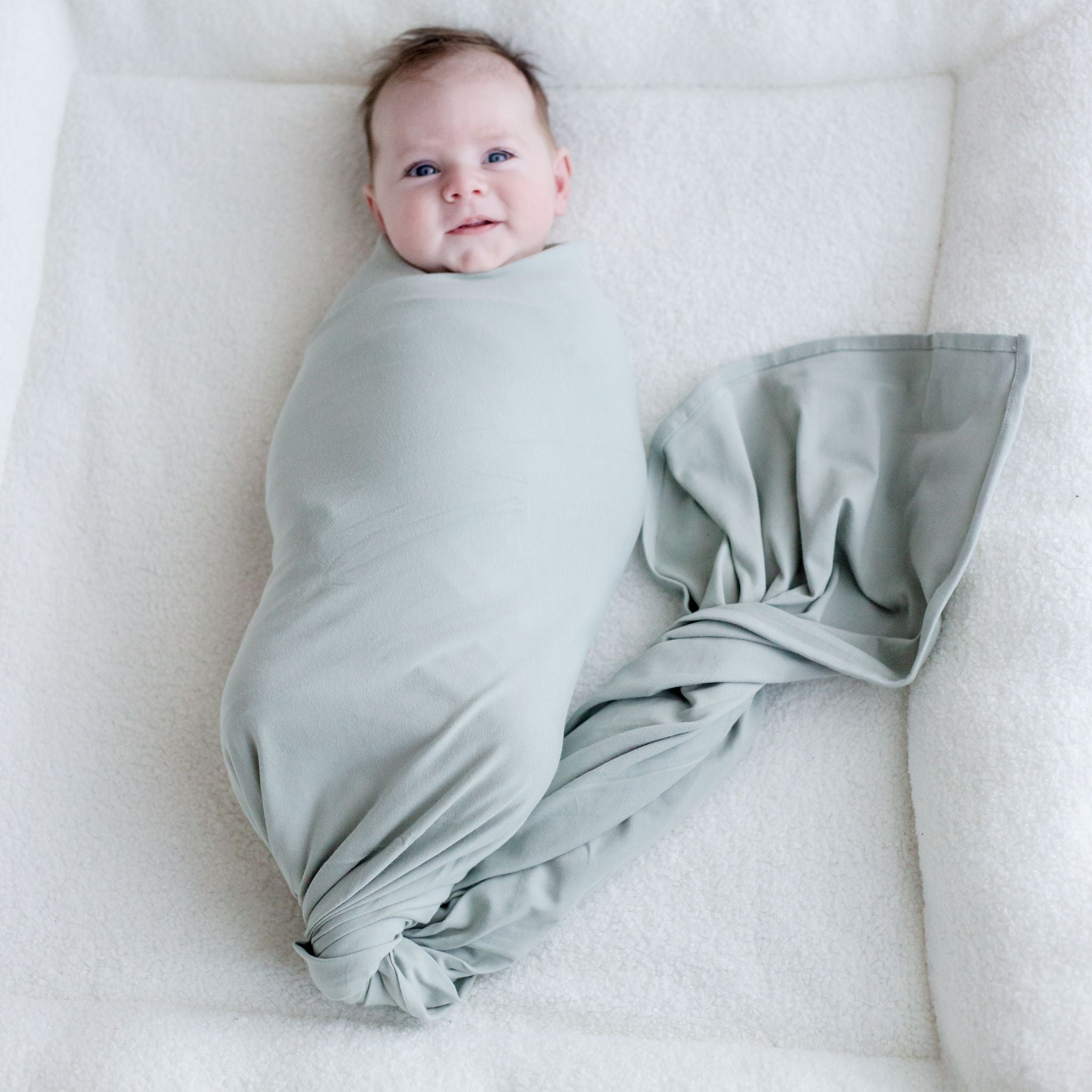
- Stretchy swaddle wraps in Sage Green and Oat, soft on brand new skin and simple to use when you have had zero sleep
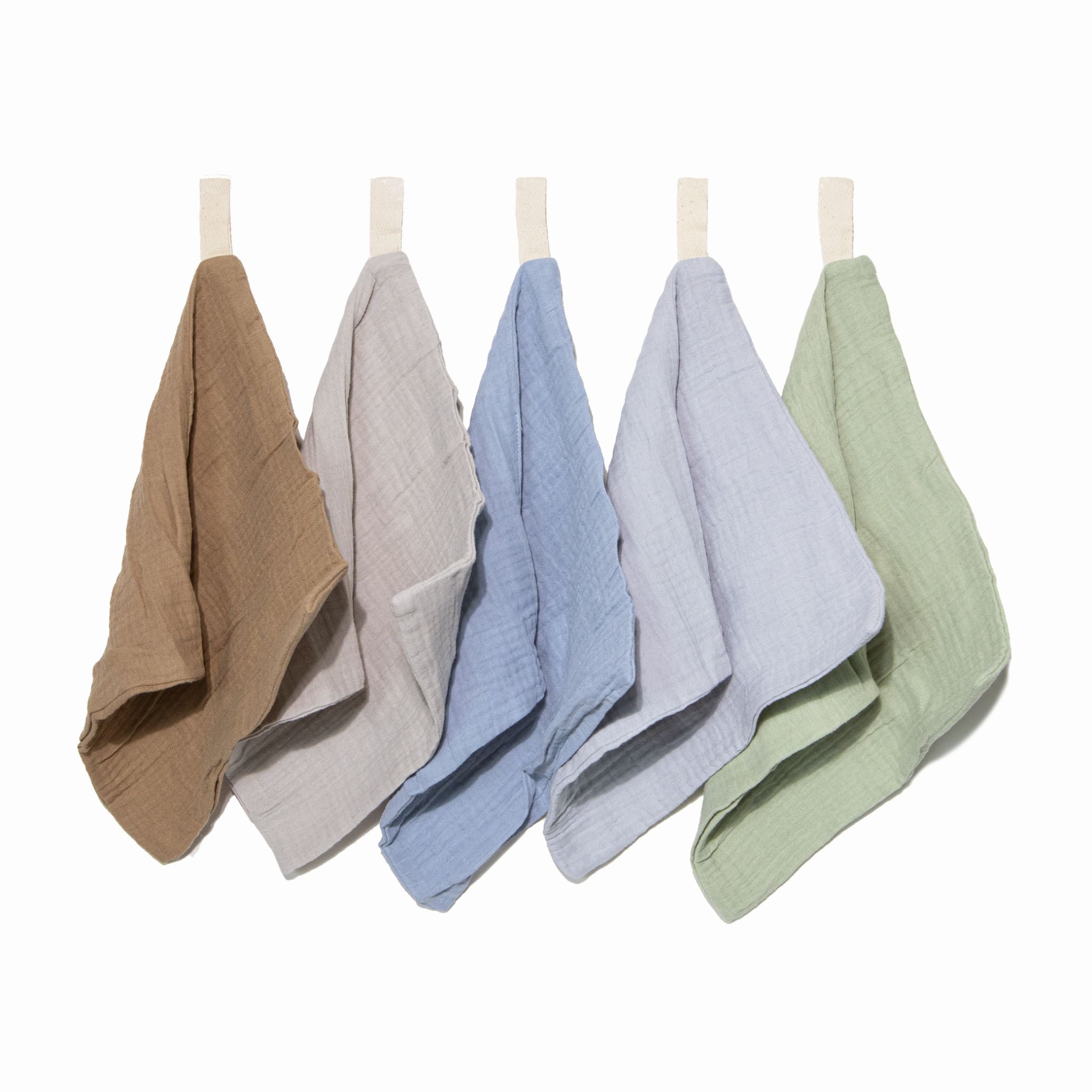
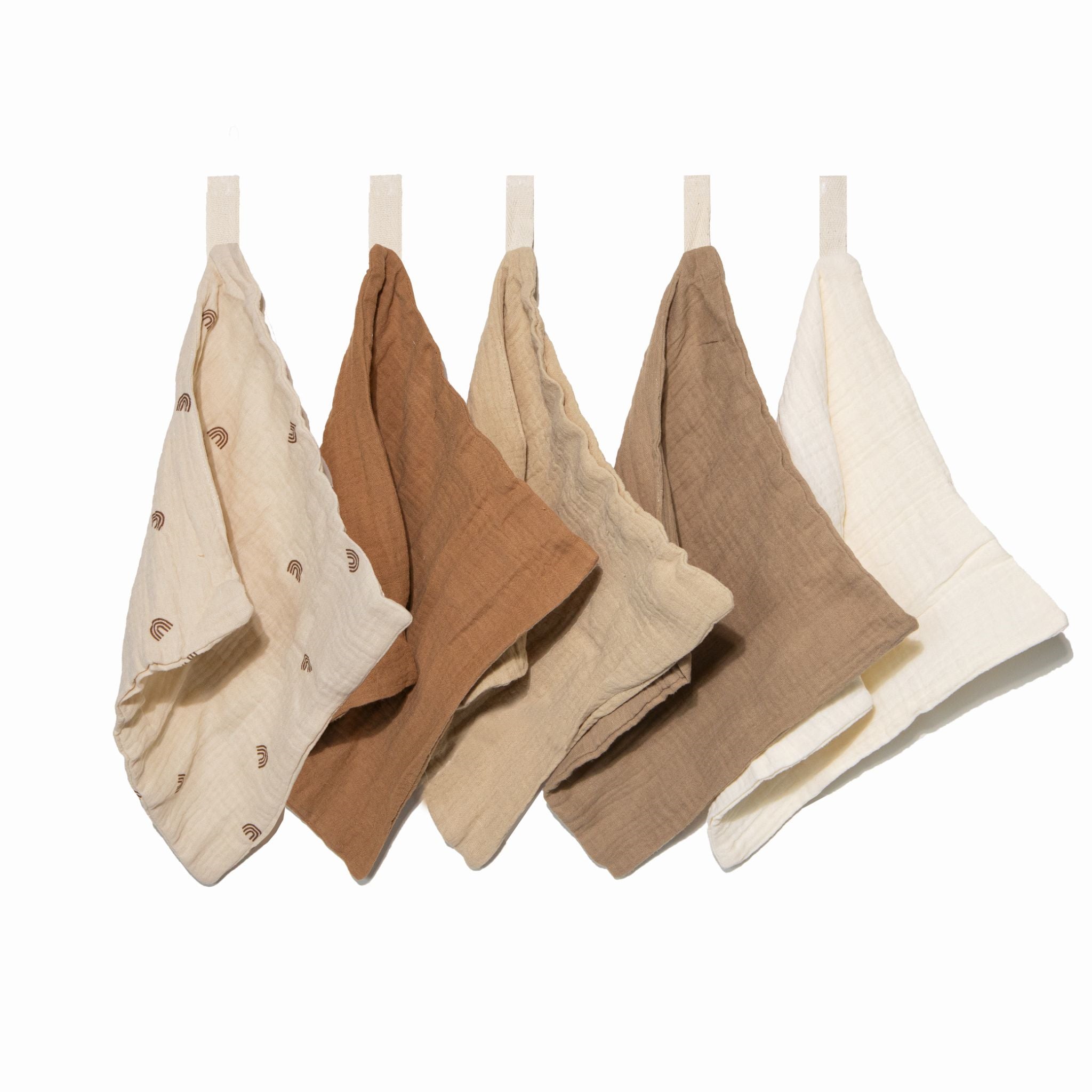
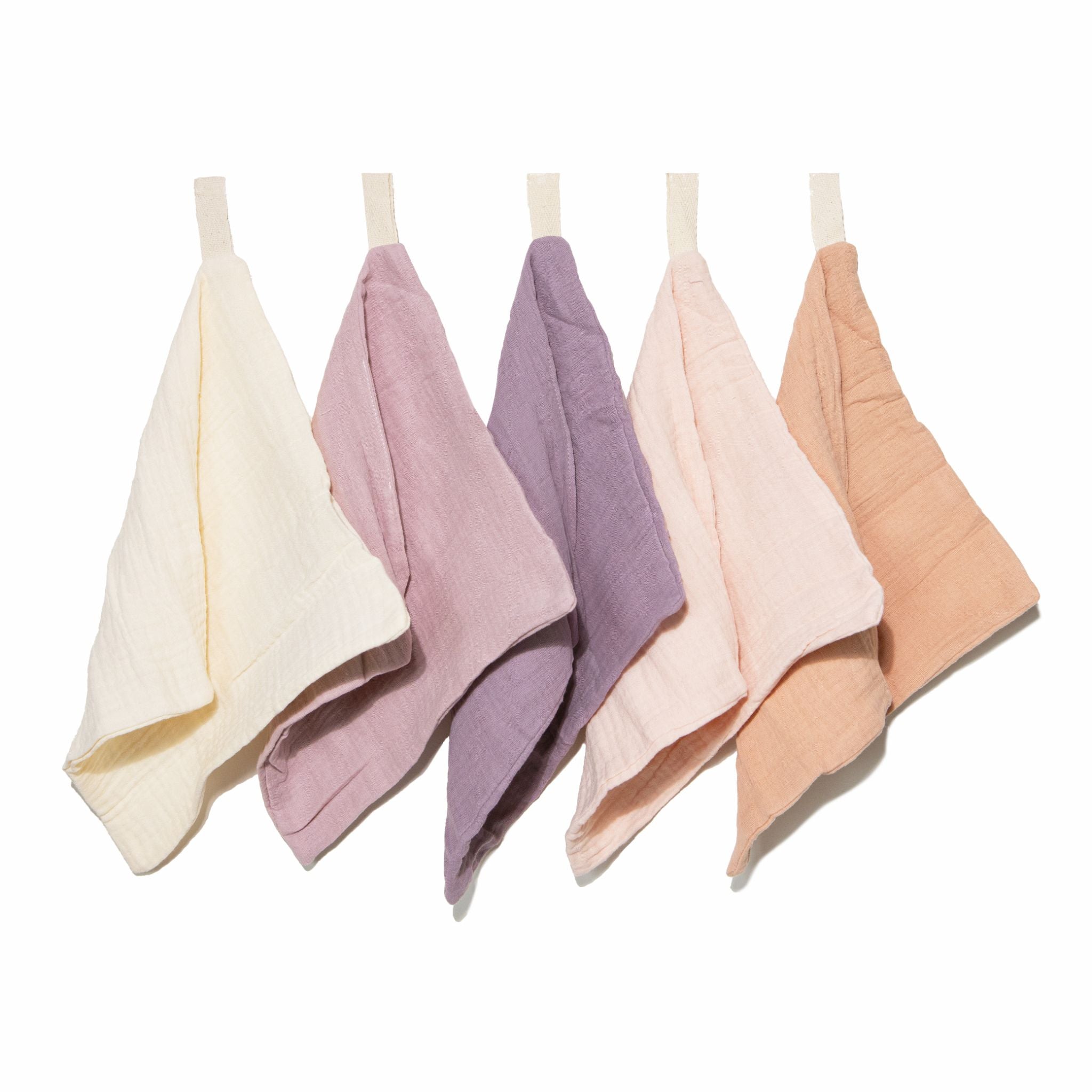
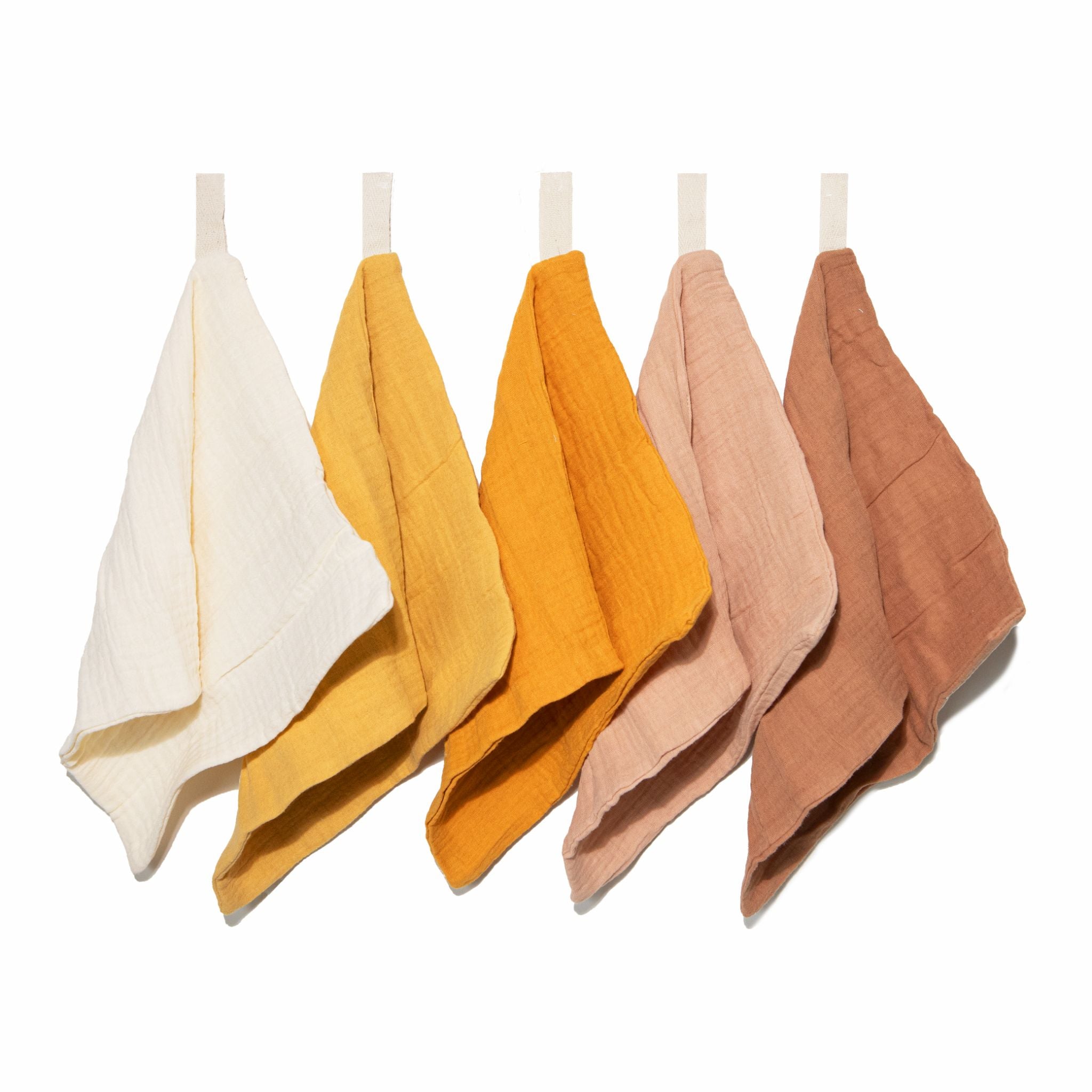
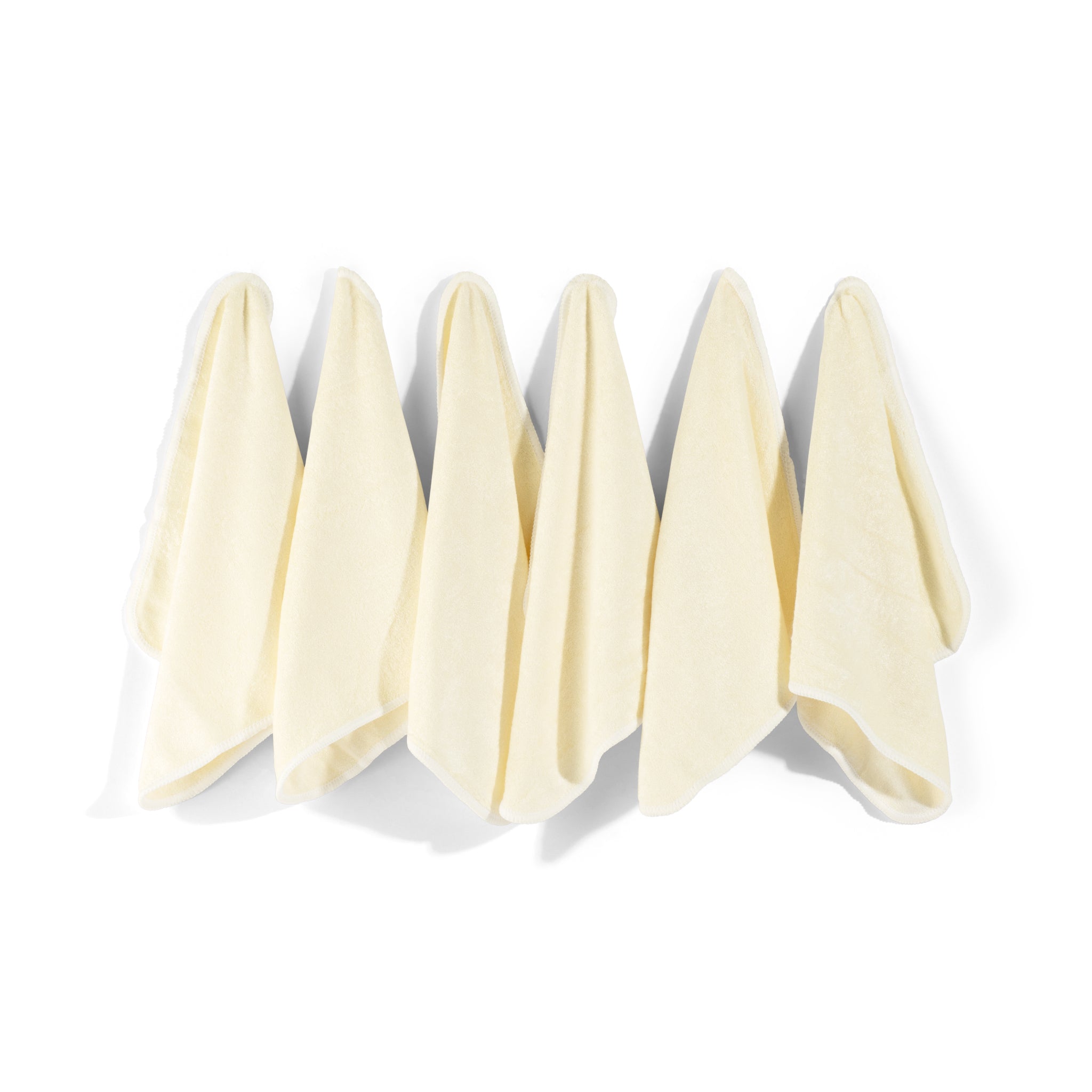
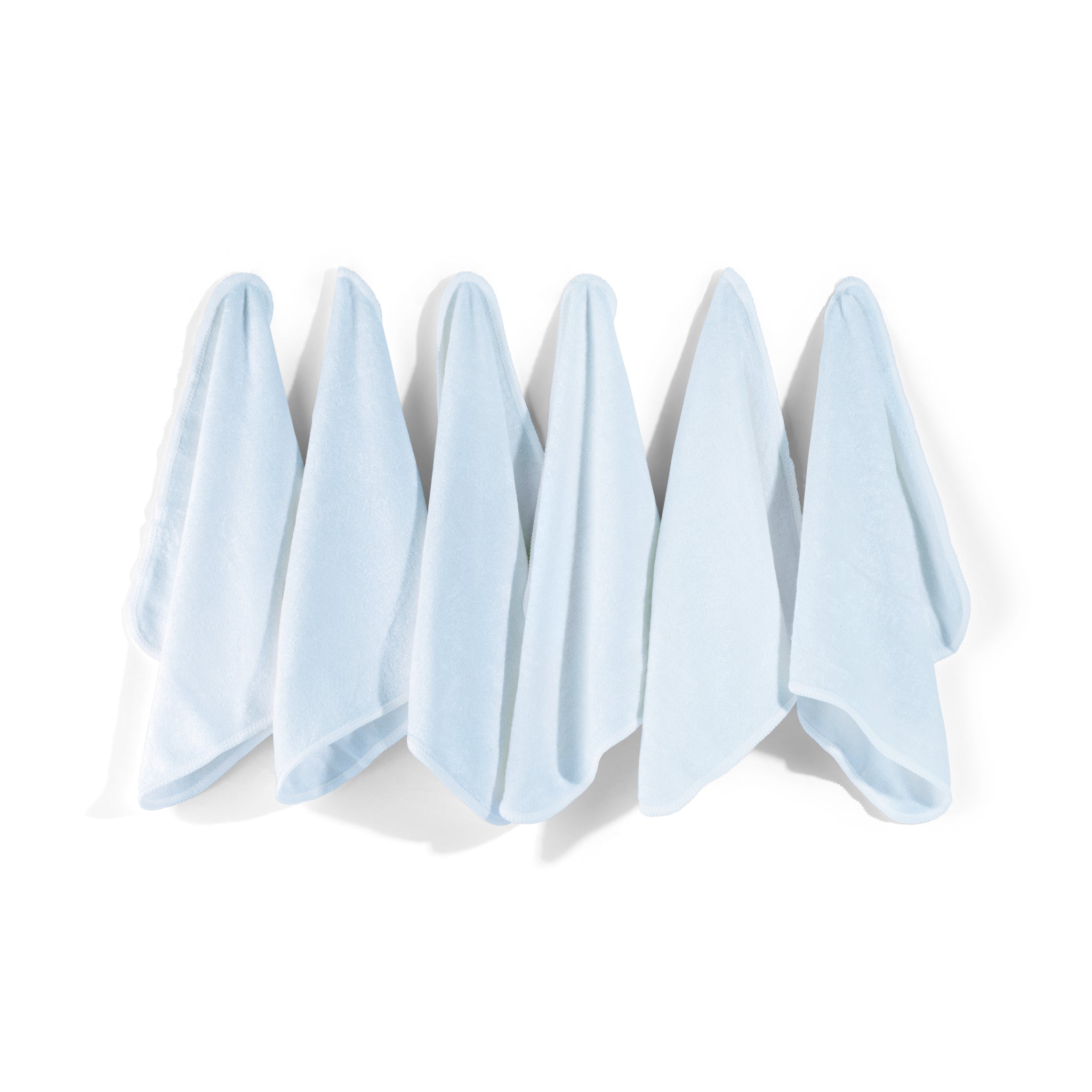
- Organic muslin wash cloths in Dusty Dunes and Lavender Blush, gentle enough for a newborn's face and useful for every little mess
- Beautiful neutral colours that go with everything and photograph beautifully in those first fresh hours
What to Pack for You
Your comfort matters too. The days after birth are tender ones.
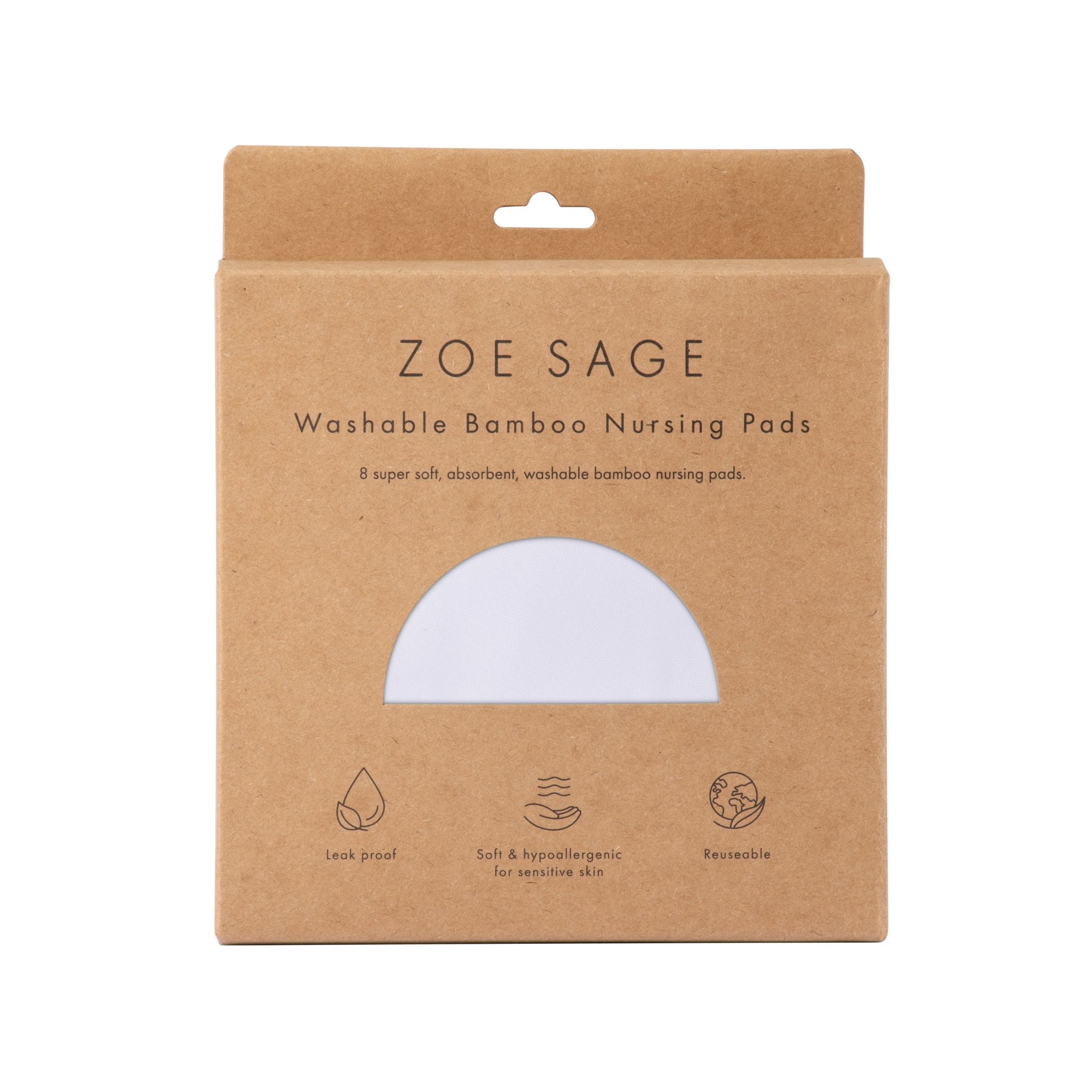
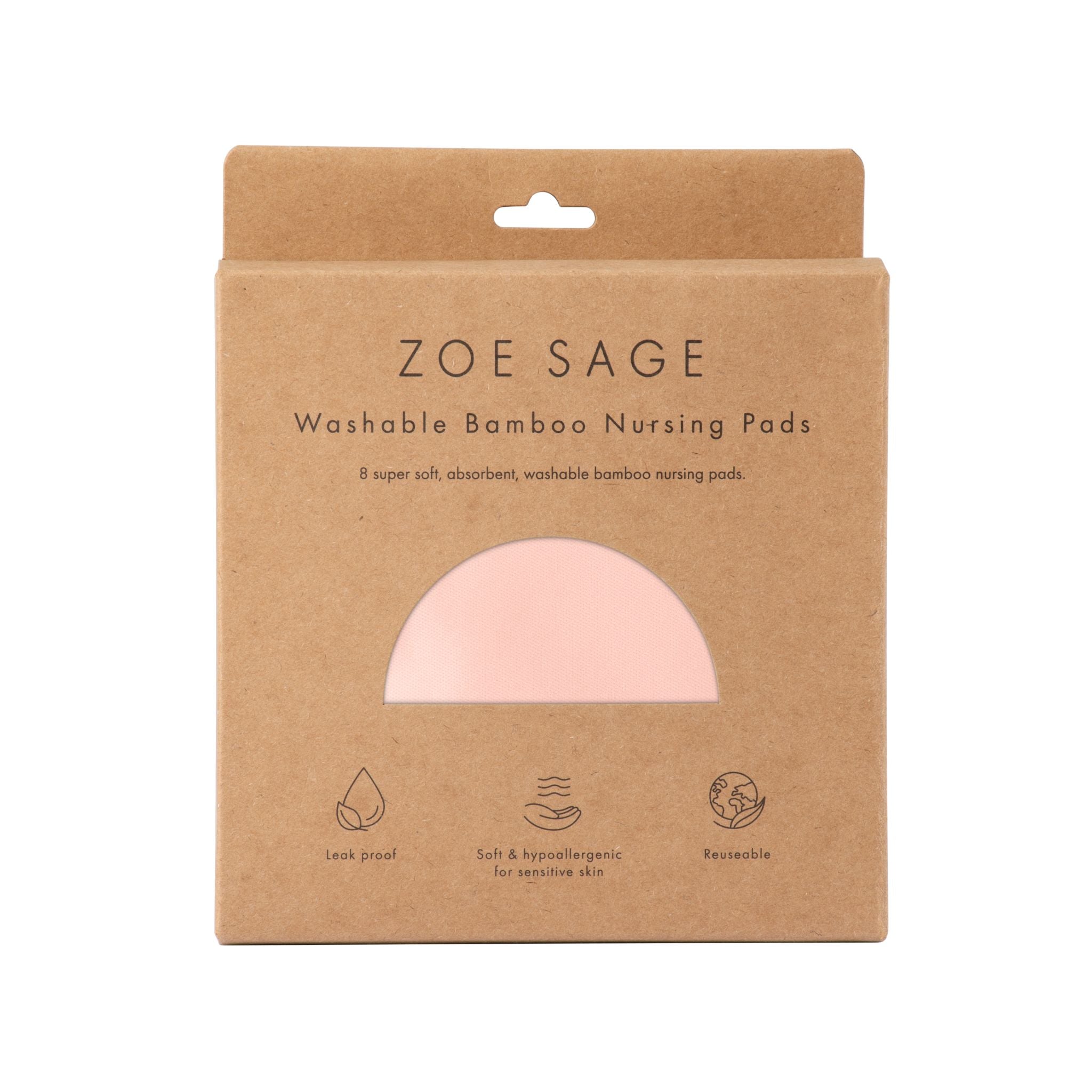
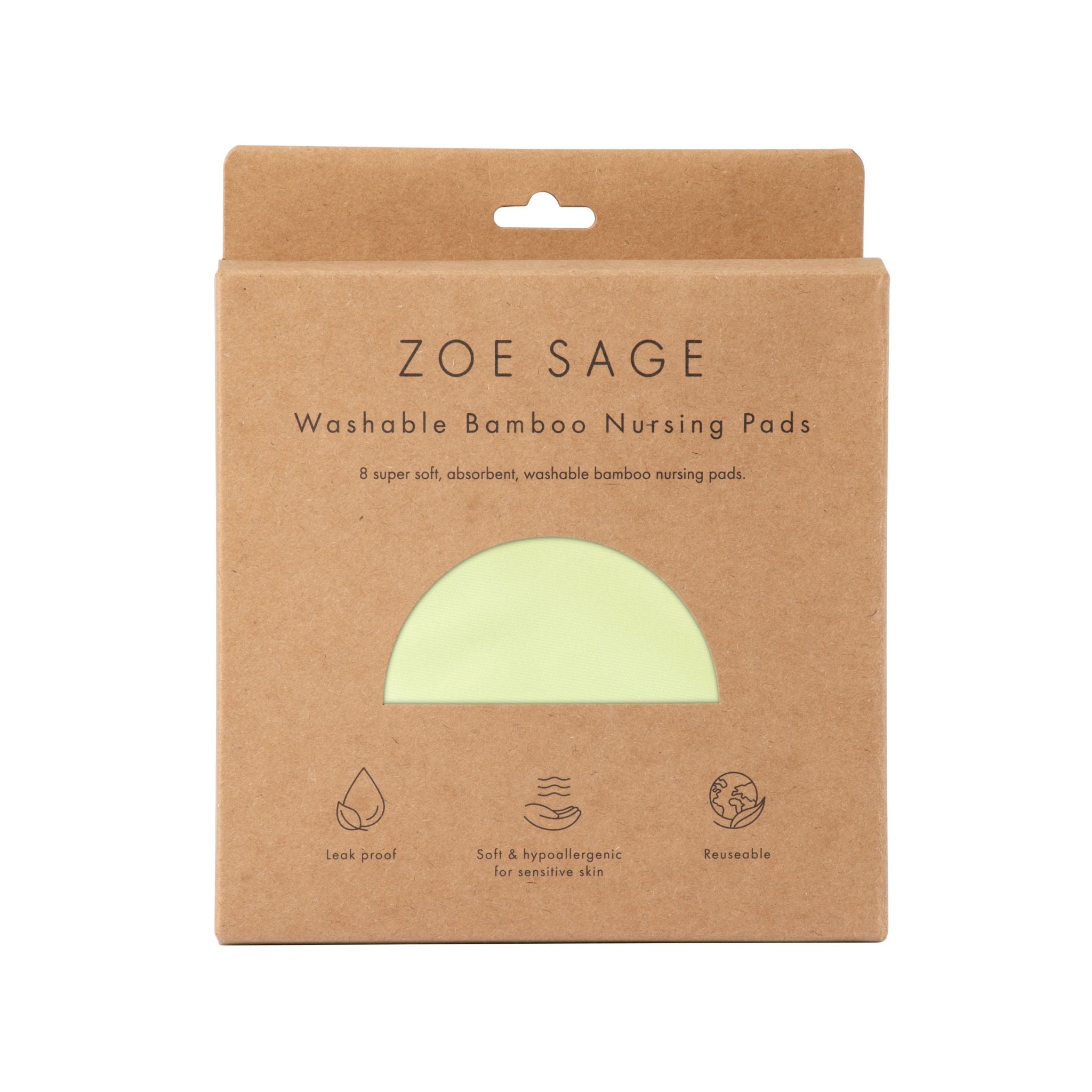
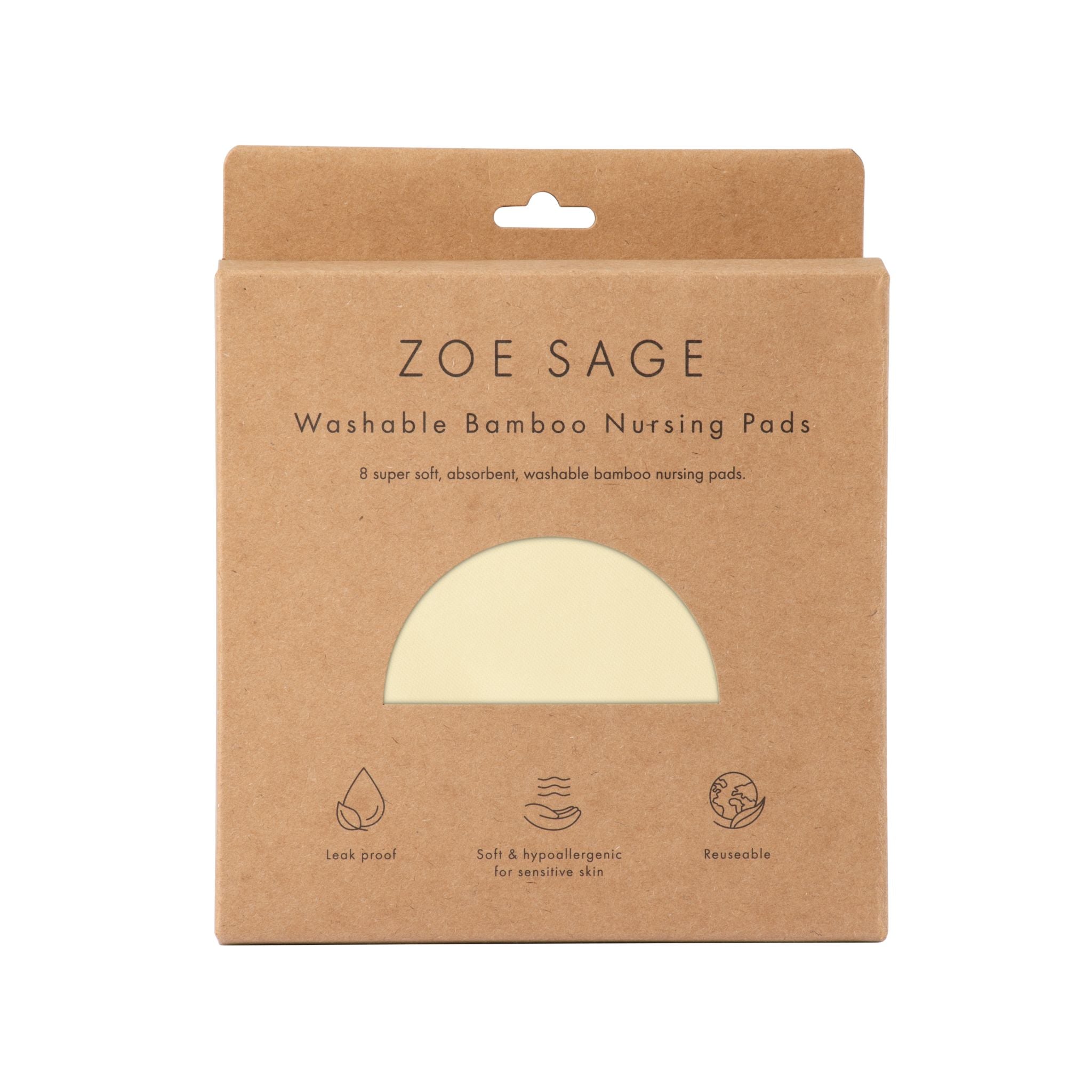
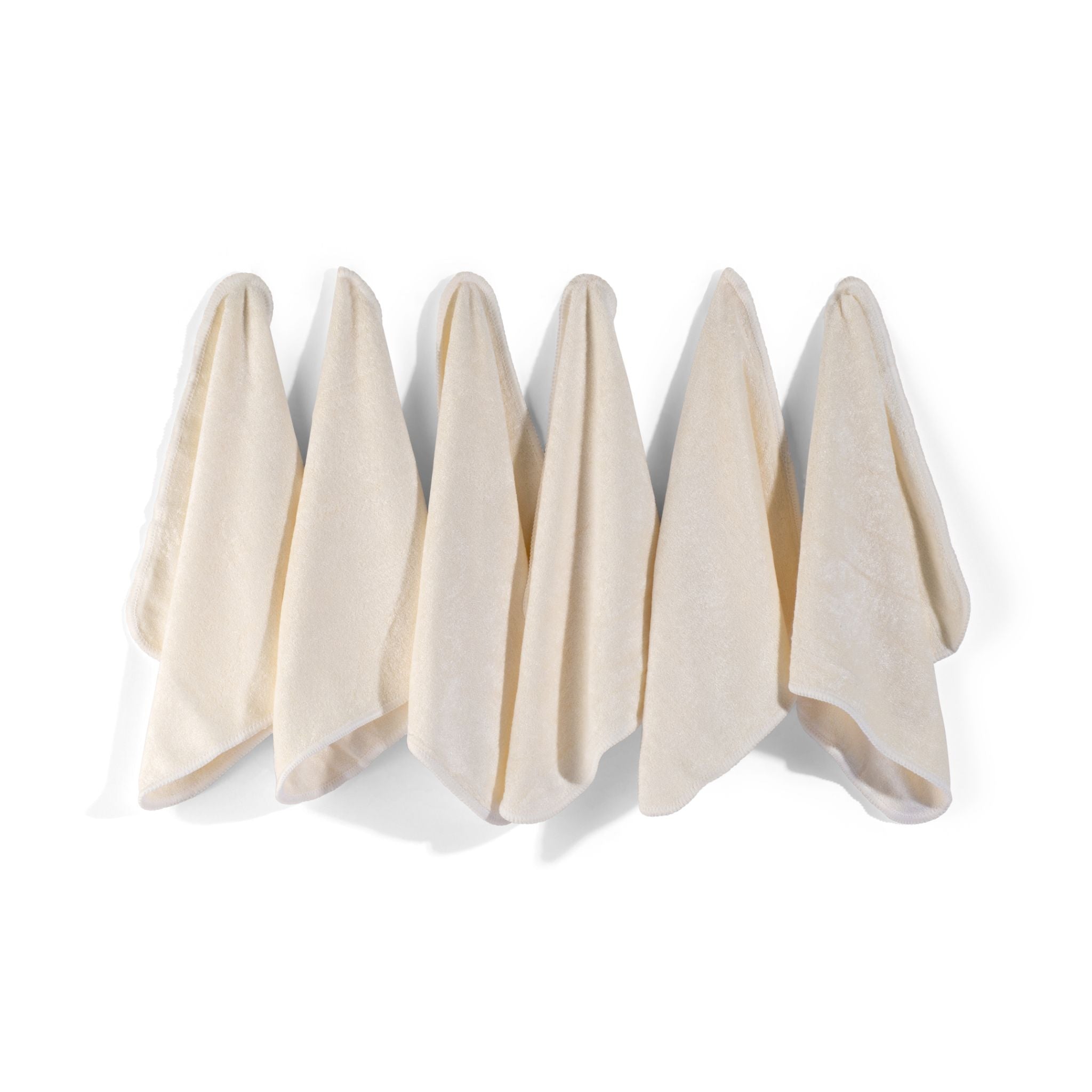
- Washable bamboo nursing pads keep you comfortable and dry as your milk comes in
- Eight pads per pack means enough to rotate without running out
- Soft, reusable and kind to sensitive skin
Why This Edit Works
Every product here was chosen because it earns its space. No bulk. No items that sit untouched at the bottom of the bag.
- Gentle enough for newborn skin from day one
- Compact and easy to pack without overstuffing
- Organic and natural materials where it counts most
- Designed to keep going long after you come home
Pack once, pack well. This edit has you covered.
Free AU shipping on orders over $100.
Reusable Bamboo Nursing Breast Pads
Stay dry and comfortable with soft, washable bamboo pads designed for everyday breastfeeding.
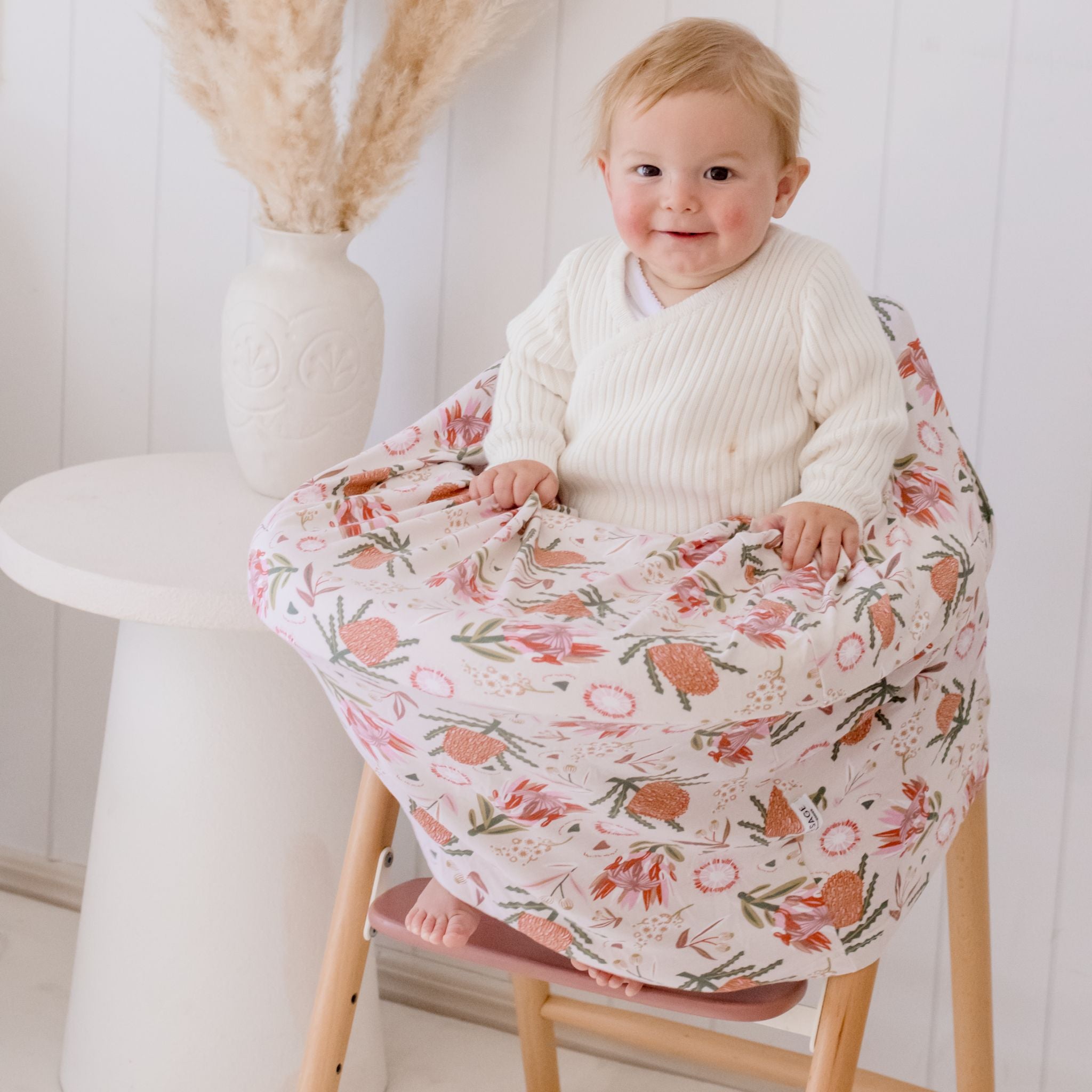
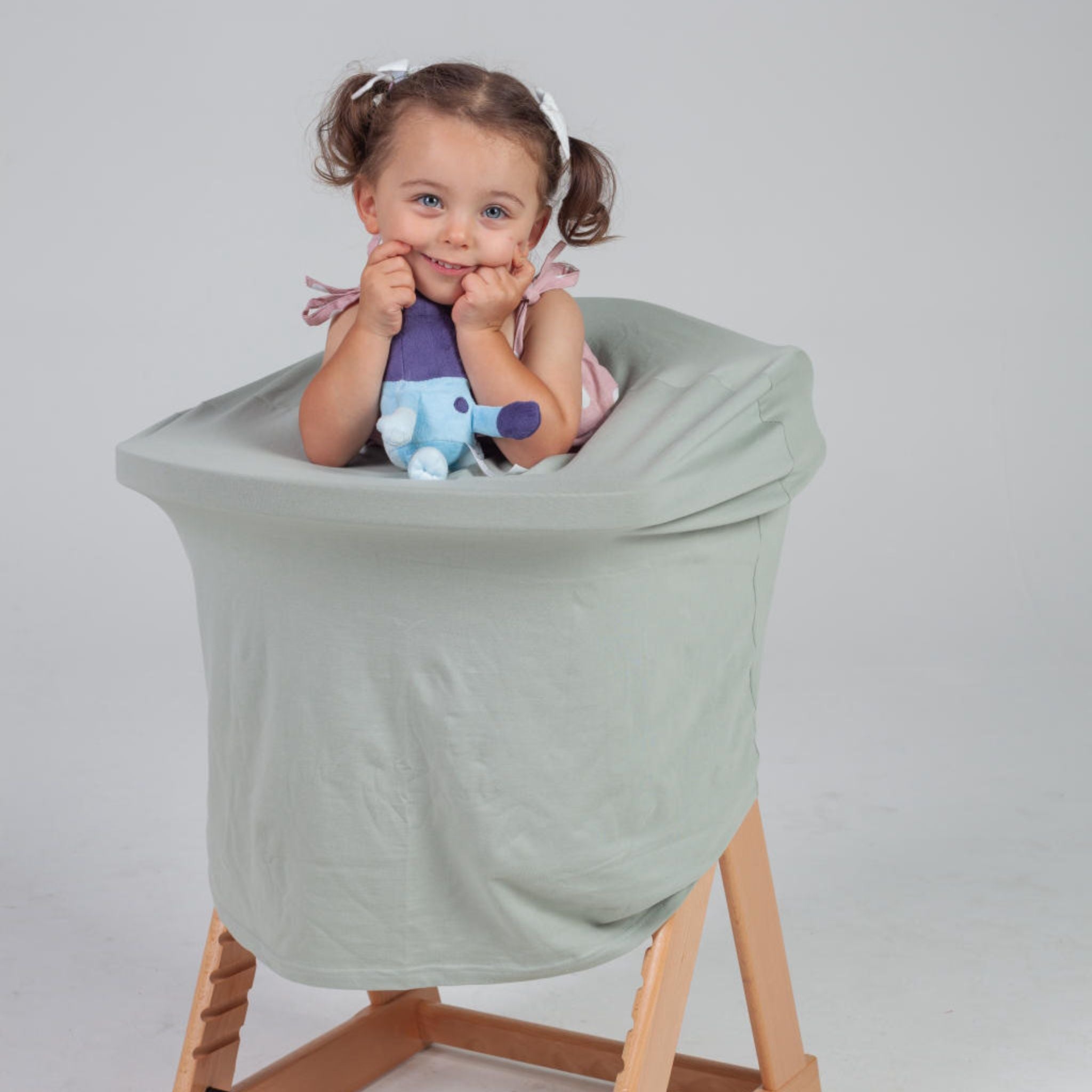
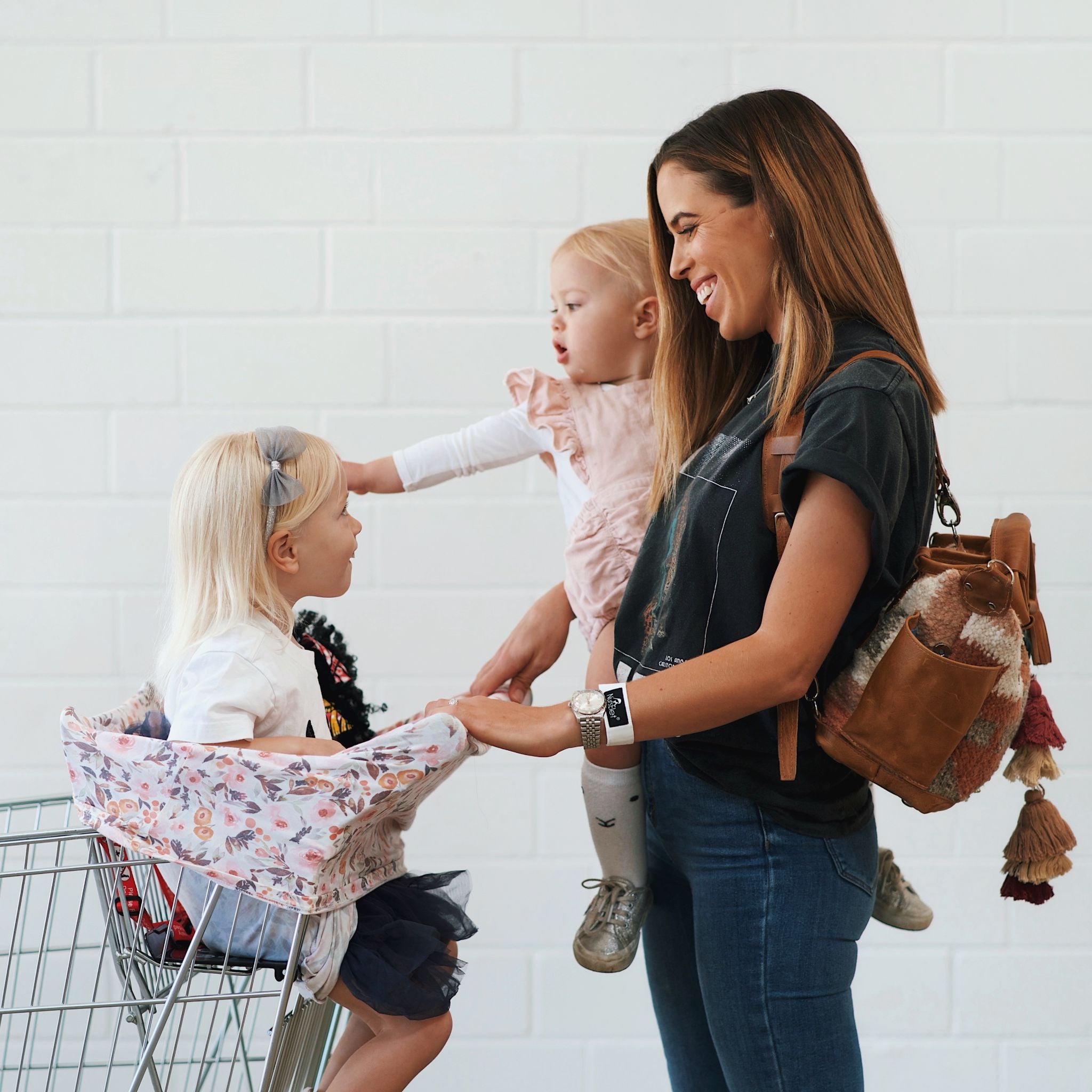
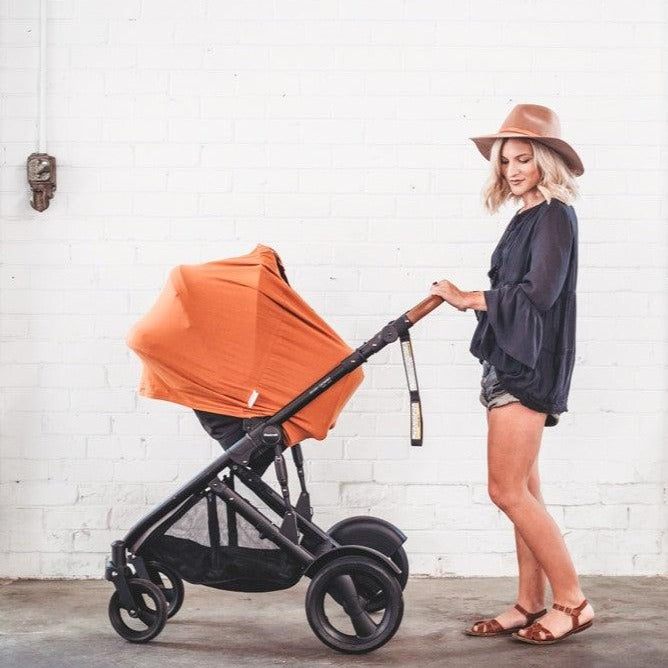
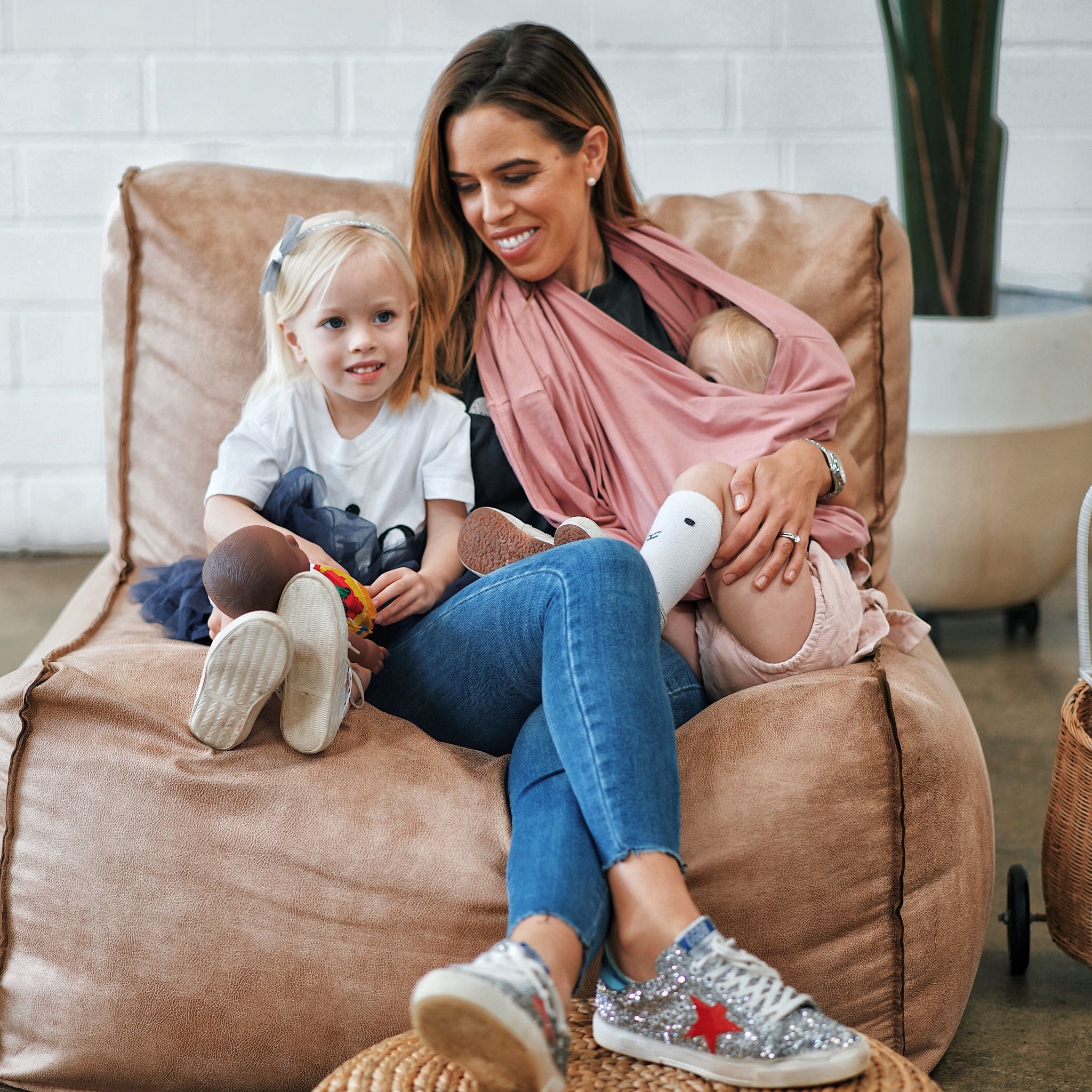
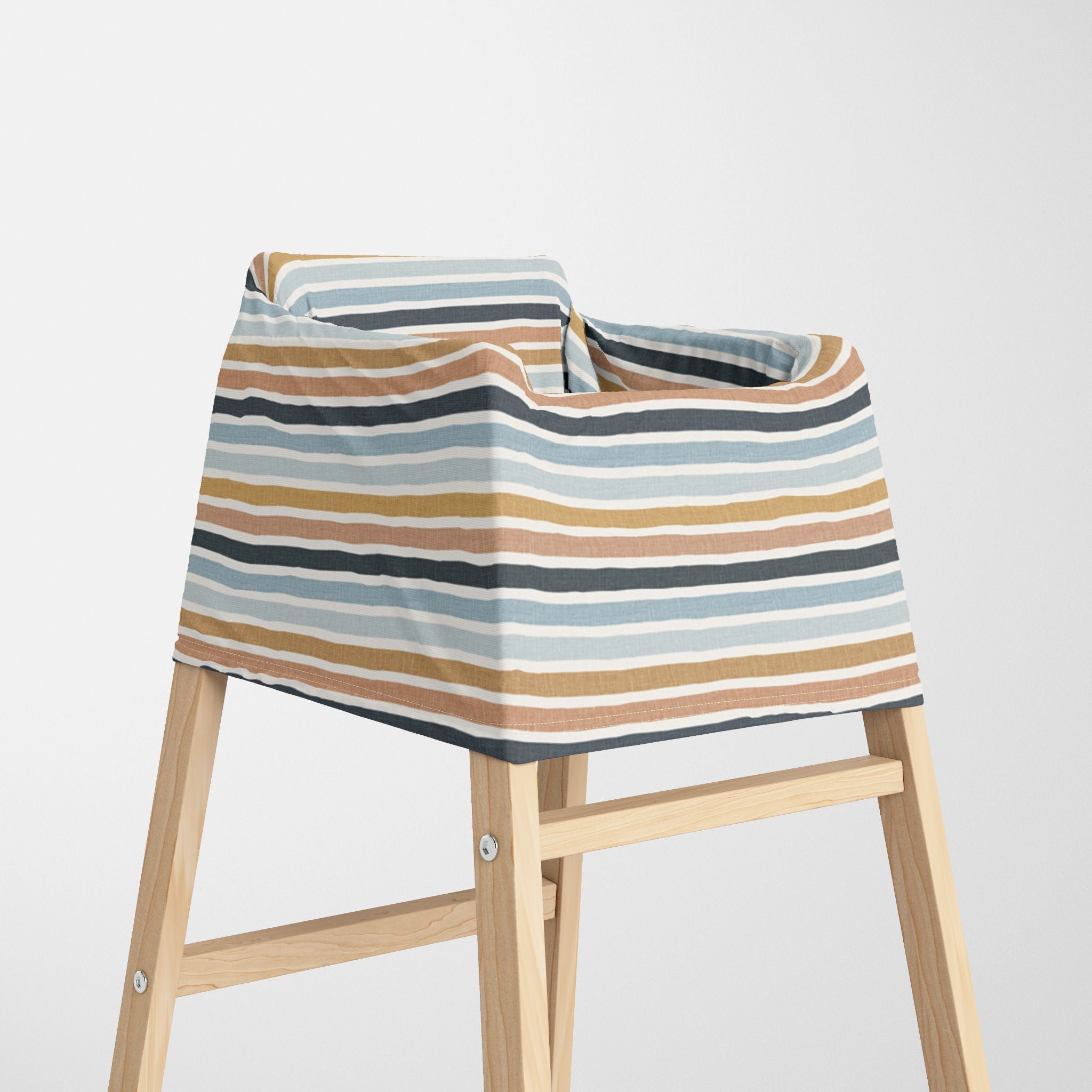
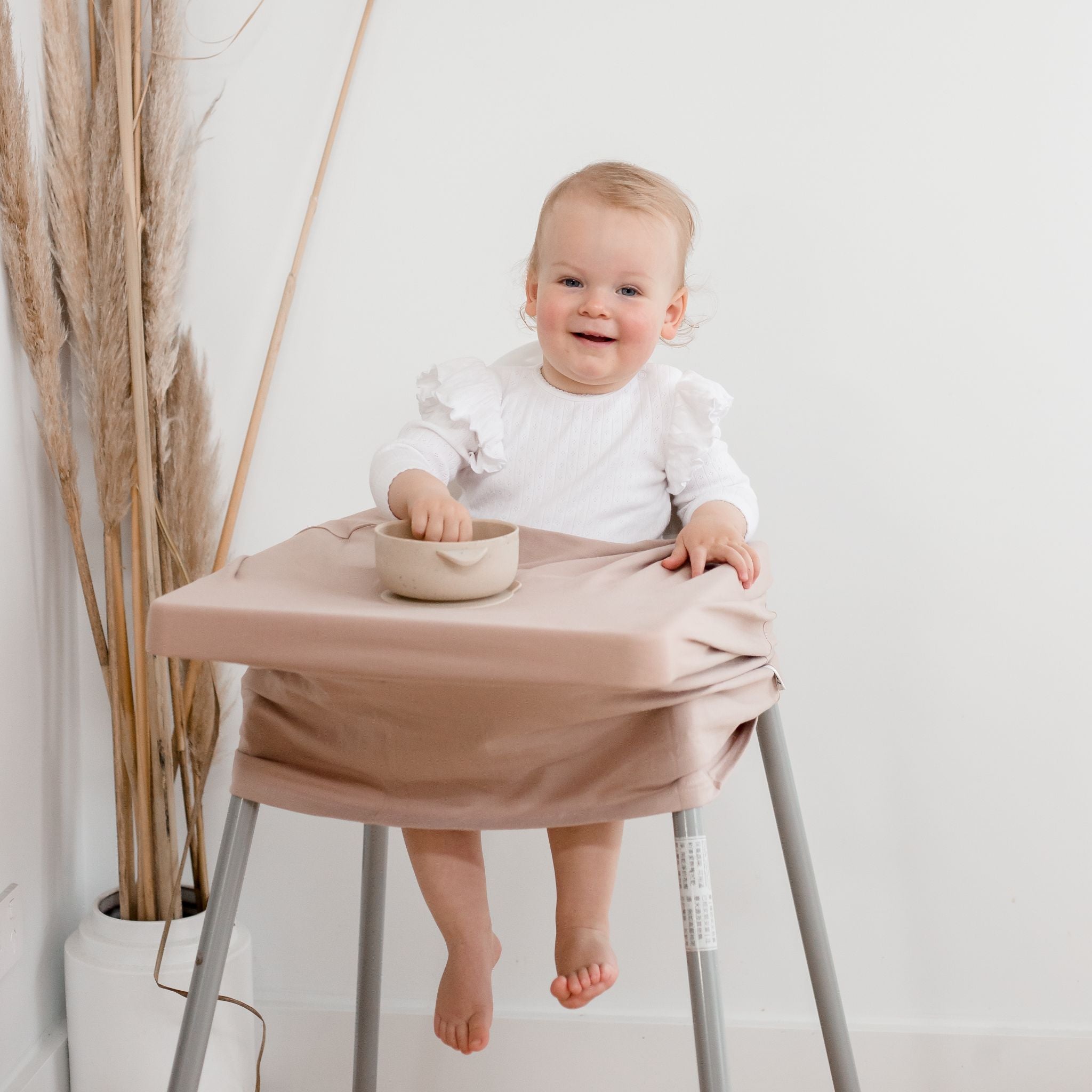
5 in 1 Multi Use Nursing Mama Covers
A versatile cover for breastfeeding, babywearing, car seat and more.

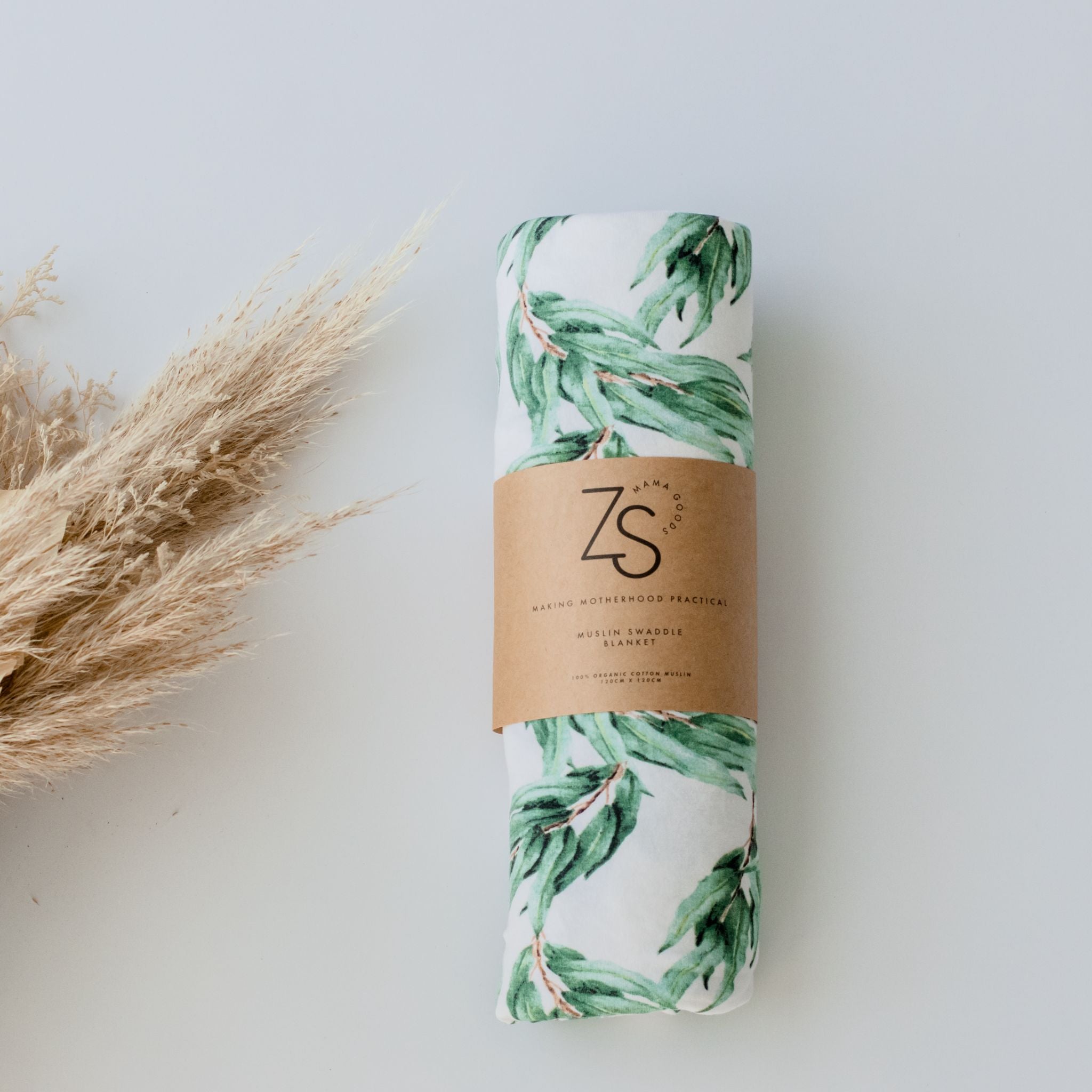
Organic Muslin Swaddle Wraps
Made from breathable 100% GOTS-certified organic cotton

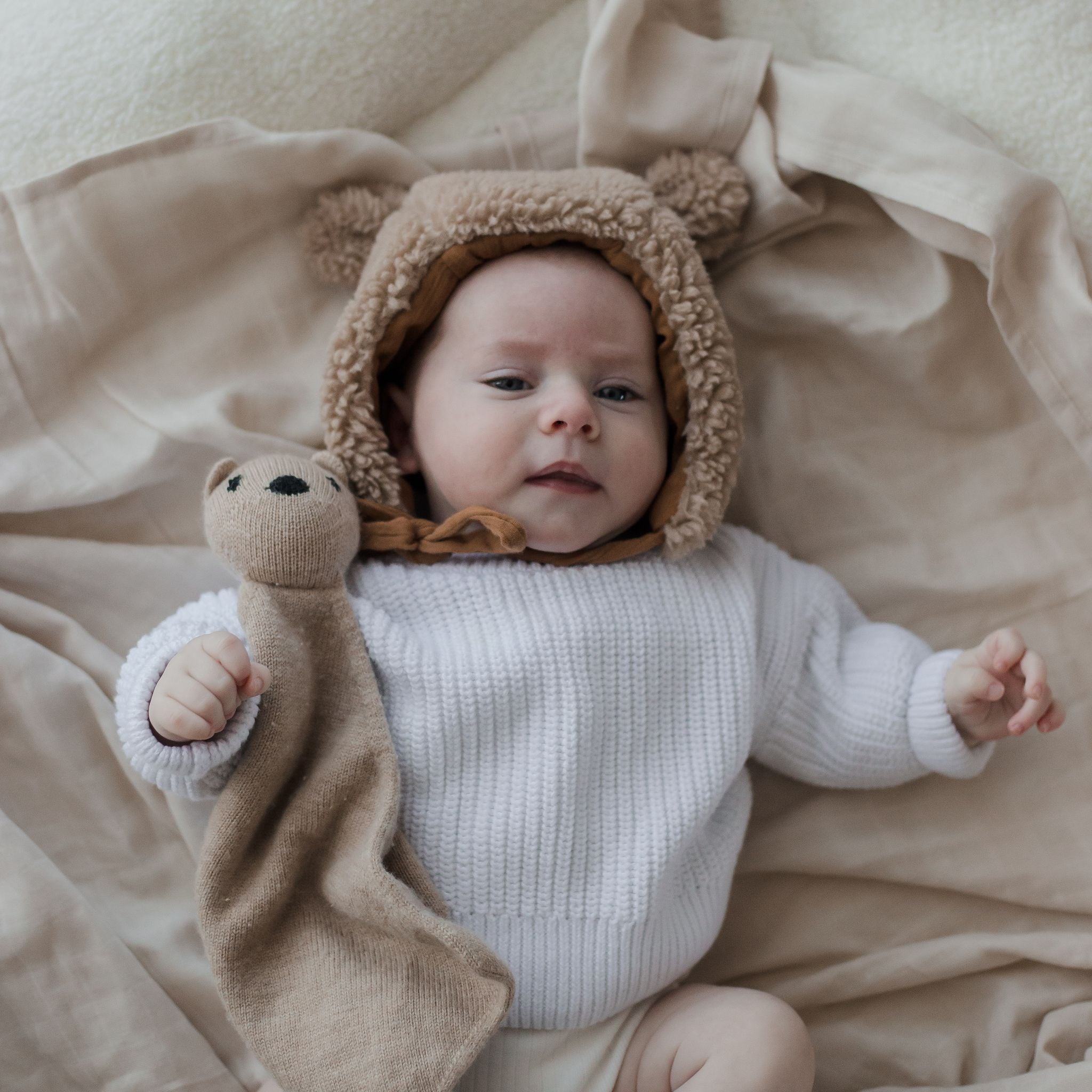

Stretchy Swaddles
Ultra-stretchy swaddles designed to keep your baby cozy and secure.
Organic Baby Washcloths & Face Towels
Gentle Organic Baby Washcloths & Face Towels, Soft, Safe & Sustainable

Hospital Bag Packing — Your Questions Answered
When should I pack my hospital bag?
What should I pack for feeding in hospital?
How many outfits should I pack for my newborn?
Do I need to bring a swaddle to the hospital?
What do I need to pack for my own recovery in hospital?
Should I pack for a longer stay just in case?
What's the most important thing to pack that people forget?
More to Love
You May Also Need