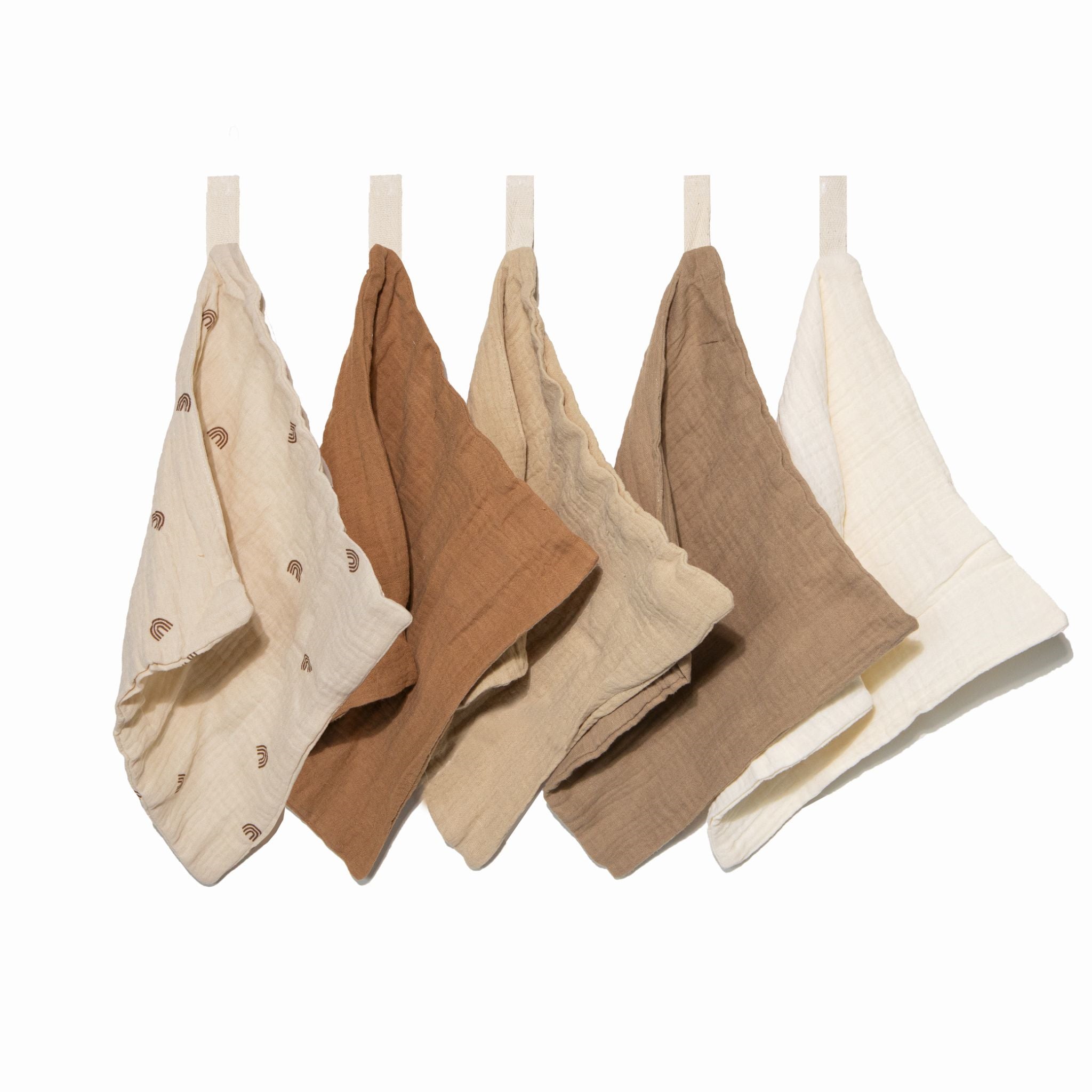

Rompers are one of the most searched and most bought items in baby clothing, and for good reason. But parents often wonder when to move on, and what to reach for next. This guide covers everything you need to know, including what a romper actually does (for those asking a quoi sert une barboteuse), when babies typically stop wearing them, and what works better as your little one grows.
What Is a Romper and What Is It Used For?
A romper is a one-piece garment that covers the torso and has short or long legs. It snaps or zips at the crotch for easy nappy changes. Simple, practical, and designed to stay put.
For anyone asking a quoi sert une barboteuse, the answer is this: a romper keeps a baby comfortable, covered and easy to dress without the faff of matching separates. It sits snugly against the body without riding up, which matters a lot when your baby is wriggling, rolling or being carried.
- Minimises skin irritation by removing waistbands from the belly
- Keeps the core warm without bulk
- Reduces the number of pieces to wash and match
- Stays neat during tummy time and floor play
A romper is not just a fashion choice. It is genuinely functional clothing built around how babies actually move and live.
Romper vs Bodysuit: What Is the Difference?
This comes up a lot, especially for parents comparing strampler vs body or romper versus onesie. Here is the simplest breakdown.
- A bodysuit (or body) snaps at the crotch and is worn as a base layer under pants or shorts. It has no leg coverage on its own.
- A romper is a complete outfit. It has legs, either short or long, and can be worn on its own.
Both are practical. A bodysuit is great for layering. A romper works as a standalone outfit, especially in warmer months. Many parents use both depending on the season and the occasion.
Are Baby Rompers Suitable for Sleeping?
Parents often ask: are baby rompers for sleeping? The short answer is yes, some rompers are perfectly fine for sleep, but not all of them.
For safe sleep, you want clothing that is snug-fitting, free of loose fabric, hoods, ties or decorative elements that could pose a risk. A simple cotton or organic cotton romper with a zip or snap closure works well. Avoid rompers with buttons that could come undone, or anything with embellishments near the face.
In cooler months, layer a fitted romper under a sleep sack rather than adding a blanket. In summer, a light cotton romper on its own is often enough. Always follow your local safe sleep guidelines and check that the fabric is breathable.
When Do Babies Stop Wearing Rompers?
There is no hard rule. Most babies wear rompers comfortably from newborn through to around 12 to 18 months. After that, the transition usually happens naturally for a few practical reasons.
As your baby becomes more mobile, crawling and pulling to stand, some rompers can feel restrictive around the crotch and thighs. Two-piece outfits give more freedom of movement without that tightness.
When toilet training begins, usually between 18 months and 3 years, rompers become genuinely less practical. Getting a toddler in and out of a one-piece quickly is a challenge when they are learning to use the toilet independently.
Children also start developing clothing preferences earlier than most parents expect. Letting your toddler choose between a romper and a pair of shorts can be a small but meaningful way to support their growing sense of self.
That said, rompers still work beautifully for many toddlers beyond 18 months, especially for relaxed days at home or beach outings. There is no need to rush the transition.
Choosing the Right Size: From 3 6 Month Rompers to 2T and Beyond
Sizing is one of the most common pain points in baby clothing. Babies grow fast and sizing is inconsistent across brands.
For a 3 6 month romper or a 6 month baby romper, check the weight and height guide rather than relying on the age label alone. A bigger baby may be in 6 to 9 month sizing by four months. A smaller baby may still fit a newborn romper at two months.
For a 2T romper, look for styles with some stretch and a roomier cut through the thighs. Toddlers at this age are active and need clothing that moves with them, not against them.
A general tip: size up when you are between sizes. A slightly larger romper with a snap closure is far more comfortable than one that pulls across the shoulders or gaps at the nappy.
What to Transition Into When Rompers No Longer Work
When your little one is ready to move on, these are the most practical options.
- Two-piece sets: A soft tee with a stretchy waistband pant is easy to get on and off, and gives toddlers more freedom to move and squat and climb.
- Jumpsuits: If you love the all-in-one simplicity of rompers, a jumpsuit is a natural next step. Look for styles with zip-through fronts or easy snap legs for quick nappy changes.
- Dresses and playsuits: Great for warmer months. Pair with nappy covers or bike shorts underneath for comfort during active play.
- Leggings and tunics: A longer top with soft leggings is a go-to combination that works for most body shapes and activity levels.
Whatever you choose, prioritise soft, breathable fabrics. Organic cotton is a good default for babies and toddlers with sensitive skin. Avoid stiff fabrics, rough seams and anything that takes more than a few seconds to undo at the nappy.
Practical Tips for the Transition
- Watch your baby's cues. If they seem restricted, uncomfortable or harder to dress, try a different style and see if it helps.
- Think seasonally. A romper layered with leggings works well in cooler months. A lightweight cotton romper on its own is ideal in summer.
- Size up when in doubt. Babies grow in bursts. A slightly bigger size today means longer wear and more comfort now.
- Keep a few rompers on hand. Even as your toddler transitions to separates, a couple of easy rompers are useful for travel days, beach trips and days when you just need something quick.
The Short Version
Rompers are practical, comfortable and genuinely useful from newborn through to toddlerhood. Most babies begin transitioning to separates between 12 and 18 months, driven by increased mobility, toilet training and growing independence. But there is no deadline. Follow your child's lead, choose fabrics that feel good against their skin, and keep things simple.
If you are still in the newborn or early baby stage, enjoy the romper phase. It is one of the easier parts of baby dressing, and it does not last forever.