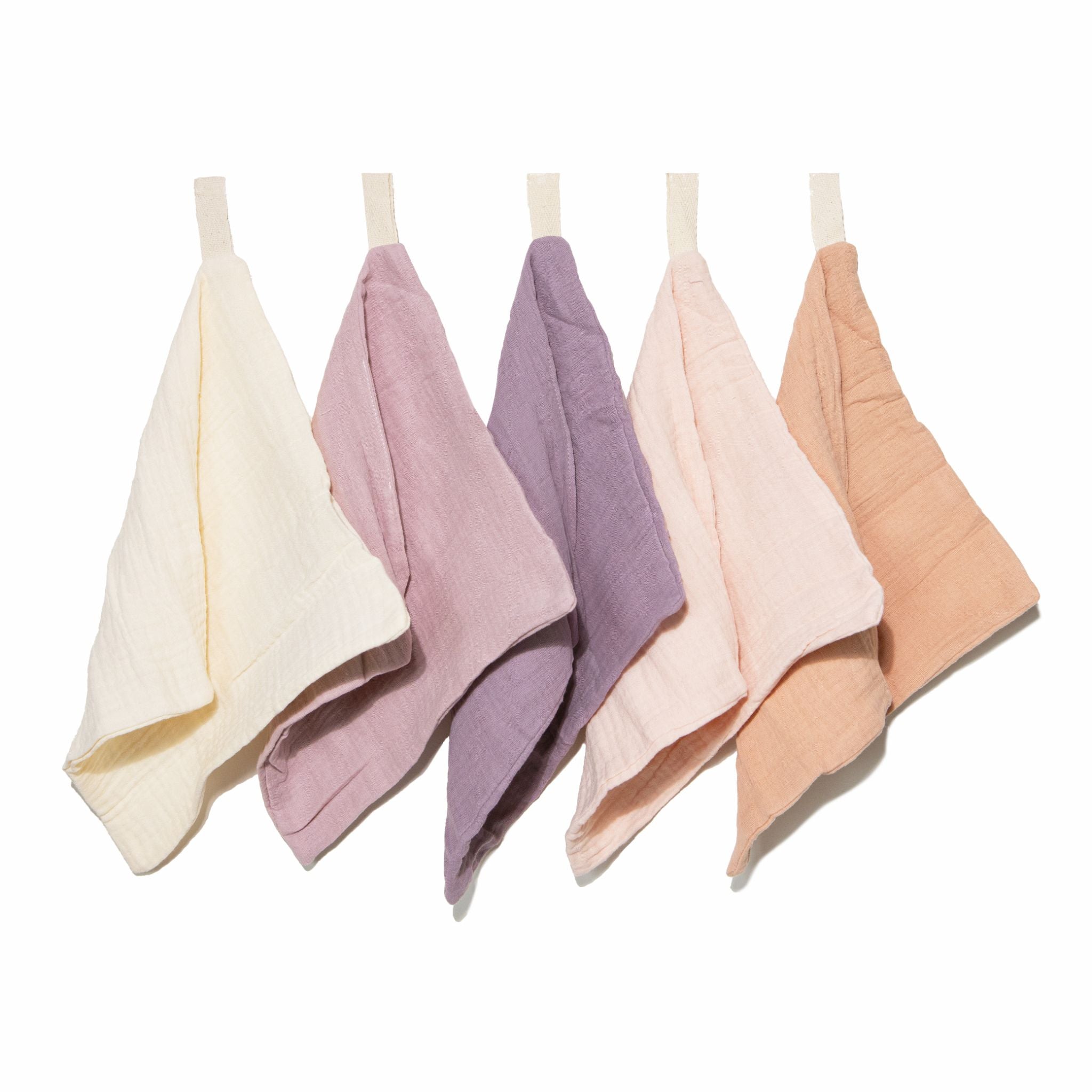

Waterproof cot sheets are one of the most practical things you can add to a baby's sleep space. But once you start shopping, a real question comes up: do you need a waterproof fitted sheet, a mattress protector, or both? The answer depends on how your baby sleeps, how often you want to be doing laundry, and what fits your cot or bassinet correctly.
Part of our complete guide to waterproof cot sheets.
This guide breaks it down simply so you can buy once and sleep better.
What Is a Waterproof Cot Sheet?
A waterproof fitted cot sheet combines a soft sleep surface with a built-in waterproof backing. It goes directly over the mattress, just like a regular fitted sheet, but protects against leaks at the same time. One layer does two jobs.
The main advantage is speed. When there is a nappy leak or a spill at 2am, you strip the sheet and put on a fresh one. Done. No digging around for a separate protector underneath.
Bamboo waterproof fitted sheets are popular because the fabric is soft, breathable, and moisture-wicking against baby's skin. That matters, because whatever is closest to your baby should feel comfortable, not plasticky or stiff.
Before you buy, check your measurements. Sizing varies more than most parents expect between brands and between Australian cots and bassinets. Our Australian cot and bassinet sheet size guide covers standard dimensions and how to measure correctly.
What Is a Cot Mattress Protector?
A mattress protector sits underneath your fitted sheet and shields the mattress itself. It does not replace a fitted sheet. It is an extra layer, usually quieter and thinner, that catches anything that soaks through the sheet above it.
Mattress protectors extend the life of your mattress. A good cot mattress can last through two or three children, but only if it is kept clean and dry. Without protection, mould and bacteria build up inside the foam or springs over time.
Used together, a fitted sheet plus a mattress protector gives you the most thorough coverage. Many parents run this combination for the newborn months when leaks are frequent and unpredictable.
Are Mattress Protectors and Waterproof Sheets Safe for Babies?
Yes, with one important condition: fit. A sheet or protector that bunches, rides up, or leaves gaps around the mattress edges creates a suffocation risk. Fit matters as much as the waterproofing itself.
Safe sleep guidelines from Red Nose Australia are clear that a baby's sleep surface should be firm, flat, and free from loose materials. That means any waterproof layer must sit taut and smooth, with no excess fabric.
For bassinets, check that the protector or sheet is made specifically for bassinet dimensions. A standard cot sheet on a bassinet mattress will not fit safely. The Australian Competition and Consumer Commission (ACCC) recommends using only products designed and sized for the specific sleeping product your baby uses.
Avoid thick, padded mattress toppers in a baby's sleep space. A waterproof protector should be thin and firm fitting, not a topper that changes the feel or surface level of the mattress.
How Many Do You Actually Need?
For a cot, two waterproof fitted sheets and one mattress protector is a practical starting point. That gives you one sheet on the bed, one clean and ready to go, and a protector beneath that you wash less frequently.
For a bassinet, the same logic applies. Two fitted bassinet sheets and one bassinet-sized protector will cover most situations. Newborns leak more often, so some parents prefer three sheets on rotation to reduce the pressure of keeping up with washing.
If you are using a single waterproof fitted sheet without a protector underneath, consider doubling up. The layering trick works well: protector, then waterproof sheet, then another protector, then another waterproof sheet. A middle-of-the-night change means pulling off the top two layers, and a fresh surface is already there.
Which Option Is Right for You?
Choose a waterproof fitted sheet alone if you want simplicity and fewer layers. Choose a mattress protector plus a regular fitted sheet if your priority is protecting the mattress long term. Use both if you want maximum coverage and easy overnight changes.
Most parents find that a waterproof fitted sheet is the workhorse of the two. It is the thing you change most often, so comfort and quick washing are important. Our guide on washing waterproof bamboo cot sheets covers care instructions so yours stay in good shape through hundreds of cycles.
Browse the full range of waterproof cot sheets and protectors to find the right fit for your cot or bassinet. All options are sized for Australian standard dimensions and designed to fit snugly without bunching.